
Standard jacket size charts often mislead you because they don’t account for fabric flexibility or armor fit. To truly assess if a jacket fits, check how armor sits inside as you move naturally—armor should stay aligned without shifting or pulling. This armor placement test reveals whether your jacket accommodates layers comfortably and offers proper protection. Keep exploring for expert tips that help you find the perfect fit and stay safe.

Get business pricing on garage and car supplies
- Business-only prices and quantity discounts
- Tax-exempt purchasing
- Multiple users, one account, clear invoices
Key Takeaways
- Proper armor placement during fit assessment reveals if a jacket size allows for adequate mobility and protection.
- Gaps or shifting armor indicate improper sizing, regardless of label measurements, exposing sizing inaccuracies.
- Testing jacket fit with armor in place ensures the garment contours correctly and maintains safety standards.
- Flexibility of fabric and design features influence armor positioning, highlighting true fit beyond standard size charts.
- Consistent movement and armor alignment checks help identify sizing issues that generic measurements might overlook.
Why Standard Jacket Size Charts Can Mislead You
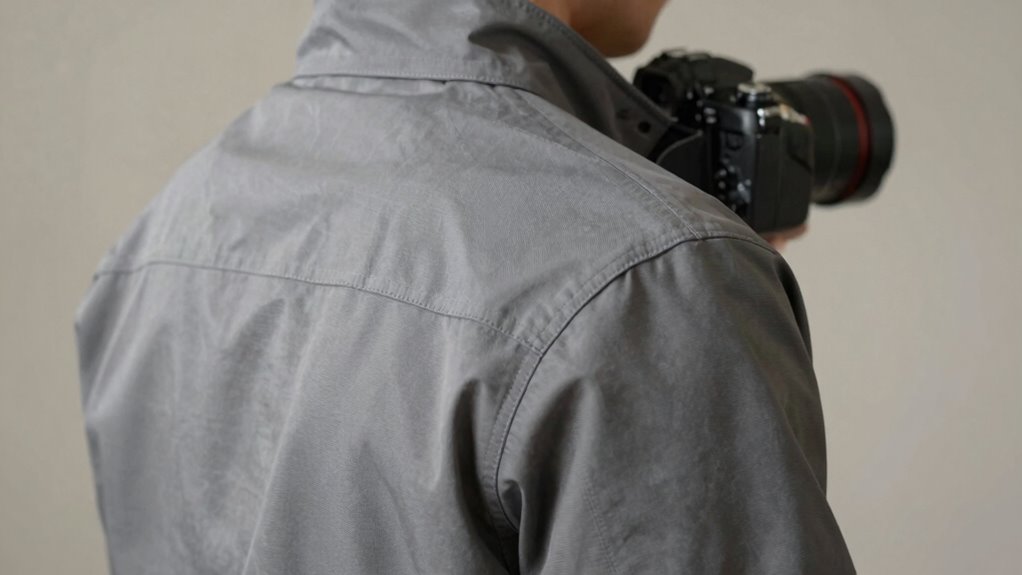
Standard jacket size charts often seem straightforward, but they can be quite misleading. They typically rely on generic measurements that don’t account for fabric material or style trends. They may also overlook how different fabric properties influence fit and comfort. For example, a jacket made from stretchy or lightweight fabric may fit differently than one crafted from stiff, heavy materials, even if the sizes match. Additionally, fabric elasticity can significantly alter how a jacket conforms to your body, making size charts less precise. Recognizing size variability and how it impacts fit can help you find a jacket that truly fits your body and aligns with your personal style. Being aware of how fabric composition affects stretch and drape can further help in selecting the right size, ensuring comfort and a flattering look. Considering fit preferences based on your intended style and comfort needs can also lead to better sizing choices.
How Armor Placement Reveals the True Fit of Your Jacket
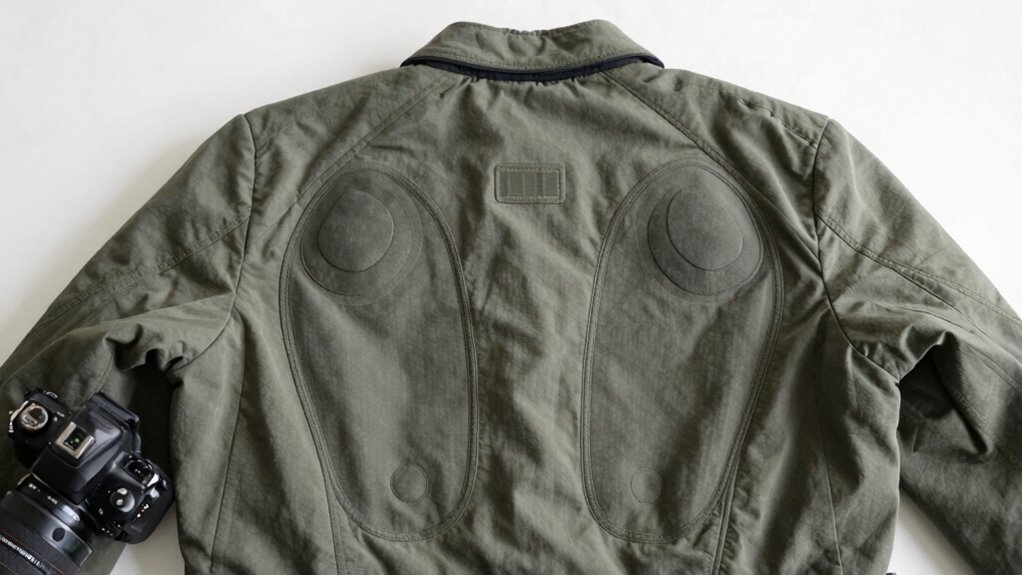
When you wear a jacket with armor, how the armor is placed can reveal whether the fit is truly right. Proper armor placement ensures the jacket moves comfortably and provides maximum protection. If the armor shifts or creates gaps, it indicates issues with fit, often related to layer thickness and fabric flexibility. To assess this, look for:
- Armor sitting flush without pressing too tightly against the body
- Consistent coverage when moving, indicating appropriate layer thickness
- Armor maintaining position, showing fabric flexibility supports proper fit
A jacket that fits well allows the armor to stay in place during movement, revealing a true fit. Conversely, misaligned armor shows the jacket isn’t accommodating your body’s shape or movement, exposing sizing inaccuracies. Additionally, understanding the contrast ratio of the jacket’s fabric can give insights into its ability to hide or reveal armor positioning. Paying attention to the fabric’s stretchability can also help determine how well the jacket adapts to armor and body movements. Recognizing the importance of material properties can further guide proper jacket selection to ensure optimal fit and protection. Moreover, evaluating the fabric’s breathability can help ensure comfort during extended wear, especially when armor is involved. Incorporating fabric flexibility analysis can also aid in selecting jackets that support comfortable armor fit without restricting movement.
How to Check Your Jacket Fit Using Armor Placement at Home
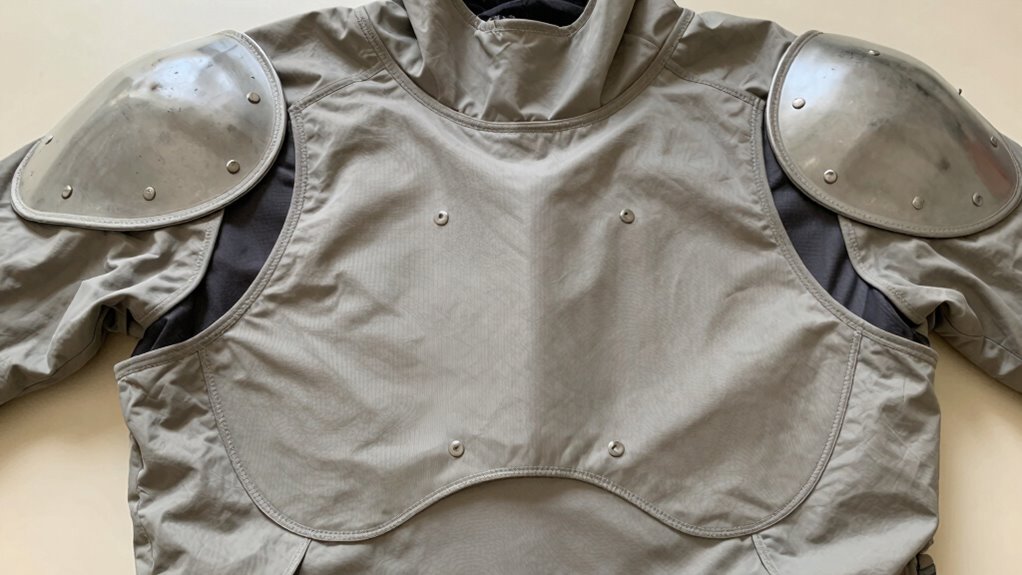
To check your jacket fit using armor placement at home, start by inserting your armor into the jacket as you normally would when riding. Move around naturally to see how it aligns, paying attention to fabric breathability—if the material feels restrictive or causes excessive sweating, it’s a sign the fit isn’t ideal. Make certain the armor stays in place without shifting excessively, which indicates proper placement. This method helps you assess style versatility; a well-fitting jacket accommodates movement without sacrificing looks. Avoid tightness that restricts airflow or loose fabric that compromises protection. By focusing on armor placement, you can identify if your jacket offers balanced comfort, safety, and style, ensuring it’s the right fit before hitting the road. Remember, a proper jacket fit enhances both safety and comfort during your ride.
Reading Armor Alignment to Find the Perfect Fit
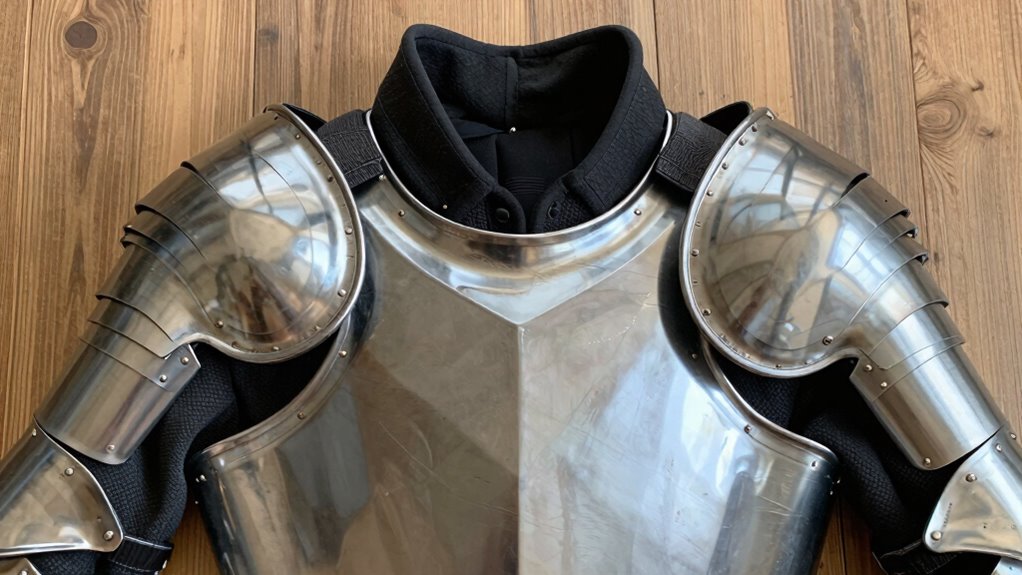
You can determine your jacket’s true fit by carefully evaluating armor placement accuracy. Use visual alignment techniques to spot uneven gaps or overlaps that might indicate sizing issues. Mastering these methods helps you find the perfect fit with confidence. Tuning into your inner wisdom can also guide you toward more authentic choices in clothing and beyond.
Armor Placement Accuracy
Proper armor placement is essential for achieving the perfect fit, as even small misalignments can compromise both comfort and protection. To verify accurate positioning, focus on reading armor alignment carefully. Ensure the armor’s edges align with your body’s natural contours. Consider your layering strategies, as improper layering can shift armor and affect fit. Also, assess fabric breathability, since moisture buildup can cause armor to shift or become uncomfortable. Additionally, understanding armor fit principles can help you make more informed decisions when purchasing protective gear. Being aware of vetted outdoor gear options can further support your safety and comfort in various environments. Recognizing how gear quality standards influence armor durability can also improve your overall safety and investment in protective equipment. Regularly inspecting your gear and understanding proper maintenance techniques ensures long-lasting protection and optimal armor placement.
Visual Alignment Techniques
Visual alignment techniques are essential tools for ensuring your armor fits correctly. By observing how fabric stretches and layers sit, you can gauge proper placement. Focus on the way the fabric aligns with your body’s natural lines, checking for evenness and smoothness. Use layering techniques to see how different materials interact, revealing tension points and fit issues. When fabric stretches uniformly, it indicates ideal comfort and support. If it bunches or pulls, adjustments are needed. Consider this table as a guide:
| Layering Technique | Fabric Stretch Observation | Alignment Check |
|---|---|---|
| Light layers | Even tension | Symmetry across shoulders and chest |
| Medium layers | Consistent fabric flow | Vertical and horizontal lines align |
| Heavy layers | No puckering or sagging | Proper armor placement |
| Dynamic movement | Flexibility and support | Overall balance and fit |
Common Sizing Mistakes Exposed by Armor Placement
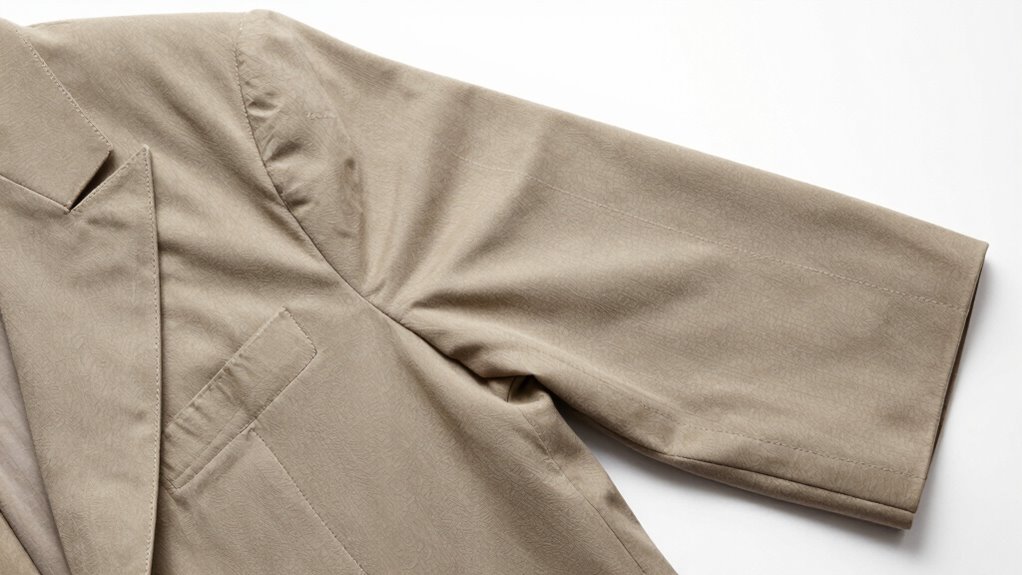
Misjudging how armor fits can lead to significant sizing mistakes that compromise both safety and comfort. Armor placement reveals these errors clearly. Common mistakes include choosing a jacket too tight, restricting fabric flexibility and movement, or selecting one too loose, causing armor to shift. Proper layering techniques are essential; they influence how your gear sits and moves. Incorrect sizing can also overlook the importance of fabric flexibility, which allows for better armor alignment during activity. To avoid these errors, consider:
- Ensuring the jacket allows enough room for layered armor without excess slack
- Prioritizing flexible fabrics that adapt to movement
- Testing armor placement during dynamic motions to check for shifting or pinching
- Recognizing that proper sizing is crucial for optimal armor performance and safety
- Being aware that digital distractions can interfere with accurate fitting assessments and focus during fitting sessions
Being mindful of fit assessment techniques can help ensure accurate sizing and prevent overlooked issues. These steps help identify sizing issues before risking safety or comfort.
Picking Jackets That Fit Your Shoulders and Armor Well
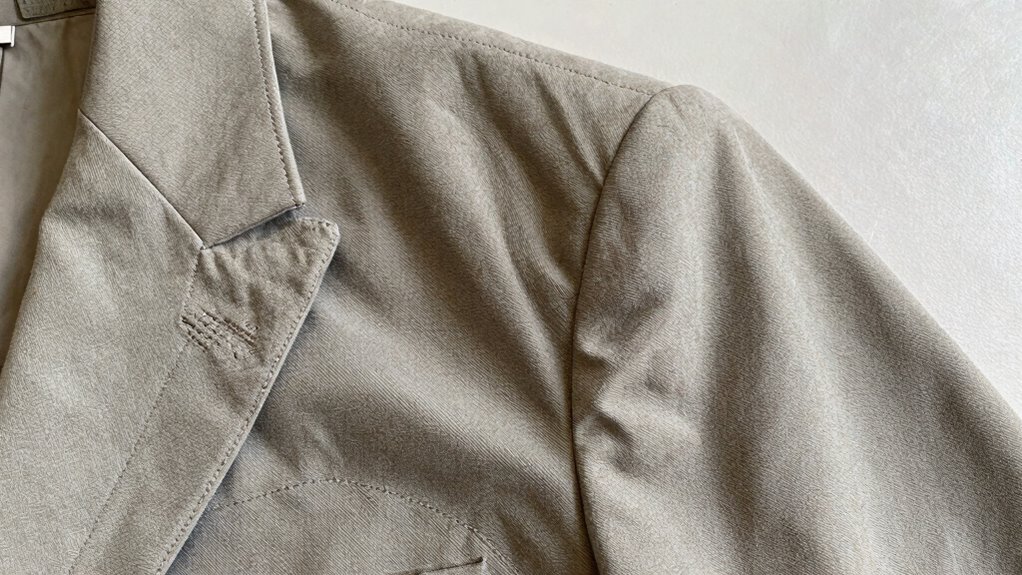
Choosing a jacket that fits your shoulders and armor properly is essential for both safety and comfort. Focus on layering strategies that accommodate armor without restricting movement. Look for jackets with fabric flexibility, which allows for better stretch and adaptability around your shoulder and chest areas. A well-fitting jacket should contour smoothly to your shoulders, avoiding tightness or bunching that can hinder armor placement. Keep in mind that armor needs space to sit securely, so select a jacket with enough room in the shoulders and upper back. Testing the fit with your armor in place ensures you won’t experience discomfort or restrictions during activity. Prioritize jackets that offer a balance of snugness and flexibility, enabling ideal armor fit and unrestricted mobility. Additionally, consulting product specifications can provide insights into suitable jacket features for armor compatibility. Incorporating adaptive clothing features can further enhance comfort and adjustability when wearing armor or layered gear.
Adjusting Jackets Based on Armor Placement Insights
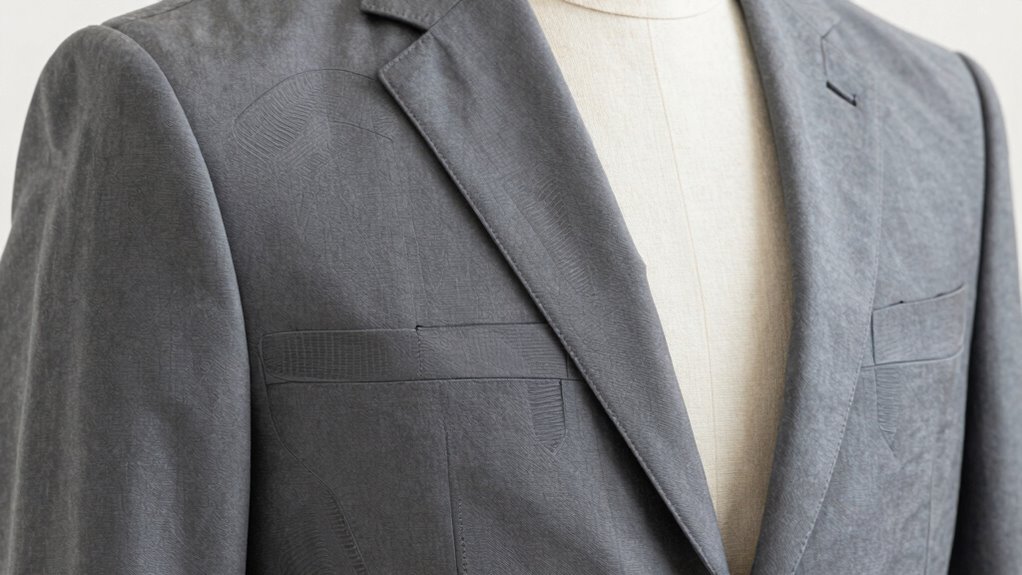
Once you’ve assessed how your jacket fits your shoulders and armor, the next step is to make precise adjustments based on those insights. Focus on optimizing comfort and mobility by considering layering techniques and fabric flexibility. If armor causes tightness, try:
- Incorporating stretch panels or gussets to improve fit without sacrificing armor placement.
- Adjusting layering techniques, like adding or removing thin underlayers to accommodate fabric flexibility.
- Selecting jackets with adjustable features, such as side cinches or vented panels, to fine-tune the fit.
- Proper fit ensures that your jacket moves naturally with your armor and layers, preventing discomfort and enhancing safety.
- Understanding fabric flexibility helps in choosing jackets that adapt well to different armor configurations, providing a better overall fit.
These tweaks allow your jacket to move naturally with your armor and layers, ensuring comfort without compromising protection. Making these careful adjustments helps you create a tailored fit that aligns with your armor placement, ultimately enhancing both safety and ease of movement.
Comparing Different Jackets and Brands With Armor Placement in Mind
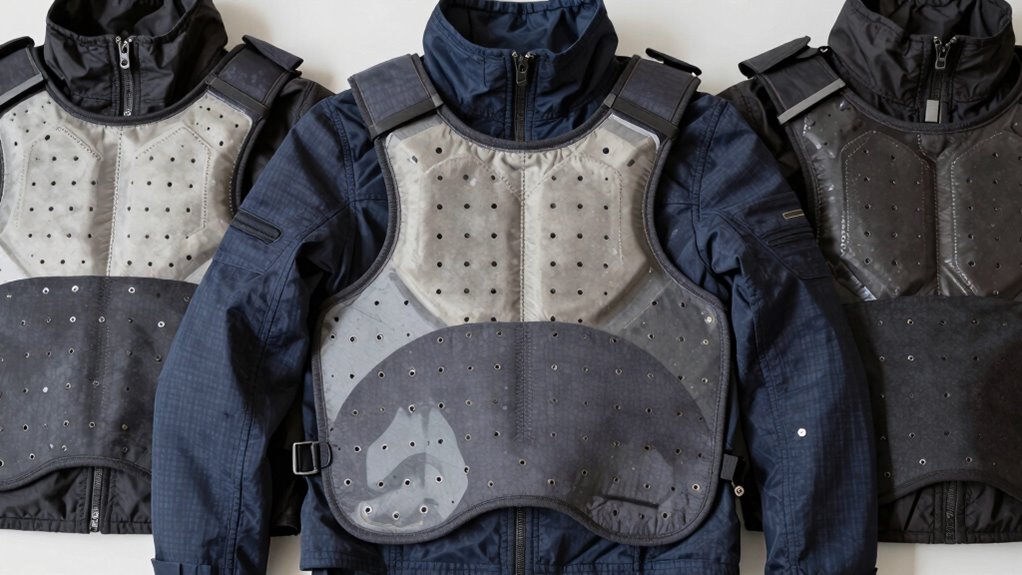
When comparing jackets and brands, you need to consider how armor placement varies between options. Different brands may have sizing that influences how well armor fits and stays protected. Balancing fit and protection becomes vital as you evaluate how each jacket aligns with your armor needs.
Armor Placement Variations
Different jackets and brands vary considerably in how they position armor, which can impact both protection and comfort. Some brands prioritize precise armor placement to align with critical impact zones, while others allow more flexibility for layering techniques. Variations in fabric stretch also influence how armor sits within the jacket; more elastic materials enable a snug fit that keeps armor in place.
- Armor pockets may differ in size and shape, affecting placement accuracy.
- Adjustable straps or internal compression layers help optimize armor positioning.
- Design choices, like seam placement and panel layout, influence how well armor conforms to your body.
Understanding these differences helps you choose jackets that support effective armor placement, ensuring both safety and comfort during wear.
Brand Sizing Differences
Brand variations substantially affect how jackets fit and how well armor stays in place. Different brands use varying sizing standards, impacting fit and armor positioning. Some brands prioritize fabric durability, ensuring your jacket withstands wear over time, while others focus on color retention, keeping your gear looking sharp longer. This variability means you might need to try multiple brands to find the one that aligns with your armor placement needs. Here’s a quick comparison:
| Brand A | Brand B |
|---|---|
| Durable fabric | Better color retention |
| Slightly larger fit | More snug fit |
| Armor aligns well | Armor shifts easily |
| Long-lasting materials | Fades less over time |
Knowing these differences helps you choose jackets that keep your armor in the right spot, providing consistent protection.
Fit Versus Protection
Choosing a jacket that balances fit and protection requires careful consideration of how armor is positioned and stays in place during movement. A well-fitting jacket ensures comfort without sacrificing safety, but it must also accommodate armor that remains securely aligned. When comparing jackets and brands, look beyond fashion trends to focus on material durability and how effectively armor stays in place. Some key factors include:
- Adjustable straps or closures that maintain armor positioning during activity
- Flexible yet sturdy materials for durability and comfort
- Design features that prevent shifting without compromising style
Pay attention to how different brands incorporate these elements, as a jacket that’s trendy but poorly designed can compromise protection. Prioritizing fit with armor placement in mind guarantees your safety isn’t sacrificed for fashion.
Tips for Maintaining a Comfortable, Well-Fitted Jacket Over Time
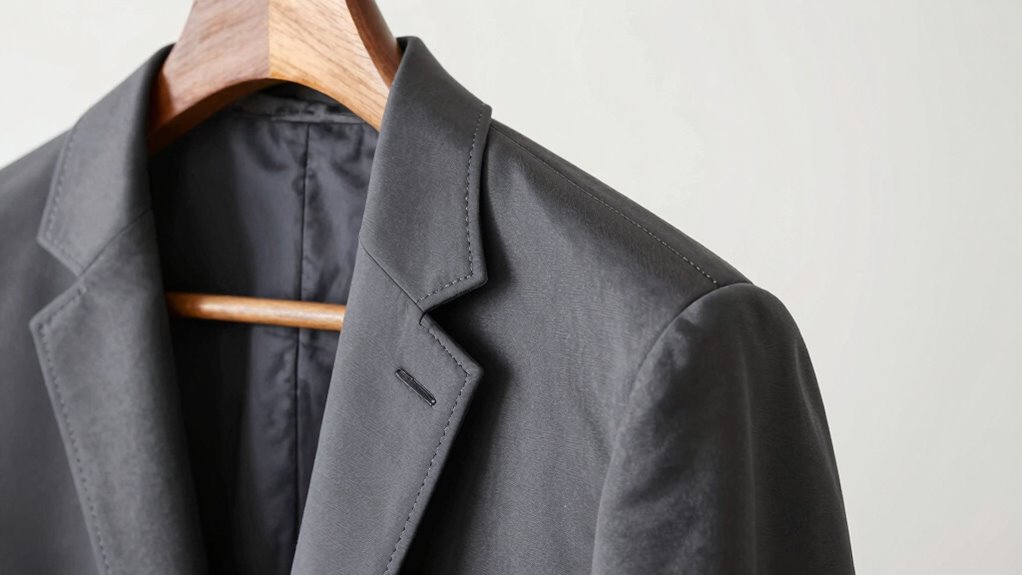
To keep your jacket comfortable and well-fitting over time, regular maintenance is essential. Proper care preserves fabric breathability and maintains style versatility. Clean your jacket according to manufacturer instructions to prevent fabric deterioration. Store it in a cool, dry place to avoid mold and fabric breakdown. Periodically check for loose threads or worn areas and repair promptly. Avoid over-packing pockets, which can distort the fit. Rotate wearing your jackets to prevent excessive wear on one piece. Use a fabric-safe spray to maintain softness and breathability.
| Tip | Benefit |
|---|---|
| Follow cleaning instructions | Maintains fabric breathability and fit |
| Store properly | Preserves style versatility |
| Repair worn areas | Extends jacket lifespan |
| Rotate usage | Prevents uneven wear |
| Use fabric sprays | Keeps material soft and breathable |
Frequently Asked Questions
How Does Armor Placement Affect Overall Jacket Comfort?
Armor placement directly impacts your jacket comfort by addressing padding issues and ensuring proper fit adjustments. When armor sits correctly, it prevents chafing and discomfort, allowing for easier movement. Misaligned armor can cause pressure points and restrict mobility. By checking armor placement, you can fine-tune your jacket’s fit, reducing padding issues and enhancing overall comfort, so you stay protected without sacrificing ease of wear.
Can Armor Placement Checks Be Done on All Jacket Types?
Armor placement checks can be done on most jacket types, including knit jackets and raincoats with armor pockets. You might think it’s as complicated as decoding ancient runes, but it’s straightforward. Simply assess where the armor sits in your jacket. Whether it’s a sleek knit or a waterproof raincoat, these checks reveal if your armor’s in the right spot, ensuring maximum protection and comfort.
What Tools Are Needed for At-Home Armor Placement Evaluation?
To evaluate armor placement at home, you’ll need a measuring tape and a mirror. Use the measuring tape to take precise measurements of your chest, shoulders, and torso, ensuring you record accurate data. Stand in front of the mirror to visually assess how the armor aligns with your body. This combination helps you determine if your jacket fits properly and if the armor is positioned correctly for maximum protection.
How Often Should I Recheck My Jacket’s Armor Alignment?
Imagine the wind whipping past your helmet and jacket, reminding you that weather can shift in an instant. You ought to recheck your armor alignment every few rides or after any long break, especially when weather changes drastically. A snug helmet fit and proper armor placement keep you safe, so don’t wait too long—regular checks ensure your gear stays in the right place, ready to protect you when you need it most.
Are There Specific Brands Known for Better Armor Placement?
You should look for brands known for better armor placement, especially those with a strong reputation for quality and fit consistency. Reputable brands like Dainese and Alpinestars often prioritize precise armor placement, ensuring your protection stays in the right spot. Their consistent sizing and attention to detail make them reliable choices. When choosing, always check reviews and verify that the armor aligns properly during fitting to maximize safety and comfort.
Conclusion
Now that you understand the armor placement secret, you can confidently choose jackets that fit flawlessly. By checking for proper armor alignment, you’ll avoid sizing snafus and stay stylish and secure. Remember, proper placement prevents pain and promotes performance. So, stay savvy, scrutinize snugness, and select jackets that suit your shoulders and armor. With these tips, you’ll master the art of accurate apparel, ensuring every jacket fits just right—because your comfort and confidence count.
Columbus Day / Indigenous Peoples' Day Picks
long weekend sales
As an affiliate, we earn on qualifying purchases.