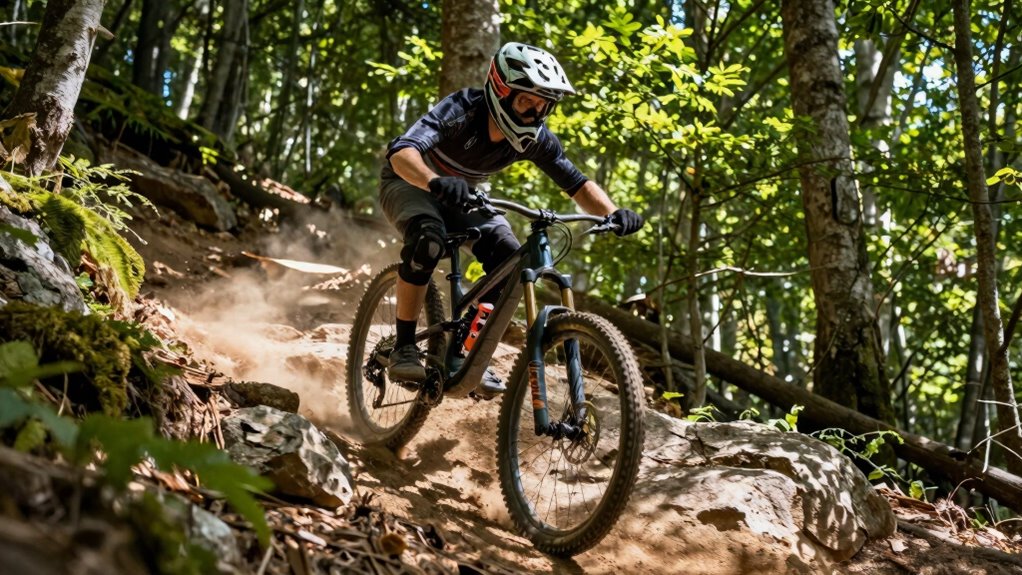
The Braking Balance Rule is essential for keeping control on steep descents. To stay safe, you need to distribute your braking force evenly between the front and rear brakes. Too much front brake can send you over the handlebars, while too much rear can lead to a loss of traction. By mastering this balance, you enhance stability and can adjust to different terrains effectively. Want to discover more techniques that can improve your riding skills?

Get business pricing on garage and car supplies
- Business-only prices and quantity discounts
- Tax-exempt purchasing
- Multiple users, one account, clear invoices
Key Takeaways
- Proper braking balance prevents loss of control, especially on steep descents, enhancing rider safety.
- Mastering effective braking techniques stabilizes the bike and aids in emergency stops.
- Using the front brake gently while maintaining pressure on the rear brake ensures balanced deceleration.
- Anticipate terrain changes to adjust braking for bumps, loose gravel, and sharp turns.
- Gradual braking reduces speed effectively, minimizing wear on brakes during steep descents.
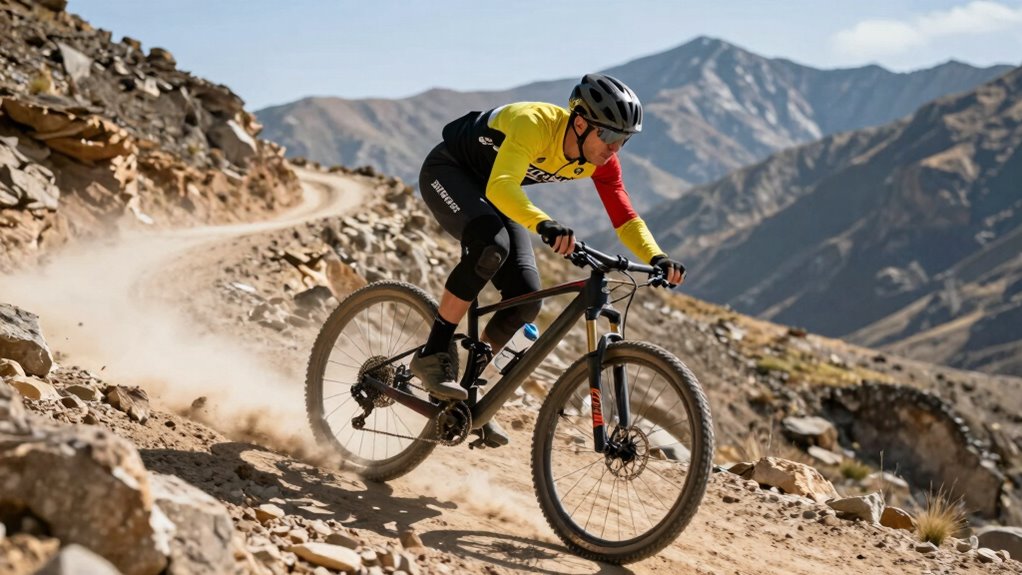
When you’re out on the road, understanding the braking balance rule can make all the difference in your safety and control. This rule is especially vital when managing steep descents, where improper braking can lead to loss of control. You’ll want to master effective braking techniques that allow you to maintain stability while descending, and this starts with how you manage your brakes.
First, think about your body positioning. Keep your weight low and centered on the bike. This lowers your center of gravity, enhancing stability. Leaning too far back can lead to your front wheel lifting off the ground, making it harder to steer and control your descent. By staying balanced, you can respond better to any sudden changes in terrain or speed.
Next, gear selection plays a significant role in your descent. Choose a lower gear before you start descending. This gives you better speed control, allowing your engine to help with braking while reducing the strain on your brakes. A lower gear engages the engine braking effect, which can be a lifesaver on steep slopes. If you find yourself in too high a gear, you risk losing control as your speed increases.
Terrain awareness is another key factor. You need to anticipate what’s ahead. Look for any bumps, loose gravel, or sharp turns. Knowing the terrain helps you adjust your braking accordingly. If you spot a steep curve, you’ll want to apply your front brake gently while maintaining pressure on the rear brake. This keeps the bike balanced and prevents skidding. Being aware of braking technique can help you respond more effectively in different situations.
Speed control is essential as well. Too much speed can overwhelm your braking system. When descending, practice gradual braking rather than sudden stops. This technique not only provides smoother control but also reduces wear on your brakes. Additionally, understanding braking balance can help you adapt your technique effectively in different situations. However, if an emergency arises and you need to stop quickly, your understanding of the braking balance rule will guide you to make effective emergency stops without losing control.
Incorporating these elements into your riding routine will enhance your braking skills on steep descents. By mastering body positioning, gear selection, terrain awareness, and speed control, you’ll be better prepared for whatever the road throws your way. Remember, riding is about enjoying the journey, and understanding the braking balance rule can keep that journey safe and enjoyable.
As an affiliate, we earn on qualifying purchases.
Frequently Asked Questions
What Are the Best Bike Tires for Steep Descents?
For steep descents, you’ll want tires that offer excellent tire traction and downhill stability. Look for wider tires with a tread pattern designed for gripping loose surfaces. Brands like Maxxis and Schwalbe have great options that enhance control and confidence on steep slopes. Also, consider tires with a softer rubber compound; they provide better grip. Invest in high-quality tires, and you’ll notice a significant difference in your downhill performance.
How Does Rider Weight Affect Braking Performance?
Imagine flying down a winding mountain road, the wind whipping past you. Your weight plays an essential role in braking performance; heavier riders might need to shift their body forward, enhancing grip and control. Adjusting your rider positioning and employing effective braking techniques can make all the difference. By leaning into your brakes and distributing weight evenly, you can maintain stability, ensuring that every descent feels smooth and confident, no matter your size.
Can I Use This Rule on All Terrain Types?
You can’t use this rule on all terrain types. While it’s effective on steep descents, terrain adaptability is vital for different surfaces. For example, loose gravel or wet conditions require modified braking techniques to maintain control. Adjust your approach based on the terrain; what works on a steep hill may not apply in a muddy patch. Always assess your surroundings and adapt your braking strategy to guarantee safety and performance.
What Should I Do if My Brakes Overheat?
If your brakes overheat, stop riding immediately to let them cool down. Look for signs like a burning smell or decreased braking power. Once they’re cooler, check for any damage and verify your brake pads are in good condition. Regular brake maintenance tips include keeping them clean and replacing worn pads. If overheating persists, consider adjusting your riding technique or upgrading your brakes for better performance on steep descents.
How Can I Practice This Technique Safely?
“Practice makes perfect.” To safely practice braking techniques, find a quiet, flat area to start. Gradually increase your speed while applying both brakes evenly, focusing on balance. Set up cones to simulate turns and practice your stopping distance. As you gain confidence, incorporate slight downhill slopes, but always maintain control. Remember, it’s better to go slow and steady than to rush—this way, you’ll build your skills without risking safety.
Conclusion
Mastering the braking balance rule is like revealing a secret superpower for steep descents. By distributing your braking force between the front and rear, you’ll glide down hills with confidence and control, rather than teetering on the edge of disaster. Keep practicing this technique, and you’ll feel invincible on your rides. So, embrace the balance, and your steep descents will become thrilling adventures rather than nerve-wracking challenges. Get ready to conquer those hills like never before!
Halloween Picks
halloween
As an affiliate, we earn on qualifying purchases.