
Arch emphasizes that mastering weight distribution on heavy performance bikes is essential for ideal handling and stability. You’ll need to balance weight between the front and rear wheels to avoid losing grip or hindering turns. Adjusting your riding position plays a key role; keeping your torso low and centered improves agility. Proper braking techniques also shift weight, enhancing control. Understanding these concepts can greatly elevate your riding experience. Want to learn how to apply these principles effectively?
Key Takeaways
- Proper weight distribution is crucial for handling, stability, and responsiveness on heavy performance bikes.
- Chassis balance, influenced by front and rear weight, affects turning and acceleration.
- Adjusting riding position, such as keeping the torso low, enhances chassis balance and control.
- During braking, anticipate weight shifts to maintain stability and optimize handling.
- Familiarity with a bike’s unique characteristics helps in mastering weight distribution techniques for improved performance.

When you’re riding a heavy performance bike, understanding weight distribution is vital for ideal handling and stability. It’s not just about how heavy the bike is; it’s about how that weight is spread across the chassis. You’ve probably noticed that a well-balanced bike feels more responsive, allowing you to navigate corners and straightaways with confidence. This is where the concept of chassis balance comes into play.
Chassis balance refers to how weight is distributed among the front and rear wheels. If you shift your weight too far forward or back, you can compromise handling dynamics. For instance, leaning too far forward may cause the front wheel to lose grip, making it hard to steer. Conversely, if your weight is too far back, you might struggle to initiate turns effectively. Striking that perfect balance can make all the difference, especially when you’re pushing the bike to its limits.
Chassis balance is crucial; proper weight distribution enhances grip and steering, ensuring better handling when pushing your bike to its limits.
One effective way to achieve ideal weight distribution is by adjusting your riding position. You’ll want to keep your torso low and centered, which helps maintain chassis balance. By positioning your body correctly, you can influence the bike’s handling dynamics considerably. For example, when entering a corner, shifting your weight toward the inside can enhance grip and stability. This allows the bike to respond better to your inputs, making it feel more agile and controlled.
Another important aspect is understanding how weight affects braking. When you brake hard, weight shifts toward the front wheel. If you’re not prepared for this shift, you could end up losing control. By anticipating this movement and adjusting your body position accordingly, you’ll maintain better chassis balance and make smoother stops. You can also modulate your braking pressure to help keep the bike stable during these moments. Additionally, understanding weight transfer is crucial for optimizing your riding technique and maintaining control during dynamic maneuvers.
Lastly, remember that every bike has its unique characteristics. What works for one model might not apply to another. As a result, it’s essential to spend time getting to know your bike’s handling dynamics. By experimenting with different weight distributions and observing how the bike reacts, you’ll develop a better understanding of what feels right.
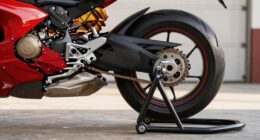
heavy performance bike weight distribution
As an affiliate, we earn on qualifying purchases.
As an affiliate, we earn on qualifying purchases.
Frequently Asked Questions
How Does Rider Posture Affect Weight Distribution on Performance Bikes?
Your rider posture directly impacts weight distribution on performance bikes. When you maintain proper body alignment, you improve rider balance, allowing you to distribute your weight effectively across the bike. Leaning forward shifts weight to the front, enhancing control, while sitting upright can lead to a rearward shift, affecting stability. Adjusting your posture during rides can help you manage weight better, making your performance smoother and more responsive on various terrains.
What Materials Impact Weight Distribution in Bike Design?
Frame material plays a pivotal role in bike design, acting as the backbone of your ride. Lightweight materials like carbon fiber enhance agility, while aluminum offers durability. Bike geometry influences how weight shifts during rides, affecting stability. Component placement, from the wheels to the saddle, directly impacts load distribution. So, when you choose your bike, remember: every piece matters, shaping not just the ride, but also how you feel on the road.
Can Weight Distribution Be Adjusted During a Ride?
Yes, you can adjust weight distribution during a ride. By employing weight shifting techniques, you can enhance your bike’s handling and stability. For instance, lean your body forward or shift your hips to the side when taking corners. These rider techniques allow you to manipulate the bike’s balance and improve traction, especially on heavy performance bikes. Experiment with different positions to find what works best for you and your riding style.
How Does Tire Pressure Influence Weight Distribution?
Tire pressure greatly influences weight distribution, affecting your bike’s handling dynamics. When you adjust tire pressure, it changes how the weight is distributed across the tires. Higher pressure can lead to a stiffer ride and less grip, shifting weight towards the center. Lower pressure enhances grip and stability but can make the bike feel sluggish. Finding the right balance guarantees better control, allowing you to ride smoothly and confidently through different terrains.
Are There Specific Brands Known for Optimal Weight Distribution?
Yes, certain brands are renowned for their ideal weight distribution. When you look at brand comparisons, names like Trek, Specialized, and Cannondale often stand out. Their designs focus on balanced weight distribution, enhancing performance. In your performance analysis, you’ll notice how these brands strategically place components to improve handling and stability. Choosing a bike from these manufacturers can give you a noticeable edge in both comfort and control on the road.
bike chassis balance weight adjustment
As an affiliate, we earn on qualifying purchases.
As an affiliate, we earn on qualifying purchases.
Conclusion
To sum up, understanding weight distribution on heavy performance bikes is like mastering the art of balance on a tightrope. By fine-tuning your bike’s setup and adjusting your riding style, you can enhance stability, control, and overall performance. Remember, even the slightest shift in weight can make a big difference, so take the time to experiment and find what works best for you. With the right adjustments, you’ll ride smoother and faster, feeling more connected to your machine.
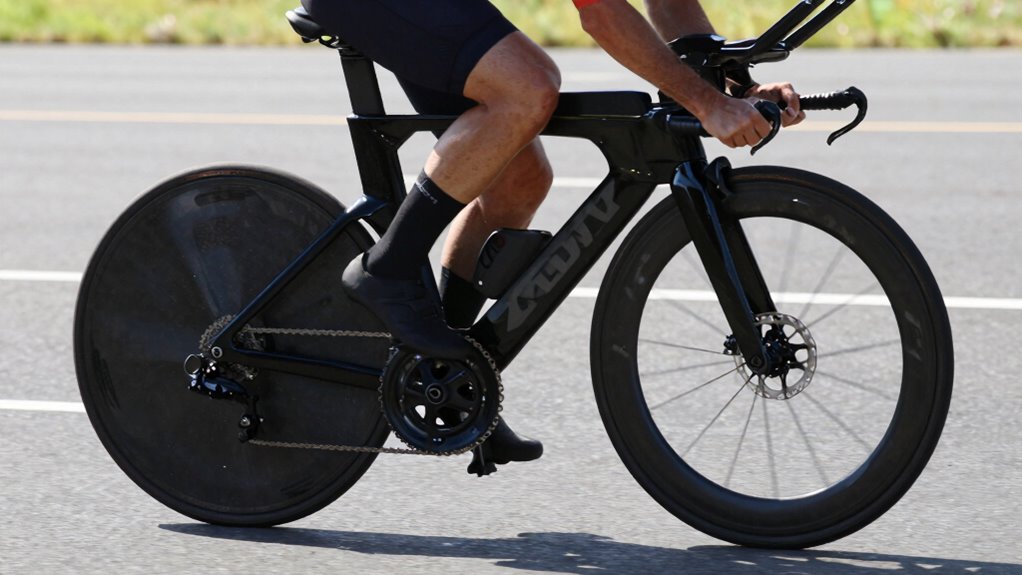
riding position for bike stability
As an affiliate, we earn on qualifying purchases.
As an affiliate, we earn on qualifying purchases.
bike handling and control accessories
As an affiliate, we earn on qualifying purchases.
As an affiliate, we earn on qualifying purchases.