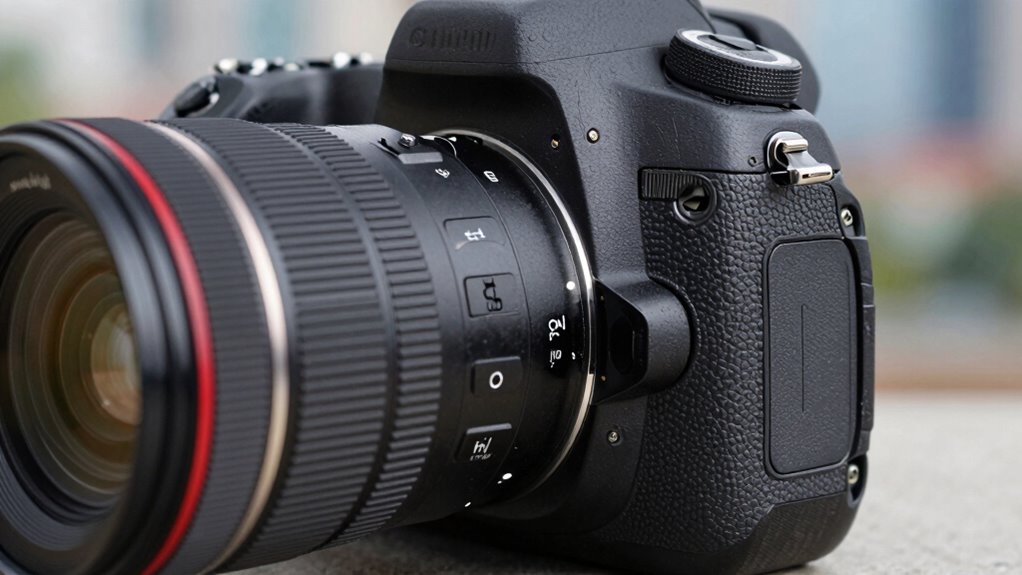

To effectively save your camera with anti-vibration mounts, you need a mount that’s rigid and well-secured. A mount made from high-quality materials like metal or tough composites prevents flexing and absorbs vibrations better. Proper mounting techniques and secure hardware guarantee vibrations don’t transfer to your camera. If your mount isn’t sufficiently rigid, vibrations will still affect your footage and images. Keep going to discover how to choose the best mounts for your needs.

Get business pricing on garage and car supplies
- Business-only prices and quantity discounts
- Tax-exempt purchasing
- Multiple users, one account, clear invoices
Key Takeaways
- The mount must be made of high-quality, rigid materials like metal or composites to effectively absorb vibrations.
- Proper mounting techniques and secure attachment points prevent unwanted movement and enhance vibration isolation.
- Insufficient rigidity allows vibrations to transfer to the camera, reducing image and video quality.
- Rigid mounts resist flexing and shocks, maintaining stability during challenging conditions.
- Combining a durable, rigid mount with correct hardware ensures optimal vibration control and camera protection.
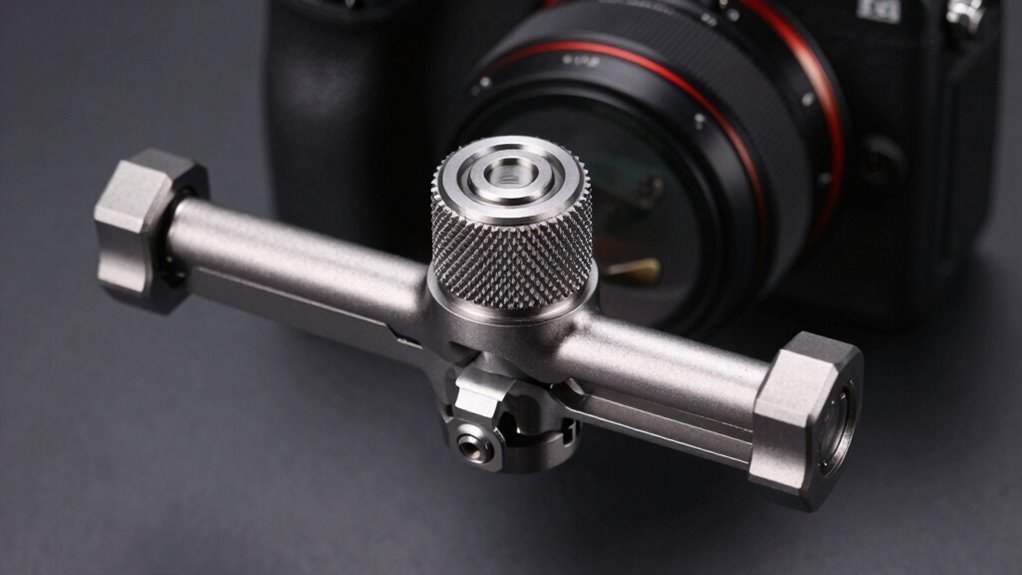
Have you ever wondered how machinery stays quiet and smooth during operation? The secret often lies in effective vibration control, which is exactly what anti-vibration mounts provide — and the same principle applies to cameras. When you’re capturing footage or taking photos, even the slightest shake can ruin the shot, making camera stabilization essential. That’s where anti-vibration mounts come into play. They absorb and dissipate the energy from vibrations, guaranteeing your camera remains steady despite external movements or jolts.
Anti-vibration mounts absorb shocks, keeping cameras steady for sharper photos and smoother videos.
But simply attaching a camera to a mount isn’t enough. It’s important to understand mounting techniques and why the rigidity of the mount matters so much. If your mount isn’t sufficiently rigid, it can transfer vibrations rather than block them. Think of it like trying to soften a jarring impact with a flimsy cushion — it won’t do the job. Instead, you need a mount that’s not only designed to absorb vibrations but also maintains a high level of rigidity. This combination ensures vibrations are dampened before they reach your camera, resulting in sharper images and smoother footage.
When selecting anti-vibration mounts, you should prioritize those that are built with sturdy materials, like metal or high-grade composites. These materials help maintain the mount’s shape and prevent flexing during use. The more rigid the mount, the better it can withstand external shocks and vibrations. Mounting techniques also play a critical role. Properly securing your camera to the mount, ensuring tight and stable attachment points, reduces movement and prevents unwanted shifts. Using appropriate screws, clamps, or quick-release systems can make a significant difference in how well vibrations are managed. Additionally, understanding the vibration absorption properties of different mounts can help you choose the most effective option for your needs. It’s also worth noting that the material composition of the mount influences its ability to resist flexing and absorb shocks, making material choice a crucial factor in your selection process.
You might be tempted to go for cheaper, softer mounts, but they often fail to provide the necessary rigidity. Over time, they can even introduce their own vibrations, defeating the purpose altogether. Instead, look for mounts that are specifically designed for camera stabilization, with a focus on rigidity and durability. Remember, the goal isn’t just to hold your camera in place but to isolate it from external vibrations and shocks. Ensuring the rigidity of the mount is crucial for effective vibration control and optimal camera performance. When you combine rigid mounts with proper mounting techniques, your camera’s performance improves dramatically. You’ll notice clearer images, smoother video, and fewer post-processing frustrations.
In the end, the key to saving your camera from vibrations isn’t just about having any mount — it’s about choosing one that is sufficiently rigid and employing effective mounting techniques. When you get it right, your camera performs at its best, capturing the quality you’re aiming for, even in challenging environments.
As an affiliate, we earn on qualifying purchases.
Frequently Asked Questions
How Do Anti-Vibration Mounts Affect Camera Image Quality?
Anti-vibration mounts improve your camera image quality by enhancing camera stabilization and providing shock absorption. They reduce unwanted movement and vibrations that can cause blurry or shaky photos and videos. When you use a rigid anti-vibration mount, it guarantees maximum shock absorption, keeping your camera steady even in challenging conditions. This results in sharper images and smoother footage, making your shots look professional and clear.
Can Anti-Vibration Mounts Be Used With All Camera Types?
Anti-vibration mounts can be used with most camera types, but you need to evaluate camera compatibility and mount installation carefully. Some mounts are designed specifically for certain sizes or weights, so check if your camera fits those specifications. Properly installing the mount guarantees ideal vibration absorption. If you choose the right, rigid mount for your camera, you’ll reduce shake and get clearer images, regardless of your camera type.
What Materials Are Best for Anti-Vibration Mounts?
They say “you get what you pay for,” and when choosing anti-vibration mounts, using durable materials like high-quality rubber, metal alloys, or specialized composites guarantees long-lasting performance. Opt for mounts with solid design considerations, such as reinforced joints and rigid structures, to effectively absorb vibrations. The right materials and thoughtful design work together to protect your camera, keeping it steady and safe during shoot after shoot.
How Often Should Anti-Vibration Mounts Be Maintained or Replaced?
You should check your anti-vibration mounts regularly, ideally following a maintenance schedule every 6 to 12 months. Look for replacement indicators like cracks, excessive wear, or decreased effectiveness. If you notice any of these signs, replace the mounts promptly to guarantee continued camera protection. Regular inspections help you maintain peak performance and avoid potential damage, keeping your equipment safe and functioning smoothly.
Are There Portable Anti-Vibration Mounts for Outdoor Shoots?
Yes, you can find portable anti-vibration mounts perfect for outdoor shoots. Think of them as the Swiss Army knives of camera gear—compact, versatile, and built to handle rough terrain. These mounts often feature lightweight designs that won’t weigh you down, making them easy to carry and set up. They help stabilize your camera on the go, ensuring crisp shots even in unpredictable outdoor conditions.
Conclusion
Remember, the key to protecting your camera lies in choosing a mount that’s just the right amount of firm. While a softer touch might seem appealing, it’s the steadfast support that truly keeps your gear safe from the subtle shakes of the world. So, look for that balance—rigid enough to shield, gentle enough to avoid strain. In the end, it’s about finding a mount that quietly whispers, “I’ve got you,” when you need it most.
Fall Picks
fall essentials
As an affiliate, we earn on qualifying purchases.