
Silent riding changes your wildlife encounters in surprising ways. Without noise, you blend into the environment, letting you observe animals in their natural state. You notice the subtle shifts in behavior, like a squirrel freezing at a sound or a hawk scanning for movement. These silent moments deepen your connection to nature and transform fleeting sightings into profound experiences. This newfound awareness opens up many layers of the wilderness waiting to be discovered.
Key Takeaways
- Silent riding enhances unexpected wildlife encounters by minimizing noise that typically drives animals away, allowing for closer observation.
- Reduced sound impact allows animals to behave more naturally, making encounters feel magical and enriching.
- Awareness of subtle sounds deepens the understanding of wildlife behavior, fostering a stronger connection to the environment.
- Transformative experiences arise from silent interactions, leading to greater respect and appreciation for wildlife and their habitats.
- Embracing quiet promotes mindfulness and patience, revealing the intricate dynamics of nature that noise often obscures.
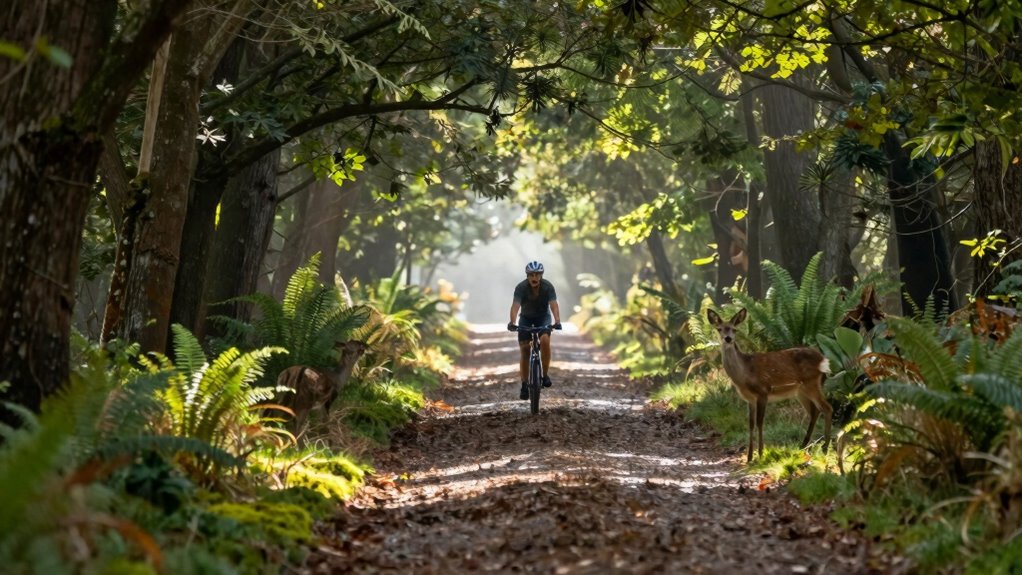
When you ride silently through the wilderness, you open yourself up to a world of unexpected wildlife encounters. The sound impact of your movements plays a vital role in shaping these experiences. Unlike traditional riding, where the noise of machinery or even clattering hooves can send animals scurrying, silent riding allows you to blend into the environment. You may find that your presence goes unnoticed, leading to moments that feel almost magical.
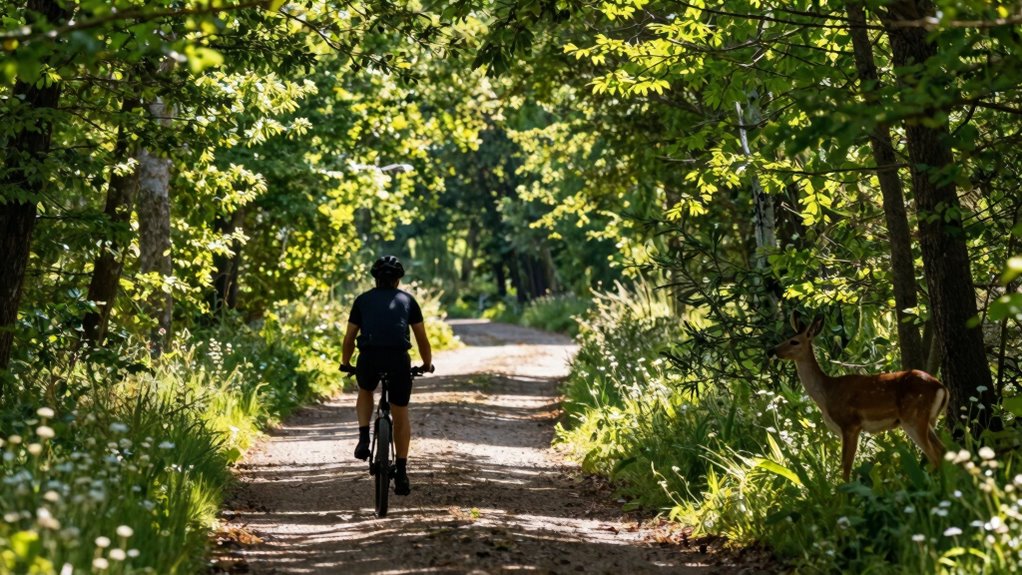
As you glide along the trails, you’ll notice a shift in wildlife behavior. Creatures that typically shy away from human interaction might appear curious or even unbothered. Imagine spotting a deer grazing peacefully, completely unaware of your presence, or catching a glimpse of a family of rabbits darting playfully across your path. These encounters become more frequent and intimate when you reduce the sound impact of your ride.
You’ll witness wildlife curiosity flourish as silence transforms fleeting encounters into intimate moments along the trails.
Silence allows you to observe animals in their natural state. You might witness a hawk soaring overhead, its keen eyes scanning the ground for movement, or hear the soft rustle of a fox moving stealthily through the underbrush. These moments remind you of the delicate balance of nature and how your actions can influence it. Each rustle, each call, tells a story that becomes more vivid when you’re not disrupting the soundscape. Additionally, developing an awareness of natural soundscapes can deepen your connection to the environment and enrich your outdoor experience. Recognizing the importance of quiet environments can help foster mindfulness and patience during your outdoor adventures.
Moreover, silent riding encourages you to be more attuned to your surroundings. You’ll start to recognize the subtle shifts in wildlife behavior—like how a squirrel freezes at the slightest sound or how a bird takes off at the faintest hint of danger. These observations deepen your understanding of the ecosystem and the creatures that inhabit it. You’ll appreciate the connections between sounds and actions, learning that the quiet can reveal far more than noise ever could. Recognizing these soundscapes enhances your overall experience and fosters a greater sense of harmony with nature.
As you continue to ride silently, you might find that your encounters become more than just fleeting moments; they transform into profound experiences. You develop a greater respect for the wildlife around you, realizing that your presence, or lack thereof, can greatly impact their world. By choosing to ride quietly, you’re not just enjoying the beauty of nature—you’re becoming part of it, fostering a deeper appreciation for the soundscape and the intricate dance of life that unfolds in the wilderness. Additionally, understanding the importance of a quiet environment can help you cultivate mindfulness and patience during your outdoor adventures.
silent riding horse gear
As an affiliate, we earn on qualifying purchases.
As an affiliate, we earn on qualifying purchases.
Frequently Asked Questions
How Does Silent Riding Affect Predator-Prey Interactions?
Silent riding markedly alters predator-prey interactions. When you ride quietly, predators may not sense your presence, changing their behavior. They might become more active or bold, thinking their environment is safe. Conversely, prey animals can react differently; they often remain calm, unaware of potential threats nearby. This shift in dynamics can lead to surprising encounters, as the usual caution of prey diminishes, allowing you to witness natural behaviors in a way you might not expect.
Are Certain Wildlife Species More Sensitive to Noise Than Others?
Absolutely, some wildlife species are way more sensitive to noise than others! You’d think all animals would just love a good racket, right? But no, their noise tolerance varies. For instance, prey animals like deer often skedaddle at the slightest echo, while predators might adapt better. This noise can really disturb their habitats, altering animal behavior and forcing species to adapt—or flee. So, next time you ride quietly, think about the critters around you!
Can Silent Riding Improve Conservation Efforts?
Yes, silent riding can greatly improve conservation efforts. By reducing noise, you enhance wildlife observation, allowing you to see animals in their natural behaviors without startling them. This quieter approach helps gather more accurate data on species and their habitats, promoting better conservation strategies. Plus, it raises awareness about the importance of protecting these environments, encouraging others to support conservation initiatives. Overall, it’s a win-win for both wildlife and conservationists.
What Gear Is Best for Silent Riding?
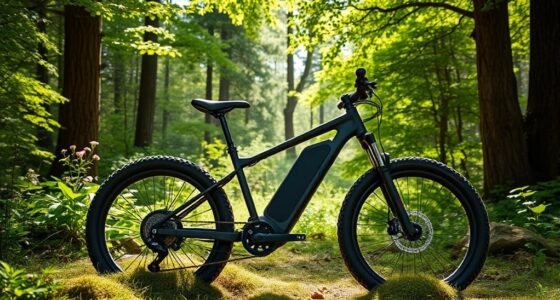
When you’re trying to ride silently, you’ll want to choose electric bikes designed for noise reduction. Look for models with high-quality motors that minimize sound and smooth tires to keep things quiet on various terrains. Don’t forget about accessories like padded grips and shock-absorbing seats; they can help lessen vibrations and noise, too. With the right gear, you’ll ride like the wind, quietly enjoying nature without disturbing its peace.
How Can Silent Riding Be Practiced Safely in Wildlife Areas?
To practice silent riding safely in wildlife areas, focus on noise reduction by using electric bikes or maintaining a steady, quiet pace. Always respect wildlife etiquette: keep your distance from animals, avoid sudden movements, and stay on designated trails. Wear appropriate gear to minimize noise and be mindful of your surroundings. It’s essential to remain aware of any wildlife, ensuring you don’t disturb their natural habitat while enjoying your ride.
quiet trail riding equipment
As an affiliate, we earn on qualifying purchases.
As an affiliate, we earn on qualifying purchases.
Conclusion
Silent riding transforms your wildlife encounters in unexpected ways. Did you know that studies show wildlife is 80% more likely to approach when they can’t hear you coming? This means you can enjoy closer, more intimate moments with nature. By embracing the quiet, you open the door to a world where animals feel safe and curious, allowing for unforgettable experiences. So next time you ride silently, remember: the whispers of nature are waiting just for you.
noise-reducing horse riding accessories
As an affiliate, we earn on qualifying purchases.
As an affiliate, we earn on qualifying purchases.
wildlife observation riding gear
As an affiliate, we earn on qualifying purchases.
As an affiliate, we earn on qualifying purchases.