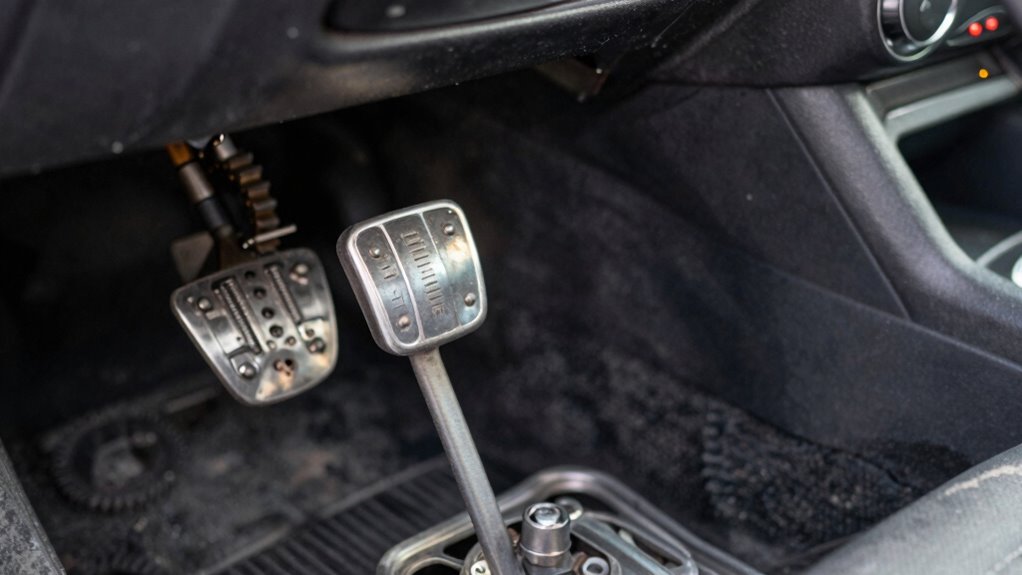

Your clutch usually gives clear warning signs before it fails. You might struggle to shift gears or feel unusual softness or hardness in the pedal. If your clutch slips out of gear or makes strange noises, it’s time to pay attention. A burning smell often signals overheating. Ignoring these symptoms can lead to costly repairs and unexpected breakdowns. Staying aware of these signs can help you maintain your vehicle’s reliability and safety, so there’s more to explore about clutch care.

Get business pricing on garage and car supplies
- Business-only prices and quantity discounts
- Tax-exempt purchasing
- Multiple users, one account, clear invoices
Key Takeaways
- Struggling to shift gears often indicates potential clutch issues that need immediate attention.
- Unusual noises when engaging the clutch can signal wear and tear that shouldn’t be ignored.
- A burning smell may suggest overheating, a critical warning of impending clutch failure.
- Soft or hard clutch pedal responses can reveal underlying problems requiring inspection.
- Regular checks and timely professional help can prevent severe damage and costly repairs.
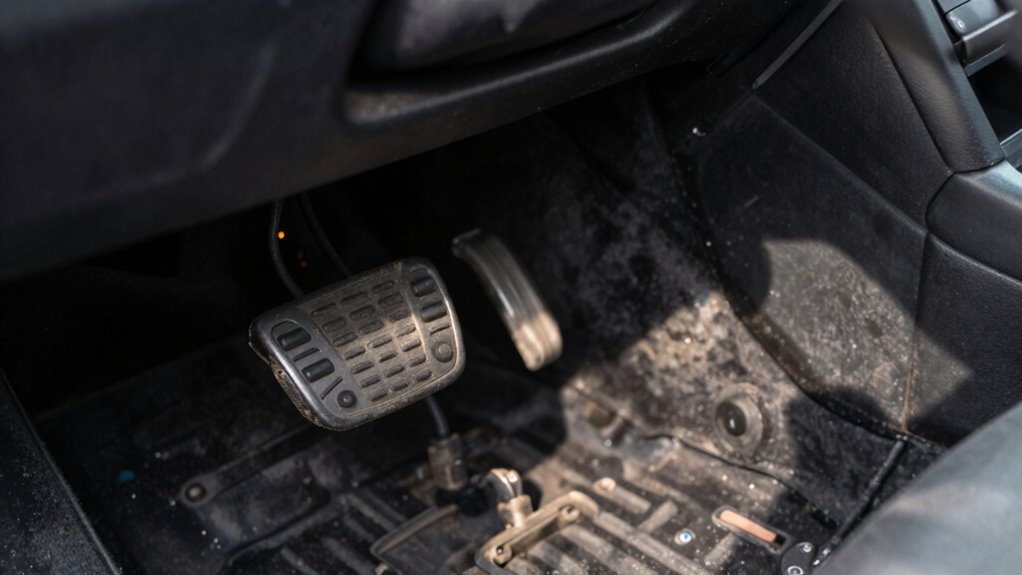
When you notice your car struggling to shift gears, it could be a sign of impending clutch failure. Ignoring this warning can lead to costly repairs or even being stranded on the road. So, it’s essential to pay attention to the common symptoms that your vehicle might be showing. If you feel your car slipping out of gear or if the clutch pedal feels unusually soft or hard, these are indicators that something isn’t right. You may also hear strange noises when you engage the clutch, which can signal that wear and tear have taken their toll.
To avoid clutch failure, you should adopt some clutch maintenance tips. Regularly check your clutch fluid levels, as low fluid can lead to performance issues. If you notice that your clutch pedal sinks to the floor or requires excessive force to engage, it might be time to investigate further. Addressing these issues early can save you from more severe problems down the line. Another effective tip is to avoid riding the clutch. Keeping your foot on the pedal while driving can cause unnecessary wear, leading to premature failure.
You may also want to be mindful of how you drive. If you frequently engage in stop-and-go traffic, practice smooth gear changes. Quick shifts can strain the clutch, leading to a shorter lifespan. When you come to a stop, shift into neutral instead of keeping the clutch engaged. This small adjustment can greatly reduce wear on your clutch system.
Another common symptom of clutch issues is a burning smell, which usually indicates overheating. If you catch a whiff of something unusual, pull over and check your vehicle. Continuing to drive with a burning clutch can cause even more damage and might leave you in a precarious situation.
If you’re experiencing any of these symptoms, don’t hesitate to consult a mechanic. They can provide a thorough inspection and let you know if repairs are necessary. Staying proactive about your vehicle’s health can save you time, money, and stress in the long run. Remember, your car’s clutch often gives you warning signs before it fails. By recognizing these signs and following clutch maintenance tips, you can keep your vehicle running smoothly and safely.
As an affiliate, we earn on qualifying purchases.
Frequently Asked Questions
How Often Should I Check My Clutch for Issues?
You should check your clutch regularly, ideally every few months or before long trips. Look out for clutch symptoms like slipping, difficulty shifting, or unusual noises. These can indicate potential issues. Regular maintenance tips include inspecting the fluid levels and ensuring there’s no excessive wear on the clutch pedal. Staying proactive will help you catch problems early, ensuring your vehicle runs smoothly and preventing costly repairs down the line.
Can Driving Style Affect Clutch Lifespan?
Absolutely, your driving style can impact your clutch lifespan like a hammer hitting a nail. If you’ve got aggressive driving habits, like rapid starts or hard shifts, you’re increasing wear and tear on your clutch. On the other hand, smooth gear changes and gentle starts can promote better clutch maintenance. By paying attention to your driving habits, you can extend the life of your clutch and save money on repairs down the road.
What Is the Average Lifespan of a Clutch?
The average lifespan of a clutch is around 60,000 to 100,000 miles, but it can vary based on driving habits. To prolong its life, pay attention to clutch wear indicators, like slipping or unusual noises. Regularly practicing smooth shifting and avoiding excessive revving can help, too. Don’t forget to follow clutch maintenance tips, such as checking fluid levels and ensuring proper adjustment to keep your clutch in top shape for longer.
Are There Specific Vehicles Prone to Clutch Failure?
If your ride’s a classic chariot, you might notice some vehicles are prone to clutch failure. Cars with softer clutch materials can wear out faster, especially under heavy use. Look out for wear indicators—they’ll signal when it’s time for a replacement. Brands like Volkswagen and certain sports cars often face clutch issues, so keep an eye on performance. Regular maintenance can help you avoid unexpected breakdowns and keep your wheels rolling smoothly.
How Much Does Clutch Replacement Typically Cost?
Clutch replacement typically costs between $1,000 and $2,500, depending on your vehicle and labor rates. If you notice signs slipping, like difficulty shifting or a burning smell, don’t ignore them. Regular clutch maintenance tips can help prolong its life, so keep an eye on your driving habits. Addressing issues early can save you money in the long run and guarantee your vehicle runs smoothly.
Conclusion
To sum up, staying alert to your clutch’s warning signs can save you from costly repairs down the line. Did you know that nearly 70% of clutch failures could’ve been prevented with early detection? By paying attention to unusual noises, changes in pedal feel, or slipping gears, you can catch potential issues before they escalate. So, keep an ear out and a keen eye on your vehicle; your wallet will thank you later!
Columbus Day / Indigenous Peoples' Day Picks
long weekend sales
As an affiliate, we earn on qualifying purchases.