
TL;DR
Four speed cameras recorded approximately 100,000 speeding infractions during a 10-day trial in Malibu, according to the city. No warnings or citations were issued, and Malibu has delayed the planned warning period while it studies traffic patterns in Carbon Canyon and Tuna Canyon.
Malibu has delayed the warning period for its speed-camera pilot after four cameras recorded approximately 100,000 speeding infractions in a 10-day trial in September, city officials said. The cameras have not issued warnings or citations; the city says it is studying traffic patterns in Carbon Canyon and Tuna Canyon before moving forward.

Get business pricing on garage and car supplies
- Business-only prices and quantity discounts
- Tax-exempt purchasing
- Multiple users, one account, clear invoices
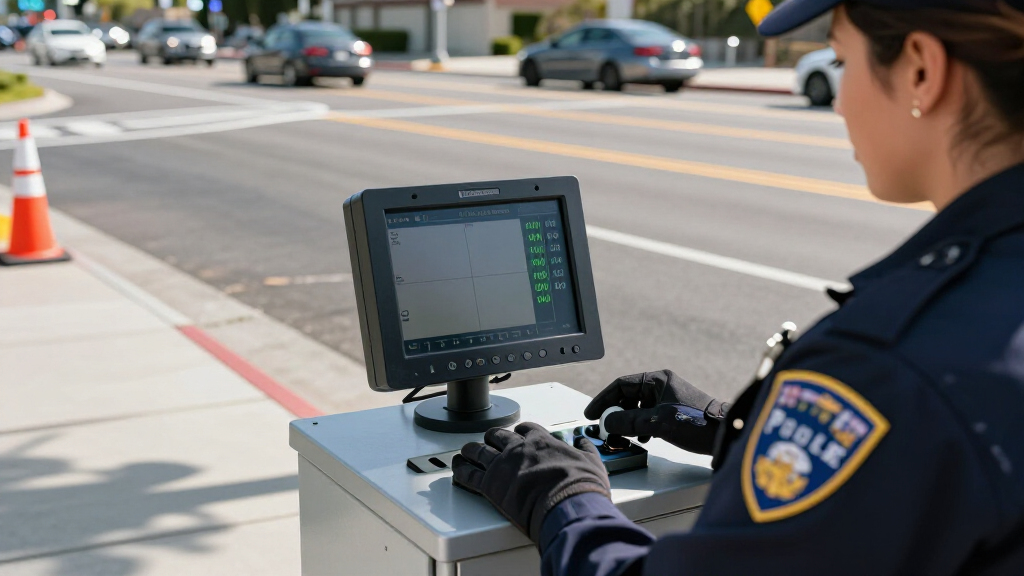
The trial generated a large number of recorded violations in a short period, but none resulted in enforcement action. The city said the cameras are not issuing warnings or citations, accessing driver information from the Department of Motor Vehicles, or taking other enforcement steps. Drivers may see the cameras flash, but the trial records are not tickets.
According to the report by The Drive, most recorded violations were in eastern Malibu. The city is long and narrow, running east to west along Pacific Coast Highway, which is the main focus of the planned enforcement effort. Malibu officials said the unusually high trial count prompted further review of existing traffic patterns in Carbon Canyon and Tuna Canyon, and a delay to the warning period that had been scheduled to follow the test.
Once the system is active, the planned threshold is 11 mph or more above the speed limit. The city’s announced graduated penalties are $50 for driving 11 to 15 mph over the limit, $100 for 16 to 25 mph over, $200 for 26 mph or more over, and $500 for speeds of 100 mph or more. The city has said the program will not add license points or affect insurance, and that revenue will cover system costs and Pacific Coast Highway safety activity.
Why Malibu Is Reviewing the Trial
The trial’s count suggests the planned system could record a high volume of speeding on the roads under review, but the 100,000 figure is not a count of citations. It covers recorded infractions during a limited 10-day test by four cameras, and the source material does not provide a comparison with ordinary traffic volumes or other periods. The number alone cannot establish how many distinct drivers were involved or how typical those days were.
The pause matters to residents and drivers because it postpones when warnings—and later, under the proposed system, fines—might begin. The additional traffic study may affect how the pilot is implemented, including its timing and operational details. Malibu says it intends the cameras to support public safety, particularly along Pacific Coast Highway; whether the program changes driver behavior or improves safety will require performance data over time.
The city has also said it will regularly report program performance and data to the Public Safety Commission and the public. Those reports could help readers evaluate the system beyond a striking raw trial count, including whether it meets its stated safety aims and how its costs and enforcement are managed.
Products Worth Considering

Nextbase 222 1080p HD Dash Cam with 140° Viewing Angle

VIOFO A229 Plus Dual-Channel 2K Dash Cam with Front and Rear HDR
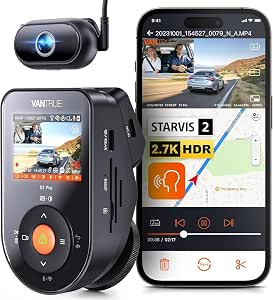
Vantrue S1 Pro DMS 2.7K Dash Cam Front and Inside with STARVIS 2 AI
As an affiliate, we earn on qualifying purchases.
How the Camera Trial Was Set Up
Malibu’s pilot uses dedicated traffic-enforcement cameras, according to The Drive’s report. During the September test, the devices recorded speeding infractions but did not issue penalties. A warning period was expected to follow the trial, but the city delayed that step while it reviews traffic conditions in the two named canyon areas and completes installation changes and traffic studies.
The city’s stated plan sets a graduated fine schedule based on how far a vehicle is above the posted limit, beginning at 11 mph over. In a September newsletter, the city said no license points or insurance penalties would apply. It also said funds raised would be used only for system costs and Pacific Coast Highway safety activity. These are descriptions of the city’s planned program; the trial itself did not impose those fines.
“The cameras are not currently issuing warnings or citations, accessing driver information from the DMV, or taking enforcement action.”
— City of Malibu, in a statement reported by KTLA
What the Trial Numbers Cannot Show
The source material does not specify the exact dates of the 10-day trial, how the city defined and counted each recorded infraction, or whether a single vehicle could have been recorded more than once. It also gives no traffic-volume baseline, so the approximately 100,000 records cannot be translated into a rate or compared with typical daily conditions from the information available.
The city has not provided a new start date for the warning period in the reported material. Details of the traffic studies, any changes to camera installation or placement, and the timing of active enforcement remain unclear. The reported planned fine schedule and privacy assurances describe the city’s stated program, not results from an operational enforcement period.
Traffic Studies Before Warnings Begin
Malibu says it will continue reviewing the trial data, complete necessary installation changes, and study traffic patterns in Carbon Canyon and Tuna Canyon. The city has not announced when the warning period will begin. Further details should clarify whether the review leads to adjustments in the rollout or camera setup.
Once the program proceeds, the city has said it will report performance and data regularly to the Public Safety Commission and the public. Those updates will be the next opportunity to assess how many warnings or citations are issued, how the system is operating, and whether Malibu reports changes relevant to its stated public-safety goals.
Key Questions
Were drivers fined during the 10-day Malibu trial?
No. Malibu said the cameras did not issue warnings or citations and took no enforcement action during the trial. The approximately 100,000 recorded infractions were not tickets.
Why did Malibu delay the warning period?
The city delayed the planned warning period to review traffic patterns in Carbon Canyon and Tuna Canyon, and to complete installation changes and traffic studies, according to the city’s statement.
How many cameras recorded the trial’s violations?
Four cameras recorded approximately 100,000 speeding infractions over 10 days, according to the report. The source material does not give a traffic-volume baseline or say how many distinct drivers were recorded.
What fines are planned when enforcement begins?
The city’s announced schedule starts at $50 for driving 11 to 15 mph over the limit, rising to $100 for 16 to 25 mph over, $200 for 26 mph or more over, and $500 for speeds of 100 mph or more. The city has said the program will not add license points or affect insurance.
When will the warning period start?
No new start date has been reported. Malibu says it is continuing traffic studies and installation work before proceeding.
Source: rss