

IMU-based rider aids might sound futuristic, but their goal is straightforward: to enhance your cycling experience. By integrating simple sensors like gyroscopes and accelerometers, these aids monitor your bike’s position, speed, and movement in real-time. They help you maintain control in tricky conditions, making even intimidating rides feel exhilarating. With continuous innovations, safety and confidence are just a ride away. Discover how these technologies can transform your time on two wheels.

Get business pricing on garage and car supplies
- Business-only prices and quantity discounts
- Tax-exempt purchasing
- Multiple users, one account, clear invoices
Key Takeaways
- IMU-based rider aids utilize basic sensor technology to enhance safety and control for riders in real-time scenarios.
- The goal is to transform challenging rides into enjoyable experiences through intuitive adjustments.
- Advanced integration of gyroscopes and accelerometers allows for effective monitoring of bike dynamics.
- Continuous rider feedback informs improvements, making the technology user-friendly for all skill levels.
- These systems prioritize safety by modulating braking and traction, making riding more secure and accessible.
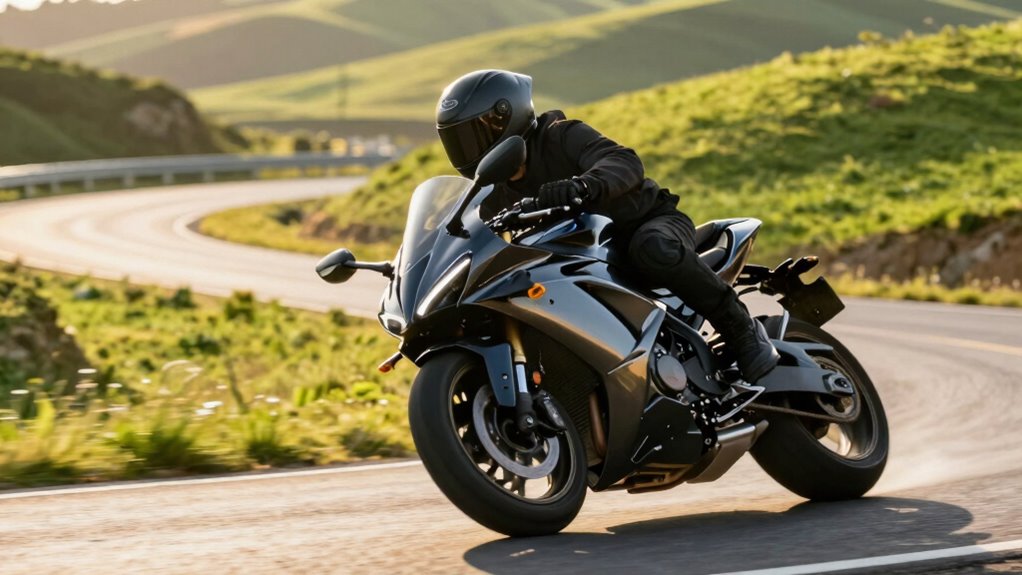
As you take to the road, IMU-based rider aids are here to enhance your riding experience. These systems leverage advanced sensor integration to monitor your bike’s dynamics in real-time, ensuring a seamless blend of technology and riding pleasure. You might think of these aids as futuristic, but their core goal is simple: to make every ride safer and more enjoyable.
By utilizing a combination of gyroscopes and accelerometers, these systems gather essential data about your bike’s position, speed, and movement. This data analysis allows for instant adjustments to various safety features, helping you maintain control even in challenging conditions. Imagine leaning into a turn with confidence, knowing that your bike is equipped to assist you if things go awry. That’s the beauty of performance enhancement brought to life through technology.
Harnessing gyroscopes and accelerometers, these systems enhance control, ensuring a confident ride even in challenging conditions.
Market trends reveal a growing demand for these intuitive solutions. Riders today aren’t just seeking powerful machines; they want smarter bikes that can adapt to their needs. IMU-based rider aids are at the forefront of this shift, showcasing how technological advancements can elevate user experience. The integration of these systems isn’t just about adding bells and whistles; it’s about creating a more responsive and engaging ride.
Rider feedback plays an important role in shaping these innovations. Manufacturers listen closely to what you want and need, and they refine their systems based on real-world experiences. This collaboration between technology and rider insights makes these aids more effective and user-friendly. Whether you’re a seasoned pro or a novice, the benefits of these systems are palpable.
With safety features designed to prevent accidents and enhance overall control, you can ride with greater peace of mind. These aids can adjust braking power or modulate traction to keep you upright when the road gets slippery. You might find that what once felt like an intimidating ride transforms into a thrilling adventure, all thanks to the support of integrated technology. Additionally, understanding sensor integration can help you appreciate how these systems work behind the scenes to improve safety and performance. Recognizing how sensor data processing contributes to real-time adjustments further highlights the sophistication of these systems. Staying informed about sensor technology can also help you better understand the ongoing innovations in rider safety.
As an affiliate, we earn on qualifying purchases.
Frequently Asked Questions
What Is an IMU, and How Does It Work?
An IMU, or Inertial Measurement Unit, is a sensor technology that tracks motion by measuring acceleration and angular velocity. It uses accelerometers and gyroscopes to detect changes in position and orientation. When you move, the IMU captures this data, which helps in motion tracking for various applications, like gaming or navigation. By processing this information, it provides real-time feedback, making it essential for enhancing user experience in many tech-driven environments.
Are Imu-Based Systems Safe for All Riders?
IMU-based systems can enhance rider safety, but they’re not foolproof. While they offer reliable technology that aids in balance and stability, their effectiveness can vary based on factors like rider experience and environmental conditions. You should understand that no technology’s perfect; it can’t replace good judgment and skill. Embracing this tech can improve your ride, but always stay aware and adapt to your surroundings for the best safety outcomes.
How Much Do Imu-Based Rider Aids Cost?
IMU-based rider aids typically range from $100 to $1,500, depending on features and brand. When you conduct a cost analysis, you’ll notice that prices reflect advancements in technology and safety enhancements. Market trends indicate a growing demand for these systems, which could lead to competitive pricing in the future. If you’re considering investing, it’s wise to compare options to find the best fit for your needs and budget.
Can IMU Technology Be Used in Other Sports?
Imagine a coach whispering secrets to athletes through sensors. That’s what IMU applications do in various sports. You’ll find them enhancing athletic performance in everything from gymnastics to skiing. By integrating sensors into training gear, you’ll gather essential data for analysis. This feedback helps you refine techniques and boost your skills, making every movement count. So, whether you’re on a track or a field, IMU tech can elevate your game!
What Brands Offer Imu-Based Rider Aids?
Several brands offer IMU-based rider aids, including Garmin, Wahoo, and Cateye. These companies leverage technology advancements to enhance your riding experience. When you explore brand comparisons, you’ll notice differences in features like accuracy, durability, and user interface. Garmin, for instance, focuses on extensive data analysis, while Wahoo emphasizes connectivity. By evaluating these options, you can choose the best IMU-based rider aid to suit your needs and improve your performance on the road.
Conclusion
Incorporating IMU-based rider aids might seem cutting-edge, but their goal is straightforward: enhancing safety and control. As the saying goes, “The best defense is a good offense.” By embracing these technologies, you’re not just riding; you’re actively investing in your own safety and enjoyment. So, whether it’s a twist of the throttle or a lean into a turn, these aids help guarantee every ride is smoother and more secure. Ride smart, ride safe!
Halloween Picks
halloween
As an affiliate, we earn on qualifying purchases.