
TL;DR

Get garage and car supplies delivered free — and shop member deals
- Fast, free delivery on millions of items
- Access to Prime Big Deal Days deals on October 6–7
- Prime Video, Amazon Music and more included
Zoox announced its comprehensive safety testing process for its autonomous robotaxis, aiming to meet regulatory standards before commercial deployment. The protocol emphasizes rigorous testing, safety assurance, and compliance.
Zoox has publicly detailed its safety testing protocols for its autonomous robotaxi fleet, aiming to demonstrate compliance with safety standards before launching commercially. The company’s plan emphasizes rigorous testing procedures designed to ensure passenger safety and meet regulatory requirements, marking a significant step in its path toward deployment.
Zoox’s safety testing procedures, as outlined in its recent announcement, include a multi-phase approach involving extensive on-road and simulated testing. The company plans to conduct thousands of miles of autonomous driving under varied conditions, with a focus on safety-critical scenarios. These protocols are designed to align with federal and state safety standards, including those set by the National Highway Traffic Safety Administration (NHTSA). According to Zoox, the testing will involve both controlled environments and public roads, with continuous monitoring and data collection to identify and mitigate potential safety risks. The company states that its testing will adhere to strict safety protocols, including backup systems and manual override capabilities, to ensure passenger safety at all times.Zoox has also emphasized transparency in its testing process, promising to share safety data with regulators and the public as part of its compliance efforts. The company is working closely with regulatory agencies to validate its testing procedures and gain approval for commercial deployment. While specific timelines for launch remain unconfirmed, Zoox asserts that its safety testing is progressing according to plan, with regulatory review ongoing.
Implications of Zoox’s Testing Protocols for Autonomous Vehicle Deployment
This announcement underscores Zoox’s commitment to safety as a priority in deploying autonomous vehicles commercially. The detailed testing protocols aim to address regulatory concerns and build public trust in robotaxis. Successful completion of these rigorous tests could accelerate regulatory approval and pave the way for broader adoption of autonomous ride-hailing services. For consumers, this signals a move toward safer, more reliable autonomous transportation options, but it also highlights the ongoing need for oversight and transparency in the industry.
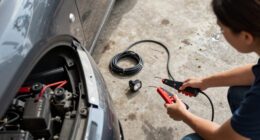
autonomous vehicle safety testing equipment
As an affiliate, we earn on qualifying purchases.
As an affiliate, we earn on qualifying purchases.
Regulatory and Industry Standards Shaping Zoox’s Testing Approach
Zoox’s safety testing plan comes amid increasing regulatory scrutiny of autonomous vehicle deployments in the United States. The company has been preparing for extensive testing since receiving approval for limited public road testing in California. Industry-wide, companies like Waymo and Cruise have also been conducting rigorous safety evaluations, often sharing data with regulators. The push for standardized safety protocols and transparent testing procedures reflects a broader effort to ensure autonomous vehicles can operate safely in complex environments. Zoox’s approach aligns with recent regulatory guidance emphasizing safety assurance and public accountability.
“Our safety testing protocols are designed to meet and exceed current regulatory standards, ensuring passenger safety and public confidence.”
— Zoox spokesperson
Uncertainties Surrounding Regulatory Approval and Deployment Timeline
While Zoox has outlined its safety testing protocols, it is not yet clear when the company will receive formal regulatory approval for commercial deployment. The specific criteria regulators will require and how Zoox’s testing results will influence approval decisions remain uncertain. Additionally, the timeline for widespread deployment is still undefined, with possible delays depending on regulatory feedback and safety performance during testing.
Next Steps in Zoox’s Safety Certification and Market Entry
Zoox will continue its extensive testing and data collection, working closely with regulators to validate its safety protocols. The company expects to submit safety reports and seek formal approval within the coming months. Once approved, Zoox aims to commence limited public operation, gradually expanding its service area as safety data accumulates. Monitoring regulatory responses and safety performance will be crucial in determining the pace of market entry.
Key Questions
What specific safety measures does Zoox’s testing include?
Zoox’s testing includes thousands of miles of simulated and on-road driving under varied conditions, with a focus on safety-critical scenarios. It involves backup systems, manual overrides, and continuous data collection to identify and address potential safety risks.
When might Zoox’s robotaxi service become available to the public?
There is no confirmed timeline yet. Zoox is currently working with regulators and expects to seek approval in the near future, but deployment depends on regulatory review and safety performance.
How does Zoox’s safety testing compare to other autonomous vehicle companies?
Zoox emphasizes comprehensive safety protocols, including extensive testing miles and transparent data sharing, which may set a higher standard. Companies like Waymo and Cruise also conduct rigorous testing, but specifics vary across firms.
What are the main regulatory hurdles for Zoox’s deployment?
Regulators require proof that autonomous vehicles can operate safely in complex environments. Zoox must demonstrate its safety protocols meet or exceed existing standards, and approval timelines depend on regulatory assessments of its testing data.
Source: rss
Fall Picks
fall essentials
As an affiliate, we earn on qualifying purchases.