
TL;DR

Get business pricing on garage and car supplies
- Business-only prices and quantity discounts
- Tax-exempt purchasing
- Multiple users, one account, clear invoices
Honda and Nissan are partnering to develop the core AI systems for future autonomous vehicles. This collaboration aims to accelerate innovation in automotive AI, marking a significant industry shift. Details are still emerging.
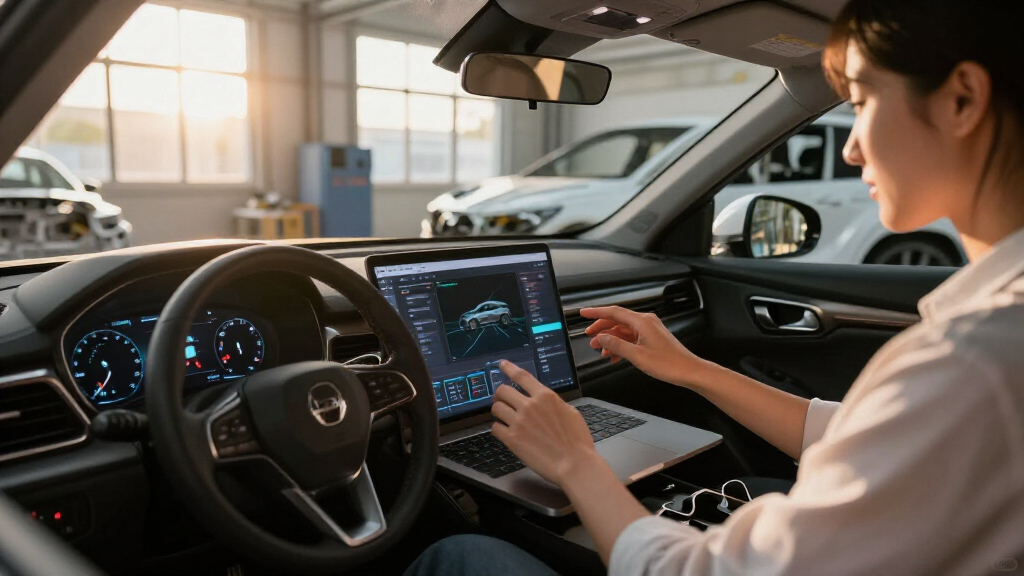
Honda and Nissan have announced a strategic partnership to jointly develop the central AI systems that will power autonomous vehicles in the future. The collaboration aims to combine their technological expertise to accelerate the deployment of advanced driver-assistance and self-driving features, a move that could reshape automotive industry standards and competition.
The partnership was publicly disclosed on March 2024, with both automakers emphasizing their commitment to innovation in vehicle intelligence. While specific technical details remain under wraps, sources indicate that the joint venture will focus on developing integrated AI hardware and software platforms designed to enhance vehicle safety, efficiency, and autonomous capabilities.
Industry analysts suggest that this collaboration reflects a broader trend among major automakers to pool resources for AI development, given the high costs and rapid pace of technological change. The companies have not disclosed financial arrangements or timelines for product deployment, but insiders suggest initial prototypes could emerge within the next two years.
Why Honda and Nissan’s Partnership Is Industry-Wide Impactful
This collaboration signals a significant shift in the automotive sector, where automakers are increasingly partnering to develop core AI systems rather than developing proprietary solutions independently. It could lead to faster innovation cycles, reduced costs, and more standardized autonomous driving features across different vehicle brands. For consumers, this may translate into more reliable, safer, and affordable autonomous vehicles in the near future.
Furthermore, the alliance might influence competitors to consider similar partnerships, potentially reshaping the competitive landscape of automotive AI development. It underscores the importance of cross-company collaboration in tackling the complex challenges of autonomous driving, including safety, regulation compliance, and user acceptance.
As an affiliate, we earn on qualifying purchases.
Industry Trends Toward Collaborative AI Development
Over recent years, the automotive industry has seen a surge in partnerships aimed at advancing autonomous vehicle technology. Major players like Tesla, GM, and Ford have invested heavily in AI and sensor tech, but the high costs and technical challenges have driven many to seek collaborations. The trend toward shared AI platforms is partly driven by the need to meet regulatory standards and consumer expectations for safety and reliability.
Until now, most automakers have focused on in-house development or exclusive supplier relationships for their autonomous systems. The Honda-Nissan partnership marks a notable departure, emphasizing a collective approach to creating the ‘brains’ of future cars, which could lead to more interoperable and scalable autonomous solutions.
Unanswered Questions About the Collaboration’s Scope
Details about the specific technologies being developed, the scope of shared hardware versus software, and the timeline for commercial deployment remain unclear. It is also uncertain how the partnership will address regulatory hurdles and safety standards across different markets. Additionally, the extent of each company’s contribution and the potential impact on existing proprietary systems are still evolving topics.
Next Steps and Industry Implications
Both companies are expected to provide further details in the coming months, including technical milestones and pilot programs. Industry observers will monitor whether this partnership leads to standardized AI platforms or sparks similar collaborations among other automakers. Regulatory agencies may also scrutinize the joint development efforts, especially concerning safety and data privacy.
Key Questions
What specific AI technologies are Honda and Nissan developing?
Details remain undisclosed, but the focus appears to be on integrated hardware and software platforms for autonomous vehicle control, safety, and efficiency.
Will this partnership affect existing vehicle models?
It is too early to say, but future models may incorporate the jointly developed AI systems, potentially leading to more consistent autonomous features across brands.
How will this impact competition in autonomous vehicle development?
The collaboration could accelerate industry-wide innovation, prompting competitors to pursue similar alliances or accelerate in-house development efforts.
When might we see vehicles with this new AI system on the road?
Initial prototypes are expected within the next two years, with commercial deployment possibly several years after that, depending on regulatory approval and testing outcomes.
Source: rss
Halloween Picks
halloween
As an affiliate, we earn on qualifying purchases.