
TL;DR

Get business pricing on garage and car supplies
- Business-only prices and quantity discounts
- Tax-exempt purchasing
- Multiple users, one account, clear invoices
A three-year-old Tesla Model Y has exceeded 100,000 miles with minimal fast-charging, demonstrating impressive battery longevity. This case raises questions about EV battery durability and charging practices.
A three-year-old Tesla Model Y has surpassed 100,000 miles with minimal reliance on fast-charging, according to owner reports. This development underscores the vehicle’s battery durability and could influence consumer confidence in electric vehicle longevity and charging infrastructure.
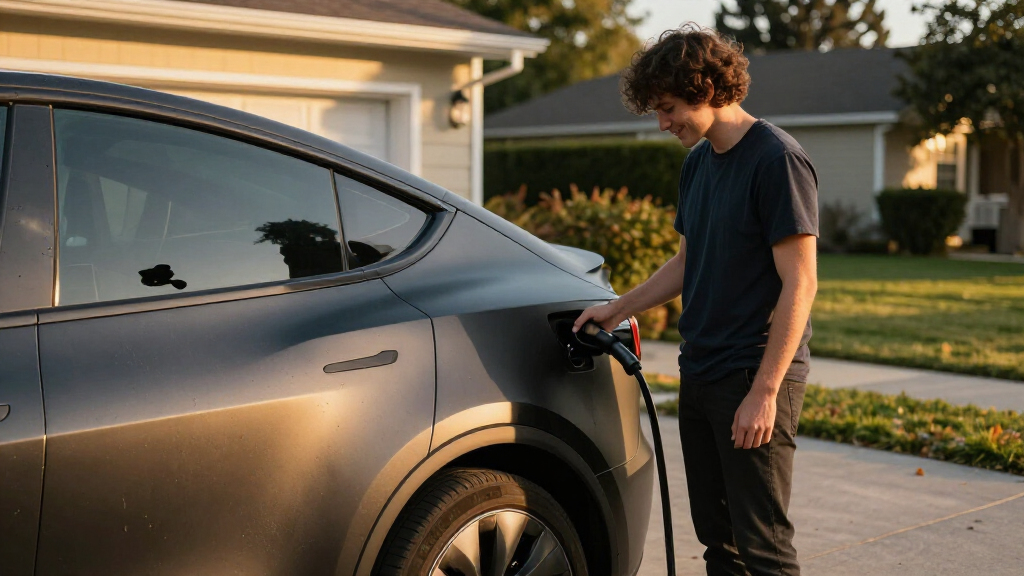
The owner of the Tesla Model Y, who has maintained detailed records, states that the vehicle has driven over 100,000 miles since its purchase three years ago. Remarkably, the car has required only a small number of fast-charging sessions, with most charging occurring via regular AC chargers at home or workplaces. This suggests that the battery’s capacity and health have remained largely intact over this period, despite high mileage.
Automotive experts note that Tesla’s battery management system (BMS) and thermal controls are designed to preserve battery health over time. The owner reports that the vehicle’s range has decreased only slightly, from an original estimate of 330 miles to approximately 310 miles, which aligns with expected battery aging. Tesla’s warranty covers battery capacity loss up to 70%, and this vehicle appears to be performing well within those limits.
Industry analysts highlight that such long-term durability is a key factor in EV adoption, and this case could serve as a real-world example of Tesla’s battery longevity. The owner also attributes the vehicle’s performance to careful charging habits, including avoiding excessive fast-charging sessions and maintaining optimal charging levels.
Implications for EV Battery Longevity and Consumer Confidence
This case demonstrates that Tesla’s battery technology can sustain high mileage with minimal degradation, which may boost consumer confidence in electric vehicles’ long-term reliability. It also raises questions about best practices for charging habits to maximize battery lifespan. As EV adoption accelerates, real-world data like this can influence perceptions of total cost of ownership and vehicle durability, potentially impacting resale values and manufacturer reputation.
As an affiliate, we earn on qualifying purchases.
Long-Term Battery Performance in Electric Vehicles
Electric vehicle batteries, particularly lithium-ion types used by Tesla, are subject to degradation over time and mileage. Historically, many owners report varying degrees of capacity loss after 50,000 to 100,000 miles, with some studies indicating significant degradation in certain models. Tesla has consistently emphasized its battery management system’s role in extending battery life, and recent reports suggest that well-maintained batteries can perform effectively beyond 100,000 miles. However, comprehensive long-term data remains limited, and individual experiences vary based on driving, charging habits, and climate.
This latest report adds to a growing body of anecdotal evidence that Tesla’s batteries may be more durable than some skeptics have predicted. The influence of charging practices—such as avoiding frequent fast-charging—continues to be a key factor in maintaining battery health, according to industry experts.
Unverified Aspects of Battery Condition and Charging Habits
It is not yet confirmed how representative this case is of Tesla vehicles in general. Details about the owner’s exact charging patterns, climate conditions, and driving style remain limited. Additionally, comprehensive battery diagnostic data is unavailable, leaving some questions about the precise state of the battery’s internal health and capacity.
Monitoring Long-Term Battery Performance and Broader Data Collection
Further long-term data collection from Tesla owners will be needed to verify whether this case reflects a broader trend. Industry researchers and Tesla itself may analyze aggregated data to assess battery longevity across different models and driving conditions. Future reports could clarify how charging habits and environmental factors influence battery health over extended periods.
Key Questions
How typical is this level of battery durability in Tesla vehicles?
While anecdotal reports like this are promising, comprehensive data across many vehicles is needed to determine how typical this durability is. Tesla’s battery management system is designed to preserve battery health, but individual results vary based on usage patterns.
Does minimal fast-charging extend battery life?
Experts suggest that avoiding frequent fast-charging can help preserve battery capacity over time, as fast-charging generates more heat and stress on the battery. This case supports that idea, but more data is needed for conclusive evidence.
What does this mean for Tesla owners and potential buyers?
This case may boost confidence in Tesla’s long-term battery performance, especially for owners who maintain moderate charging habits. However, individual results may vary, and proper charging practices remain important.
Are there any risks to relying on this kind of battery performance data?
Yes. Single cases do not guarantee similar results across all vehicles. Variations in driving environment, maintenance, and usage can significantly impact battery longevity. Broader data is necessary for definitive conclusions.
Source: rss
Fall Picks
fall essentials
As an affiliate, we earn on qualifying purchases.