TL;DR

Get garage and car supplies delivered free — and shop member deals
- Fast, free delivery on millions of items
- Access to Prime Big Deal Days deals on October 6–7
- Prime Video, Amazon Music and more included
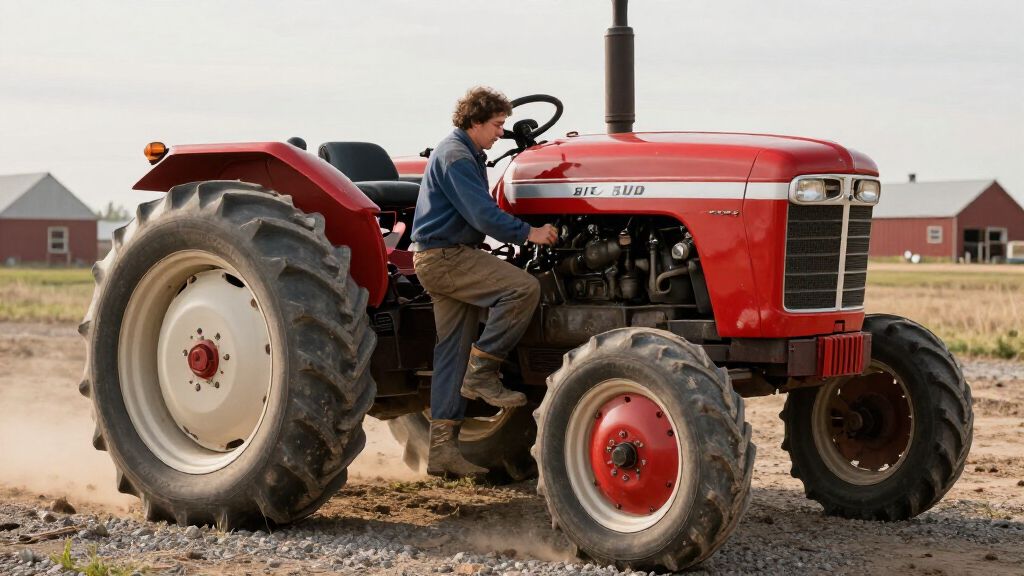
Welker Farms in Montana has completed a roughly seven-month rebuild of a 1977 Big Bud KT-450, converting it into a custom 700-horsepower tractor now working the farm’s wheat harvest. The project combined $114,700 in farm spending with $104,900 in sponsor-provided products, according to The Drive; the farm says the tractor is intended as a serviceable working piece of history, not a bid for the largest-tractor title.
Welker Farms in Montana has completed the rebuild of a 1977 Big Bud KT-450, converting it into a custom 700-horsepower tractor that is now working during the farm’s wheat harvest. The 10,000-acre operation says the machine is meant to put a historic tractor back to work and remain serviceable, rather than claim the title of the world’s largest tractor.
The finished tractor, called a Big Bud 700, has a Cummins KTTA engine rated at 700 horsepower and an Allison 6000 Series transmission, according to The Drive’s report, which cites Welker Farms’ YouTube video. The rebuild replaced the tractor’s original 19-liter diesel with a compound-turbo engine of the same displacement. The machine weighs about 52,000 pounds full of fuel, without ballast, the report said.
The project also involved substantial changes to the running gear. The tractor has Caterpillar axles rated at 75,000 pounds, custom Wold wheels and Titan 1400 LSW tires. The tires were large enough that the original fenders had to be modified to accommodate them, according to the report. The farm’s video and The Drive describe the tractor moving from a bare frame to a working machine over roughly seven months.
Welker Farms spent $114,700 of its own money, while sponsors supplied products valued at $104,900, The Drive reported. The project involved about 4,000 hours of work. The report estimated that hiring a professional shop at $150 an hour for the labor would add $600,000, putting the hypothetical total at about $820,000. That figure is an estimate of what the work could have cost if outsourced, not a reported final cash bill paid by the farm.
A Historic Tractor Back in the Field
The rebuild matters to the farm because it has returned a decades-old machine to active agricultural work, rather than leaving it as a display piece. Welker Farms says the tractor’s design and the project’s approach make it more serviceable than some modern equipment. That could matter during harvest, when a breakdown can interrupt field work, although the source does not provide operating-cost or reliability data from the tractor’s time in service.
The project also illustrates the trade-offs behind restoring specialist farm machinery. The farm and sponsors invested substantial money and labor in a machine with custom components, but the result is a tractor the operation says it can maintain and use. The source reports that the Big Bud is expected to exert less soil compaction than the larger Big Bud 747, but it does not provide measurements or a direct comparison under field conditions.
large farm tractor tires Titan 1400 LSW
As an affiliate, we earn on qualifying purchases.
As an affiliate, we earn on qualifying purchases.
How the Big Bud 700 Was Built
The restored tractor began as a 1977 Big Bud KT-450, built in Montana during the 1970s. Welker Farms already owns three Big Bud tractors, according to The Drive. The farm’s rebuild substantially updated the original machine while retaining its identity as a Big Bud and putting it back to work on the property.
The report distinguishes the restored tractor from the Big Bud 747, which it identifies as the largest tractor. The 747 has a Detroit Diesel 16V71 engine and is described as 14 feet tall and 25 feet wide. The Big Bud 700 is therefore one of the world’s largest tractors, but the source does not say it surpasses the 747. Welker Farms’ stated purpose was to have a historic tractor working on the farm, not to set a size record.
“Having the biggest tractor out there was never the point in building this Big Bud 700.”
— Welker Farms, as described in The Drive’s report
Operating Results Still Unreported
The source confirms that the tractor is working during the wheat harvest, but does not report how many acres it has covered, its fuel use, field performance or whether it has experienced mechanical problems since returning to service. It also provides no measured soil-compaction comparison with the Big Bud 747 or modern tractors. The $820,000 figure is a hypothetical outsourced-project estimate, not a verified sale price or the farm’s cash expenditure. The source does not specify the date of the harvest or the report.
Harvest Work Will Test the Rebuild
The immediate next step is continued work in the farm’s wheat harvest, where the tractor’s performance and service needs can be observed in routine use. Welker Farms has not, in the source material, announced a further restoration milestone or shared a detailed plan for the machine after harvest. The farm’s report that three generations work at the operation suggests the tractor may remain in use there, but its long-term schedule and upkeep costs have not been specified.
Key Questions
What tractor did Welker Farms rebuild?
The Montana farm rebuilt a 1977 Big Bud KT-450 as a custom machine it calls the Big Bud 700.
How powerful is the restored Big Bud?
The rebuilt tractor uses a 700-horsepower Cummins KTTA engine, paired with an Allison 6000 Series transmission, according to The Drive’s report.
Is the Big Bud 700 the world’s largest tractor?
No. The source identifies the Big Bud 747 as the largest tractor. Welker Farms’ rebuilt machine is described as one of the world’s largest.
How much did the rebuild cost?
Welker Farms spent $114,700, and sponsors contributed products valued at $104,900, The Drive reported. A separate $820,000 figure estimates what the project might have cost if hired out to a professional shop; it is not the farm’s reported cash outlay.
Why did the farm restore an older tractor?
The farm’s stated aims were to return a piece of agricultural history to work and have a machine it considers easy to service. The source does not provide measured comparisons of reliability or operating costs.
Source: rss
Fall Picks
fall essentials
As an affiliate, we earn on qualifying purchases.