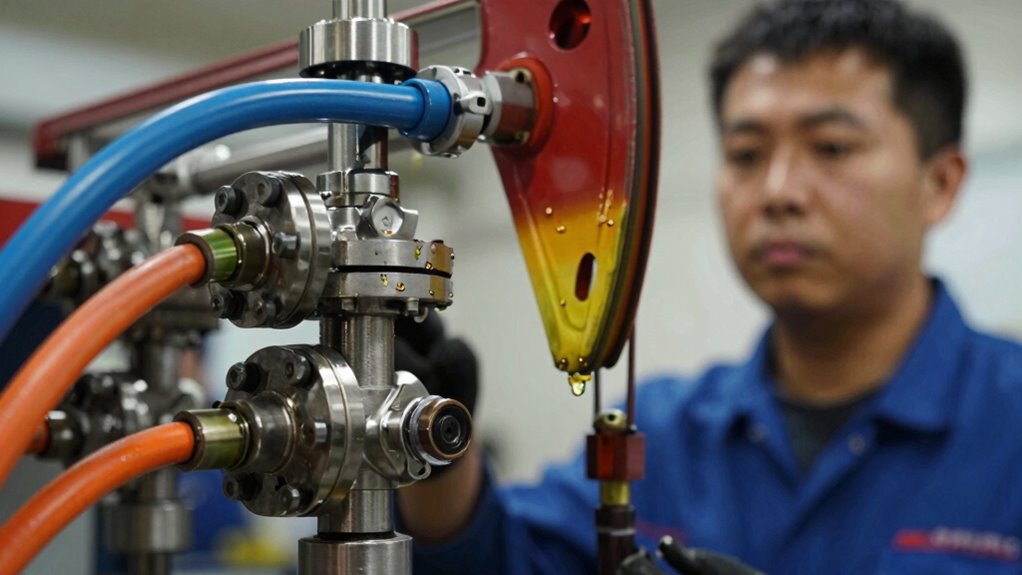
Oil injection confusion clears up once you grasp how the system works. It automatically delivers the right amount of oil to critical engine components, ensuring peak performance and extending your engine’s lifespan. Unlike traditional mixtures, you won’t have to worry about oil accuracy. This precise delivery not only enhances efficiency but also reduces emissions, supporting environmental goals. By understanding this technology better, you’ll appreciate its effectiveness even more and discover how it can transform your engine management.

Get business pricing on garage and car supplies
- Business-only prices and quantity discounts
- Tax-exempt purchasing
- Multiple users, one account, clear invoices
Key Takeaways
- Oil injection systems deliver precise oil amounts to specific engine components, enhancing performance and reducing confusion about lubrication methods.
- Unlike traditional systems, oil injection eliminates concerns about mixing accuracy by automatically providing optimal lubrication where needed.
- The mechanism uses a pump to inject oil directly, ensuring targeted delivery and minimizing the risk of engine damage.
- Efficient oil use results in fewer emissions, supporting environmental sustainability while improving overall engine efficiency.
- Understanding oil injection simplifies engine management and boosts confidence in maintaining optimal lubrication without the need for manual mixing.
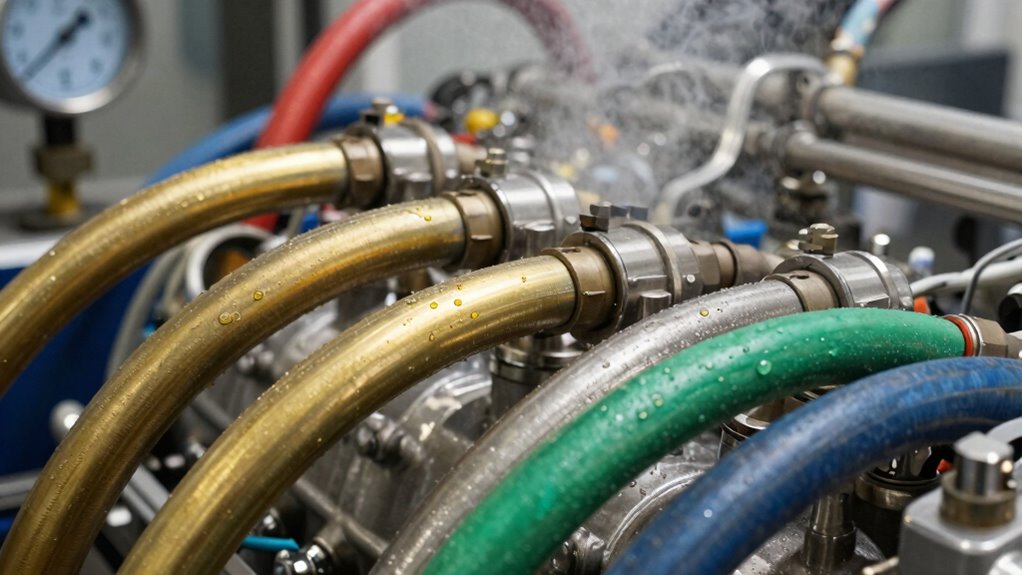
Oil injection systems can be a source of confusion, especially if you’re new to the mechanics behind them. You may wonder why they’re essential for your engine’s performance and how they differ from traditional oil mixture systems. Understanding the fundamentals of injection mechanics can clear up that confusion and help you appreciate the technology at play.
When you think about oil injection, picture how it delivers the right amount of oil directly to specific engine components. Unlike traditional methods that require you to mix oil with fuel, these systems automatically provide lubrication where it’s needed most. This not only enhances performance but also extends the lifespan of your engine. You won’t have to worry about getting the oil mixture just right; the system does that for you.
The key to grasping oil injection systems lies in their precision. These systems often use a pump to inject oil into the fuel stream or directly into the combustion chamber. This targeted approach allows for ideal lubrication and reduces the risk of engine damage. As a result, you’ll notice smoother operation and improved efficiency. You can think of it as having a personal assistant for your engine, ensuring everything runs smoothly without your constant oversight. Proper system calibration is essential for optimal performance and longevity.
The precision of oil injection systems ensures optimal lubrication, enhancing engine efficiency and providing worry-free performance.
In addition to convenience, oil injection systems also contribute to environmental benefits. Since they use oil more efficiently, they produce fewer emissions compared to traditional methods that rely on a mixed fuel-oil ratio. This means you’re not just taking care of your engine; you’re also doing your part for the planet. You’ll feel good knowing that your choice in technology aligns with broader sustainability goals. Understanding oil injection mechanics can help you better appreciate these environmental advantages.
Getting the hang of oil injection systems requires a bit of learning, but it’s worth the effort. Once you understand how injection mechanics work, you’ll feel more confident in managing your engine. You’ll appreciate the simplicity and effectiveness of this technology, freeing you from the worry of mixing oil and fuel. Learning about engine lubrication and how it interacts with injection systems can further enhance your understanding of their benefits.
Frequently Asked Questions
How Does Oil Injection Differ From Traditional Oil Systems?
Oil injection differs from traditional systems by delivering oil directly to specific engine parts, enhancing lubrication efficiency. Instead of relying on a sump, it guarantees ideal oil flow where it’s needed most, reducing waste and wear. You’ll notice that this method maintains consistent lubrication under various conditions, improving engine performance. In contrast, traditional systems often circulate oil throughout the engine, which can lead to uneven distribution and less effective lubrication.
Can I Convert My Engine to an Oil Injection System?
Yes, you can convert your engine to an oil injection system, but it’s a significant engine modification. You’ll need to ascertain the new system’s oil delivery matches your engine’s requirements. This usually involves installing a new oil pump, modifying fuel lines, and adjusting the carburetor or electronic controls. It’s essential to research thoroughly or consult a professional to guarantee a successful and efficient conversion, preventing potential issues down the line.
What Are Common Issues With Oil Injection Systems?
They say, “An ounce of prevention is worth a pound of cure.” Common issues with oil injection systems include oil pump failures, injector clogs, and system leaks. If you don’t keep up with regular maintenance, these problems can lead to costly repairs. Clogs can restrict oil flow, while leaks may cause your engine to run dry. Staying proactive with maintenance can help you avoid these headaches and keep your engine running smoothly.
How Often Should I Service an Oil Injection System?
You should service your oil injection system every 100 hours of operation or annually, whichever comes first. Regular maintenance keeps your system running smoothly. For oil change frequency, check your manufacturer’s guidelines, as it varies by model. Always monitor oil levels and look for leaks or clogs. Follow these maintenance tips, and you’ll prolong the life of your system while ensuring peak performance. Don’t skip those routine checks!
Are There Specific Oils Recommended for Injection Systems?
Yes, specific oils are recommended for injection systems. In fact, using the right synthetic oil can improve your engine’s efficiency by up to 30%. Look for oils with the correct oil viscosity to guarantee proper lubrication. A 2-stroke oil designed for injection systems usually works best, as it burns clean and reduces carbon buildup. Always check your manufacturer’s guidelines to pick the ideal oil for your engine’s needs.
Conclusion
Once you grasp how the oil injection system works, the confusion fades like a foggy morning giving way to sunshine. You’ll see it’s all about delivering the right amount of oil at the right time, keeping your engine running smoothly. Just think of it as the lifeblood of your machine, pumping energy through its veins. Embrace this knowledge, and you’ll keep your engine humming like a classic rock tune, ready to hit the open road.
Fall Picks
fall essentials
As an affiliate, we earn on qualifying purchases.