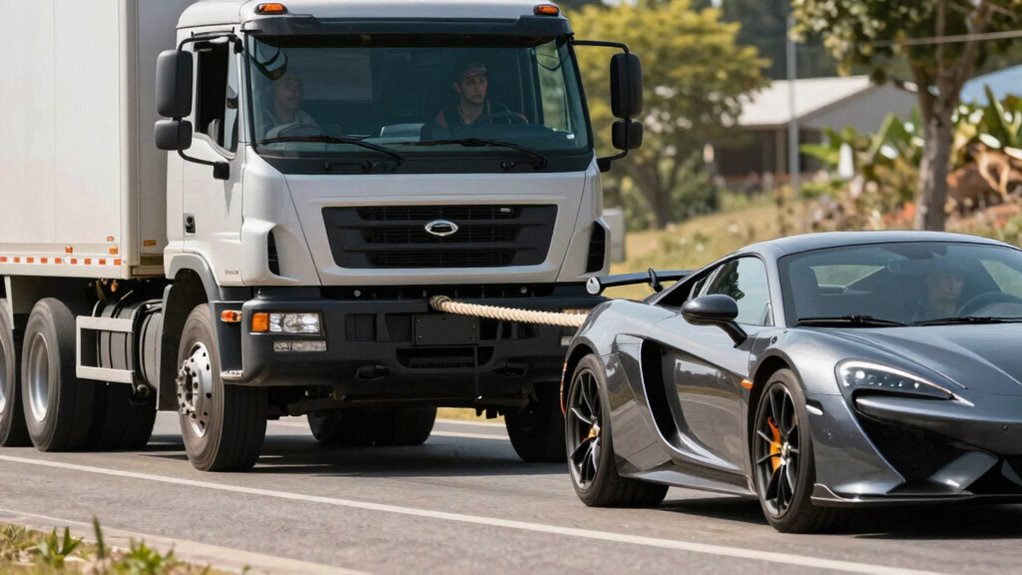

For a smooth vehicle recovery using kinetic ropes, it’s vital that both drivers understand the rope’s stretch and how it builds tension gradually. Recognizing the elastic nature of the rope helps prevent sudden jerks, reduces the risk of snapping, and guarantees coordinated efforts. Clear communication and awareness of the tension buildup are key. If you want to maximize safety and effectiveness during recovery, mastering these points is necessary—keep exploring to learn more.

Get business pricing on garage and car supplies
- Business-only prices and quantity discounts
- Tax-exempt purchasing
- Multiple users, one account, clear invoices
Key Takeaways
- Both drivers must understand the rope’s stretch limit to anticipate tension buildup during recovery.
- Clear communication ensures synchronized pulls, preventing sudden jerks caused by misjudged tension.
- Recognizing the rope’s elasticity helps drivers manage force application smoothly.
- Proper equipment selection based on stretch properties enhances safety and recovery efficiency.
- Mutual awareness of dynamic forces reduces risks of rope snap-back and vehicle damage.
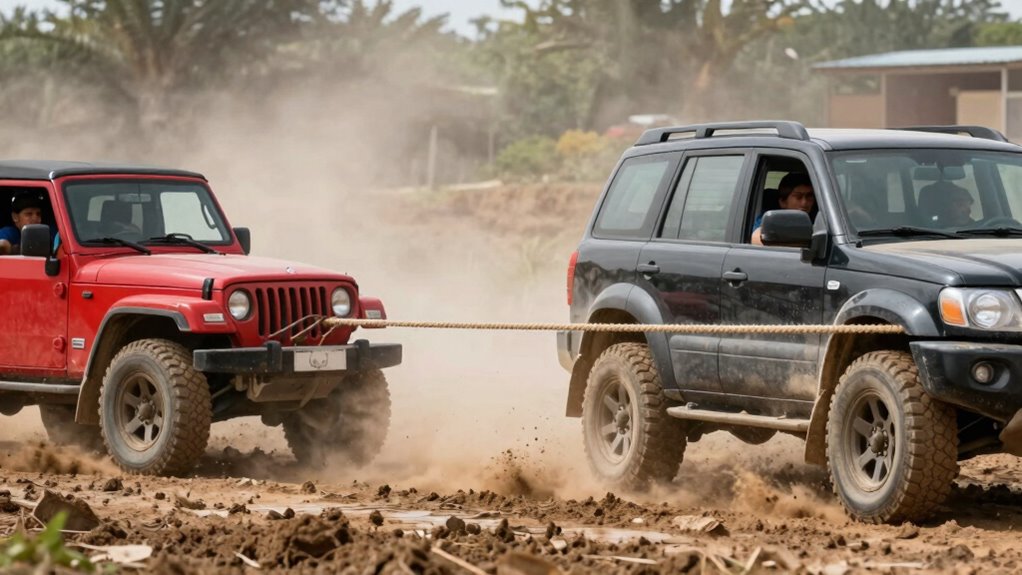
Kinetic ropes are a form of recovery equipment that rely on their stretch to build momentum gradually, reducing the risk of sudden jerks. If both drivers are unfamiliar with how much the rope stretches, they might misjudge the timing or force needed to recover a vehicle. This is especially important because these ropes can stretch up to 30% of their length, which is substantial compared to steel cables. When both drivers understand this stretch, they can coordinate better, ensuring the recovery is smooth and controlled.
Vehicle safety depends heavily on proper usage, and that starts with communication. Before attaching the rope, you should clearly agree on a signal to start the pull and maintain a steady pace. When both drivers understand how much the rope can stretch, they can anticipate the tension buildup, preventing sudden jerks that could snap the rope or damage the vehicles. This understanding helps keep everyone safe, avoiding injuries from recoil or flying debris if the rope breaks under stress.
Additionally, knowing how stretch works allows you to choose the right recovery equipment for the situation. For example, selecting a kinetic rope with the appropriate weight capacity and length ensures optimal performance. If you or the other driver underestimate the stretch or overestimate the power of the recovery, the results could be disastrous. Proper training on how to handle recovery equipment, including kinetic ropes, is essential. It emphasizes the importance of patience and precision, rather than rushing the process.
Furthermore, understanding the elasticity of kinetic ropes can help prevent overloading and potential failure during recovery operations. Recognizing the properties of elastic materials involved in recovery gear can also aid in making informed decisions during the recovery process. Developing a clear understanding of the elastic behavior of recovery tools can improve safety and effectiveness in various recovery scenarios. Gaining knowledge about the dynamic forces involved can further enhance the ability to manage tension safely during recovery. In the end, the key to a successful vehicle recovery using kinetic ropes lies in mutual understanding. Both drivers need to recognize the stretch factor and communicate effectively. This knowledge minimizes risks and maximizes vehicle safety, ensuring the recovery is swift and smooth. Recognizing the elastic properties of recovery tools can also help in selecting the appropriate equipment for different recovery scenarios. When everyone involved respects the capabilities of the recovery equipment and understands the mechanics involved, you can recover vehicles efficiently without unnecessary setbacks or hazards.
As an affiliate, we earn on qualifying purchases.
Frequently Asked Questions
What Types of Vehicles Are Best Suited for Kinetic Rope Recovery?
You should use kinetic ropes for recovering light to medium vehicles, like cars or ATVs, because their weight matches the rope’s elasticity. Heavier vehicles, such as trucks or heavy machinery, require stronger recovery methods. The rope’s stretch helps absorb shock, making recovery smoother. Always consider the vehicle weight and rope elasticity to guarantee safe, efficient recovery. Using the right combination prevents damage and ensures both drivers understand how the stretch works.
How Do Weather Conditions Affect Kinetic Rope Performance?
Think of weather as the unpredictable tide shaping your recovery journey. Weather impact can weaken traction considerations, making the rope less effective or even dangerous. Rain, snow, or ice reduce grip and increase slipping risks, so you must adapt your approach. Always evaluate current conditions, adjust your tension, and guarantee your vehicle’s traction is sufficient. By respecting nature’s influence, you keep recovery safe, smooth, and successful.
What Safety Gear Should Drivers Wear During Recovery?
You should wear protective gloves and safety glasses during recovery. Gloves protect your hands from potential rope burns and abrasions, while safety glasses shield your eyes from snapping ropes or debris. Always make sure your gear fits well and is rated for recovery activities. Proper safety equipment minimizes injury risks, helping you stay safe and confident while handling kinetic ropes during vehicle recovery.
How Long Should a Kinetic Rope Typically Last Before Replacement?
Your kinetic rope’s lifespan depends on its rope durability and material lifespan, but generally, it should last around 3 to 5 years with regular use. Heavy-duty ropes, made from high-quality materials, can endure thousands of pulls before showing signs of wear. Keep an eye out for fraying, cracks, or loss of elasticity—these signs mean it’s time to replace your rope. Don’t gamble with safety—replace it before it fails!
Can Kinetic Ropes Be Used in Off-Road Recovery Scenarios?
Yes, kinetic ropes are suitable for off-road recovery scenarios if you guarantee vehicle compatibility and prioritize rope durability. You should select a rope rated for your vehicle’s weight and recovery needs. Properly inspecting the rope for signs of wear and tear before use helps prevent accidents. When used correctly, kinetic ropes absorb shock effectively, making off-road recoveries smoother and safer for all vehicles involved.
Conclusion
Remember, when you’re using kinetic ropes, understanding how they stretch is your secret weapon for a smooth recovery. If both drivers grasp this essential detail, you’ll avoid sudden jerks and potential damage. But miss it, and the tension could turn into chaos, risking injury or worse. So, stay sharp—knowing the stretch isn’t just a tip, it’s the difference between a safe recovery and a dangerous mishap waiting to happen. Will you be prepared?
Halloween Picks
halloween
As an affiliate, we earn on qualifying purchases.