
GPS theft trackers and ride loggers serve different purposes. Theft trackers focus on alerting you if your vehicle moves without permission, providing real-time updates to help recover it, often with features like geofencing and immobilization. Ride loggers record detailed driving data, such as routes, speeds, and trip times, mainly for monitoring or fleet management. Understanding these differences helps you choose the right device and stay aware of privacy concerns. Keep exploring to discover more about each type’s features and use cases.

Get business pricing on garage and car supplies
- Business-only prices and quantity discounts
- Tax-exempt purchasing
- Multiple users, one account, clear invoices
Key Takeaways
- Theft trackers focus on real-time location alerts and vehicle recovery, while ride loggers record detailed trip data for monitoring purposes.
- Not all GPS devices serve the same function; some are designed exclusively for theft prevention, others for data collection.
- Ride loggers often track routes, speeds, and driver habits, raising privacy concerns, unlike theft trackers which prioritize security.
- Understanding the device’s core purpose helps in selecting the right tool and avoiding privacy breaches.
- Theft trackers typically include features like geofencing and remote immobilization, not present in standard ride logging devices.
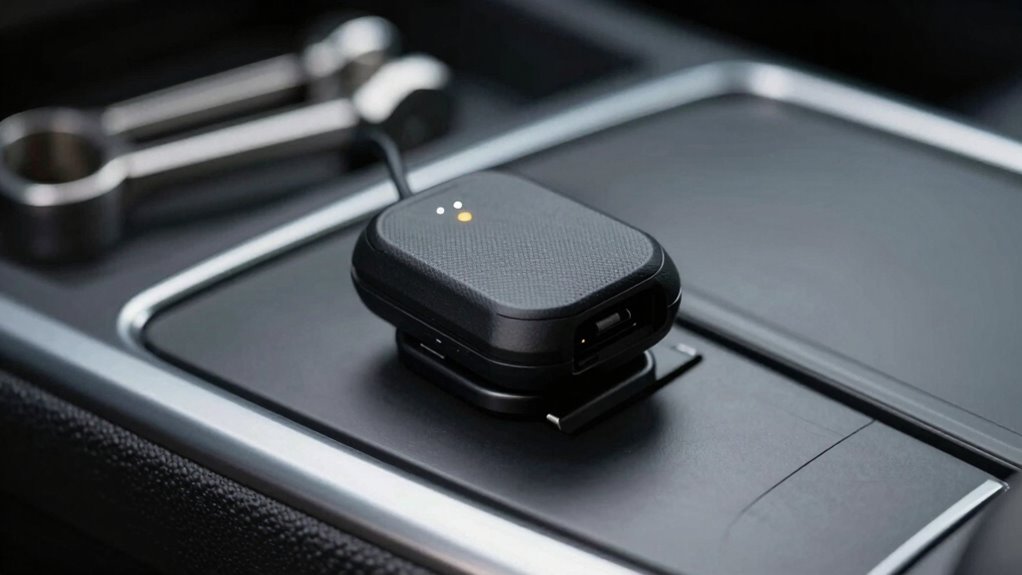
While GPS devices are often associated with tracking vehicle theft, not all GPS tools serve the same purpose. Many people assume that installing a GPS tracker on their vehicle is solely about preventing theft, but these devices can do much more—particularly when it comes to ride logging and data privacy. Understanding the difference is essential to making the right choice for your vehicle security needs. Theft trackers are designed to alert you if your vehicle is moved without permission, providing real-time location updates that help you recover your vehicle quickly. They often include features like geofencing, which notifies you if your car leaves a designated area, and can even trigger alarms or immobilize the vehicle remotely. These features focus on deterring theft and facilitating recovery, making them a fundamental tool for vehicle security.
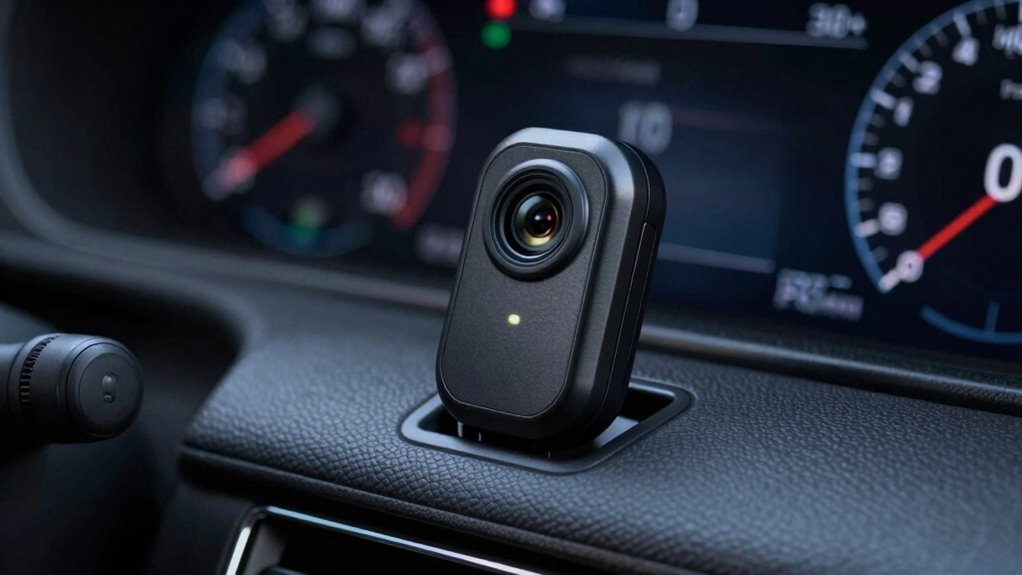
Ride loggers, on the other hand, track and record detailed data about your vehicle’s movements, such as routes taken, speed, and trip duration. While they can be useful for fleet management or monitoring teenage drivers, they raise concerns about data privacy and security. When you install a ride logger, you’re essentially giving a third party access to your driving habits, locations, and schedules. If this data falls into the wrong hands or is misused, it can compromise your privacy and even be exploited for malicious purposes. Unlike theft trackers, ride loggers are less about prevention and more about monitoring, which can feel invasive or overly intrusive, especially if you’re not fully aware of what data is being collected and how it’s stored. Some GPS devices are designed primarily for tracking vehicle theft and not for comprehensive data collection, so understanding their core purpose is crucial. Being aware of data collection practices can help you make informed decisions about what devices to use.
vehicle GPS theft tracker with geofencing
As an affiliate, we earn on qualifying purchases.
As an affiliate, we earn on qualifying purchases.
Frequently Asked Questions
Can GPS Theft Trackers Be Disabled Remotely?
Yes, some GPS theft trackers can be remotely disabled, especially if they offer tracker customization options. You often have control through a mobile app or online platform, allowing you to activate or deactivate the device as needed. However, not all trackers support remote disabling, so it’s important to check the specific features of your device beforehand. This feature can help prevent theft or misuse by giving you quick control over the tracker.
Are Ride Loggers Legal to Use on Personal Vehicles?
Yes, ride loggers are legal to use on personal vehicles, but you should consider vehicle privacy and data security. Laws vary by location, so check your local regulations to guarantee compliance. Use reputable devices that protect your data from unauthorized access. By doing so, you respect your privacy while maintaining control over your vehicle’s information, preventing potential misuse or breaches of your personal data.
How Accurate Are GPS Theft Trackers in Urban Areas?
Ever wondered how well a GPS theft tracker works between skyscrapers and busy streets? In urban areas, signal interference from tall buildings and dense infrastructure can reduce accuracy, making it harder to pinpoint your vehicle precisely. Tracker placement challenges, like hiding the device well, also affect reliability. While generally effective, expect some variation—so don’t rely solely on these devices for pinpoint accuracy amidst urban signal interference.
Do GPS Theft Trackers Drain Vehicle Batteries Quickly?
GPS theft trackers generally don’t drain your vehicle’s battery quickly because they’re designed with low power consumption in mind. However, some models may cause slight battery drain if left on constantly or if they feature active tracking modes. To minimize battery drain, choose trackers with efficient power management, and consider disabling tracking when not needed. This way, you maintain security without risking excessive power consumption or battery life issues.
Can Ride Loggers Record Driver Behavior or Only Routes?
Ride loggers primarily record routes and trip data, but many advanced models also include driver monitoring features. These can track behaviors like harsh braking, acceleration, and speeding, giving you insights into driver habits. So, while their main focus is route recording, some ride loggers also help you monitor driver behavior, making them useful for fleet management or improving safety. Always check the device specs to see if driver monitoring is included.
Conclusion
Understanding the difference between GPS theft trackers and ride loggers helps you make smarter choices for your vehicle. Did you know that according to recent studies, 65% of stolen cars are recovered within the first week? By choosing the right device, you increase your chances of recovery and guarantee your vehicle’s security. So, make certain you’re investing in a tracker that suits your needs, and stay one step ahead of theft.
Halloween Picks
halloween
As an affiliate, we earn on qualifying purchases.