TL;DR

Get business pricing on garage and car supplies
- Business-only prices and quantity discounts
- Tax-exempt purchasing
- Multiple users, one account, clear invoices
Cycling Weekly has published a personal column by writer and former professional cyclist Michael Hutchinson about the awkwardness he encounters when asking friends what they paid for a bike. The piece is an essay built around his anecdotes and interpretation; it does not report survey results or establish how common the behavior is among cyclists.
Cycling Weekly has published a personal column by writer and former professional cyclist Michael Hutchinson about friends who dodge questions about the price of their new bikes. Hutchinson uses conversations with fellow riders to explore how money, discounts and cycling identity can make an ordinary purchase feel awkward to discuss.
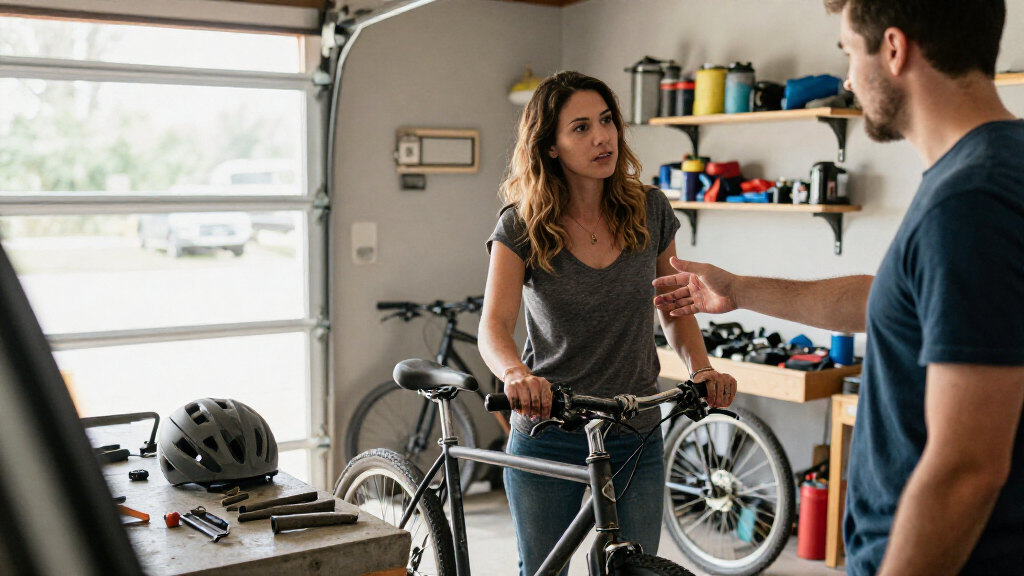
Hutchinson opens with an exchange with his friend Bernard, who had arrived with a new bike. Asked what it cost, Bernard said he had “got a deal” through a friend in the trade, but would not identify the person or explain the terms. Hutchinson presents the exchange as one example of a pattern he has encountered, not as evidence from a survey or a measured trend.
Other stories in the column include riders claiming that nearly new bikes were bought second-hand at steep discounts, or that a well-off friend regularly sells old bikes cheaply. Hutchinson also describes an acquaintance who says brands or distributors provide his cycling equipment because he is a brand ambassador. These are the writer’s anecdotes; the article does not independently verify the transactions or the claims.
The column contrasts this evasiveness with riders who answer plainly. One person told Hutchinson a bike cost £5,000 and that upgraded wheels added £2,000, then asked what Hutchinson thought of the value. Another competitor said he did not know the bike’s price because his mother had bought it for him.
Why Bike Prices Feel Personal
The piece focuses on the social side of buying cycling equipment: a bike’s price can invite judgments about spending, value and a rider’s relationship with the sport. Hutchinson suggests that some people may prefer a story about a special deal or industry connection to describing themselves as straightforward customers. That is his interpretation, rather than a finding established by research in the column.
For readers comparing bikes or discussing purchases, the anecdotes capture a practical difficulty: the final price may depend on discounts, second-hand sales, components and upgrades. A single figure can leave out those details. Hutchinson’s account does not offer price guidance, but it shows why clear explanations of what was bought and what was included can make comparisons more useful.
Products Worth Considering

Chemical Guys 14-Piece Arsenal Builder Car Wash Kit with Foam Blaster

Chemical Guys 10-Piece Car Wash Kit with Foam Gun

Milwaukee M12 FUEL 1/4-Inch Hex Impact Driver Kit
As an affiliate, we earn on qualifying purchases.
From Spare Parts to New Bikes
Hutchinson also recalls an earlier period in racing when riders’ bicycles were often assembled from a shifting collection of parts. In his description, components were bought, borrowed, upgraded or moved between bikes; a new frame could be the main purchase rather than a complete bicycle. He says some riders of that generation may feel awkward not only about a bike’s cost but about having bought a whole bike at all.
That recollection supplies the column’s historical context, but it is not a detailed account of cycling-industry prices or a documented comparison across eras. Hutchinson is a cycling journalist and former professional racer; Cycling Weekly says he won national titles in Britain and Ireland, competed at world and Commonwealth events, and won the Brompton folding-bike world championship three times.
““£5,000. Then I upgraded the wheels for another £2,000. Good value I think – what d’ya reckon?””
— A cyclist Hutchinson questioned, as quoted in the column
What the Anecdotes Cannot Establish
The column does not establish how many cyclists avoid discussing prices, whether the behavior has increased, or whether it is more common among particular age groups or types of riders. Hutchinson says he has found the evasiveness more pronounced in recent years, but gives no dates, counts or comparison data. The reasons he proposes—including embarrassment about spending and a wish to feel like an industry insider—are interpretations, not confirmed explanations for each person’s response.
The article also does not verify the discounts, second-hand purchases or equipment supplied by brands described in its anecdotes. It gives no publication date in the supplied source material, and does not report a response from the people whose stories are recounted beyond the quoted exchanges.
No Further Reporting Announced
The source material describes a published opinion column, not an ongoing investigation or a developing consumer story. It gives no indication of a follow-up, survey or planned reporting on bike prices. Readers seeking to compare costs will need to check current listings and ask sellers or retailers about the specific bike, components, discount and any later upgrades.
Key Questions
What is the Cycling Weekly article about?
It is a personal column by Michael Hutchinson about friends who avoid telling him what they paid for their bikes, and his thoughts on why those conversations can feel awkward.
Does the column prove that cyclists commonly hide bike prices?
No. It gives Hutchinson’s anecdotes and observations, but no survey or other data measuring how common the behavior is.
Why does Hutchinson think people evade the question?
He suggests that some riders may feel embarrassed about spending or want to present themselves as insiders with access to special deals. Those are his interpretations, not verified explanations for everyone in the column.
What prices are mentioned?
One cyclist quoted in the column said a bike cost £5,000, followed by a wheel upgrade costing £2,000. The article does not present these figures as typical market prices.
Source: cyclingweekly.com