The best electric bikes balance usable range, comfortable handling, and dependable safety features for the way you plan to ride. The Jasion Roamer/ST is my best overall pick for its UL2849 certification and practical 26-inch format, while the Funhang Electric Bike stands out as a more approachable option with a rear rack and front suspension. Riders seeking extra power can look to the Jasion Thunder PRO/ST, though its high claimed speed makes local rules and riding conditions especially important. Across this lineup, the main tradeoffs are power versus control, fat-tire comfort versus weight, and long-range claims versus the battery capacity and route behind them. Read on for the full comparison and buyer guidance.

Get business pricing on garage and car supplies
- Business-only prices and quantity discounts
- Tax-exempt purchasing
- Multiple users, one account, clear invoices
Complete the kit


Key Takeaways
- Certification separates practical picks from headline specs: the Jasion Roamer/ST and Funhang list UL2849 certification, while high peak-power claims alone do not tell you how a bike handles or how its electrical system was evaluated.
- Peak power and claimed speed vary sharply: the EcoE advertises 9000W and 52 mph, but those figures call for careful checks of local e-bike rules, braking, and where such speed could be used.
- Fat tires recur across the list, but they do not make every bike a trail bike: suspension, frame format, and intended riding surface still matter for comfort and control.
- Folding models address storage constraints: the Aipas F3 Max is the standout compact-format option, while full-size fat-tire bikes may suit riders who have more storage and want a conventional frame.
- Range claims need context: advertised distances differ across models, and actual range depends on rider load, terrain, assist level, temperature, and speed—not just the battery headline.


| electric bike | Battery | Brakes | Tires | Suspension |
|---|---|---|---|---|
| Aipas M1 Max/M2 Max Electric B | 48V 17.5Ah, removable | Front and rear hydraulic disc brakes | 26 x 4.0 inches | — |
| Jasion Thunder PRO/ST Electric | 52V 20Ah (1040Wh) | Hydraulic disc brakes | — | — |
| Jasion EB5 Ultra Electric Bike | 52V 20Ah (1040Wh) | Hydraulic disc brakes | 26 x 4 inches | Dual suspension with front fork and rear shock |
| Aipas M1 Max/M2 Max Electric B | 52V 18Ah, removable | Front and rear hydraulic disc brakes | 26 x 4.0 inches | Adjustable air rear suspension up to 250 PSI; adjustable front fork |
| Jasion Roamer/ST 26" Electric | 48V 11Ah (528Wh), removable | Dual mechanical disc brakes | 26 x 1.95 inches | — |
| Aipas M1 Pro Electric Bike | 48V 17.5Ah removable | Dual 180 mm mechanical disc brakes | 26 x 4 inches | Adjustable 100 mm front fork and rear shock |
| Funhang Electric Bike for Adul | 48V 13Ah lithium-ion | — | 26-inch, 4-inch fat tires | Front suspension |
| EcoE 9000W Dual Motor Electric | 60V 32Ah removable | Hydraulic disc brakes | 26 x 4 inches | Full suspension with front and rear shocks |
| Aipas F3 Max Folding Electric | — | Dual hydraulic disc brakes | — | Dual suspension |
| Jasion RetroVolt Electric Bike | 48V 15Ah removable | — | 20 x 4.0 inches | — |
| Aipas M1 Pro & M2 Pro Electric | 48V 17.5Ah removable lithium | Dual 180mm mechanical disc | 26 × 4 inches | 100mm front fork and rear shock |
| Electric Mountain Bike for Adu | 48V, 374.4Wh removable | — | — | — |
| Jasion Thunder Electric Bike w | — | Dual hydraulic disc | 26 × 4 inches | — |
| F6/F6S/F6PRO Electric Bike for | 48V 15.6Ah removable | — | — | Full suspension with hydraulic front shock |
| TST Electric Bike for Adults | 48V 15Ah removable lithium | Front and rear mechanical disc listed; specifications also mention linear-pull brakes | — | Dual |
More Details on Our Top Picks
Aipas M1 Max/M2 Max Electric Bike for Adults, 26″ x 4″ Fat Tire Ebike
The Aipas M2 Max pairs wide 26 x 4-inch tires with an adjustable air rear suspension, giving riders a setup aimed at smoothing out gravel, sand, snow, and rough pavement. Its claimed range reaches 85 miles with pedal assist, and the removable battery makes charging easier when the bike cannot be parked near an outlet. Compared with the Jasion Roamer/ST, this Aipas has much wider tires, rear suspension, and a higher stated load limit, so it better suits rough routes and larger riders. Those features come with a substantial 90-pound weight, which makes stairs and car transport a challenge. The listed rider-height range also starts at 5’8″, so shorter riders should check fit carefully. I’d rank it for comfort and mixed-terrain capability, rather than everyday portability.
Pros:- Adjustable air rear suspension and front fork let riders tune comfort and handling
- 26 x 4-inch tires are suited to loose or uneven surfaces
- Removable 48V 17.5Ah battery supports off-bike charging
- Hydraulic brakes and a 500-pound stated load limit suit a heavy-duty setup
Cons:- At approximately 90 pounds, it is difficult to lift or transport
- The stated 85-mile pedal-assist range depends on terrain, rider weight, and conditions
- The stated rider-height range begins at 5’8″, limiting fit for shorter adults
Best for: Taller riders who want adjustable suspension and fat-tire traction for mixed pavement and rough trails
Not ideal for: Shorter riders, apartment dwellers who need to carry a bike upstairs, and anyone prioritizing an easy-to-transport commuter
- Peak motor power:1800W
- Battery:48V 17.5Ah, removable
- Claimed range:Up to 85 miles with pedal assist
- Tires:26 x 4.0 inches
- Maximum torque:110Nm
- Brakes:Front and rear hydraulic disc brakes
- Weight:Approximately 90 lbs
- Maximum load:500 lbs
Our verdict“Choose the Aipas M2 Max if comfort and fat-tire traction matter more to you than carrying a lighter bike.”
Jasion Thunder PRO/ST Electric Bike, 2000W Peak Power, 35MPH Speed, 90-Mile Range
The Thunder PRO/ST is the lineup’s high-speed choice, combining a 2000W peak motor with a stated top speed of 35 mph and up to 90 miles of pedal-assist range. Its 1040Wh battery and full suspension support longer rides, while hydraulic brakes add stopping control to a bike built for brisk travel. Compared with the Jasion EB5 Ultra, it has a lower stated peak motor output but a higher claimed pedal-assist range and a larger 500-pound capacity. The tradeoff is size and weight: this heavy-duty design is less convenient to maneuver or store than the Jasion Roamer/ST, which has narrower tires and a simpler commuter setup. The 90-mile figure is for pedal assist; the stated electric-mode range is 35 miles. I’d choose it for riders who value speed and range over portability.
Pros:- 2000W peak motor and stated 35 mph top speed suit riders seeking fast travel
- 1040Wh battery supports a claimed pedal-assist range of up to 90 miles
- Full suspension and hydraulic disc brakes are suited to rougher rides
- 500-pound stated weight capacity accommodates a heavy load
Cons:- Heavy-duty construction can make handling, lifting, and storage difficult
- Stated range drops to 35 miles in electric mode
- Partial assembly is required before riding
Best for: Experienced adult riders seeking a high-speed fat-tire bike with long claimed pedal-assist range and high load capacity
Not ideal for: Riders who need a lightweight bike for stairs, compact storage, or short trips where a 35 mph top speed is unnecessary
- Peak motor power:2000W
- Battery:52V 20Ah (1040Wh)
- Maximum speed:35 mph
- Claimed range:Up to 90 miles pedal assist; up to 35 miles electric mode
- Wheel size:26-inch fat tires
- Brakes:Hydraulic disc brakes
- Weight capacity:500 lbs
- Warranty:24 months for motor, battery, and controller; lifetime technical support
Our verdict“Pick the Thunder PRO/ST if you want high speed and long pedal-assist range and can manage a heavy bike.”
Jasion EB5 Ultra Electric Bike for Adults 2500W Peak Motor, 1040Wh Battery
With a listed 2500W peak motor, the EB5 Ultra has the highest peak output among these five picks. That makes it the power-first option for riders who want strong acceleration and a fat-tire bike for rougher routes. Its 52V 20Ah battery is associated with a claimed range of up to 70 miles, and dual suspension plus hydraulic brakes address comfort and control on uneven ground. The Thunder PRO/ST is the closer alternative: it claims a longer pedal-assist range and a 500-pound capacity, while the EB5 Ultra lists higher peak power and a lower 330-pound payload limit. The EB5’s fat tires and suspension add capability but do little for portability, and its package may arrive in separate shipments. I’d put it ahead for motor output, not for carrying capacity or easy ownership logistics.
Pros:- 2500W peak motor is the highest listed output in this group
- 52V 20Ah battery has a claimed range of up to 70 miles
- 26 x 4-inch tires and dual suspension suit uneven terrain
- Hydraulic disc brakes provide braking control
Cons:- 330-pound payload capacity is lower than the Aipas Max and Thunder PRO/ST
- Heavy build can make storage and transport difficult
- Separate packages may arrive at different times
Best for: Riders prioritizing strong peak motor output for outdoor rides and rough terrain, with a payload within the listed limit
Not ideal for: Riders who need a high payload capacity, a light bike to carry, or a predictable single-package delivery
- Peak motor power:2500W
- Battery:52V 20Ah (1040Wh)
- Claimed range:Up to 70 miles
- Tires:26 x 4 inches
- Payload capacity:330 lbs
- Suspension:Dual suspension with front fork and rear shock
- Brakes:Hydraulic disc brakes
- Drivetrain:7-speed
Our verdict“Choose the EB5 Ultra if peak motor output and rough-terrain equipment outweigh payload capacity and portability.”
Aipas M1 Max/M2 Max Electric Bike for Adults, 26 x 4 in Fat Tire
This Aipas Max listing offers a practical fit choice: the M1 Max has a step-through frame, while the M2 Max uses a step-over design. Both share an 1800W peak motor, removable 52V 18Ah battery, adjustable air rear suspension, and hydraulic brakes. That makes this a flexible pick for riders who want fat-tire traction and suspension but need a frame style that suits how they mount and dismount. Compared with the Jasion Roamer/ST, the Aipas adds wider tires, rear suspension, and a much higher stated load capacity; the Roamer/ST is narrower-tired and built around a simpler commuter format. Range is claimed at up to 85 miles with pedal assist, but actual distance varies. At about 90 pounds, either frame is still cumbersome to carry, and the stated fit range begins at 5’8″.
Pros:- Two frame styles offer a step-through or step-over option
- Removable 52V 18Ah battery supports convenient charging
- Adjustable air rear suspension and front fork can be tuned for the route
- Hydraulic brakes, 7-speed gearing, and 500-pound stated load capacity
Cons:- Approximately 90-pound weight makes lifting and transport difficult
- Claimed range varies with rider weight, terrain, and riding conditions
- Stated rider-height range starts at 5’8″
Best for: Taller adults who want to choose between step-through and step-over frames while riding varied terrain
Not ideal for: Shorter riders or anyone who needs a light, compact bike for stairs, transit, or frequent car loading
- Models:M1 Max step-through; M2 Max step-over
- Peak motor power:1800W
- Battery:52V 18Ah, removable
- Claimed range:Up to 85 miles with pedal assist
- Tires:26 x 4.0 inches
- Suspension:Adjustable air rear suspension up to 250 PSI; adjustable front fork
- Brakes:Front and rear hydraulic disc brakes
- Maximum load:500 lbs
Our verdict“Choose this Aipas listing if frame access is a priority and you can accommodate a heavy, full-size fat-tire bike.”
Jasion Roamer/ST 26″ Electric Bike for Adults with UL2849 Certification
The Roamer/ST is the commuter-leaning option here: its 26 x 1.95-inch tires and 528Wh removable battery make for a less specialized setup than the fat-tire Aipas Max bikes or Jasion EB5 Ultra. The narrower tires are better aligned with pavement-focused errands, while the battery can be removed for charging away from the bike. Jasion claims up to 62 miles in pedal-assist mode, and the listing cites UL2849, UL2271, and UN38.3 certifications. Compared with the Thunder PRO/ST, the Roamer/ST has a lower stated top speed and less listed battery capacity, but its narrower tires and 300-pound payload limit signal a more conventional commuter role. It uses mechanical disc brakes rather than the hydraulic brakes on several other picks, and the range is mode-dependent. I’d favor it for daily paved routes over trail comfort or maximum power.
Pros:- Removable 48V 11Ah battery is convenient for charging indoors
- 26 x 1.95-inch tires suit a more pavement-oriented setup
- Listing cites UL2849, UL2271, and UN38.3 certifications
- Includes LCD display, night lighting, and walk-boost mode
Cons:- Mechanical disc brakes are a simpler setup than the hydraulic brakes on the Aipas Max and Jasion Thunder PRO/ST
- 300-pound stated weight capacity is lower than the other heavy-duty picks here
- Claimed range is for pedal-assist mode and may be lower in electric-only use
Best for: Commuters who ride mostly paved routes and want a removable battery and listed electrical safety certifications
Not ideal for: Riders seeking suspension, fat-tire traction for loose trails, hydraulic brakes, or a high payload limit
- Peak motor power:1200W
- Battery:48V 11Ah (528Wh), removable
- Maximum speed:28+ mph
- Claimed range:Up to 62 miles in pedal-assist mode
- Tires:26 x 1.95 inches
- Brakes:Dual mechanical disc brakes
- Weight capacity:300 lbs
- Modes:Electric, pedal assist, pedal only, walk boost
Our verdict“Pick the Roamer/ST for paved commuting and convenient battery charging if you do not need fat tires or hydraulic brakes.”
Aipas M1 Pro Electric Bike, 26-Inch Fat Tires, 48V 17.5Ah Battery
The Aipas M1 Pro pairs 26-inch fat tires with adjustable front and rear suspension, making it a comfort-focused choice for riders whose commutes include broken pavement, gravel, or trails. Its step-through frame eases mounting, while the removable battery can be charged away from the bike. Compared with the folding Aipas F3 Max, the M1 Pro uses larger wheels and a conventional frame, which may suit longer, rougher rides better but takes up more storage space. The 1800W peak motor and claimed pedal-assist range of up to 85 miles look capable on paper, though actual range depends on riding conditions. The key tradeoff is weight: at 88 lb, it is hard to carry upstairs or load into a vehicle, and its mechanical brakes are less advanced than the F3 Max’s hydraulic setup.
Pros:- Step-through frame makes mounting easier
- Adjustable front and rear suspension helps smooth uneven routes
- Removable 48V battery supports off-bike charging
- Fat tires and 500 lb maximum load accommodate varied riding needs
Cons:- 88 lb weight makes lifting and transport difficult
- Mechanical disc brakes are less capable than the hydraulic brakes on the Aipas F3 Max
- The up-to-85-mile range claim will vary with terrain, rider weight, and assist use
Best for: Riders who want a step-through bike with full suspension for rough commutes and gravel outings, and can store it at ground level.
Not ideal for: Apartment dwellers who must carry a bike upstairs or riders who prioritize hydraulic brakes and compact storage.
- Motor:1800W peak rear-hub motor
- Torque:110 Nm
- Battery:48V 17.5Ah removable
- Pedal-assist range:Up to 85 miles
- Tires:26 x 4 inches
- Suspension:Adjustable 100 mm front fork and rear shock
- Brakes:Dual 180 mm mechanical disc brakes
- Weight and load:88 lb bike weight; 500 lb maximum load
Our verdict“Choose the M1 Pro if ride comfort and an easy-mount frame matter more than carrying weight or compact storage.”
Funhang Electric Bike for Adults, 1000W Peak, 20MPH, 60 Miles Range, 26″ Fat Tire Ebike with 48V 13AH Battery, Front Suspension, 7-Speed, Rear Rack, UL 2849 Certified
The Funhang is the most commuter-oriented pick here: its rear rack, 20 MPH top speed, and stated UL 2849 and UL 2271 certifications give it a practical focus the trail-leaning Aipas M1 Pro does not emphasize. Its 26-inch fat tires and front suspension add some comfort on rough streets, while the 1000W peak motor is less powerful on paper than the 1800W Aipas bikes. That lower peak output pairs with a clearly stated 20 MPH top speed, a useful fit for riders who want a more restrained daily ride. The battery claims 55–60 miles in pedal-assist mode, but 30–35 miles in pure electric mode, so mode choice affects trip planning. The tradeoffs are a 6.5-hour charge and a 330 lb load limit; riders needing rear suspension or higher capacity may prefer the Aipas M1 Pro.
Pros:- Rear cargo rack is useful for errands and commuting
- UL 2849 and UL 2271 certifications are specified
- Front suspension and 4-inch fat tires suit uneven streets
- Range estimates distinguish pedal-assist from pure electric riding
Cons:- 6.5-hour charging time can limit quick turnaround between rides
- 330 lb maximum load is lower than the Aipas M1 Pro’s 500 lb limit
- Front suspension only offers less cushioning than full-suspension options
Best for: Commuters who want a rear rack, a stated 20 MPH top speed, and certification details for the bike and battery.
Not ideal for: Heavier riders above the 330 lb limit or trail riders seeking full suspension and stronger peak motor output.
- Peak motor power:1000W
- Top speed:20 MPH
- Battery:48V 13Ah lithium-ion
- Range:30–35 miles pure electric; 55–60 miles pedal-assist
- Tires:26-inch, 4-inch fat tires
- Suspension:Front suspension
- Load capacity:330 lb
- Certifications:UL 2849 and UL 2271
Our verdict“Pick the Funhang for a rack-equipped daily commuter with a defined speed and certification profile, provided its load limit fits.”
EcoE 9000W Dual Motor Electric Bike for Adults 52MPH 60V32A 26×4 Fat Tire
The EcoE 9000W sits in a different performance category from the commuter-focused Funhang: its listed 52 MPH top speed and dual motors are aimed at riders seeking substantial power for open routes and off-road use. A 60V 32Ah removable battery, full suspension, and hydraulic disc brakes round out a more performance-oriented setup than the Jasion RetroVolt’s 2000W peak motor and seven-speed drivetrain. That capability brings practical costs: the listing gives no range figure, and high-power riding can consume battery quickly. Its full suspension and hydraulic brakes are useful complements to the speed, but the substantial power and likely difficult portability make it a poor fit for routine stop-and-go city trips or riders without room to store it. I would choose it for its stated speed and hardware, not as a predictable long-range commuter.
Pros:- Dual motors are listed at 9000W
- Hydraulic disc brakes and full suspension match its performance focus
- Removable 60V 32Ah battery
- 6061 aluminum alloy frame and 26 x 4-inch tires
Cons:- No range figure is provided, making trip planning difficult
- High power can drain the battery faster during hard riding
- Heavy weight and complex setup can make transport and preparation difficult
Best for: Experienced riders with open riding routes who want a dual-motor bike, hydraulic brakes, and full suspension.
Not ideal for: City commuters who need a stated range or a manageable bike for frequent carrying and storage.
- Motor:9000W dual motor
- Top speed:52 MPH
- Battery:60V 32Ah removable
- Tires:26 x 4 inches
- Frame:6061 aluminum alloy
- Suspension:Full suspension with front and rear shocks
- Brakes:Hydraulic disc brakes
- Gears:SHIM 7-speed
Our verdict“Consider the EcoE for high-speed riding on suitable open routes if you can accept uncertain range and difficult portability.”
Aipas F3 Max Folding Electric Bike for Adults, Full Suspension 20″ Fat Tire
The Aipas F3 Max is the lineup’s space-saving choice: it folds, yet keeps full suspension, 4-inch fat tires, and a listed 1800W motor. Compared with the larger-wheel Aipas M1 Pro, its 20-inch wheels and folding frame are easier to fit into a tight storage area, though the M1 Pro’s 26-inch wheels may feel more suited to covering rough ground. The F3 Max also lists dual hydraulic disc brakes, an advantage over the M1 Pro’s mechanical brakes. Its stated range reaches up to 60 miles, and the 864Wh battery capacity gives a useful reference for planning, but the bike’s weight can blunt the portability benefit of folding. A 500 lb maximum user weight is generous, while the listed minimum height of 55 inches and maximum seatpost travel may not settle fit for every rider.
Pros:- Folding design helps with compact storage
- Full suspension and 4-inch tires suit mixed surfaces
- Dual hydraulic disc brakes
- 864Wh battery and up-to-60-mile range are specified
Cons:- Heavy weight can make carrying difficult despite the folding frame
- 20-inch wheels may be less suited to rough routes than the Aipas M1 Pro’s 26-inch wheels
- The stated maximum range depends on riding conditions
Best for: Riders with limited storage who want a folding fat-tire bike with full suspension and hydraulic brakes.
Not ideal for: Anyone who must carry a bike frequently or prefers larger wheels for rough, longer rides.
- Motor:1800W hub motor
- Battery capacity:864Wh
- Range:Up to 60 miles
- Wheels and tires:20 x 4 inches
- Suspension:Dual suspension
- Brakes:Dual hydraulic disc brakes
- Gearing:7 speeds; trigger shifter
- Maximum user weight:500 lb
Our verdict“Choose the F3 Max if folding storage and hydraulic brakes matter more than low carry weight or larger wheels.”
Jasion RetroVolt Electric Bike, 70-Mile Range, 2000W Peak, Fat Tire
The Jasion RetroVolt combines a retro look with features suited to errands and relaxed mixed-surface rides: a removable battery, dual suspension, fat tires, and a rear seat pad. Its listed 2000W peak motor is higher than the Funhang’s 1000W peak rating, while the Funhang provides a rear cargo rack and stated UL certifications that the RetroVolt listing does not specify. The Jasion claims up to 70 miles of range and charges in five to six hours, though actual distance depends on riding mode and conditions. Five riding modes offer flexibility, but the 330 lb payload limit is notably below the Aipas M1 Pro’s 500 lb limit. At 85% pre-installed, some assembly remains, and the bike’s weight may make it awkward to move into storage or onto a vehicle.
Pros:- Removable 48V battery allows charging off the bike
- Dual suspension and 20 x 4-inch tires suit varied surfaces
- Five riding modes and a seven-speed drivetrain
- Headlight with horn and rear brake light are included
Cons:- 330 lb payload is lower than the Aipas M1 Pro’s 500 lb maximum
- Heavy build can be awkward to transport
- 85% pre-installed assembly still requires setup
Best for: Style-conscious riders who want a fat-tire bike for local errands and leisure rides, with a removable battery and rear seat pad.
Not ideal for: Riders needing a high payload limit, a rear cargo rack, or a bike that is easy to lift and transport.
- Peak motor power:2000W
- Battery:48V 15Ah removable
- Range:Up to 70 miles
- Charge time:5–6 hours
- Tires:20 x 4.0 inches
- Payload capacity:330 lb
- Rider height range:5 ft 4 in to 6 ft 3 in
- Drivetrain and modes:7-speed; five riding modes
Our verdict“Pick the RetroVolt for retro styling and everyday leisure utility if its payload limit and weight work for your needs.”
Aipas M1 Pro & M2 Pro Electric Bike for Adults, 1800W Peak, Dual Suspension
The Aipas M1 Pro and M2 Pro suit riders who want a fat tire bike built around comfort on uneven ground. Their dual suspension and 26-by-4-inch tires are better matched to bumpy trails than the front-suspension-only Electric Mountain Bike in this lineup, while the 1800W peak motor and 110Nm torque offer strong hill-climbing support. The removable battery and stated range of up to 85 miles also make longer outings more practical, though actual range depends on conditions and assist use.
The tradeoff is heft: at 88–90 pounds, this is a poor fit for anyone who needs to carry a bike upstairs or load it often. Its height-specific M1 and M2 fit ranges also call for a careful size check. Choose it for comfort and power on rough routes; skip it if easy transport matters more.
Pros:- Dual suspension and wide tires help soften uneven trail surfaces.
- 110Nm torque and 1800W peak motor support steep climbs.
- Removable 48V battery can be charged away from the bike.
- Listed range of up to 85 miles supports longer rides.
Cons:- At 88–90 pounds, it is difficult to lift and transport.
- The two versions have distinct rider height ranges, limiting fit flexibility.
- Mechanical disc brakes may need more hand force and adjustment than hydraulic brakes.
Best for: Tall riders who want full suspension and fat tires for trail rides, gravel, or rough commutes.
Not ideal for: Apartment dwellers who regularly carry a bike upstairs, or riders whose height falls outside the listed M1 and M2 ranges.
- Motor:1800W peak
- Torque:110Nm
- Battery:48V 17.5Ah removable lithium
- Stated range:Up to 85 miles
- Tires:26 × 4 inches
- Suspension:100mm front fork and rear shock
- Brakes:Dual 180mm mechanical disc
- Weight and load:88–90 lbs; 500 lb maximum load
- Rider height:M1 Pro: 5’5″–7’2″; M2 Pro: 5’8″–7’6″
Our verdict“Choose the Aipas M1 Pro or M2 Pro if rough-route comfort matters more than a light, easy-to-carry frame.”
Electric Mountain Bike for Adults with 1000W Motor, 26″ Wheel, and UL Certified
Among these five picks, this Electric Mountain Bike is the most approachable choice for riders who want familiar 26-inch wheels, multiple riding modes, and documented electrical safety certifications. Its UL 2849 and UL 2271 certifications distinguish it from the listings that provide no equivalent certification details. The 500W motor, rated at 1000W peak, is less forceful on paper than the Aipas M1 Pro’s 1800W peak motor, but the lower output may be a better match for everyday paths and moderate hills.
Pedal-assist range is listed at 40–50 miles, compared with 25–30 miles in pure electric mode, giving riders a clear choice between conserving effort and extending a ride. Front suspension offers less bump absorption than the full-suspension TST or Aipas. It also needs partial assembly and fits a narrower height range, so check fit before choosing it.
Pros:- UL 2849 and UL 2271 certifications are stated for the bike and battery.
- Separate range estimates clarify the tradeoff between throttle and pedal assist.
- Five riding modes offer flexibility for different effort levels.
- Front suspension and 26-inch wheels suit mixed everyday paths.
Cons:- Front suspension provides less cushioning than full-suspension options in this batch.
- Partial assembly is required despite the stated 85% pre-assembly.
- The 5’3″–6’1″ fit range excludes some shorter and taller riders.
Best for: Newer e-bike riders who want certified electrical components, several assist modes, and a familiar mountain-bike layout.
Not ideal for: Riders seeking full suspension, high-speed performance, or a fit outside the listed 5’3″–6’1″ range.
- Motor:500W, 1000W peak
- Battery:48V, 374.4Wh removable
- Range:25–30 miles electric; 40–50 miles pedal assist
- Top speed:20 mph
- Wheel size:26 inches
- Certifications:UL 2849 and UL 2271
- Riding modes:Throttle, PAS, pedal, cruise, booster
- Rider height:5’3″–6’1″
Our verdict“Pick this model for certified components and flexible assist on everyday rides, provided its fit and front-only suspension suit you.”
Jasion Thunder Electric Bike with 1800W Peak Power, 26″ Fat Tires, and 80-Mile Range
The Jasion Thunder is the speed-focused pick here. Its listing claims 30+ mph and describes a 1800W peak, 2000W rated motor, placing it ahead of the Aipas M1 Pro on stated rated power and speed. The 26-by-4-inch tires and high load capacity also point to a substantial bike for riders covering varied surfaces. For stopping, the listing specifies dual hydraulic disc brakes, a useful match for a fast, heavy e-bike, though its claimed stopping performance is not a substitute for checking setup and conditions.
Range and capacity vary by configuration: the listing gives 80 miles and 400 pounds for one version, and 90 miles and 500 pounds for another. That uncertainty makes it harder to compare directly with the Aipas’s single stated range. This is a compelling fit for experienced riders who want speed and distance; its heavy-duty build and technical setup may frustrate beginners or anyone needing easy transport.
Pros:- High stated motor output and speed suit riders prioritizing acceleration.
- Fat tires are intended for mixed surfaces such as sand, snow, and city roads.
- Hydraulic disc brakes offer stronger braking control than mechanical brakes on the TST.
- Two listed battery configurations provide different range and load options.
Cons:- The listing gives differing figures for battery capacity, range, and maximum load by configuration.
- Its heavy-duty frame may be difficult to lift or transport.
- The speed and multiple technical features may demand more setup familiarity than the Electric Mountain Bike.
Best for: Experienced riders who want a high-power fat tire bike for longer rides and have space to store a substantial frame.
Not ideal for: Beginners seeking a simple setup, riders who need to lift a bike often, or anyone who needs one unambiguous range and load specification.
- Motor:1800W peak / 2000W rated
- Torque:85Nm
- Battery capacity:1040Wh or 864Wh, depending on configuration
- Stated range:90 or 80 miles, depending on configuration
- Stated maximum speed:35 or 30+ mph, depending on configuration
- Tires:26 × 4 inches
- Brakes:Dual hydraulic disc
- Maximum load:500 or 400 lbs, depending on configuration
Our verdict“Choose the Jasion Thunder for speed and long-range potential if you can confirm which configuration you are buying and handle its weight.”
F6/F6S/F6PRO Electric Bike for Adults with NFC and LCD Display
The F6 series stands out for its NFC card and password unlocking, features that make access more deliberate than on the TST, whose listing focuses on riding equipment and does not mention a lock method. A 4-inch color LCD and three riding modes add clear controls, while the 20-by-4-inch tires and full suspension make this a compact-format option for riders who want cushioning on rough pavement or paths.
Its 750W motor is less powerful on paper than the Jasion Thunder’s high-output setup, and the stated range varies from 22 miles on throttle to 60 miles with pedal assist. That makes riding style a major factor in how far it can go between charges. The removable battery charges in a stated five to seven hours, but this bike remains heavy and needs some assembly. It makes more sense for mixed local rides than for sustained throttle-heavy travel.
Pros:- NFC card and password unlocking add convenient access control.
- Color LCD presents ride information on a large display.
- Full suspension is designed to smooth rougher paths.
- Removable battery and stated five-to-seven-hour charging time support home charging.
Cons:- Throttle range is listed at only 22 miles, well below the pedal-assist figure.
- A heavy frame can make stairs and vehicle loading difficult.
- Some assembly is required after delivery.
Best for: Urban riders who value keyed-style electronic access, a readable display, and a compact 20-inch wheel format.
Not ideal for: Riders planning long throttle-only trips or anyone who needs a lightweight bike for frequent carrying.
- Motor:750W brushless
- Battery:48V 15.6Ah removable
- Range:22 miles throttle; up to 60 miles PAS
- Charging time:5–7 hours
- Tire size:20 × 4 inches
- Display:4-inch color LCD
- Riding modes:Pure electric, PAS, manual
- Suspension:Full suspension with hydraulic front shock
- Unlocking:NFC card and 4-digit password
Our verdict“Choose the F6 series for electronic access and a compact, full-suspension format on local rides, especially if you mostly use pedal assist.”
TST Electric Bike for Adults, 48V Removable Battery, 20-Inch Fat Tires
The TST is the most transport-friendly choice in this group on listed weight: 66 pounds, still substantial but lighter than the 88–90-pound Aipas M1 Pro and M2 Pro. Its 20-inch wheels make for a smaller format than the Aipas’s 26-inch fat tire setup, while dual suspension and 20-by-4-inch tires keep comfort and grip in the mix. A removable 720Wh battery is practical for charging indoors, and pedal-assist range is stated at up to 60 miles.
There are specification conflicts to resolve: the description gives 750W rated and 1500W peak power, but also mentions 749W rated and 2000W peak; the brake details list mechanical discs and linear-pull brakes. I would verify the exact configuration before buying. Even at 66 pounds, this is not a light carry, and its range depends on assist level and rider weight.
Pros:- Listed 66-pound weight is lower than the Aipas M1 Pro and M2 Pro.
- Removable 720Wh battery can be charged separately from the bike.
- Dual suspension and wide tires are designed for comfort and traction on varied terrain.
- Three riding modes and seven speeds offer flexibility across routes.
Cons:- Motor power figures conflict within the listing.
- Brake descriptions conflict between mechanical disc and linear-pull systems.
- At 66 pounds, it remains cumbersome for frequent carrying.
Best for: Riders who want a smaller-wheel fat tire bike with a removable battery and a lighter listed weight than the Aipas M1 Pro.
Not ideal for: Buyers who need verified motor and brake specifications, or commuters who must carry a light bike up stairs.
- Motor:750W rated / 1500W peak stated; alternate listing figures are 749W rated / 2000W peak
- Battery:48V 15Ah removable lithium
- Battery energy:720Wh
- Range:Up to 60 miles PAS; up to 40 miles throttle
- Wheels and tires:20-inch wheels; 20 × 4-inch tires
- Suspension:Dual
- Brakes:Front and rear mechanical disc listed; specifications also mention linear-pull brakes
- Weight and maximum load:66 lbs; 450 lbs
- Charging and assembly:6–7 hours; 90% pre-assembled
Our verdict“Pick the TST for a smaller-wheel fat tire format and removable battery if you can confirm the motor and brake setup before purchase.”
How We Picked
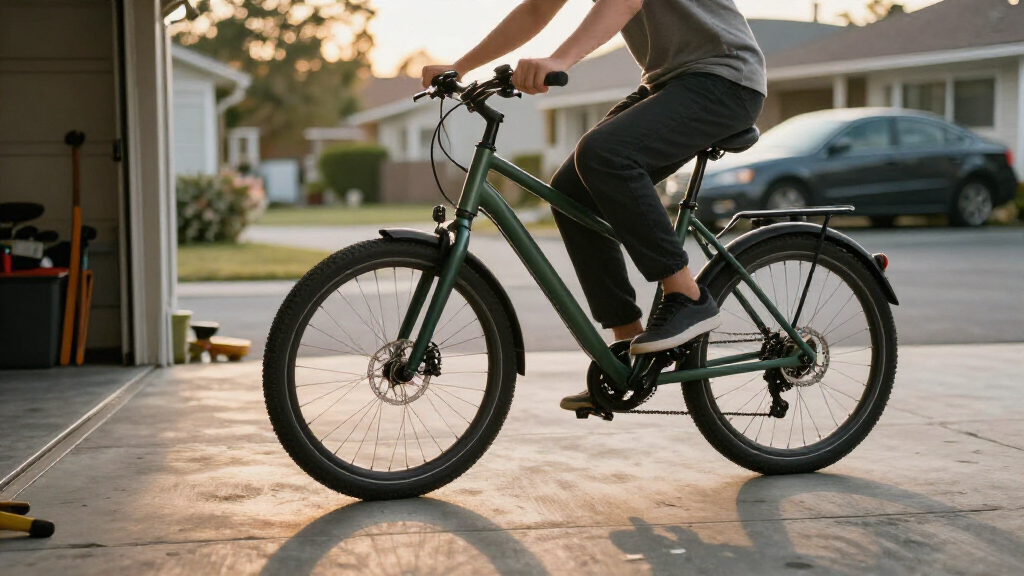
I compared these 15 bikes through the decisions that shape everyday ownership: motor output, stated battery capacity and range, tire and suspension setup, frame practicality, and listed safety or control features. I gave extra weight to usable formats and clear buyer information, since a large peak-power figure or long range claim does not by itself show how well a bike fits a commute or a storage space. Certification claims, where provided, help distinguish bikes with a stated electrical safety credential, but they do not replace checking the exact model and local requirements.
The ranking favors bikes with a practical mix of comfort, equipment, and accessible use over models whose main distinction is extreme speed or power. That puts the Jasion Roamer/ST near the top as a broadly usable certified option, and gives the Funhang a clear value-oriented role based on its rack, front suspension, and moderate stated speed. High-output models remain relevant for riders who understand their needs and local rules; compact, folding, and premium-style choices rank for specific use cases rather than universal appeal. Several listings share model names or close variants, so buyers should confirm the exact version, battery, and equipment before choosing.
Factors to Consider When Choosing Best Electric Bikes
Choosing an electric bike starts with the rides and constraints you actually have. A bike that looks compelling on a spec sheet can be awkward to store, excessive for local paths, or short on range when used at high assist. These factors help turn broad claims into a shortlist that suits your routes, body, and daily routine.
Match motor output to your route and local rules
Motor figures describe only part of how a bike will feel: gearing, controller settings, rider weight, and incline all affect acceleration and hill climbing. Ask whether your regular route has steep grades or heavy loads before paying extra for a high peak-power claim. High advertised speeds may exceed the limits for ordinary e-bikes where you ride, and a bike’s legal classification can depend on its assist behavior as well as its motor. Check the exact model’s operating modes and local rules before buying. More output can also mean faster battery use and greater demands on braking and handling. For flat commutes, manageable power and predictable control may matter more than a large headline number.
Treat range as a route estimate, not a guarantee
Manufacturers’ range figures are usually tied to specific conditions, so compare the stated battery capacity and the assumptions behind the claim where available. Frequent stops, hills, cold weather, heavy cargo, high assist, and higher speed can all reduce distance per charge. Work out your round-trip distance, then leave a reserve for detours and battery aging instead of planning to arrive at the advertised maximum. A removable battery is useful if you cannot bring the whole bike indoors to charge, but check its weight and how it locks into the frame. If your commute pushes the claimed range, prioritize a charging plan or a larger verified battery over an optimistic estimate.
Choose tire and suspension setup for your actual surfaces
Fat tires can soften the feel of rough pavement and loose paths, but they add rolling resistance and can make a bike heavier to maneuver or store. Suspension can reduce jolts on broken roads, yet it adds components that may need service and does not replace sensible tire pressure. On smooth city routes, a lighter, narrower setup may be easier to pedal and park. For gravel or uneven ground, consider tire clearance, suspension travel, and the quality of the brakes alongside tire width. A wide tire alone does not establish that a bike is suitable for technical trails. Think about the worst surface you regularly ride, not just the most exciting one.
Check fit, weight, and storage before choosing a frame
Frame size and riding position affect comfort more than a long feature list, so look for a size chart and measurements that match your height and preferred posture. A folding design can solve apartment or vehicle storage problems, but folding bikes can still be heavy to lift and may take up more space than expected. Measure doorways, elevators, and the area where the bike will be stored before ordering. If you need to carry the bike upstairs, confirm the listed bike weight and whether the battery can be removed to reduce the lifting load. Rear racks and step-through frames can make errands easier, but check the rack’s rated capacity and whether accessories are included.
Read safety and service details beyond the feature headline
A certification listed for one version may not apply to every variant sold under a shared model name, so verify the exact bike and battery configuration. Check the brake type, replacement pad availability, lighting, and whether the display clearly shows speed and battery state. Ask what warranty coverage applies to the battery, motor, and frame, and whether service parts are available where you live. A removable battery is convenient only if replacements can be sourced and the charging instructions are clear. Keep an eye out for vague listings that combine several versions with different motors or batteries. Clear documentation and accessible support can matter more over years of riding than a small increase in peak output.
Frequently Asked Questions
Can I ride a high-speed electric bike on ordinary bike paths?
That depends on where you live and how the bike is classified. Local rules may set limits for motor power, assisted speed, throttle use, and which paths each class can use. A listing’s advertised top speed does not establish that the bike is permitted on a particular route. Check the exact model’s settings and your local transport authority’s rules before riding. If your regular route uses shared paths, a lower-speed model may be the more practical choice.
How much range should I plan for on my daily commute?
Start with your full round-trip distance, then add a reserve for detours, hills, weather, and battery aging. The advertised maximum range is not a dependable daily planning figure because it can assume low assist and favorable conditions. Heavier riders, cargo, frequent stops, and higher speeds can all shorten a charge. If you cannot charge at work, compare the battery capacity and real-world range reports for the exact version you are considering. A commute that uses only part of the battery on a typical day gives you more flexibility.
Is a fat-tire electric bike a good choice for city commuting?
It can be, especially if your route includes rough pavement, gravel shoulders, or occasional soft ground. Fat tires can add comfort and grip, but they also tend to make a bike heavier and less efficient on smooth streets. Consider where you will park it and whether you need to carry it up stairs. For mostly paved routes, a lighter bike with narrower tires may be easier to handle day to day. Choose wide tires for the surfaces you ride, rather than assuming they are an upgrade in every setting.
Does a UL2849 listing apply to every version of a bike?
Not necessarily. Listings may cover a particular model configuration, while a product page can group together versions with different batteries or components. Confirm the exact model name and electrical configuration with the seller, and check the documentation that comes with the bike. Certification is useful information about the electrical system, but it does not establish that the bike fits your route or local speed rules. Also check whether replacement batteries and service support are available for the certified version.
Should I choose a folding bike if I have limited storage?
A folding frame can make storage and transport easier, but it does not automatically make a bike light or easy to carry. Check the folded dimensions against your closet, car, or elevator, and confirm how much the bike weighs with the battery installed. Consider how often you will fold it and whether the latch is practical for your routine. If you only need to save floor space at home, a compact standard frame may be simpler. A folding model makes the most sense when you will use its smaller footprint regularly.
Conclusion
For the broadest mix of everyday practicality and a listed safety credential, I recommend the Jasion Roamer/ST as best overall. The Funhang Electric Bike is my best value-style choice for riders who want a rack, front suspension, and a moderate stated speed in one package. Beginners may prefer the Funhang’s more approachable spec profile over the high-output Thunder or EcoE models. For riders who prioritize folding storage, the Aipas F3 Max is the lineup’s specific compact pick; those seeking very high stated power should compare the EcoE carefully against local rules and their need for that speed. Before ordering any model, verify its exact variant, fit, battery, and service support.