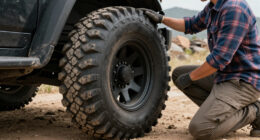
Belt drives off pavement aren’t automatically a bad idea. They offer smooth operation and a quieter ride, making them ideal for rugged trails. With proper maintenance, like checking tension and cleaning the belt, you can enhance performance considerably. Adjusting your bike’s setup for terrain and using effective riding techniques can further improve traction and control. So, if you’re curious about maximizing your belt drive experience, there’s plenty more to discover that can elevate your off-road adventures.
Key Takeaways
- Belt drives provide smooth operation, reducing maintenance needs and enhancing the off-road experience compared to traditional systems.
- With proper techniques, belt drives can handle rugged trails effectively, dispelling the myth they are only suitable for asphalt.
- Regular maintenance, including checking belt tension and cleanliness, ensures optimal performance even on challenging terrains.
- Adjusting bike setup, such as tire pressure and suspension, can significantly improve traction and handling on uneven surfaces.
- Understanding terrain dynamics and employing effective riding techniques can maximize belt drive performance off pavement.

When you take your belt drive off pavement, you’re not just shifting gears; you’re entering a world where traction and terrain dynamics play vital roles. Many riders think that belt drives are solely for smooth asphalt, but that’s a misconception. With the right mindset and techniques, you can enjoy the unique belt advantages even on rugged trails. The smooth operation of a belt drive translates to less maintenance and a quieter ride, making it appealing for off-road adventures. To guarantee you maximize your belt drive’s potential, you’ll need to pay attention to a few maintenance tips. Regularly check the belt tension and inspect it for any signs of wear or damage. An improperly tensioned belt can lead to slippage, especially when climbing steep inclines or maneuvering loose surfaces. Keeping it clean is also essential; dirt and debris can wear it down faster than you might expect. Terrain considerations are critical when you venture off-pavement. Different surfaces—like mud, gravel, or sand—can affect your bike’s performance factors greatly. For instance, in loose gravel, you might find your traction slipping away faster than you’d like. Understanding how your belt drive reacts to these surfaces helps you adjust your riding techniques accordingly. You may need to shift your weight or change your speed to maintain that vital grip. Setup challenges can also arise when you’re off the beaten path. You might need to tweak your bike’s suspension or tire pressure to better suit the terrain. A lower tire pressure can increase the contact patch, giving you better grip on uneven surfaces. However, be cautious; too low can lead to pinch flats. Riding techniques play a big role in your success with a belt drive off-road. For example, when maneuvering rocky terrain, you’ll want to maintain a steady pace instead of sudden acceleration. That smooth throttle control allows your belt to grip better without over-exerting itself. When you’re in loose conditions, try to keep your momentum; it helps you glide over obstacles rather than getting bogged down. Additionally, understanding how belt drive systems respond to different terrains can help you optimize your riding style and prevent potential issues. Recognizing how traction varies across surfaces can help you adapt your riding approach more effectively.

Belt Drive Driving Sprocket Kit for 2 Stroke Engine
- Compatibility: Fits 66cc and 80cc bikes
- Package Includes: Drive pulley, rear wheel pulley, T-belt
- Drive Pulley Diameter: 39mm (11-12T sprocket)
As an affiliate, we earn on qualifying purchases.
As an affiliate, we earn on qualifying purchases.
Frequently Asked Questions
What Are the Benefits of Belt Drives Over Chain Drives?
Belt drives offer several advantages over chain drives, including improved performance efficiency and noise reduction. You’ll notice that belts run smoother, which means less vibration and quieter operation. They also require less maintenance since they don’t need frequent lubrication like chains do. This can save you time and hassle. Plus, belts tend to have a longer lifespan, giving you better value overall. Embracing belt drives can enhance your riding experience considerably.
How Does Belt Drive Maintenance Compare to Other Systems?
Belt drive maintenance is generally simpler than other systems. You’ll mainly need to check the belt tension regularly, which is less labor-intensive than adjusting chain drives. Maintenance frequency is usually lower since belts don’t require regular lubrication like chains do. This means you can spend more time riding and less time in the garage. Overall, belt drives offer a more convenient maintenance routine, making them a popular choice for many riders.
Can Belt Drives Handle Heavy Loads Effectively?
Yes, belt drives can handle heavy loads effectively. When you look at their load capacity, they often perform well under significant stress. Durability tests show that with proper maintenance, they can withstand heavy use without failing. You’ll find that many industrial applications rely on belt drives for their ability to transfer substantial power efficiently. Just make certain you choose the right materials and design to match the demands of your specific application.
What Types of Vehicles Commonly Use Belt Drives?
You’ll commonly find belt drives in various vehicles, especially in off-road applications like ATVs and dirt bikes, where durability is key. Electric scooters also utilize belt drives for their smooth acceleration and efficiency. These systems provide reliable power transfer, making them ideal for both recreational and practical uses. Whether you’re tackling rugged trails or commuting in the city, belt drives offer versatility and performance across a range of vehicles.
How Does Weather Affect Belt Drive Performance?
Weather conditions can considerably affect your belt drive’s performance. In wet or snowy weather, you might notice reduced traction and slippage, making it harder to maintain control. Cold temperatures can stiffen the belt, leading to less flexibility and efficiency. Conversely, extreme heat can cause the belt to wear out faster. To optimize performance, keep an eye on the weather and adjust your driving style accordingly, ensuring a safer ride.
Conclusion
To sum up, venturing off pavement with a belt drive isn’t just a wild idea; it can be a thrilling escape into adventure. You’ll discover that the world beyond the asphalt is bursting with opportunities, from scenic trails to hidden gems waiting to be explored. So, don’t shy away from the dust and dirt—embrace it! After all, the journey off the beaten path can turn into the ride of a lifetime, where every moment feels like pure freedom.