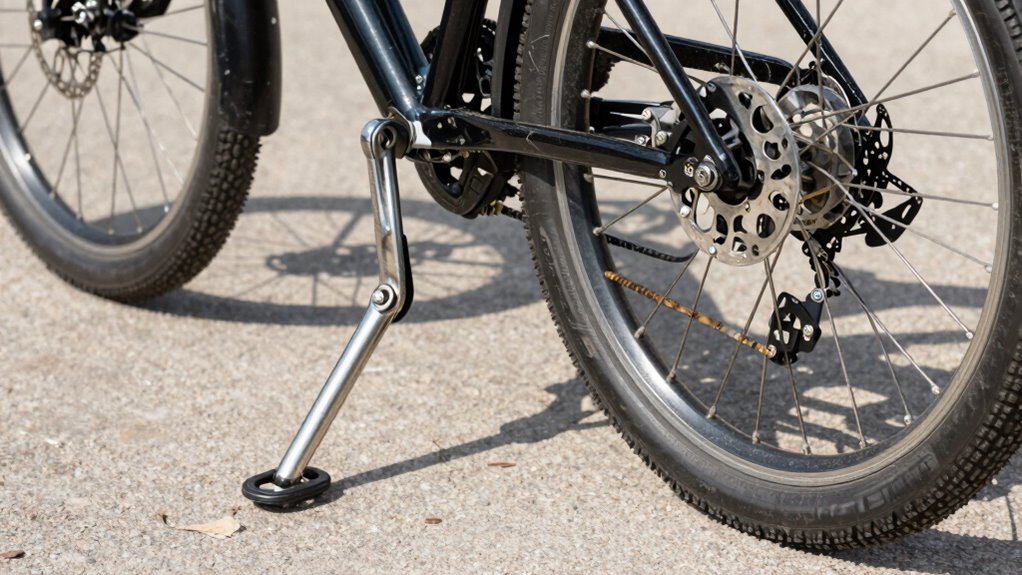

Hitch carriers often fail at the receiver long before your bike even starts to come loose, usually due to poor compatibility, improper fit, or overloading. Mismatched or weak receivers can bend, crack, or become damaged from uneven weight distribution or stress. To avoid this, verify your receiver is rated for your carrier’s weight, maintain a snug fit, and manage loads properly. Staying aware of these issues can help you prevent early failures; stay tuned to learn more.

Get business pricing on garage and car supplies
- Business-only prices and quantity discounts
- Tax-exempt purchasing
- Multiple users, one account, clear invoices
Key Takeaways
- Receiver stress from improper load distribution often causes failure before the bike detaches.
- Mismatched or incompatible hitch receivers increase risk of early failure.
- Loose fitting shanks can cause uneven weight transfer, stressing the receiver.
- Overloading or exceeding the receiver’s rated capacity leads to premature damage.
- Regularly verifying compatibility and proper weight management extends receiver lifespan.
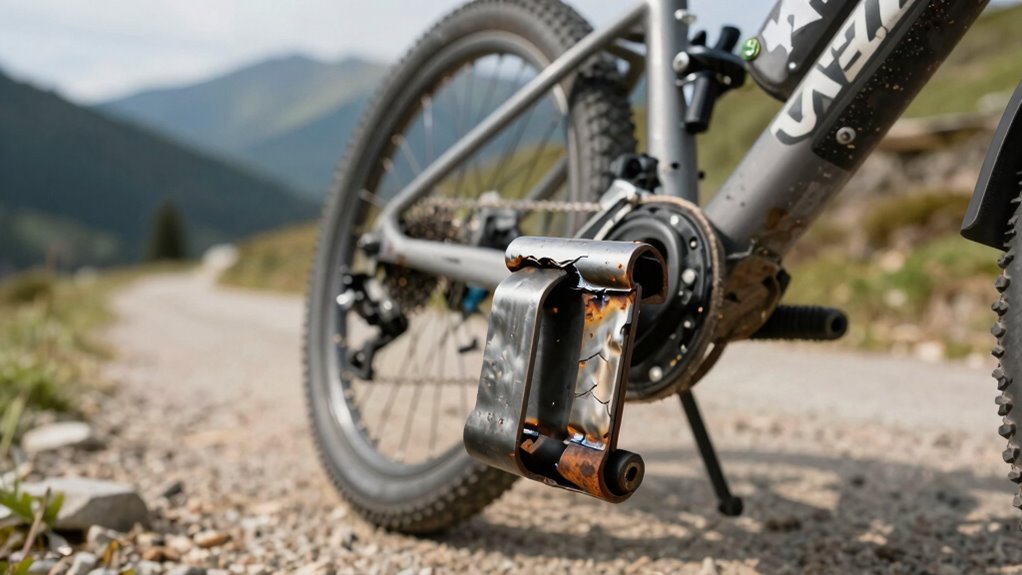
Many hitch carriers fail prematurely—not because the bike falls off, but because the receiver itself gives way first. When you’re loading up your bike, you might focus on the carrier’s quality or the security straps, but the real weak link often lies in the receiver. If your receiver isn’t compatible with your hitch carrier, or if you overlook proper weight distribution, you risk damaging your vehicle’s hitch receiver long before your bike ever hits the ground.
Hitch receiver failure often causes more damage than the bike falling off. Compatibility and weight distribution are key.
Receiver compatibility is essential. Not all hitch receivers are created equal, and using a mismatched or incompatible receiver can lead to stress and eventual failure. For example, a Class III receiver might not support a heavy-duty carrier designed for Class IV or V hitches. You need to make sure that your hitch carrier’s shank fits snugly into the receiver without any wobbling or looseness. A loose fit means uneven weight transfer and increased strain on the receiver, which can cause it to bend or crack over time. Double-check the receiver size and weight capacity before attaching your carrier. If you ignore compatibility, you’re setting yourself up for potential failure, risking costly repairs and dangerous situations on the road.
Weight distribution plays an equally important role. When you load your bike onto the carrier, you should distribute the weight evenly across the platform and ensure it doesn’t sit heavily towards the rear or front of the carrier. Improper weight distribution puts additional stress on the receiver, especially if the load shifts during transit. If you overload one side or load the bike too far back, you increase leverage on the receiver, which can cause it to bend or detach. Always follow the manufacturer’s instructions regarding weight limits and placement. Using a hitch with a proper weight distribution system can help spread the load more evenly, reducing strain on the receiver and prolonging its life. Additionally, ensuring that your receiver is properly rated for the expected load capacity is crucial to prevent failure. Being aware of the receiver’s rated capacity and adhering to it is vital to avoid overload situations that can lead to failure.
Ignoring these factors can lead to more than just a failed hitch; it can cause damage to your vehicle’s frame or hitch system. It’s tempting to prioritize convenience, but taking the time to verify receiver compatibility and properly distribute weight is essential for safety and longevity. When you do this correctly, your hitch carrier stays secure, and your rides go smoothly. Remember, a well-matched receiver and thoughtful weight management are your best defenses against premature hitch failure.
hitch receiver compatibility gauge
As an affiliate, we earn on qualifying purchases.
As an affiliate, we earn on qualifying purchases.
Frequently Asked Questions
How Often Should Hitch Receivers Be Inspected for Damage?
You should inspect your hitch receiver regularly, ideally before each trip, to guarantee safe hitch installation and towing safety. Look for signs of damage, rust, or wear, especially around the receiver and hitch pin areas. Frequent inspections help catch issues early, preventing failures that could cause accidents. By maintaining a routine check, you keep your towing setup secure, prolong its lifespan, and prioritize safety for every journey.
What Are Signs of a Failing Hitch Receiver?
You’ll notice signs of a failing hitch receiver through hitch corrosion, which weakens its structure, and hitch misalignment, causing instability while towing. If you see rust, cracks, or bending, it’s time to replace or repair. Also, pay attention to unusual noises or difficulty attaching the hitch. Regular inspections help catch these issues early, preventing failure at the receiver long before your bike or load comes loose.
Can Weather Conditions Weaken Hitch Receiver Integrity?
Yes, weather conditions can weaken hitch receiver integrity. Corrosion risks increase when exposed to moisture, snow, and road salt, causing rust that deteriorates the metal over time. Temperature impacts also play a role; extreme cold can make the metal brittle, while heat can weaken its strength. Regularly inspecting your hitch and applying protective coatings can help prevent weather-related damage, ensuring your hitch stays secure and reliable.
Are There Specific Hitch Receiver Brands More Prone to Failure?
Some hitch receiver brands are more prone to failure due to poor hitch compatibility or inadequate receiver weight limits. You should carefully check the manufacturer’s specifications and guarantee your hitch meets or exceeds the weight limits for your bike carrier. Avoid cheap or poorly rated receivers, as they’re more likely to crack or fail under stress. Investing in reputable brands with strong safety standards minimizes the risk of early failure and keeps your bike secure.
How Does Towing Frequency Affect Hitch Receiver Lifespan?
Think of your hitch receiver as a steady ship braving relentless storms; towing often wears it down over time. Frequent towing, especially with heavy loads, accelerates wear on the hitch material, reducing its lifespan. If you constantly push your hitch to its limits with heavy towing weight, it’s like sailing through turbulent waters—eventually, fatigue sets in. Regular checks and mindful towing can extend your hitch’s voyage.
Conclusion
You might think the real danger is your bike falling off, but it’s the hitch receiver’s failure that often goes unnoticed. Like a silent alarm, it’s the weak link that can compromise your entire journey. While your bike stays securely in place, the receiver’s hidden cracks can cause disaster long before you even realize. Remember, sometimes the biggest threat isn’t what’s visible—it’s what’s hidden behind the scenes, quietly waiting to let you down.
Halloween Picks
halloween
As an affiliate, we earn on qualifying purchases.