
Effective heat management on large V-twins starts with maximizing airflow, not relying on magic shields. You’ll find that airflow dynamics play a crucial role in cooling your engine and ensuring a smooth ride. Keep your air-cooled fins clean, inspect components regularly, and consider your riding style to enhance cooling. Aftermarket enhancements, like high-performance air filters or upgraded exhausts, can further improve airflow. There’s more to discover about maintaining ideal temperatures for your bike.

Get business pricing on garage and car supplies
- Business-only prices and quantity discounts
- Tax-exempt purchasing
- Multiple users, one account, clear invoices
Key Takeaways
- Effective engine cooling is primarily achieved through optimized airflow, not just relying on heat shields.
- Air-cooled fins enhance heat dissipation, making their maintenance critical for engine temperature management.
- Riding at higher speeds increases airflow, aiding in cooling, while traffic congestion can lead to overheating.
- Aftermarket enhancements, like high-performance air filters and exhaust systems, can significantly improve airflow efficiency.
- Understanding and managing airflow dynamics is essential for preventing overheating and ensuring optimal bike performance.
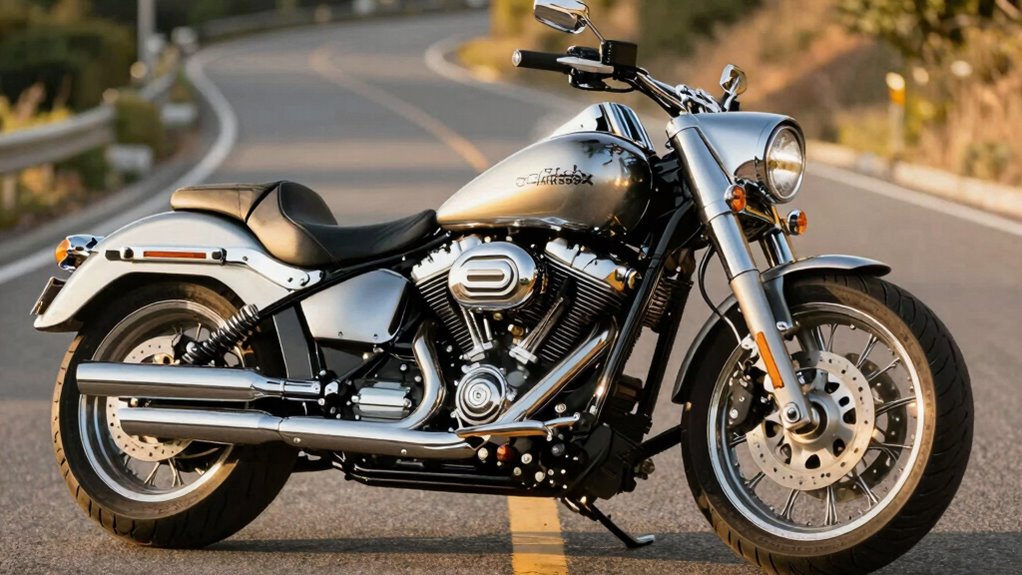
As you cruise down the road, the engine heats up, and that heat needs to dissipate efficiently. You might think that adding a fancy heat shield can solve the problem, but the real magic lies in how air moves around your bike. Proper airflow helps carry heat away from the engine, allowing it to run cooler and more effectively. When you’re aware of airflow dynamics, you can make smart choices about your ride, including how you position yourself and your bike.
Effective engine cooling relies on optimizing airflow, not just adding heat shields. Embrace airflow dynamics for a smoother ride.
First, consider the design of your bike. Many large V-twins come equipped with features like air-cooled fins, which increase surface area for better heat dissipation. If your bike has these features, make sure they’re clean and free from debris. Blocked airflow can lead to overheating, so take a moment to inspect and maintain these components regularly.
Next, think about your riding style. When you’re cruising at higher speeds, the wind naturally cools your engine, but if you’re stuck in traffic or moving at slower speeds, airflow can diminish. In those situations, you might want to plan your routes to avoid congestion. Additionally, taking breaks during long rides can help your bike cool down, making certain that it continues running smoothly. Optimizing airflow can significantly improve the cooling process and prevent overheating issues. Recognizing how engine cooling systems work can help you better understand the importance of airflow management. A good understanding of airflow dynamics enables you to anticipate and address potential overheating before it becomes a problem.
You can also enhance engine cooling by using aftermarket products designed to improve airflow. Some riders invest in high-performance air filters or exhaust systems that help maximize the efficiency of airflow around the engine. These modifications can make a noticeable difference in keeping your bike cool under pressure.
Ultimately, good heat management isn’t about slapping on gimmicks; it’s about understanding and optimizing airflow dynamics. By focusing on these principles, you’ll guarantee your large V-twin runs efficiently and reliably for years to come. So next time you head out, remember: it’s all about that airflow. Embrace it, optimize it, and enjoy the ride. Proper airflow management plays a crucial role in maintaining engine health and performance.
large V-twin air-cooled fins cleaning kit
As an affiliate, we earn on qualifying purchases.
As an affiliate, we earn on qualifying purchases.
Frequently Asked Questions
How Do Riding Habits Affect Engine Heat Management?
Your riding habits considerably affect engine heat management. When you ride at higher speeds, airflow helps cool the engine more effectively. In heavy traffic, however, the reduced airflow can trap heat, causing the engine to run hotter. You’ll notice that frequent stops and slow speeds increase temperatures, so adjusting your riding speed or finding ways to keep moving can help manage heat better. Stay aware of your surroundings to optimize your engine’s performance.
What Role Does Ambient Temperature Play in Heat Dissipation?
Ambient temperature plays an essential role in heat dissipation; think of it as a double-edged sword. On hot days, high ambient air temperatures reduce cooling efficiency, making it harder for your engine to transfer heat away. Conversely, cooler air enhances heat transfer, helping your engine stay within ideal operating temperatures. So, as you ride, be mindful of temperature effects; they can greatly impact how well your engine manages heat.
Are Aftermarket Exhausts Beneficial for Heat Management?
Yes, aftermarket exhausts can be beneficial for heat management. With a focus on exhaust design, they often improve airflow, which helps dissipate heat more effectively. As you performance tune your bike, a better exhaust system reduces engine temperature by enhancing gas flow and minimizing back pressure. This not only keeps your engine cooler but can also boost overall performance, making your ride smoother and more efficient.
How Often Should I Check My Cooling System?
You should check your cooling system like you’d check a pulse—regularly and attentively. Aim for once a month, especially during the riding season. Keep an eye on your coolant levels; they should be topped off to avoid overheating. Also, don’t forget radiator maintenance—cleaning out debris and ensuring the hoses are in good shape can make a big difference. Staying proactive helps keep your ride smooth and your engine cool.
Can Engine Oil Type Influence Heat Management Efficiency?
Yes, the type of engine oil you choose can greatly influence heat management efficiency. Using the right oil viscosity helps guarantee proper lubrication, reducing friction and heat buildup. Synthetic oils offer added benefits, like better thermal stability and lower volatility, which can enhance engine performance in high temperatures. By selecting a suitable oil, you’ll not only protect your engine but also improve its overall heat management. Regularly check your oil to maintain peak performance.
Conclusion
In managing heat on large V-twins, remember this: airflow matters, not magic shields. Prioritize ventilation to keep your ride cool, adjust your setup for peak performance, and embrace the power of simple solutions. By focusing on airflow, you enhance efficiency, prolong engine life, and guarantee a smoother ride. So, as you hit the open road, let the wind guide you, let the heat dissipate, and let your passion for riding thrive.
Halloween Picks
halloween
As an affiliate, we earn on qualifying purchases.