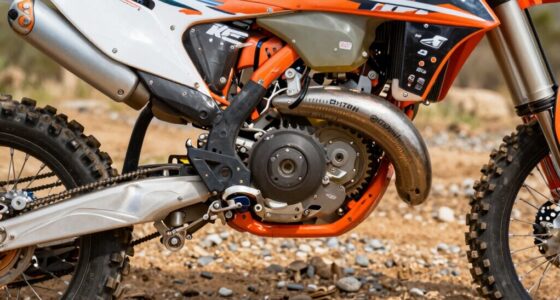

When you compare PDS and Linkage systems, it might seem like a heated debate. However, the real differences become clear only when you ride both back-to-back. PDS offers a plush, forgiving feel over rough terrain, perfect for aggressive trails, while Linkage delivers a stable, predictable ride, ideal for smoother paths. Your personal riding style will guide your preference, but experiencing both firsthand can shift your perspective. Keep exploring to discover how each system shapes your ride.

Get business pricing on garage and car supplies
- Business-only prices and quantity discounts
- Tax-exempt purchasing
- Multiple users, one account, clear invoices
Key Takeaways
- PDS offers a plush ride for aggressive trails, while Linkage provides a more predictable and stable experience on smoother terrain.
- Personal riding style heavily influences system preference; some prioritize impact absorption, while others seek consistent handling.
- Riding both systems back-to-back reveals nuanced differences that may not be apparent in discussions alone.
- Maintenance requirements differ, with PDS often needing more attention for optimal performance compared to Linkage.
- Ultimately, the best choice depends on individual feel and riding experience rather than just technical specifications.
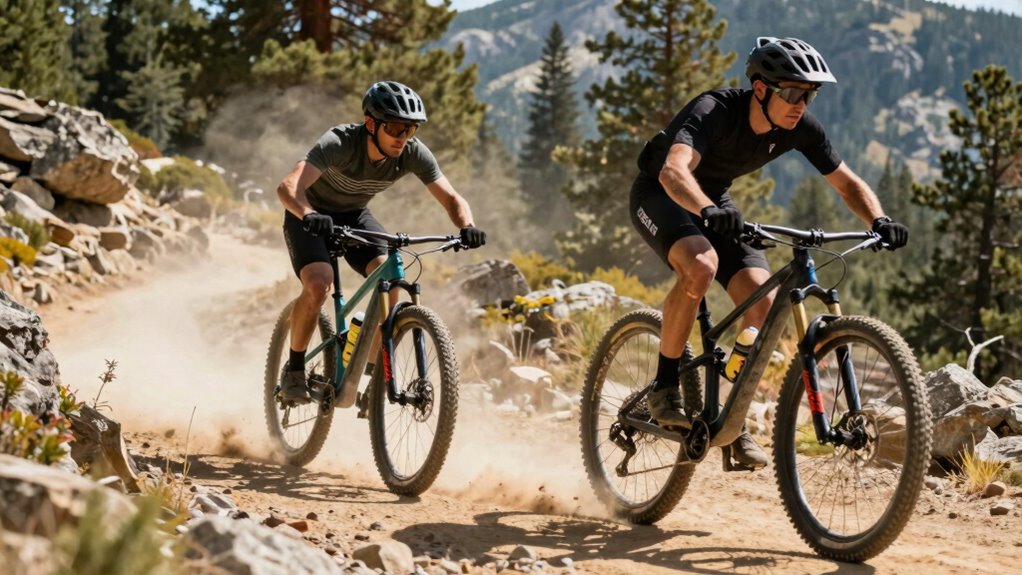
When you plunge into the debate between PDS and Linkage, it might feel like you’ve stepped into a heated forum fight. Riders are split, some swearing by the performance of one system over the other. But before you get too caught up in the arguments, it’s essential to understand what each system offers. Both PDS and Linkage aim to enhance suspension performance, but they go about it in very different ways.
PDS, or Progressive Damping System, delivers a unique feel that many riders appreciate. It’s designed to provide a softer initial stroke for small bumps while ramping up the resistance through the travel. This means you get a plush ride over rough terrain without sacrificing bottom-out resistance when you hit bigger obstacles. If you tend to ride aggressively or tackle challenging trails, PDS might suit your style. You get that feeling of confidence, knowing your suspension can handle the tough stuff.
PDS offers a plush ride with soft initial strokes, perfect for aggressive riders tackling tough trails.
On the other hand, Linkage systems are all about versatility. They offer a more linear suspension curve, which can be appealing for riders who prefer predictability. You’ll find that this system excels in settings where you need a consistent feel, especially on smoother trails or when you’re carving through turns. If you’re someone who values a balanced ride and enjoys the nuances of handling, Linkage might be your go-to choice. Additionally, understanding the mechanical differences of each system can help you make a more informed decision. Recognizing how each system interacts with riding conditions can further influence your preference. Knowing the design principles behind each suspension type can also help you understand their strengths and limitations better. Moreover, the maintenance requirements of each system can differ significantly, impacting long-term performance and upkeep. Rider preferences play a significant role in choosing between these systems. Some riders love the plushness of PDS and the way it absorbs impacts, while others prefer the stability and predictability of Linkage. You might find that your riding style influences your choice more than the technical specs of each system. It’s not just about which is better on paper; it’s about how each system feels when you’re out on the trail.
mountain bike PDS suspension system
As an affiliate, we earn on qualifying purchases.
As an affiliate, we earn on qualifying purchases.
Frequently Asked Questions
What Is the History of PDS and Linkage Systems?
The history of PDS and linkage systems dates back to early motocross innovations. You’ll find that PDS evolution focused on simplifying suspension design, optimizing performance and reducing weight. In contrast, linkage mechanics introduced adjustable geometry, enhancing control and traction. As manufacturers experimented with these systems, they refined handling characteristics, making bikes more adaptable to various terrains. Each approach has its own merits, influencing modern designs and rider preferences in significant ways.
How Do PDS and Linkage Systems Affect Rider Comfort?
PDS and linkage systems greatly affect rider comfort through their suspension dynamics. When you ride, PDS tends to provide a stiffer feel, which can lead to less feedback on rough terrain. In contrast, linkage systems often deliver a more plush ride, enhancing rider feedback and absorbing bumps more effectively. You’ll notice that a well-tuned linkage setup can make your experience smoother, allowing you to tackle trails with greater confidence and enjoyment.
Are There Maintenance Differences Between PDS and Linkage?
Yes, there are maintenance differences between PDS and linkage systems. PDS benefits from fewer moving parts, which typically means less frequent maintenance and easier adjustments. On the other hand, linkage systems can have drawbacks, requiring more regular inspections and potential repairs due to their complexity. You’ll find that while PDS is generally more straightforward, a linkage system can offer better performance if you’re willing to invest the time in upkeep.
Which System Is More Cost-Effective in the Long Run?
When considering cost-effectiveness, it’s easy to assume one system’s always cheaper. However, if you explore a thorough cost analysis, you’ll find that long-term savings can vary. Generally, a linkage system tends to offer better durability and lower maintenance costs over time, making it more cost-effective in the long run. Ultimately, evaluating your riding style and frequency will help you make the best decision for your budget.
Can I Convert My Bike From PDS to Linkage?
Yes, you can convert your bike from PDS to linkage, but you’ll face some conversion challenges. The process involves swapping components, which can affect your bike’s suspension performance. You’ll need to guarantee that new parts are compatible with your frame and that you adjust settings accordingly. It’s a good idea to consult with a professional or experienced rider to help you navigate the specifics and get the best results from your upgrade.
Conclusion
In the end, choosing between PDS and linkage is like picking your favorite star in a night sky; both shine bright in their own way. When you ride them back-to-back, you’ll feel the thrill of PDS’s nimble agility and the solid, grounded stability of linkage. Each has its rhythm, its pulse. So, strap in and embrace the ride—whether you prefer the swift dance of PDS or the steady beat of linkage, the adventure awaits.
Fall Picks
fall essentials
As an affiliate, we earn on qualifying purchases.