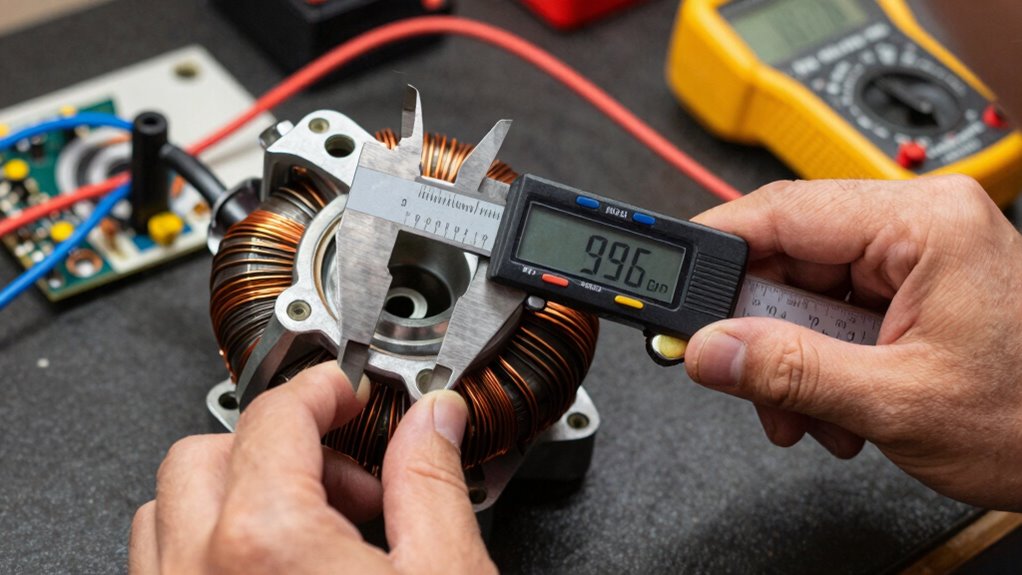

To calculate what your stator can handle, you first determine the total current draw of all your accessories by adding their individual power requirements. Check your vehicle’s alternator specs to find its maximum output, then subtract the base electrical load to find the safe capacity for extras. Keep in mind that efficiency and wiring limits matter. Staying within this budget helps avoid overloads and damage—continue exploring to learn how to do these calculations accurately.

Get business pricing on garage and car supplies
- Business-only prices and quantity discounts
- Tax-exempt purchasing
- Multiple users, one account, clear invoices
Key Takeaways
- Determine your vehicle’s maximum electrical output by checking the alternator’s rated capacity and efficiency.
- Calculate the total current draw of all accessories by adding their voltage and amperage requirements.
- Compare the total accessory load with the alternator’s maximum output to ensure it stays within safe limits.
- Consider the battery’s capacity and state of charge to assess available energy for additional accessories.
- Use power management strategies like relays and switching to prevent exceeding the stator’s handling capacity.
As an affiliate, we earn on qualifying purchases.
Why Electrical Overload Causes Problems in Your Vehicle
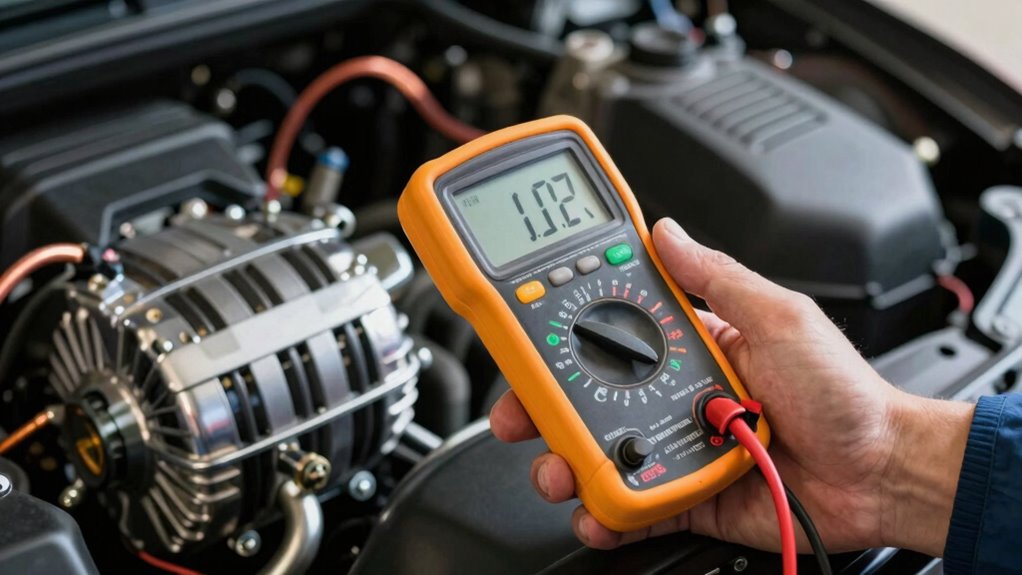
Electrical overloads happen when your vehicle’s electrical system is asked to power more devices than it can handle. This strains the system’s voltage regulation, causing fluctuations that can damage sensitive components. When too much current flows through the wiring, it can overheat and weaken wiring integrity, increasing the risk of shorts or fires. Overloading also forces your vehicle’s alternator to work harder, which can reduce its lifespan. These issues lead to unpredictable electrical behavior, like dimming lights or malfunctioning accessories. Properly managing your accessory power budget guarantees the system remains stable and protects essential parts. By understanding how voltage regulation and wiring integrity are affected during overloads, you can prevent costly repairs and keep your vehicle running smoothly. Additionally, a high-quality alternator can help manage increased electrical loads more effectively. Understanding your vehicle’s electrical capacity is crucial for preventing overloads and ensuring safe operation. Moreover, being aware of your vehicle’s power consumption limits helps in designing a reliable electrical system.
Understanding Your Vehicle’s Electrical System and Stator Power Limits
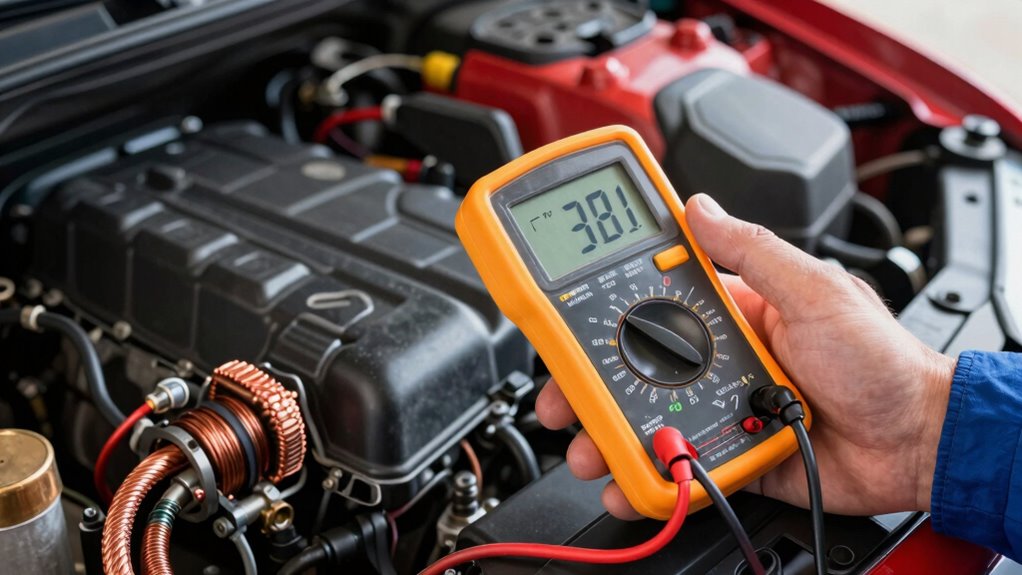
To keep your vehicle’s electrical system running smoothly, it’s important to understand how its components work together, especially the alternator and stator. Your battery capacity determines how much stored energy you have, while alternator efficiency affects how well your system generates power. The stator’s power limits depend on its design and the alternator’s capabilities. Additionally, understanding the power limits of the stator helps prevent overloads and ensures safe operation of your electrical system. Since Free Floating systems are common in various vehicle setups, recognizing their specific demands can optimize performance and longevity. Knowing the credit card processing fees involved can also help you better manage your vehicle’s maintenance expenses and avoid unexpected costs.
How to Calculate Your Vehicle’s Electrical Load Needs
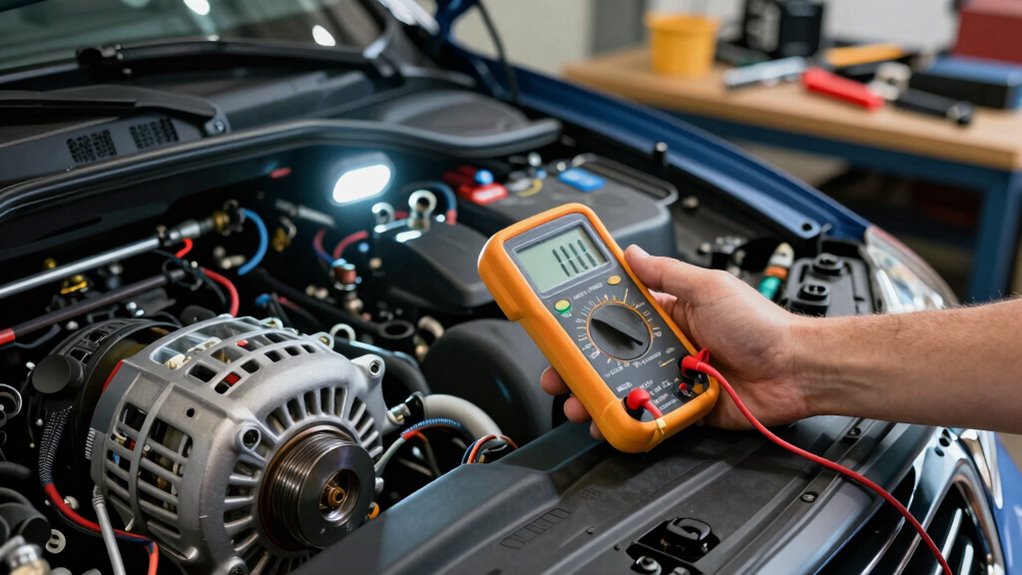
Understanding your vehicle’s electrical load needs is essential to guarantee your system can handle all connected devices without overload. To do this, start by evaluating your battery capacity—knowing how much energy your battery can store helps determine the maximum load your system can support. Next, consider the alternator efficiency, which affects how effectively it converts engine power into electrical energy. A more efficient alternator delivers more current with less strain on your engine, allowing you to add accessories without exceeding your system’s capacity. Calculate the total current draw of all devices you plan to run simultaneously, then compare this to your vehicle’s maximum output, factoring in alternator efficiency. Being aware of your vehicle’s electrical system capabilities helps ensure your entire setup remains reliable and avoids overloading your stator or wiring. Additionally, accurate load calculations are vital for preventing potential damage to your electrical components and ensuring optimal performance. Regularly monitoring your system’s performance can help identify power deficiencies before they cause issues.
Tips for Staying Within Your Power Budget When Adding Accessories
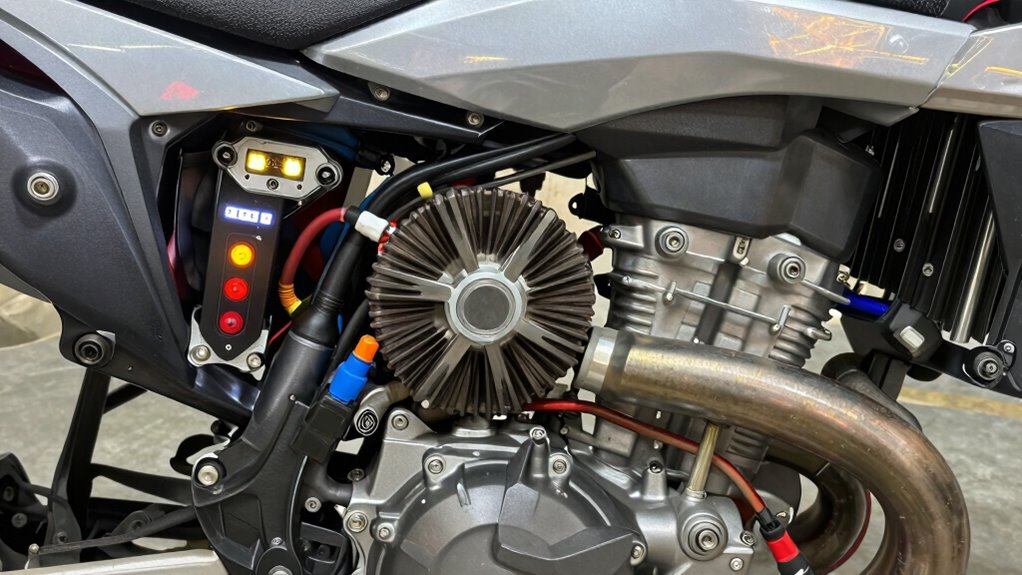
When adding new accessories to your vehicle, it’s crucial to prioritize your power budget to prevent overloading your system. Check accessory compatibility to confirm your alternator and wiring can handle the additional load. Use power management techniques, like installing relays or switches, to control when accessories are active, reducing unnecessary drain. Avoid connecting multiple high-current accessories simultaneously, which can cause voltage drops and damage. Plan your installation carefully, considering the accessory’s power draw and your vehicle’s capacity. Regularly monitor your electrical system’s performance, especially after adding new components. Ensuring proper electrical system maintenance can extend the lifespan of your system and prevent potential failures. Be aware of your vehicle’s power capacity to ensure you’re not exceeding its limits when adding accessories. Understanding your alternator output helps you stay within safe operational limits and avoid unexpected shutdowns or damage. Additionally, keeping track of your system load can help you make informed decisions about adding or removing accessories for optimal performance. To further safeguard your system, consider consulting with a professional to evaluate your battery health and ensure it can support your expanded electrical demands.
How to Troubleshoot Electrical Problems Caused by Overload
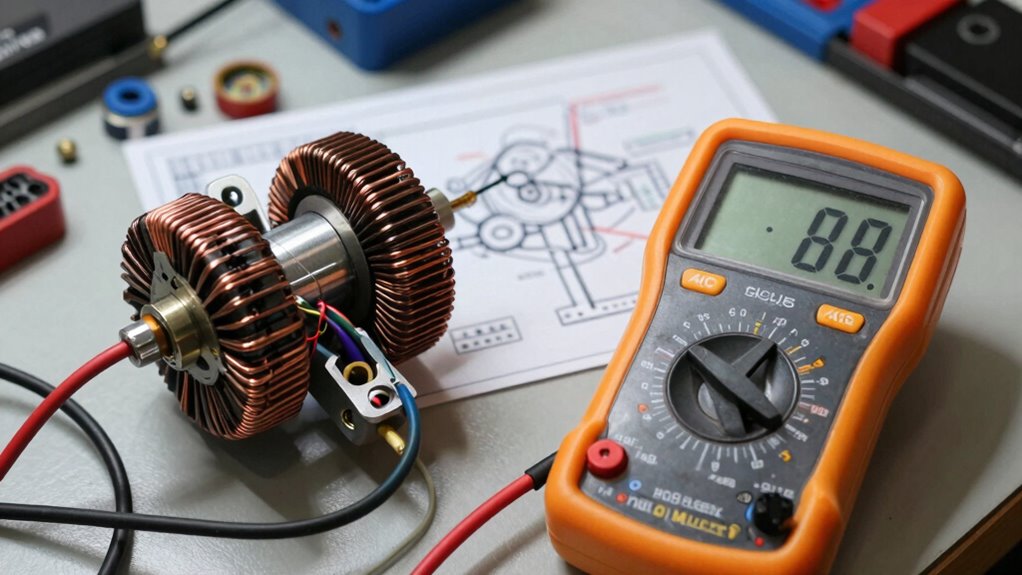
Electrical problems caused by overload often manifest as dimming lights, blown fuses, or erratic accessory performance. To troubleshoot, start by checking your fuse ratings; if a fuse keeps blowing, it’s a sign that the current exceeds its capacity. Inspect the wiring capacity of your system to guarantee wires aren’t undersized, which can cause overheating and failures. Use a multimeter to measure voltage and current at various points, identifying where the load exceeds limits. If you find that your accessories draw more current than your system can handle, consider upgrading wiring or fuses to match the required load. Always verify that your components stay within their rated capacities to prevent future overloads and electrical issues down the road. Reviewing your power budget calculations can help anticipate and prevent overloads before they occur, especially when considering the affiliate relationships involved in sourcing parts and components. Additionally, understanding the system load helps you better allocate resources and avoid dangerous overload situations. Properly accounting for your body jewelry measurements and materials ensures compatibility and reduces the risk of electrical failure or damage due to incompatible components. Being aware of filtration and pump protection techniques can also prevent debris from causing damage to the system.
Frequently Asked Questions
Can Upgrading My Alternator Increase My Vehicle’s Accessory Capacity?
Yes, upgrading your alternator can increase your vehicle’s accessory capacity. A higher-output alternator provides more power, which helps support additional devices without draining your battery or overloading wiring. To maximize benefits, consider upgrading your wiring and ensuring your battery capacity matches the increased load. This way, you’ll boost your accessory power safely and efficiently, preventing electrical issues and improving overall vehicle performance.
How Do Temperature Changes Affect Electrical Load Calculations?
Temperature changes impact your electrical load calculations through thermal expansion and temperature compensation. As temperatures rise, components expand, potentially affecting resistance and current flow. You need to adjust your calculations accordingly, incorporating temperature compensation factors to guarantee your system can handle the increased load. This way, you prevent overheating and ensure reliable power delivery, especially in extreme conditions where thermal effects are most pronounced.
Are There Safety Margins to Consider When Planning Accessory Additions?
Yes, you should always include safety margins when planning accessory additions. This means not pushing your load capacity to its absolute limit. By adding a safety margin, you guarantee your system can handle unexpected surges or temperature fluctuations, preventing overheating or damage. Typically, a 10-20% buffer is recommended, giving you peace of mind and extending the lifespan of your electrical components while maintaining reliable performance.
What Are the Signs of an Overloaded Electrical System?
Ever wonder if your system’s struggling? Signs of an overloaded electrical system include rapid battery drain, wiring overload, and dimming or flickering lights. You might also notice increased heat around wiring or connectors, and your fuses blow more frequently. These symptoms indicate your system can’t handle the added accessories, risking damage or failure. Stay vigilant and regularly check your electrical load to prevent costly repairs.
How Often Should I Reassess My Vehicle’s Power Budget?
You should reassess your vehicle’s power budget whenever you add new accessories or notice signs of electrical strain, like dimming lights or slow cranking. Regularly check your battery capacity and consider wiring upgrades if needed to support increased loads. Doing this guarantees your electrical system stays reliable, prevents overloads, and keeps your accessories functioning properly. Reassessing every 6 to 12 months is a good rule of thumb for maintaining peak performance.
Conclusion
By understanding your vehicle’s electrical system, calculating your power needs, and staying within your stator’s limits, you safeguard your vehicle from overloads, prevent electrical issues, and ensure reliable performance. Knowing how to manage your accessory power, avoiding unnecessary strain, and troubleshooting problems early keeps your system running smoothly. Stay informed, stay cautious, and stay within your power budget—because a well-maintained electrical system is the key to lasting vehicle performance and peace of mind.
Fall Picks
fall essentials
As an affiliate, we earn on qualifying purchases.