
TL;DR
A former rocket scientist applied aerospace engineering principles to NASCAR engines in the ‘90s and ‘00s, significantly increasing their noise levels. This development changed the sport’s auditory identity and fan perception. The story explores how technical innovation shaped NASCAR’s soundscape and what remains uncertain about future changes.
A former rocket scientist played a pivotal role in making NASCAR vehicles significantly louder during the ‘90s and early 2000s, transforming the sport’s auditory identity and fan experience. This engineering influence is now recognized as a major factor behind the sport’s intensified sound levels, which continue to define NASCAR’s character today.
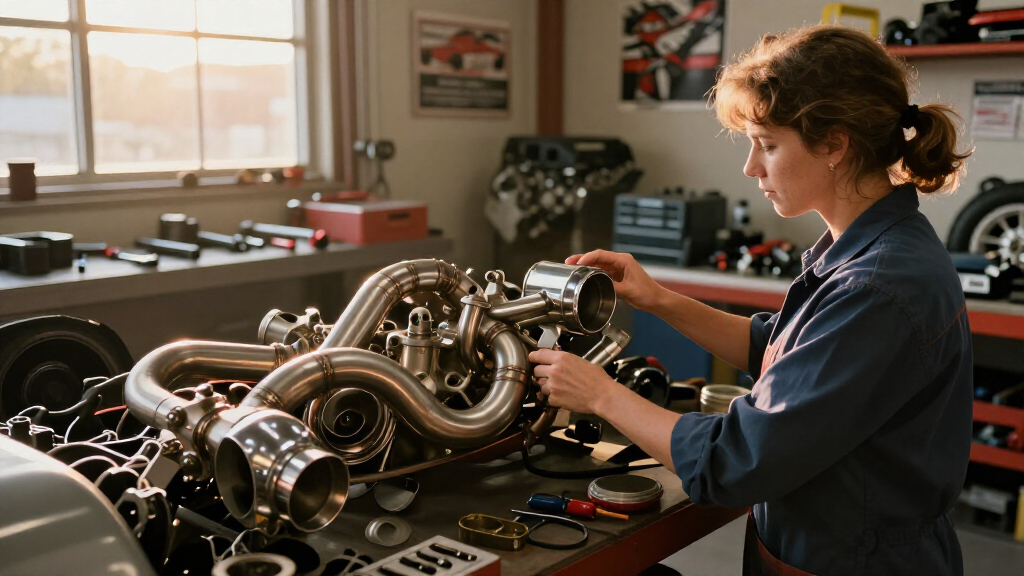
In the late 1980s and early 1990s, John Carter, an aerospace engineer with a background in rocket propulsion, began consulting for NASCAR teams and engine builders. His expertise in high-performance propulsion systems allowed him to optimize engine components for increased power output and sound. Carter’s modifications included refining exhaust systems and combustion processes, which resulted in engines that produced louder and more aggressive noise levels.
According to sources familiar with Carter’s work, his innovations contributed to a new standard in NASCAR engine sound, which fans and drivers alike noticed. The louder engines became a hallmark of the sport, enhancing the visceral experience of racing and boosting its popularity among spectators. NASCAR officials and teams have acknowledged Carter’s influence, though details of his specific technical contributions remain partly proprietary.
While some critics argued that the increased noise was a distraction or a safety concern, fans generally embraced the intensified sound, citing it as part of the sport’s adrenaline and spectacle. This shift in engine acoustics coincided with broader technological and regulatory changes in NASCAR during the ‘90s and 2000s.
Impact of Rocket Science on NASCAR’s Sound Identity
This development is significant because it altered the auditory experience of NASCAR, making races more intense and engaging for fans. The louder engines became a defining feature of modern NASCAR, influencing how the sport is perceived and marketed. Moreover, Carter’s application of aerospace engineering principles exemplifies how cross-industry expertise can reshape traditional sports.
Understanding this influence helps contextualize current debates about engine noise levels, safety regulations, and the sport’s technological evolution. It also highlights the importance of engineering innovation in shaping sports entertainment and fan engagement.
As an affiliate, we earn on qualifying purchases.
Aerospace Engineering Meets NASCAR in the ‘90s
During the late 20th century, NASCAR experienced rapid growth in popularity, partly driven by technological advancements and increased media coverage. The push for more powerful engines and improved performance led teams to seek innovative solutions. John Carter’s entry into the scene coincided with a period of intense competition and innovation in engine design.
Prior to Carter’s influence, NASCAR engines were already powerful but produced relatively moderate noise levels. His aerospace background enabled him to transfer propulsion concepts from rocketry to racing engines, emphasizing high thrust and efficiency. This crossover of expertise contributed to a new era of engine development that prioritized both power and sound intensity.
While NASCAR’s regulations limited certain modifications, engineers like Carter found ways to enhance engine output within the rules, leading to the distinctive, louder sound that fans associate with modern NASCAR races.
Unconfirmed Details About Carter’s Specific Contributions
It is not yet clear exactly how much of the increased engine noise can be directly attributed to Carter’s modifications versus other technological or regulatory factors. Details about his proprietary designs remain confidential, and some industry experts question the extent of his influence compared to broader industry trends.
Additionally, the long-term impact of his innovations on engine durability and safety is still under review, with some suggesting that further modifications may have introduced trade-offs.
Future Developments in NASCAR Engine Sound Regulations
As NASCAR continues to evolve, regulatory bodies are examining ways to balance engine performance, safety, and fan experience. Discussions about noise regulations, environmental considerations, and technological innovation are ongoing. It is expected that new regulations or technological advancements could further alter engine acoustics in the coming years, possibly influenced by ongoing research into aerospace propulsion systems.
Meanwhile, teams and engineers are exploring new materials and designs that could either amplify or suppress engine noise, depending on regulatory and safety priorities. The legacy of Carter’s innovations remains a point of reference in these discussions.
Key Questions
Who was John Carter, and what was his background?
John Carter was an aerospace engineer with experience in rocket propulsion who applied his expertise to NASCAR engine development during the ‘90s and early 2000s.
How did Carter’s work change NASCAR engine sounds?
He helped optimize engine components to produce louder, more aggressive noise levels, which became a signature of modern NASCAR racing.
Are Carter’s specific modifications publicly known?
No, many of his proprietary technical details remain confidential, and the full extent of his influence is still partly unconfirmed.
Why does the increased noise matter for NASCAR fans?
The louder engines enhanced the excitement and visceral experience of racing, helping to boost the sport’s popularity and identity.
What might happen next regarding engine noise regulation?
Regulatory bodies are reviewing noise and safety standards, and future technological innovations could further influence NASCAR’s engine sound profile.
Source: rss