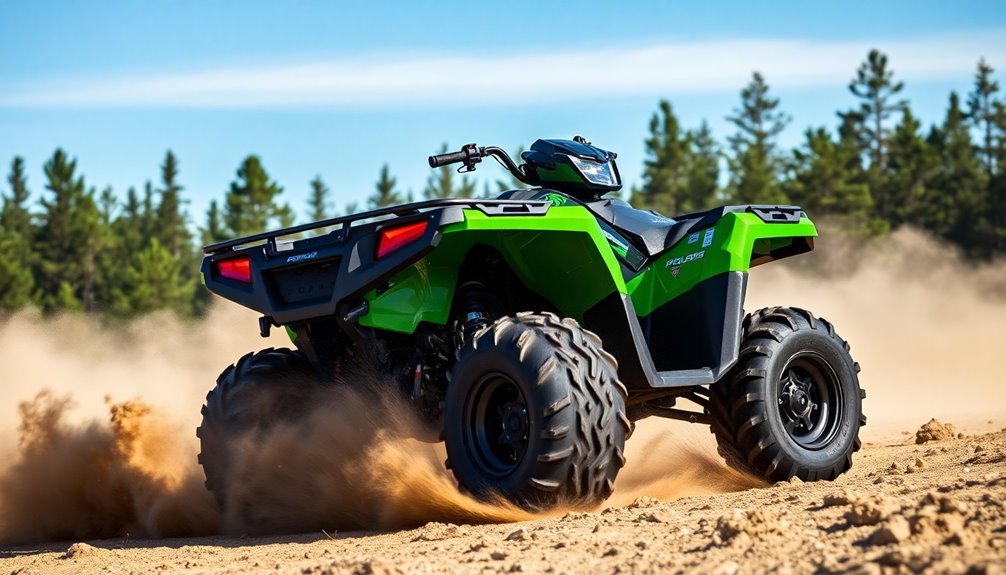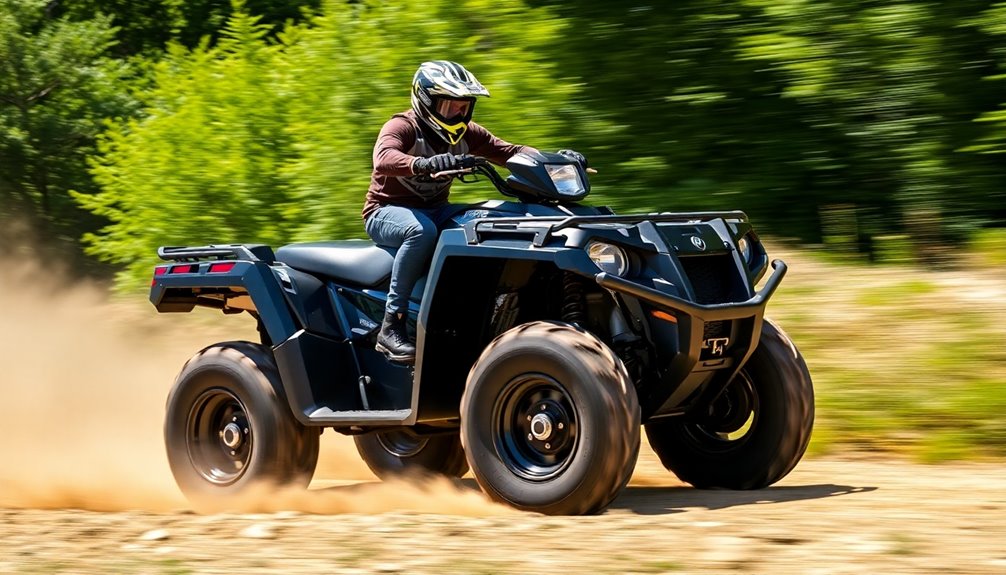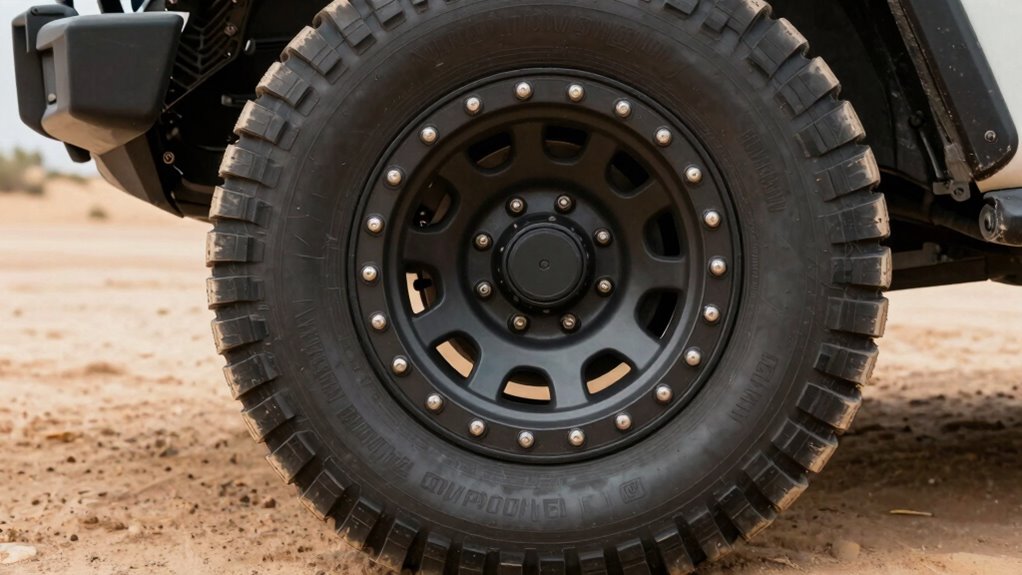

Beadlock wheels are designed to keep tires securely mounted, especially during off-road adventures with low air pressure or rough terrains. They’re helpful when you’re rock crawling, mud bogging, or using oversized tires that tend to slip. However, for everyday driving, beadlocks can be overkill—adding weight, reducing comfort, and increasing wear. If you want to know when beadlocks are truly essential and when they’re unnecessary, keep exploring the details below.
Key Takeaways
- Beadlock wheels secure tire beads at low pressures, preventing slippage during off-road activities like rock crawling and mud bogging.
- They are essential when using oversized tires or driving on rough terrain where tire bead retention is critical.
- Using beadlocks daily can increase tire wear, add weight, and potentially damage wheels if not maintained properly.
- For regular on-road driving, beadlocks may be overkill; standard rims with proper pressure management often suffice.
- Proper installation, maintenance, and considering terrain needs help determine if beadlocks are beneficial or excessive.
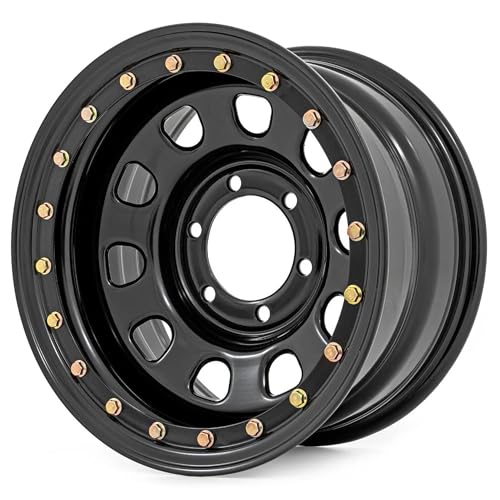
Rough Country 16×8 Black Steel Simulated Beadlock Wheel – 6×5.5, 12mm Offset, 4.25 Bore, Heavy-Duty Off-Road Rim for Trucks, Jeeps & SUVs
Rugged Steel Strength: Crafted from heavy-duty steel, these wheels are stronger and heavier than aluminum, giving you extra…
As an affiliate, we earn on qualifying purchases.
As an affiliate, we earn on qualifying purchases.
What Are Beadlock Wheels and How Do They Work?
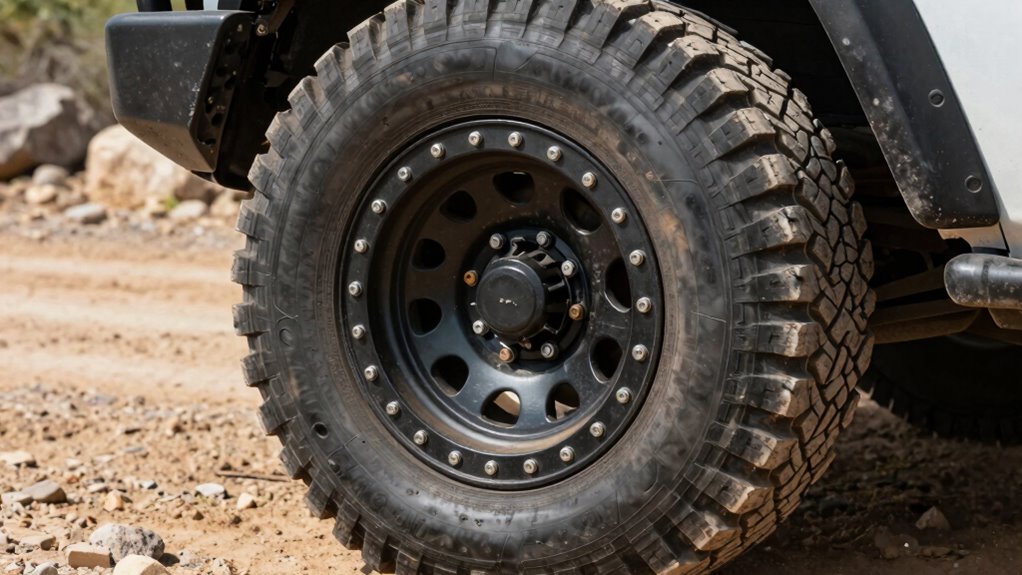
Beadlock wheels are specialized rims designed to securely hold tires in place, especially under extreme conditions like off-road driving. They achieve this by using a locking ring that clamps the tire bead tightly against the wheel’s inner edge, preventing it from slipping even when tire pressure drops considerably. Lowering tire pressure increases traction but can cause tires to unseat on regular wheels; beadlocks prevent this. The wheel materials matter too—they’re typically made from durable metals like aluminum or steel to withstand harsh terrains and stresses. This construction ensures the beadlock can handle the forces exerted during rigorous off-road adventures. Additionally, high-precision manufacturing ensures the beadlock’s components fit perfectly and maintain their integrity under stress. Proper installation and maintenance are crucial for beadlock safety, which is why understanding the material durability and proper torque specifications is essential. By maintaining proper tire bead engagement, beadlock wheels provide stability, safety, and confidence in challenging environments.
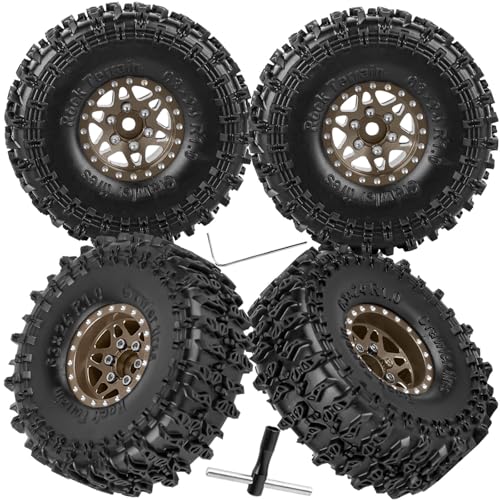
hopsupRC for SCX24 TRX4M 1/24 1/18 RC Crawler Car,Aluminum 1.0" Beadlock Wheel Tires Hub Rim 4PCS 1.0in Beadlock Heavy Duty Rim,Brown
【Compatible with】:RC 1.0" beadlock wheel for 1/18 1/24 axial SCX24 TRX4M RC Crawler Car
As an affiliate, we earn on qualifying purchases.
As an affiliate, we earn on qualifying purchases.
When Are Beadlock Wheels Necessary for Off-Roading?

Have you ever faced off-road conditions where your tires risk slipping or coming loose? Beadlock wheels become necessary when you push your vehicle to extreme terrains, especially during wheel customization and aesthetic enhancement. They’re essential if you:
Beadlock wheels are crucial for extreme off-road conditions and tire security.
- Engage in high-speed rock crawling or mud bogging, where tire retention is critical.
- Use oversized tires that increase stress on bead seats, requiring added security.
- Regularly run low tire pressures, which can cause tires to slip on traditional wheels.
- Want to prevent bead separation during aggressive off-road maneuvers.
In these situations, beadlock wheels help keep your tires securely mounted, ensuring safety and performance. They’re less about aesthetic enhancement here and more about practicality, offering peace of mind in demanding off-road environments.
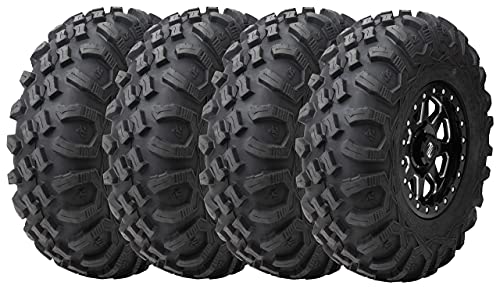
Tusk Megabite® Radial UTV Tire & Wheel Kit – 30×10-14 – Heavy-Duty Off-Road Utility Set – Compatible with Polaris RZR XP 1000
Tire Wheel Kit Includes 4 Tires, 4 Wheels and 16 Lug Nuts
As an affiliate, we earn on qualifying purchases.
As an affiliate, we earn on qualifying purchases.
How Do You Know If Your Vehicle Needs Beadlocks?
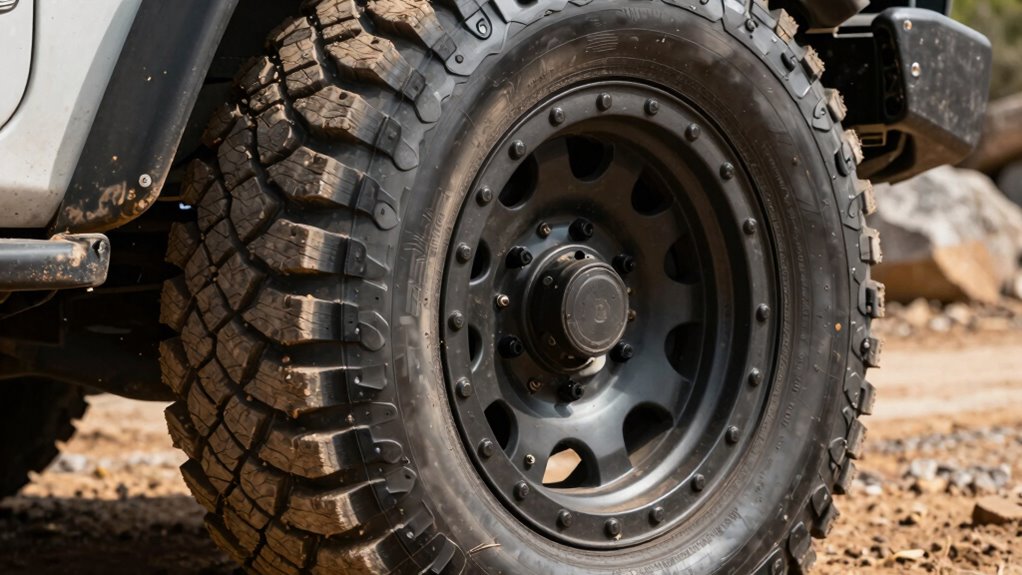
If you often hit rough terrain or need better traction, beadlocks might be worth considering. They help keep your tires secure during off-road adventures, preventing slips and loss of control. Ask yourself if your vehicle’s performance on challenging surfaces indicates a need for added tire bead security. Incorporating visual and auditory cues from speech therapy techniques can also be analogous to ensuring proper tire engagement for optimal performance. Additionally, understanding the importance of essential oils for traction and health can be compared to the significance of secure beadlocks in maintaining tire stability in demanding conditions. Recognizing the role of sound vibrations in promoting cellular health can further emphasize how essential secure connections are for overall safety and efficiency. When evaluating whether beadlocks are necessary, consider how reliable information about tire setup and vehicle demands can guide your decision-making process. Moreover, paying attention to smart technology that monitors vehicle performance can provide real-time insights to help determine if upgrading to beadlocks is beneficial.
Traction and Off-Road Use
When you’re steering through tough off-road terrain, slipping or unseating your tires can become a real problem, especially if your vehicle’s wheels aren’t equipped with beadlocks. Beadlocks improve tire grip in extreme conditions, making them essential for serious off-road adventures. Consider these factors:
- Your tires frequently lose pressure, reducing traction on rocky or muddy surfaces.
- You push your vehicle to its limits, requiring maximum tire stability.
- You value wheel aesthetics as beadlock designs often add a rugged look.
- During manufacturing, beadlocks are integrated with a specialized process that enhances durability and security, especially beneficial in rough terrains.
- Understanding the concept of Free Floating wheels can also influence your choice, as they can impact wheel performance and compatibility in off-road settings.
Knowing these signs helps determine if beadlocks are a worthwhile investment for your off-road needs.
Tire Bead Security
Your tires are slipping or losing their grip during tough off-road conditions, indicating that your current setup may lack sufficient tire bead security. If you notice frequent bead unseating or rim slips, it’s a sign your tires aren’t adequately secured to the rim. Poor rim retention can lead to bead separation, risking air loss or even losing the tire entirely under stress. Beadlocks or other secure bead retention methods help keep the tire seated tightly, especially during aggressive driving or off-road challenges. If you’re experiencing these issues, upgrading your tire bead security can improve safety and performance. Ensuring proper rim retention is essential for maintaining tire integrity under demanding conditions, preventing bead slippage, and enhancing overall vehicle stability. Additionally, understanding tire bead security can help you choose the right solution for your driving needs, especially when considering different beadlock designs and their suitability for your vehicle.
Rough Country 17×9 Black Steel Simulated Beadlock Wheel – 5×5, 12mm Offset, 3.30 Bore, Heavy-Duty Off-Road Rim for Trucks, Jeeps & SUVs
Rugged Steel Strength: Crafted from heavy-duty steel, these wheels are stronger and heavier than aluminum, giving you extra…
As an affiliate, we earn on qualifying purchases.
As an affiliate, we earn on qualifying purchases.
What Are the Risks of Using Beadlocks Every Day?
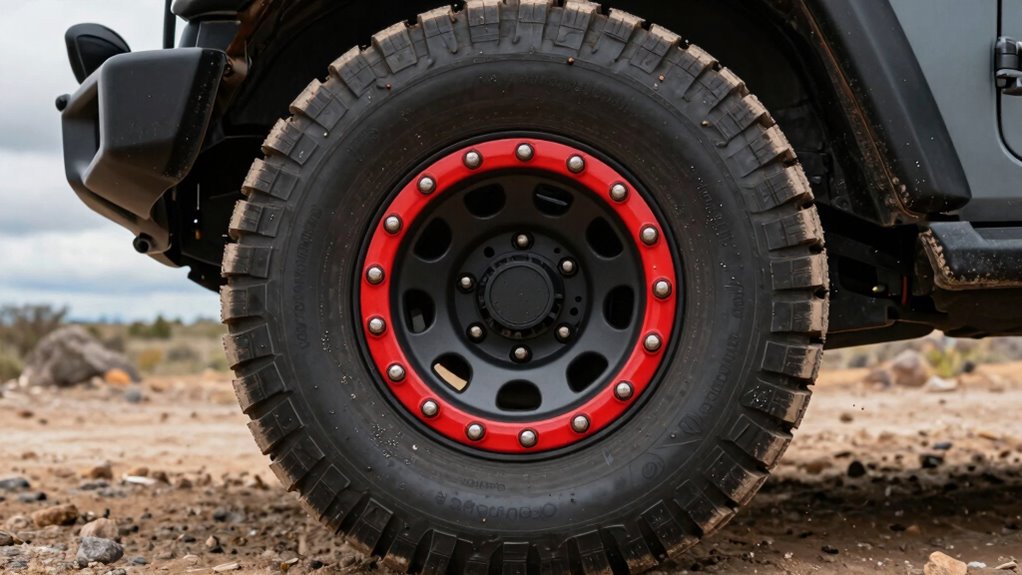
Using beadlocks every day can lead to increased tire wear and potential rim damage. You might also notice a less comfortable ride compared to standard wheels. It’s important to weigh these risks before deciding if beadlocks are right for daily driving. Additionally, improper installation or prolonged use can affect the integrity of the wheel assembly, emphasizing the need for proper maintenance and consideration of precious metal investments when evaluating overall vehicle modifications. Regularly inspecting wheel components and understanding piercing care and hygiene can help prevent damage and ensure safety during modifications. Incorporating knowledge of biodiversity can also remind drivers of the importance of preserving natural ecosystems by choosing sustainable automotive practices.
Increased Tire Wear
Have you ever wondered if daily use of beadlock wheels could accelerate tire wear? It’s possible, especially if your tire alignment isn’t perfect or your wheel balancing is off. Beadlocks can put uneven pressure on tires, leading to faster tread wear. Here are some factors to consider:
- Poor tire alignment can cause uneven contact, increasing wear on one side.
- Inadequate wheel balancing creates vibrations that stress tires unevenly.
- Over-tightening beadlocks can distort the wheel, affecting tire contact patches.
- Frequent off-road use may accelerate tread degradation due to rough terrain impact.
- Regular inspection of your tire wear patterns can help identify early signs of uneven wear and prevent premature tire replacement. Additionally, understanding wheel stress distribution can aid in maintaining optimal tire health. Proper maintenance routines, including checking tire pressure regularly, are also essential to reduce uneven stress and prolong tire life. Monitoring tire wear diagnostics can help you catch issues early and adjust your driving or maintenance practices accordingly.
Furthermore, utilizing appropriate lubrication during installation can help prevent unnecessary stress on wheel components, reducing the risk of uneven tire wear.
Risk of Rims Damage
While beadlock wheels are designed for durability, daily use can increase the risk of rim damage. The added hardware and locking mechanisms can compromise rim integrity if not maintained properly, especially with frequent exposure to rough terrain or harsh conditions. Over time, wheel corrosion may develop around the beadlock components, weakening the structure and increasing the chances of cracks or failures. Improper installation or frequent removal can also cause stress on the rim, leading to dents or warping. If you ignore regular inspections and maintenance, these issues can escalate, risking costly repairs or replacements. Despite their strength, beadlock wheels aren’t invincible; consistent vigilance is essential to protect your rims from damage and ensure safe, reliable performance. Regular cleaning and inspection help prevent corrosion buildup and extend the lifespan of your wheels. Additionally, understanding wheel maintenance best practices can significantly reduce the likelihood of damage and prolong the durability of your beadlock wheels.
Reduced Ride Comfort
Beadlock wheels, though built for durability, can also impact ride comfort when used daily. They often lead to a stiffer suspension impact, making your ride bumpier and less smooth. This reduction in ride comfort occurs because beadlocks add weight and alter tire bead seating, which can increase vibrations. Additionally, the increased weight from beadlocks can contribute to vibration issues, further compromising comfort. Consider these risks: 1. Increased vibrations, causing fatigue over long drives. 2. Greater suspension stress, reducing its lifespan. 3. Reduced shock absorption, leading to a harsher ride. 4. Tire pressure fluctuations, affecting overall comfort and handling. While beadlocks excel in off-road conditions, their daily use can make your driving experience less comfortable, especially if your suspension isn’t optimized for the added weight and rigidity.
How to Choose the Best Beadlock Wheels for Your Needs

Choosing the right beadlock wheels depends on understanding your driving needs and the conditions you’ll encounter. Consider how often you’ll venture off-road or endure tough terrains, which impact your choice. Tire pressure management is vital; beadlocks help secure tires even at low pressures, so select wheels designed for your expected pressure range. Durability matters too—look for materials like forged aluminum or steel that withstand rough conditions without bending or cracking. Also, assess the beadlock style—single or multi-piece—and how it fits your budget and maintenance preferences. By matching wheel strength and pressure compatibility to your driving habits, you guarantee better performance and safety. Proper tire pressure management is crucial for maximizing beadlock effectiveness and avoiding damage. Additionally, understanding the materials used in wheel construction can help you select more resilient options suited for your terrain. Ultimately, selecting wheels tailored to your specific needs will provide ideal tire security and longevity.
Are There Alternatives to Beadlocks for Better Tire Security?
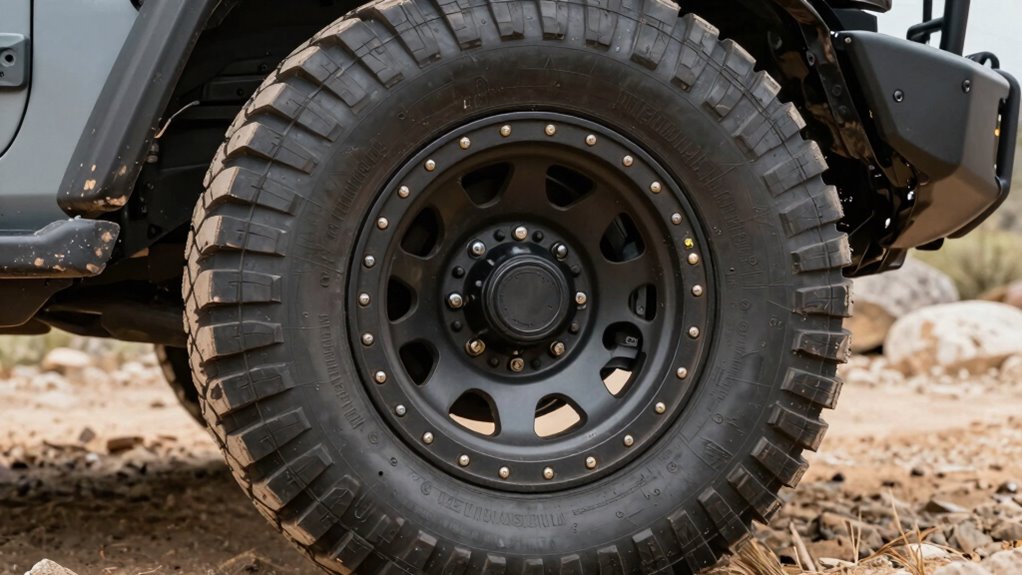
Are there effective alternatives to beadlocks that can provide comparable tire security? Yes, options exist that enhance bead retention and prevent slippage.
- Air pressure management: Maintaining the correct, high air pressure guarantees the tire bead stays seated under demanding conditions.
- Tire bead adhesive: Applying bead adhesive creates a stronger bond between the tire and rim, reducing the risk of bead separation during off-road adventures.
- Rim locks or bead lock rings: These devices clamp the tire bead securely without the full cost of beadlock wheels.
- Proper rim and tire selection: Choosing compatible, high-quality components helps ensure a tight fit and reduces the need for additional security measures.
These alternatives can be effective, especially when combined with good maintenance practices.
Do You Need Professional Help Installing and Maintaining Beadlocks?
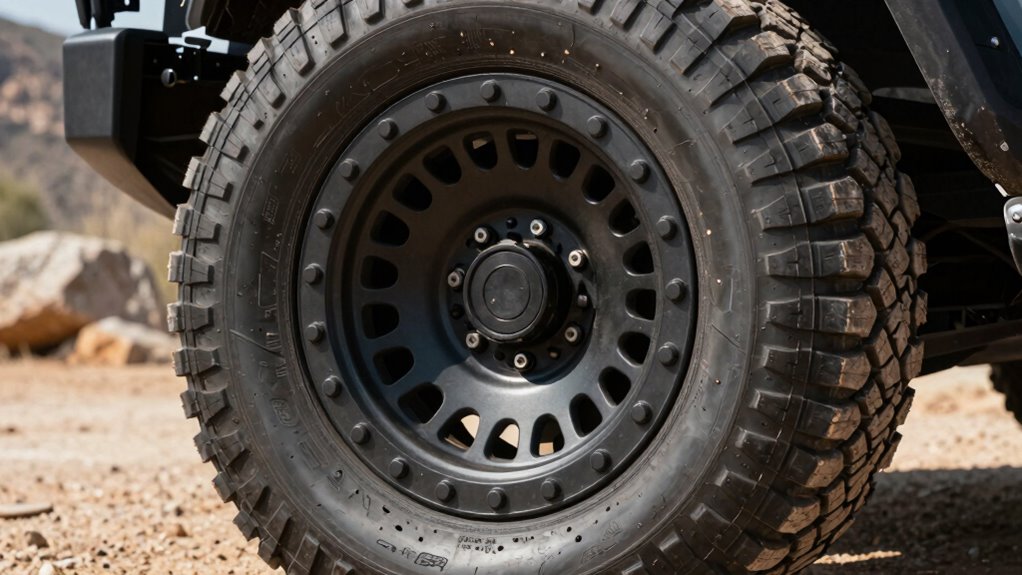
Installing and maintaining beadlocks is a task best handled with professional expertise, especially for those unfamiliar with wheel and tire systems. Proper installation tips are vital to guarantee safety and performance, as incorrect setup can lead to wheel failure. A professional can verify torque specifications, check seal integrity, and ensure everything is securely mounted. Maintenance essentials also include regularly inspecting beadlocks for corrosion, damage, or loosening, especially after off-road adventures. While some experienced DIY enthusiasts might feel confident with basic installation, complex systems or frequent use make professional help advisable. Experts can also advise on proper cleaning and torque adjustments over time. Ultimately, investing in professional installation and maintenance helps avoid costly mistakes and keeps your vehicle running safely and efficiently.
Frequently Asked Questions
Can Beadlocks Be Used on Street-Legal Vehicles?
Yes, you can use beadlock wheels on street-legal vehicles, but keep in mind they’re often reserved for race-ready setups and off-road durability. While they offer excellent tire retention during extreme off-road conditions, many regions restrict their use on public roads due to safety concerns. If you want the benefits of beadlocks without risking legal issues, consider specialized street-friendly designs or aftermarket options that meet local regulations.
How Often Should Beadlock Wheels Be Inspected?
You should inspect beadlock wheels at least every 1,000 miles or after intense off-road adventures. If you ignore this, your tires could explode or come loose at the worst moment. During inspection, check for loose bolts, uneven tire wear, and corrosion. Always perform tire rotation and wheel balancing regularly to prevent issues. Skipping inspections risks catastrophic failure—so stay vigilant and give your beadlocks the attention they deserve!
Are Beadlocks Compatible With All Tire Types?
Beadlock wheels are compatible with most tire types, but you should always verify tire compatibility before wheel installation. Not all tires are designed to work with beadlocks, especially standard street tires, which may not fit securely or could be damaged during installation. To ensure safe wheel installation, verify that your tires are rated for beadlock use and follow manufacturer guidelines for proper fitting and compatibility.
What Maintenance Is Required for Beadlock Wheels?
You need to regularly check your beadlock wheels for proper tire pressure and wheel torque. It’s a common misconception that they require little maintenance; in reality, you should inspect the beadlocks for loose bolts and ensure the ring is securely tightened. Clean debris and dirt from the beadlock components to prevent corrosion. Proper maintenance keeps your wheels safe, maintains tire seal integrity, and extends their lifespan.
Do Beadlocks Affect Vehicle Ride Quality or Performance?
Beadlock wheels can slightly affect ride quality and performance, especially if not properly maintained. You might notice a rougher ride or vibrations if your tires aren’t balanced or your wheel alignment is off. Regularly check these aspects, as well as tire pressure, to guarantee your vehicle handles smoothly. Proper maintenance minimizes any negative impacts, helping your ride remain comfortable and your performance ideal with beadlock wheels.
Conclusion
Now that you know when beadlock wheels are essential and when they might be overkill, you can make smarter choices for your vehicle. Do you really need the extra security for your daily drives, or are they just a flashy upgrade? By understanding your off-road needs and risks, you’ll be better equipped to decide if beadlocks are right for you. After all, investing in the right wheels means safer, more confident adventures.