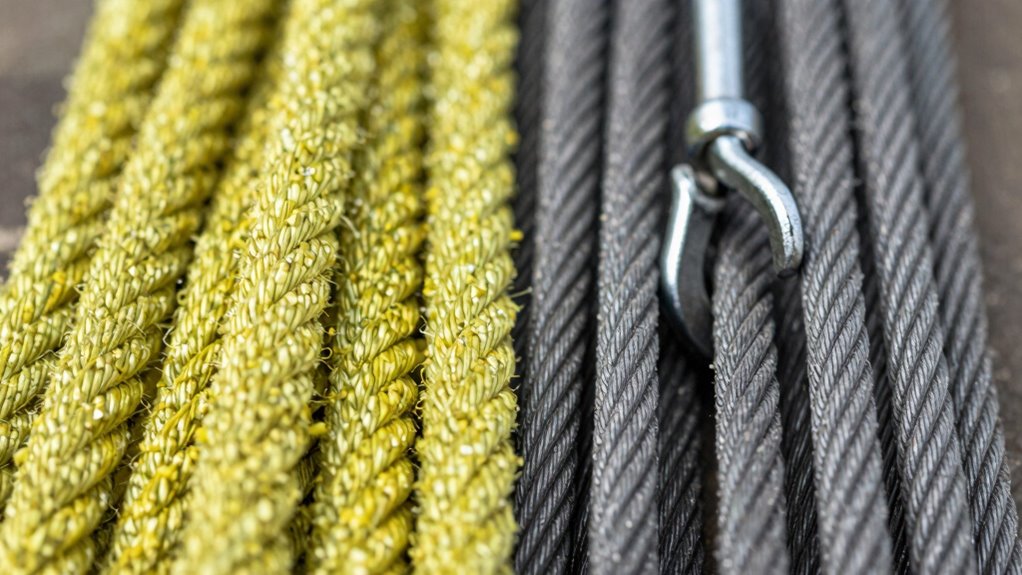

When comparing synthetic ropes and steel cables for safety, synthetic ropes are easier to inspect for fraying and damage, reducing sudden failure risks. They resist corrosion and UV damage better, making them safer outdoors, but may wear faster under abrasion. Steel cables are stronger and more durable in harsh environments but are prone to internal fatigue and rust, risking unexpected breaks. To understand the key safety differences and best practices, explore the details further.
Key Takeaways
- Synthetic ropes are easier to inspect visually for early signs of wear, reducing sudden failure risks compared to steel cables.
- Steel cables can suffer internal fatigue and fractures without visible damage, increasing the risk of unexpected catastrophic failure.
- Synthetic ropes tend to fray gradually, providing warning signs before failure, whereas steel cables may fail abruptly without visible indications.
- Proper maintenance and regular safety inspections are essential for both materials to prevent accidents and ensure safe operation.
- Environmental factors influence safety risks: synthetic ropes resist corrosion and UV damage better, while steel cables require protection against rust and wear.

ATERET 1/4" Nylon Rope – 3-Strand Twisted Nylon & Polyester Blended Synthetic Rope – Multipurpose, Lightweight, Weather-Resistant Cord for Outdoor/Indoor Use and DIY Projects (1/4" x 600 Feet)
- Durable Construction: Nylon and polyester blend for strength and elasticity
- Versatile Use: Suitable for indoor, outdoor, camping, and farming
- High Strength: Resistant to UV, abrasion, rot, chemicals, oils, gasoline
As an affiliate, we earn on qualifying purchases.
As an affiliate, we earn on qualifying purchases.
How Do Synthetic Ropes and Steel Cables Compare in Strength and Durability?

Synthetic ropes generally offer high strength relative to their weight, but steel cables tend to be stronger in absolute terms. When comparing durability, synthetic ropes excel in material flexibility, allowing them to absorb shocks and bend without breaking. This flexibility helps prevent sudden failures and extends their lifespan in dynamic environments. Additionally, synthetic ropes often feature corrosion-resistant coatings, making them less vulnerable to rust and deterioration caused by moisture. Steel cables, while stronger overall, are more susceptible to corrosion if not properly maintained, which can compromise their integrity over time. If your application requires a lightweight, flexible, and corrosion-resistant option, synthetic ropes are advantageous. Moreover, synthetic ropes can be designed with enhanced safety features to further improve performance in critical situations. Proper inspection and maintenance are essential to ensure the longevity and safety of both types of cables. Furthermore, advancements in synthetic fiber technology continue to improve their wear resistance, making them a reliable choice in many applications. In addition, synthetic ropes often have a lower environmental impact due to their manufacturing and disposal processes. For applications involving static loads, steel cables may still provide maximum raw strength, but synthetic ropes are increasingly suitable for a variety of demanding uses.
Are Synthetic Ropes or Steel Cables More Resistant to Environmental Damage?
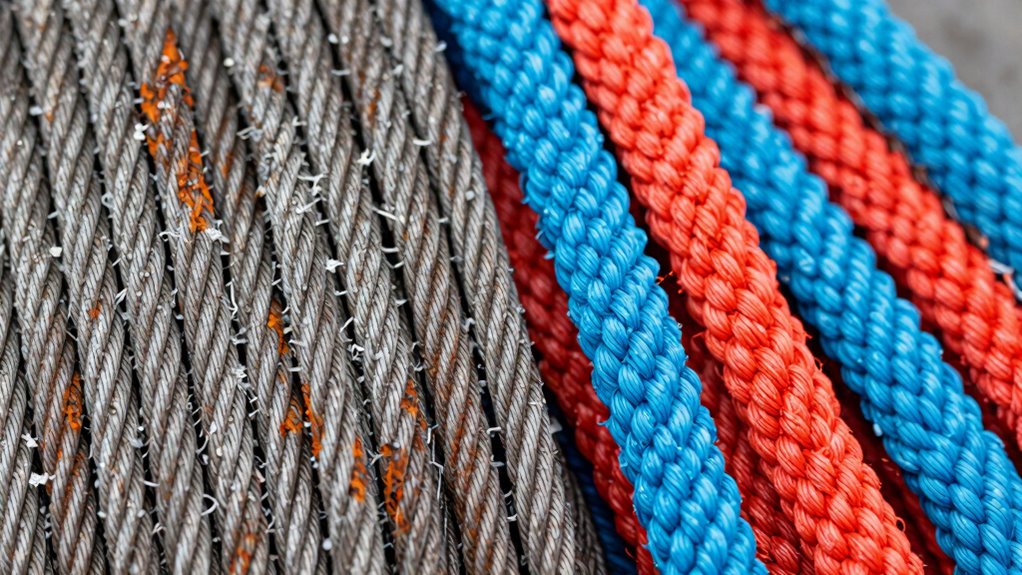
When it comes to resisting environmental damage, the materials’ inherent properties play a significant role. Synthetic ropes generally offer better corrosion resistance and UV durability than steel cables, making them more suitable for harsh outdoor conditions. Steel cables are prone to rust and corrosion unless properly coated or maintained, which can compromise strength over time. Synthetic ropes, on the other hand, resist UV rays and moisture better, maintaining their integrity longer in exposed environments. Additionally, synthetic materials often have a higher resistance to abrasion and tearing, further enhancing their durability in demanding conditions. The chemical composition of synthetic ropes contributes to their superior resistance to environmental factors compared to steel. Moreover, synthetic ropes typically have a longer lifespan and require less maintenance, which can lead to reduced overall costs. Furthermore, synthetic ropes tend to have a lower environmental impact due to their resistance to degradation and longer lifespan in outdoor use. Their manufacturing process also typically involves fewer environmentally harmful chemicals than those used for steel coatings or treatments.
What Are the Main Safety Risks and Failure Modes of Each Material?

While both synthetic ropes and steel cables are designed to withstand heavy loads, each material presents unique safety risks and failure modes. Synthetic ropes can suffer from reduced abrasion resistance over time, especially if they’re exposed to rough surfaces, increasing the risk of fraying or tearing. They are also sensitive to chemical stability; exposure to certain chemicals can weaken the fibers, leading to sudden failure. Steel cables are prone to corrosion if not properly protected, compromising their integrity. They can develop internal breaks or fatigue from repeated stress, which might not be visible externally. Both materials require careful handling, but understanding these failure modes helps you prevent accidents and ensure safety during use. Additionally, Free Floating conditions can accelerate deterioration in both types of materials, emphasizing the importance of regular inspection and maintenance.
How Should You Inspect and Maintain Synthetic Ropes and Steel Cables for Safety?
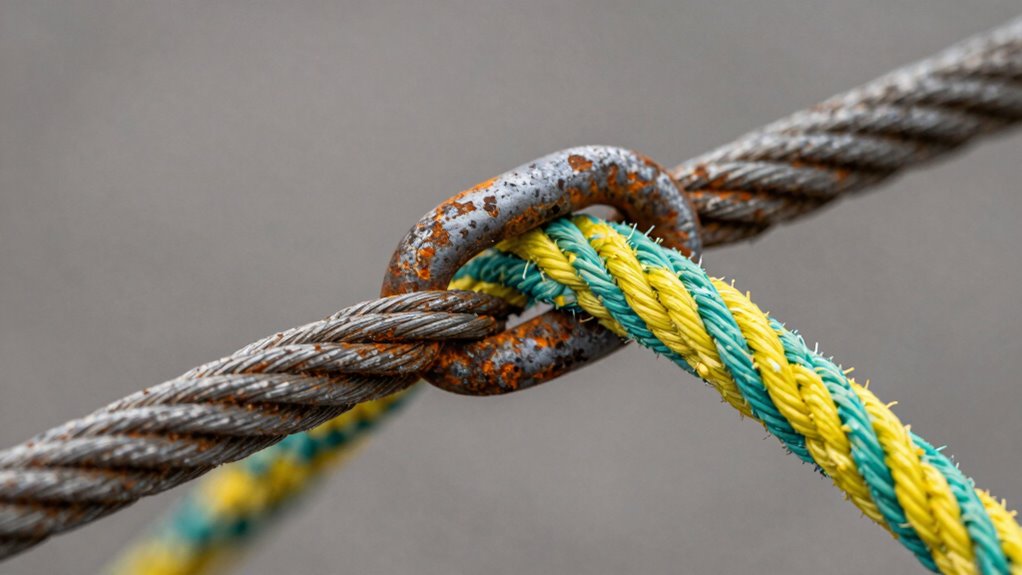
To keep your synthetic ropes and steel cables safe, you need to inspect them regularly for signs of wear or damage. Store them properly to prevent unnecessary deterioration, and always monitor for fraying, corrosion, or deformation. Staying vigilant with these maintenance practices helps guarantee their reliable performance and safety. Incorporating modern smart monitoring technology can further enhance safety by providing real-time data on cable integrity. Regularly using visual inspection techniques can help detect early issues before they become serious. Additionally, understanding the energetic alignment between your equipment and operational environment can contribute to safer handling and performance. Paying attention to the material properties of your cables can also influence their durability and safety over time, especially when combined with predictive maintenance strategies that utilize data analytics to forecast potential failures.
Regular Visual Inspections
Have you ever wondered how to guarantee the ongoing safety of synthetic ropes and steel cables? Regular visual inspections are essential. You should routinely check for signs of wear, corrosion, or damage that could compromise integrity. Use proper visual inspection techniques to identify frayed fibers, broken strands, corrosion spots, or deformation. Establish maintenance schedules to ensure inspections happen consistently. Remember, early detection can prevent accidents and costly repairs. Keep in mind:
- Look for surface cracks or corrosion
- Check for broken or bent strands
- Examine for discoloration or fraying
- Ensure no unusual deformation or kinks
Consistent inspections keep safety top of mind and extend the lifespan of your equipment. By staying vigilant, you reduce risks and maintain reliable performance of synthetic ropes and steel cables. For added safety, always verify that your inspection procedures align with safety standards and best practices.
Proper Storage Practices
Proper storage practices are essential for maintaining the safety and longevity of synthetic ropes and steel cables. You should store them in a cool, dry place away from direct sunlight, chemicals, and extreme temperatures. Always keep ropes and cables clean and dry before storing to prevent corrosion and deterioration. Use proper storage tips like hanging or coiling to avoid kinks or twists, which can weaken the material over time. Implement safety precautions by inspecting for damage before storing and ensuring they are securely stored to prevent accidents. Additionally, understanding the importance of storage guidelines can help prolong the life of your equipment and ensure safety during use. Regularly inspecting and maintaining your equipment according to industry standards can further enhance safety and performance. Employing proper handling techniques during storage and use also reduces the risk of damage and accidents.
Monitoring Wear and Damage
Regularly inspecting synthetic ropes and steel cables is crucial for ensuring safety and preventing accidents. You should check for signs of wear, such as frayed fibers or corrosion, which can compromise their integrity. Pay close attention to abrasion resistance, especially in areas prone to rubbing or friction. Using color coding helps identify damaged or worn sections quickly, making maintenance more efficient. Regular visual inspections include looking for:
- Broken or worn strands
- Corrosion or rust spots
- Excessive abrasion or fraying
- Discoloration indicating damage
Maintaining a consistent inspection routine ensures early detection of issues, prolongs the lifespan of your equipment, and keeps safety at the forefront. Proper monitoring allows you to replace or repair ropes and cables before failures occur.
Which Material Is Safer for Different Lifting and Rigging Environments?
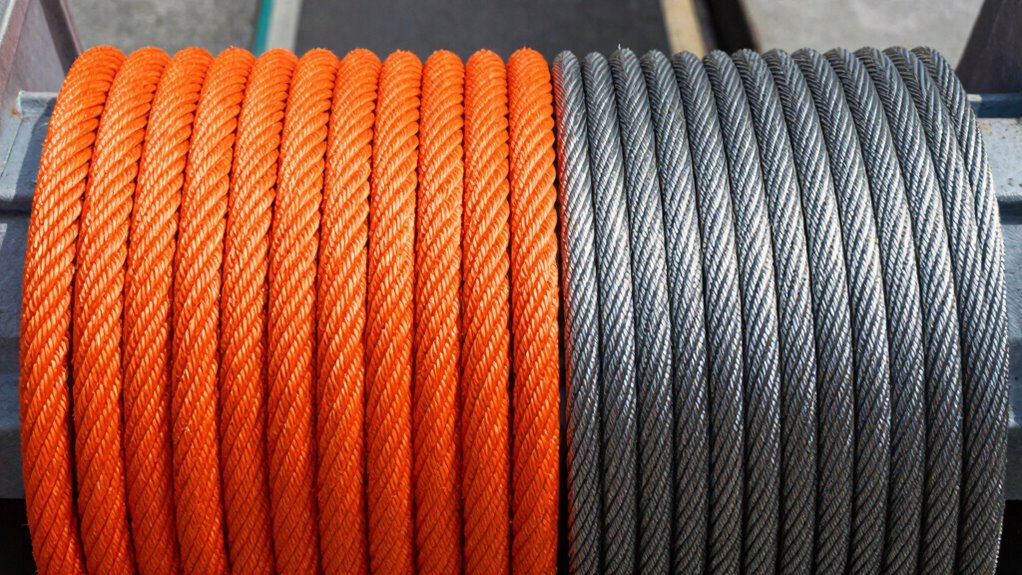
When choosing between synthetic ropes and steel cables, consider how each material handles flexibility and ease of use in your environment. You also need to weigh their durability and how well they resist wear over time, especially under heavy use. For instance, synthetic ropes are generally lighter and easier to handle, making them preferable in situations requiring frequent adjustments. Additionally, understanding the types of dog beds and their specific benefits can inform your choices for pet comfort and safety in related environments. Considering the role of AI ethicists can also be relevant for organizations developing new lifting technologies to ensure safety standards are ethically maintained. Recognizing the safety considerations of each material can help prevent accidents and ensure reliable performance, especially since best laundry detergents can influence maintenance and inspection routines for lifting equipment.
Flexibility and Handling
Choosing between synthetic rope and steel cable often depends on how easily they can be handled and their flexibility in different lifting scenarios. Synthetic ropes generally offer better flexibility benefits, making handling ease much simpler. This flexibility allows for smoother operation, less weight strain, and easier knotting or rigging. Steel cables are stiffer and less forgiving, which can make handling more challenging. Consider these points:
- Synthetic ropes bend easily, reducing fatigue during extended use
- Steel cables are more rigid, increasing handling difficulty
- Synthetic ropes are lightweight, improving maneuverability
- Steel cables require more effort to manipulate and secure
Your choice depends on your needs for handling ease and flexibility benefits, especially in environments where quick, precise adjustments matter most.
Durability and Wear
Steel cables are known for their exceptional durability and resistance to wear, making them suitable for heavy-duty lifting in demanding environments. Their high abrasion resistance ensures they withstand rough surfaces and repeated use without fraying or degrading quickly. Additionally, steel cables offer excellent UV stability, allowing them to endure prolonged exposure to sunlight without losing strength or flexibility. This makes them ideal for outdoor applications where environmental factors accelerate wear. Unlike synthetic ropes, steel cables maintain their integrity under harsh conditions, reducing the need for frequent replacements. Their toughness and resilience ensure a longer lifespan, especially in environments with abrasive contact and constant exposure to UV rays. Overall, steel cables provide reliable durability and wear resistance for demanding lifting and rigging tasks.
Safety in Failures
While both synthetic ropes and steel cables are designed to withstand heavy loads, their safety profiles during failure differ markedly. Synthetic ropes tend to break more gradually, allowing for easier detection of damage, whereas steel cables can snap suddenly, posing a higher risk. Material properties influence how failures occur: synthetic ropes are more elastic and show visible wear, while steel cables are more rigid and may fail without warning. Safety standards require thorough inspections, but failure consequences vary. Keep in mind:
- Synthetic ropes often show fraying before failure, enabling early detection.
- Steel cables may fail without visible signs, increasing danger.
- Proper maintenance and adherence to safety standards are vital.
- Understanding failure modes helps choose safer lifting solutions.
Choose based on the failure risks suited to your environment.
How Can You Minimize Safety Risks When Using Synthetic Ropes or Steel Cables?
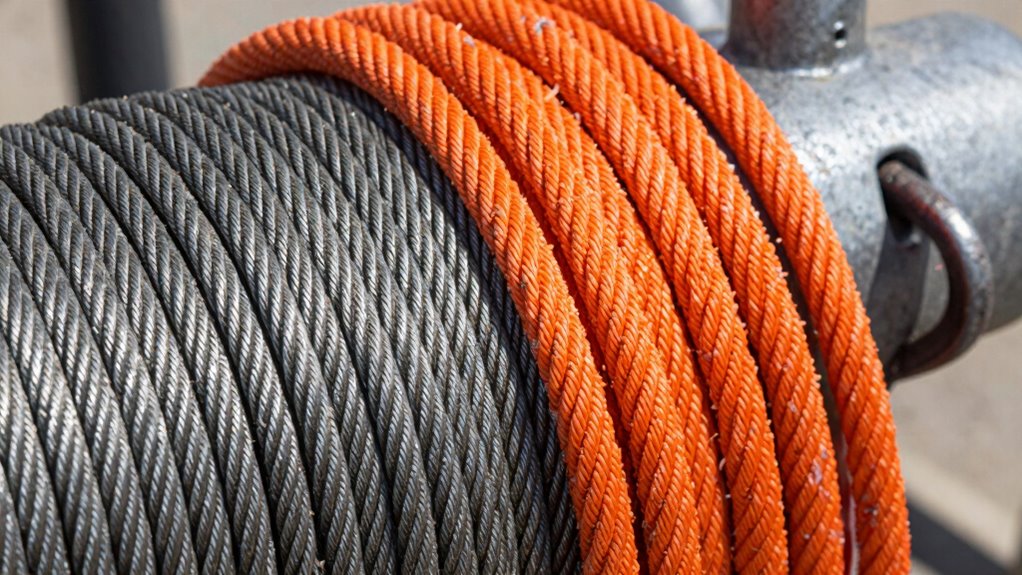
To minimize safety risks when using synthetic ropes or steel cables, you need to prioritize proper inspection and maintenance. Regularly check for signs of wear, fraying, corrosion, or damage before each use, and replace compromised wires or fibers immediately. Storage safety is vital; store ropes and cables in a cool, dry place away from chemicals and direct sunlight to prevent deterioration. Additionally, user training is essential—ensure everyone handling the equipment knows proper handling techniques, load limits, and safety protocols. Using the correct equipment for the task reduces accidents and prolongs the lifespan of your materials. By maintaining thorough inspection routines, practicing safe storage, and investing in proper training, you considerably lower the risk of accidents and ensure safer operation.
Frequently Asked Questions
What Are the Typical Lifespan Differences Between Synthetic Ropes and Steel Cables?
Synthetic ropes generally last 3 to 5 years, thanks to their durability comparison and resistance to corrosion, but they require more careful maintenance to prevent damage from UV rays, chemicals, or abrasion. Steel cables often have a longer lifespan, around 10 to 20 years, due to their inherent strength and lower maintenance needs. You should regularly inspect both, but synthetic ropes demand more frequent checks for frays or wear.
How Do Synthetic Ropes and Steel Cables Perform Under Extreme Weather Conditions?
Under extreme weather, synthetic ropes outperform steel cables in UV resistance and abrasion durability, with some synthetic options lasting up to three times longer in harsh conditions. You’ll find synthetic ropes resist UV damage and maintain strength better than steel when exposed to sun, rain, or snow. Steel cables, however, are prone to rust and corrosion, which can compromise safety and performance over time, especially in challenging environments.
Can Synthetic Ropes or Steel Cables Be Recycled or Disposed of Safely?
You can recycle synthetic ropes and steel cables, but recycling processes differ. Steel cables are highly recyclable; you can typically take them to scrap yards for proper disposal. Synthetic ropes often require specialized disposal methods, such as industrial recycling facilities that handle plastics or composites. Always verify local regulations and disposal methods to guarantee safe, environmentally friendly disposal, minimizing waste and potential hazards.
What Are the Cost Differences Associated With Synthetic Ropes Versus Steel Cables?
You’ll find that synthetic ropes typically cost 30% less upfront than steel cables, mainly due to lower material and manufacturing expenses. Over time, their material durability means maintenance costs are also reduced, saving you money in the long run. Steel cables, however, require more frequent inspections and replacements, which can add to your expenses. Overall, synthetic ropes offer a more budget-friendly option with lower ongoing costs.
How Do Handling and Storage Requirements Differ for Each Material?
You need to follow specific handling procedures and storage requirements for each material. Synthetic ropes are lightweight and flexible, so handle them carefully to avoid abrasion or kinks; store them in a cool, dry area away from direct sunlight. Steel cables are heavier and more rigid, requiring proper lifting techniques and secure storage to prevent corrosion and damage. Properly managing these aspects guarantees safety and prolongs the lifespan of both materials.
Conclusion
Choosing between synthetic ropes and steel cables ultimately depends on your specific needs. While each has its strengths and risks, staying vigilant and properly inspecting your equipment can prevent disasters before they happen. Remember, don’t put all your eggs in one basket—understanding the safety nuances helps you make smarter choices. By weighing the pros and cons carefully, you’ll avoid biting off more than you can chew, ensuring safer lifts every time.