You’ll find that professional drones make better trail footage mainly because of their wind stability, not just resolution. They are designed with advanced stabilization systems like gimbals and aerodynamic shapes that resist gusts and keep footage steady, even in tough outdoor conditions. Reinforced frames also help them handle wind better, ensuring smooth videos regardless of weather. If you want to know how these engineering features truly enhance outdoor filming, keep exploring to discover the details.

Get business pricing on garage and car supplies
- Business-only prices and quantity discounts
- Tax-exempt purchasing
- Multiple users, one account, clear invoices
Key Takeaways
- Wind stability prevents drone wobbling, ensuring smoother footage regardless of camera resolution.
- Advanced stability systems like gimbals maintain steady shots in windy outdoor conditions.
- Professional drone design features improve wind resistance, enhancing outdoor footage quality.
- Environmental resilience and aerodynamic shaping help drones perform better in gusty conditions.
- Stability in wind allows for clear, jitter-free trail footage, surpassing the importance of resolution alone.
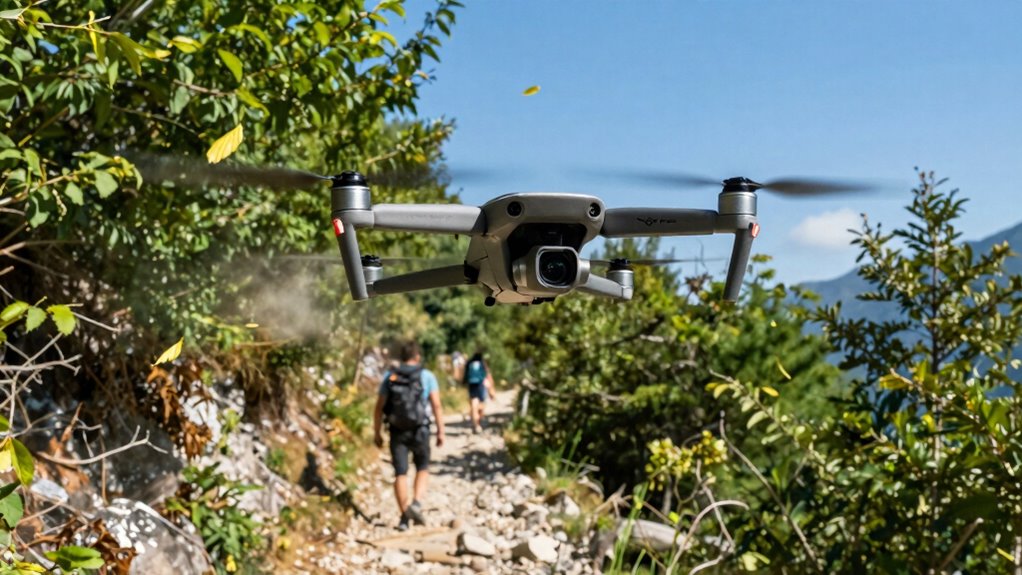
Ever wondered why professional drones often produce smoother trail footage than consumer models? It’s not just about camera resolution or fancy features. One of the biggest factors is wind stability, which plays a vital role in capturing steady, high-quality footage during outdoor adventures. When you’re out on a trail, wind can be unpredictable, causing even the best consumer drones to wobble or shake. Professional drones, however, are engineered with advanced stability systems that help them resist gusts and maintain a steady position, resulting in much smoother footage. This stability isn’t solely about how sharp the camera images are; it’s about how well the drone can stay still in the air despite environmental challenges. Additionally, environmental resilience is crucial for maintaining optimal footage quality in outdoor conditions. Proper design features, such as aerodynamic shaping and reinforced frames, further enhance wind resistance and overall stability in outdoor environments.
Another key element that influences trail footage quality is camera stabilization. High-quality professional drones use sophisticated stabilization systems—such as gimbals—that keep the camera steady no matter how the drone moves or the wind blows. This means that even if you’re steering through uneven terrain or encountering sudden gusts, your footage remains smooth and professional-looking. Without this stabilization, footage can become jittery and distracting, ruining the overall viewing experience. So, it’s not just about having a capable camera; it’s about how well that camera is stabilized during flight. Moreover, wind resistance is essential in ensuring that footage remains steady and clear during outdoor flights. Proper drone design also enhances wind resistance, helping drones perform better in adverse conditions. Additionally, advanced engineering in professional drones contributes significantly to their ability to withstand environmental stressors and maintain flight stability, further improving footage quality.
professional drone with gimbal stabilization
As an affiliate, we earn on qualifying purchases.
As an affiliate, we earn on qualifying purchases.
Frequently Asked Questions
How Do Professional Drones Handle Sudden Wind Gusts During Filming?
When sudden wind gusts hit, you’ll notice professional drones handle them better thanks to their ideal drone weight and advanced flight autonomy. Heavier drones often resist gusts more effectively, maintaining stability, while improved flight autonomy lets them adjust quickly in turbulent conditions. You should guarantee your drone’s sensors and stabilization systems are active, helping it counteract the wind and keep your trail footage smooth, even during unpredictable gusts.
What Specific Drone Features Improve Wind Stability?
You’ll find that a camera gimbal greatly improves wind stability by actively counteracting gusts, keeping your footage smooth. An aerodynamic design also helps reduce the drone’s susceptibility to wind, allowing it to cut through gusts more effectively. Together, these features enhance stability, so you can confidently film trail scenes without worrying about sudden gusts ruining your shot. This combination guarantees your footage remains steady, even in challenging wind conditions.
Does Wind Stability Affect Battery Life During Trail Filming?
Yes, wind stability can impact battery life during trail filming. When a drone uses wind mitigation features to counteract gusts, it often increases motor activity, which leads to higher battery drain. You might notice your drone’s battery depleting faster in windy conditions because it works harder to maintain stability. To extend your flight time, consider flying in calmer weather or using drones equipped with advanced wind mitigation technology.
Are Professional Drones More Expensive Due to Wind Stabilization Technology?
Yes, professional drones are generally more expensive because of wind stabilization technology. This advanced feature boosts flight stability in windy conditions, ensuring smooth footage, but adds to the cost comparison with consumer models. When considering budget considerations, weigh the benefits of improved footage quality and stability against the higher price. If you need reliable performance in challenging weather, investing in a professional drone is often worth it despite the cost.
How Does Wind Stability Impact Footage Editing and Post-Production?
Wind stability improves your footage during editing and post-production by reducing shaky scenes, making wildlife encounters smoother and more natural. It guarantees your scenic composition remains crisp and clear, saving you time fixing shaky shots. With stable footage, you can focus on enhancing colors and details, creating a more immersive experience. Overall, wind stability makes your editing process easier, resulting in professional-looking trail footage that captures nature’s beauty seamlessly.
Conclusion
So, next time you’re marveling at those crisp trail shots, remember it’s not about how many pixels your drone packs but how well it can dodge the wind’s tantrums. While amateurs chase resolution, pros master stability—proving that smooth footage isn’t about megapixels but about keeping your drone from becoming a wind-buffeted kite. Maybe, just maybe, the real secret to great trail footage is less about tech and more about a drone that can, you know, stay upright.
Halloween Picks
halloween
As an affiliate, we earn on qualifying purchases.