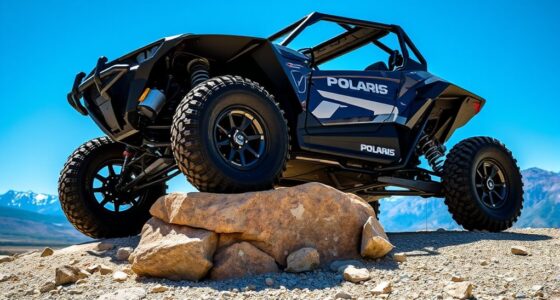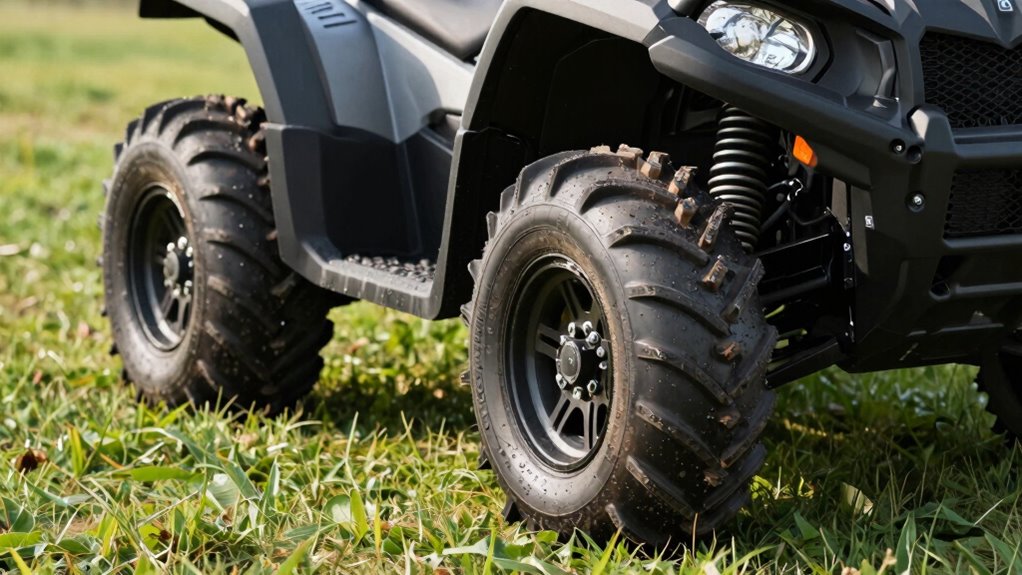
When you increase the tire size on your Polaris, you’ll notice a rapid change in steering feel. Larger tires can enhance responsiveness, giving you more control on rough terrain. However, they might also require more effort to turn, especially at lower speeds. The weight and surface area can affect handling, so you might need to adjust your driving style. Curious about how these changes impact overall performance? There’s more to explore on this topic.
Key Takeaways
- Larger tires can enhance steering responsiveness but may require more effort to turn, particularly at low speeds.
- Increased tire size can lead to heavier handling, affecting overall steering feel and maneuverability.
- Proper tire pressure is essential; both low and high pressures can negatively impact steering dynamics and grip.
- Larger tires improve traction on rough terrains but may alter vehicle geometry, affecting stability and control.
- Understanding these changes helps drivers adapt their driving style for optimal performance and confidence.
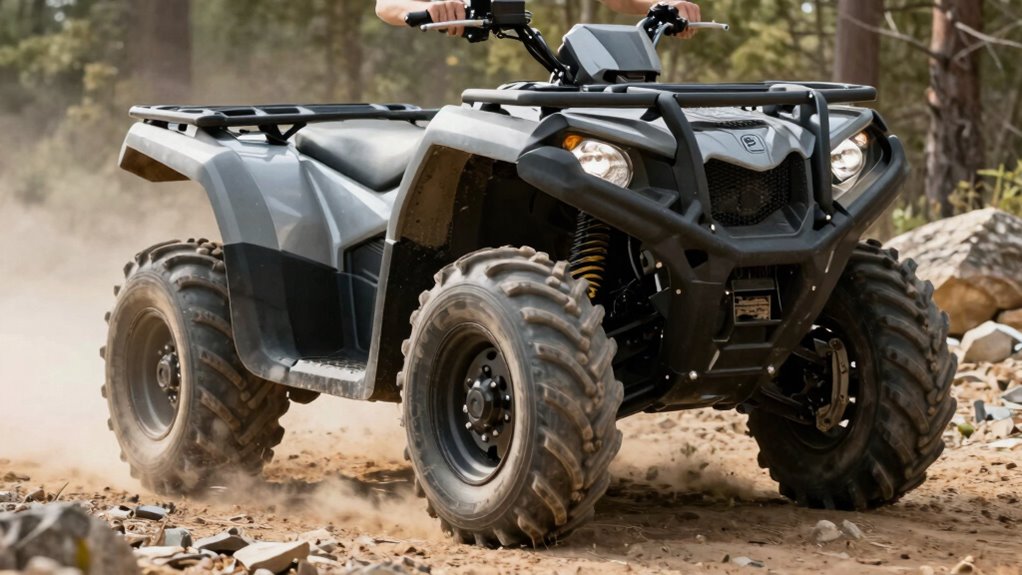
When you change the tire size on your Polaris, you might be surprised at how much the steering feel transforms. Upgrading to larger tires can elevate your ride’s performance, but it also alters how the vehicle handles. Increased tire size affects steering responsiveness, making it feel different — sometimes better, sometimes worse. You’ll notice that your Polaris might require more effort to turn, especially at low speeds, as the larger tires add weight and surface area.
The relationship between tire size and steering feel isn’t just about size; it’s also about how you manage your tire pressure. If your pressure’s too low, those larger tires can lead to sluggish handling. They might feel squishy and less responsive, which isn’t ideal when you’re maneuvering tight turns or rough terrain. On the flip side, if you inflate them too much, you might lose some grip, making the ride harsher and potentially less stable. Finding that sweet spot in tire pressure is essential for maintaining ideal steering responsiveness.
Another factor to reflect on is the terrain you’re tackling. Larger tires can offer better traction on rough surfaces, which might offset any negative changes in steering feel. You might find that on rocky trails or muddy paths, the added size benefits your control, even if it’s a bit more challenging on smooth roads. So, it’s worth evaluating where you ride most often and how those larger tires fit into that picture.
You should also be aware that a change in tire size can affect the geometry of your Polaris. With larger tires, the center of gravity shifts, and you may notice a difference in how the vehicle leans during corners. This can create a feeling of instability if you’re not used to it. Adjusting your driving style to accommodate this change can help you regain that familiar confidence behind the wheel. Additionally, tire size and handling play a crucial role in overall vehicle performance, and understanding this connection can help you make better adjustments.

Upgraded Pool Cleaner Rebuild Repair Kit Replacement for Polaris Zodiac 280 Automatic Pool Cleaner Parts with Wheel, Sweep Hose, Tire, Drive Shaft, Turbine Bearing, All Purpoe Bag, Wheel Bearing, Tail
- Compatible Models: For Polaris Zodiac 180, 280, TR28P
- Performance Enhancement: Restores optimal cleaning efficiency
- Complete Rebuild Kit: Includes wheels, hose, filter bag, and more
As an affiliate, we earn on qualifying purchases.
As an affiliate, we earn on qualifying purchases.
Frequently Asked Questions
How Does Tire Pressure Affect Steering Feel?
Tire pressure greatly affects steering feel and responsiveness. When your tire pressure’s too low, you’ll notice sluggish handling and decreased feedback, making it harder to control your vehicle. Conversely, over-inflated tires can cause a harsh ride and reduced grip, leading to unpredictable steering. Maintaining the recommended tire pressure guarantees your steering feels sharp and responsive, allowing you to navigate confidently. Regularly check and adjust your tire pressure to enhance your overall driving experience.
What Are the Best Tire Brands for Polaris Vehicles?
When it comes to tire brands for your Polaris vehicle, you can’t go wrong with names like Maxxis, BFGoodrich, and Interco. These brands offer excellent tire performance and traction improvement, giving you the grip you need on any terrain. Think of them as the shoes that keep your ride dancing over rocks and mud. With the right tires, you’ll feel more confident and in control, ready to tackle any adventure that comes your way.
Can I Mix Different Tire Sizes on My Polaris?
You shouldn’t mix different tire sizes on your Polaris. Doing so can lead to poor tire compatibility and negatively impact your vehicle’s handling characteristics. Uneven tire sizes might cause uneven wear and affect your steering performance. It’s best to stick with the same size for all tires to maintain ideal handling and safety. If you’re considering changes, consult your dealer or the manufacturer for recommendations tailored to your specific model.
How Often Should I Check My Tire Alignment?
You might think checking your tire alignment isn’t that important, but it’s essential for safety and performance. You should check your alignment every 3,000 to 5,000 miles or whenever you notice uneven tire wear. Using alignment tools can help you gauge if adjustments are needed. Regular checks guarantee your vehicle handles well and prolongs tire life. Don’t skip this step—it can save you money and enhance your ride!
What Signs Indicate I Need New Tires?
You need new tires if you notice significant tread wear, like uneven or bald patches. If your vehicle’s handling performance declines, such as pulling to one side, that’s another warning sign. Listen for unusual noises, too, as they could indicate tire issues. Additionally, if you find yourself frequently needing to adjust your steering, it’s time to contemplate new tires. Regularly checking your tires helps guarantee your safety on the road.
Conclusion
Ultimately, as you upgrade your Polaris’s tire size, you’ll quickly notice the steering feel shifts dramatically. Like a knight donning heavier armor, the vehicle demands more effort to maneuver, altering your driving experience. Embrace these changes, as they can enhance both performance and adventure. Ultimately, understanding the relationship between tire size and steering dynamics will empower you to make informed choices, ensuring your Polaris remains a trusty steed on all terrains.