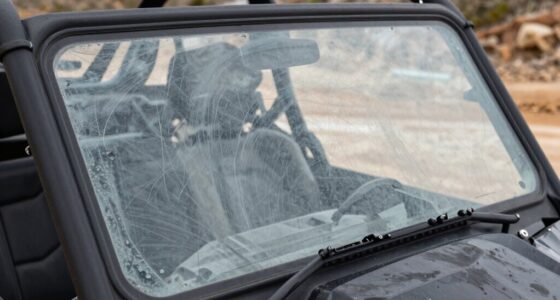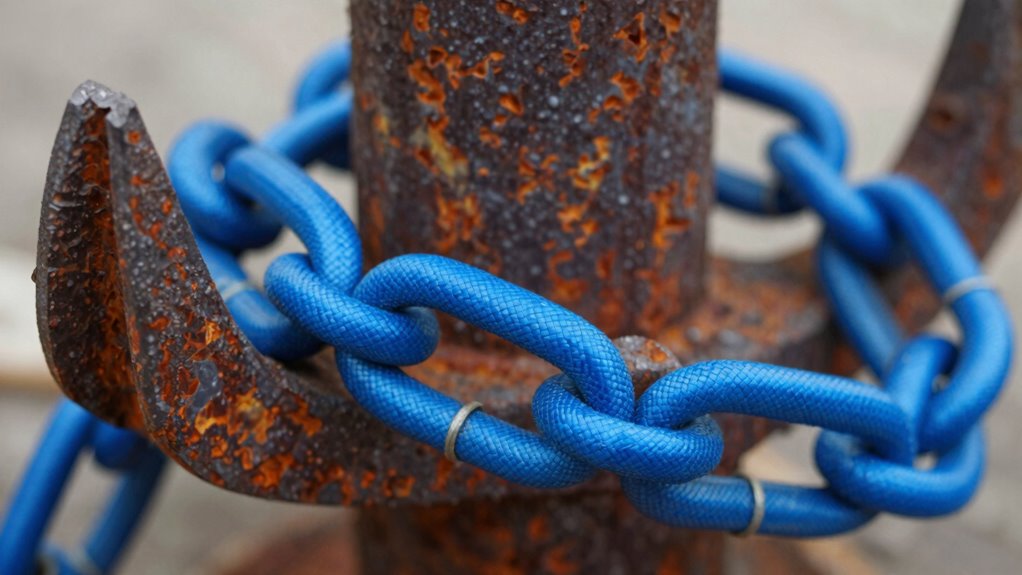

Soft shackles are strong and versatile, but they can fail quickly if attached to sharp or abrasive recovery points. Sharp edges can cause fraying or cuts in the synthetic fibers, weakening the shackle over time. Always inspect your shackles before use and protect your gear with sleeves or pads. Using proper attachment points and following safety practices helps extend their lifespan. Want to know more about keeping your recovery gear in top condition?

Get business pricing on garage and car supplies
- Business-only prices and quantity discounts
- Tax-exempt purchasing
- Multiple users, one account, clear invoices
Key Takeaways
- Sharp recovery points can cut or fray soft shackles, compromising their strength and safety.
- Properly inspecting shackles for damage after contact with jagged surfaces prevents failure.
- Using protective sleeves or pads on sharp edges extends the lifespan of soft shackles.
- Avoid attaching soft shackles directly to corroded or rough recovery points to prevent fiber damage.
- Regular maintenance and correct attachment practices are essential for durability and safe recovery operations.

Soft shackles have gained popularity for their lightweight and flexible design, making them a preferred choice for many off-road enthusiasts. Their ease of use and minimal weight make them a practical option for recovery gear selection, especially when you’re aiming to keep your vehicle’s weight balanced and manageable. These shackles are made from high-strength synthetic fibers, which means they’re less likely to cause damage to your vehicle or recovery points during a pull. But despite their strength and versatility, soft shackles aren’t invincible. If you don’t pay attention to your recovery points, they can fail quickly, even when you’re confident in your gear.
Soft shackles are lightweight, versatile, and easy to use, but require careful inspection and protection for safety.
When considering vehicle safety, it’s vital to understand the relationship between soft shackles and sharp recovery points. Many off-road vehicles have steel recovery points that can be sharp or rough. If you attach a soft shackle directly to a jagged or abrasive surface, you risk damaging the shackle’s fibers, which can compromise their integrity. Over time, repeated contact with sharp edges can cause fraying or cuts, making the shackle more likely to snap under strain. It’s your responsibility to choose the right recovery gear for the job. Using a soft shackle on a smooth, well-maintained recovery point is ideal, but if your vehicle’s recovery points are sharp or corroded, consider adding a protective sleeve or pad. This simple step can greatly extend the life of your soft shackle and maintain vehicle safety. Understanding the material properties of your recovery gear can help prevent unexpected failures, especially when dealing with abrasive surfaces.
While soft shackles are strong, they aren’t indestructible. The key to guaranteeing they perform when you need them most is in your recovery gear selection and proper use. Always inspect your shackles before and after each recovery. Look for signs of wear, fraying, or any damage that could weaken the fiber. Regularly checking your gear can prevent unexpected failure during recovery, which could lead to dangerous situations or vehicle damage. Additionally, knowing the limitations of synthetic fibers can help you avoid overloading or misusing the shackles. Properly matching your recovery gear to the terrain and vehicle ensures safety and keeps your recovery operations smooth and effective. Using protective coverings or sleeves can further enhance durability when working with rough surfaces.
In the end, soft shackles are a valuable tool when used correctly, but understanding their limitations and selecting the right gear for your specific situation is vital. Vehicle safety depends on your awareness of these factors, and choosing quality recovery gear that’s suited for the conditions will help prevent failures. Keep your recovery points in good condition, use appropriate protective sleeves, and always inspect your gear before each use. That way, you’ll maximize the strength and lifespan of your soft shackles and guarantee safe, reliable recoveries every time.
As an affiliate, we earn on qualifying purchases.
Frequently Asked Questions
How Do I Properly Inspect a Soft Shackle for Damage?
To properly inspect a soft shackle, start with a thorough damage assessment. Check for shackle wear, such as fraying or thinning material, especially around the eyelet and body. Look for any cuts, tears, or abrasions that could weaken the shackle. Confirm the stitching is intact and not coming apart. If you notice any damage or excessive wear, replace the shackle immediately to maintain safety and strength during recovery operations.
What Are the Best Materials for Durable Recovery Points?
You should choose recovery points made from high-strength steel or alloy materials, as they offer excellent load capacity and durability. Guarantee the material is compatible with your vehicle’s design to avoid damage. Steel recovery points provide maximum strength, but alloy options can be lighter yet still handle heavy loads. Always verify the load capacity matches your recovery needs, and select materials that resist corrosion for long-lasting performance.
Can Soft Shackles Be Used With All Vehicle Types?
You can’t fit a square peg in a round hole—so, soft shackles aren’t compatible with all vehicle types. Vehicle compatibility depends on proper material selection and attachment points. For some vehicles, soft shackles work perfectly, especially with sturdy recovery points. But always check your vehicle’s recovery points and consider the material strength of your soft shackle. When in doubt, consult your vehicle’s specifications or a recovery specialist.
How Do I Prevent Sharp Edges From Damaging Shackles?
To prevent sharp edges from damaging shackles, you should focus on edge protection and material compatibility. Use rubber or nylon sleeves around sharp recovery points to cushion the shackles, reducing wear and tear. Check that your shackles are made from compatible materials with your vehicle’s recovery points. Regularly inspect your equipment for signs of damage, and replace any worn shackles promptly to guarantee safe, effective recovery operations.
Are There Specific Techniques for Attaching Recovery Points Safely?
Think of attaching recovery points as threading a needle—precision matters. To do it safely, you should always use proper attachment techniques, guaranteeing the shackle is correctly aligned and secured. Follow safety precautions like inspecting all equipment beforehand and avoiding sharp edges. Use protective gear if needed, and double-check connections. These steps help prevent damage to your soft shackles and guarantee a safe recovery operation every time.
Conclusion
Remember, soft shackles are strong, but sharp recovery points can cut them short. They’re reliable in the right conditions, but vulnerable when faced with sharp edges or rough terrain. Their strength lies in flexibility and safety, yet their weakness lies in susceptibility to damage. Protect your gear, choose your recovery points wisely, and always prioritize safety. Because, in recovery, strength is essential, but caution is vital, and preparation is key.
Fall Picks
fall essentials
As an affiliate, we earn on qualifying purchases.