
Wireless winch remotes are convenient, but signal delays can become frustrating and risky. Battery issues, interference from electronic devices, or environmental factors like rain and metal structures can cause delays or dropouts. These problems might compromise safety during heavy loads or precise operations. To avoid this, you need to understand what causes interference and how to minimize it. If you keep exploring, you’ll find effective strategies to keep your remote reliable when it truly counts.

Get business pricing on garage and car supplies
- Business-only prices and quantity discounts
- Tax-exempt purchasing
- Multiple users, one account, clear invoices
Key Takeaways
- Signal delays can occur due to environmental interference, affecting remote responsiveness during critical winch operations.
- Battery degradation reduces signal strength, increasing the likelihood of delays or missed commands.
- Obstacles or metal structures can block signals, causing delays and inconsistent remote control performance.
- Operating in environments with high electromagnetic interference can significantly disrupt wireless signal timing.
- Regular maintenance, battery checks, and environmental awareness help minimize signal delay issues.
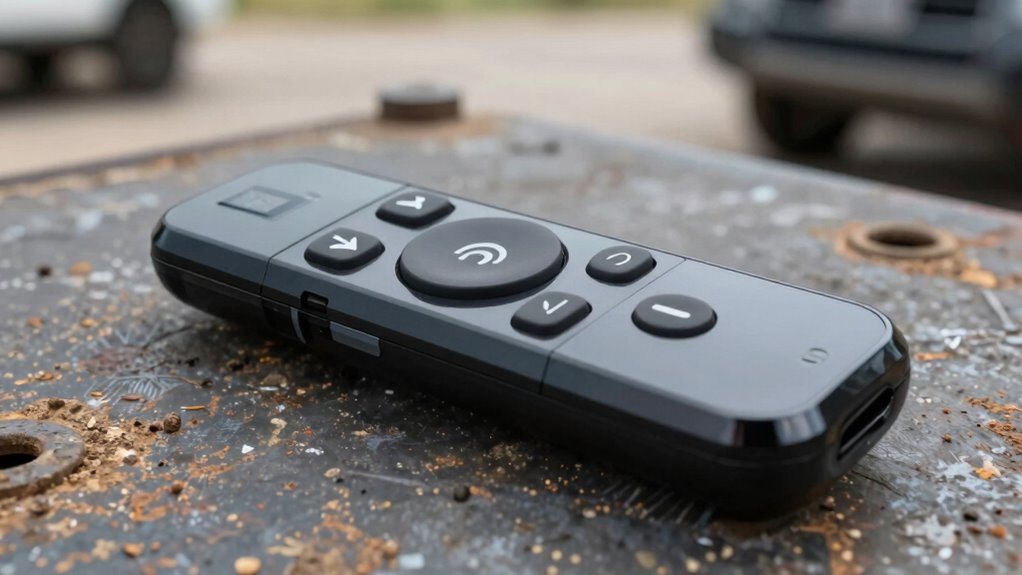
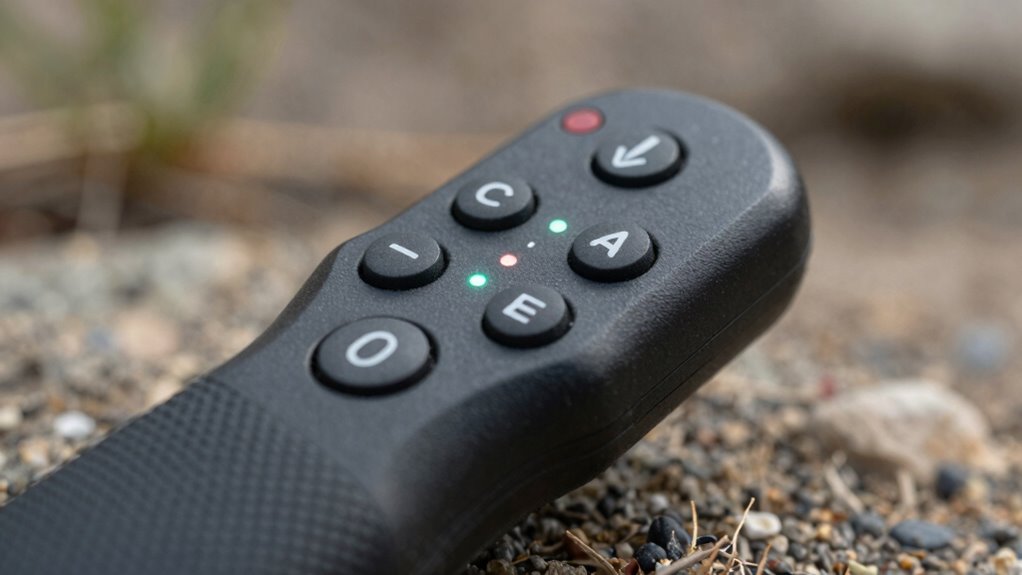
One of the primary concerns with wireless winch remotes is their battery life. These remotes rely on batteries to transmit signals, and if the batteries run low, your remote’s effectiveness diminishes. You might experience inconsistent responses or the remote simply stops working when you need it most. It’s vital to regularly check and replace batteries to guarantee your remote stays functional during critical operations. Many remotes now come with battery indicators, but you should also develop a habit of carrying spare batteries, especially if you’re working in remote locations where charging options are limited. Additionally, environmental conditions can impact signal strength, making it crucial to consider the operating environment when choosing or using a wireless remote. Signal interference is another challenge you’ll often encounter with wireless remotes. Radio frequency signals can be disrupted by nearby electronic devices, metal structures, or even weather conditions like rain or thunderstorms. When interference occurs, your remote’s signal may be delayed, dropped, or misinterpreted. This can lead to dangerous situations, especially if you rely on precise control over a heavy load. To mitigate this risk, you should choose remotes that operate on robust, less congested frequencies and confirm your equipment is properly shielded from potential sources of interference. Additionally, maintaining a clear line of sight between the remote and the receiver can reduce the chances of signal delay or loss. While wireless remotes are undeniably convenient, their reliability hinges on factors like battery life and signal clarity. When working in environments with high electromagnetic interference or long operating hours, these issues become more pronounced. You need to be prepared for moments when signal delay could jeopardize safety or efficiency. Regularly inspecting and maintaining your remote’s batteries, and understanding the environment in which you operate, can help you navigate these potential pitfalls. Recognizing the importance of reliable communication can help you implement better safety measures and improve overall operation. Furthermore, understanding how signal interference impacts remote performance can lead to better equipment choices. Being aware of environmental factors that influence signal quality can also enhance your remote’s reliability. Additionally, selecting equipment with robust signal transmission capabilities can help ensure consistent performance in challenging conditions. Ultimately, being aware of and addressing these limitations guarantees you get the full benefit of wireless winch remotes without risking safety or productivity.
wireless winch remote with long battery life
As an affiliate, we earn on qualifying purchases.
As an affiliate, we earn on qualifying purchases.
Frequently Asked Questions
How Long Is the Typical Wireless Winch Remote Battery Life?
A typical wireless winch remote’s battery life ranges from several months to over a year, depending on usage. You can extend battery longevity by practicing power conservation, like turning it off when not in use and avoiding frequent button presses. Rechargeable batteries also help maintain consistent power. Keep an eye on battery levels, and replacing or recharging when needed guarantees your remote stays reliable, especially when signal delay becomes critical.
Are Wireless Winch Remotes Waterproof or Weather-Resistant?
Imagine you’re in a sudden rainstorm, and your wireless winch remote still works — but is it waterproof or just weatherproof? Most remote signal stability varies, with many designed to be weatherproof rather than fully waterproof. Weatherproof remotes resist rain and splashes, but waterproof ones can handle submersion. Be sure to check the product specs to guarantee your remote can withstand your environment, especially if exposure to water is frequent.
What Is the Maximum Range for Wireless Winch Remotes?
You can typically expect wireless winch remotes to have a maximum range of about 50 to 100 feet, but signal interference from other devices can reduce that. To maintain remote security and prevent accidental operation, use remotes with rolling code technology. Keep in mind that obstacles like metal or thick walls may also limit the range, so always test your setup in the actual environment to guarantee reliable performance.
Can Wireless Remotes Interfere With Other Electronic Devices?
Wireless remotes can indeed be like noisy neighbors, disrupting your electronic harmony. Electromagnetic interference from other devices, like radios or cell phones, might cause signal disruption, making your remote less reliable. While most remotes are designed to avoid such issues, heavy electromagnetic interference can still affect performance. To keep things smooth, verify your remote operates on a frequency less crowded by other electronics, reducing chances of interference and ensuring your winch responds when you need it most.
Are Wireless Winch Remotes Compatible With All Winch Models?
Wireless winch remotes aren’t compatible with all winch models due to compatibility issues. Before buying, you need to check if your winch supports remote pairing, as some models require specific remotes or adapters. Always verify the product specifications and consult the manufacturer to guarantee seamless compatibility. This way, you avoid frustration and ensure your remote works smoothly with your winch, especially in critical situations.
Conclusion
Just like a lighthouse guiding ships through fog, a wireless winch remote can seem reliable and bright. But when signal delay hits, it’s like the lighthouse’s beam flickering—leaving you unsure if help is truly on the way. Before you trust your safety to wireless tech, remember that sometimes, a wired connection is your lighthouse’s steady beam in the storm. Don’t let delayed signals steer you off course when you need quick, dependable control.
Halloween Picks
halloween
As an affiliate, we earn on qualifying purchases.