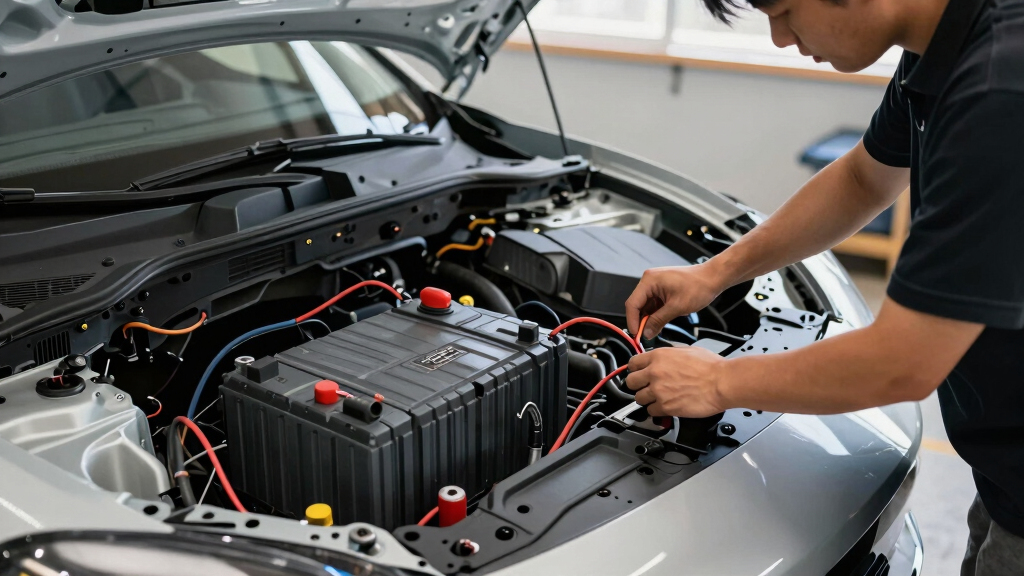

Converting a vehicle you already own to electric power is one of the smartest ways to skip the price of a purpose-built EV, but the kit market splits sharply by vehicle type and by how much work you want to do yourself. After comparing this field, my Best Overall pick is the BAFANG 1000W mid-drive kit, because it ships with the battery, display, and even the installation tools most rivals make you buy separately. If you would rather spend less up front and source your own battery, the flexible-power Bafang kit is the value play, and riders who care about a natural pedal feel should look at the TSDZ16 torque-sensor kit. Golf cart owners get two dedicated options from Navitas, one for EZGO TXT and one for Star EV. The core tradeoffs across all five: completeness of the bundle versus sticker price, raw torque versus ride subtlety, and universal fit versus model-specific engineering. Here is how I ranked them.

Get business pricing on garage and car supplies
- Business-only prices and quantity discounts
- Tax-exempt purchasing
- Multiple users, one account, clear invoices
Complete the kit


Key Takeaways
- The BAFANG 1000W kit earns Best Overall because it is the only e-bike option here bundled with a battery, display, and the specialty tools needed for installation.
- The flexible-power Bafang kit costs less up front, but the battery is optional and 73mm screws are not included, so real savings shrink once the build is finished.
- The TSDZ16 is the only kit in this lineup with a torque sensor, which gives it the most natural pedal-assist feel of the three e-bike options.
- Both Navitas kits are AC conversions for 48V golf carts only; they do not fit bicycles, and the EZGO version will not work with factory lithium models.
- A 1000W mid-drive exceeds street-legal e-bike power limits in many regions, so check local rules before riding a converted bike on public roads.


| EV conversion kit | Bottom Bracket Fit |
|---|---|
| BAFANG 1000W Mid Drive Electri | 68-73mm, 100mm, 120mm |
| Bafang Mid Drive Kit 750W/1000 | 68-73mm |
| TS-DZ2B TS-DZ8 TSDZ16 500W 750 | 68-73mm |
| Navitas AC Conversion for EZGO | — |
| Navitas DC to AC Conversion Ki | — |
More Details on Our Top Picks
BAFANG 1000W Mid Drive Electric Bike Conversion Kit with Battery and Display
If one kit in this lineup covers the most buyers with the fewest compromises, it is the BAFANG 1000W mid drive. The headline figure is 160 N.m of torque, which puts steep hills and loaded cargo rides within reach of an ordinary mountain or city bike, and the quoted 45 km/h top speed is about as fast as a DIY e-bike build sensibly gets. What pushes it ahead of the similar flexible-power Bafang below is the bundle: brake levers, chainwheel, thumb throttle, speed sensor, headlight, and even the bottom bracket and crank removal tools ship in the box, with a battery and display included in the listed configuration. With the value Bafang, the battery costs extra and 73mm screws may be missing, so the real price gap is smaller than the sticker suggests. Compared with the TSDZ16 torque-sensor kit, this Bafang feels more assertive but less intuitive, delivering punchy assist rather than power matched to your pedal pressure. The tradeoffs are genuine: installation assumes some mechanical confidence, frames without disc or V-brakes are excluded, and 1000W exceeds e-bike street-legal limits in many areas, so treat this as a private-property or off-road machine unless your local rules say otherwise.
Pros:- 160 N.m of torque handles steep terrain and heavy loads
- Battery, display, and installation tools included in the bundle
- Seven display options let you customize the cockpit
- Fits 68-73mm, 100mm, and 120mm bottom brackets
Cons:- Exceeds legal e-bike power limits on public roads in many regions
- Requires disc or V-brake frames and some mechanical skill
- Battery inclusion varies by listing, so check before ordering
Best for: Riders who want a single-box, high-power build with battery and tools included
Not ideal for: Anyone needing a street-legal 250W-class setup or a rim-brake-only frame
- Motor Power:1000W
- Voltage:48V or 52V (optional)
- Torque:160 N.m
- Max Speed:45 km/h
- Bottom Bracket Fit:68-73mm, 100mm, 120mm
- Brake Compatibility:Disc or V-brake, chain-driven
- Display Options:VD03, EKD01, VD04, VD618, VD18MT, DPC010, DPC080
- Included Accessories:Brake levers, chainwheel, thumb throttle, speed sensor, headlight, BB and crank tools
- Battery:Included with the listed configuration
Our verdict“The most complete high-power e-bike conversion in this lineup, and the easiest to recommend to a first-time serious builder.”
Bafang Mid Drive Kit 750W/1000W/500W Electric Bike Conversion Kit with Battery and Display (Optional)
The case for this kit starts with restraint: not everyone needs 1000W, and paying for capacity you will not use is the most common conversion mistake. This Bafang lets you choose 500W, 750W, or 1000W on the same proven mid-drive platform, with torque scaling from 100 to 160 N.m across the range, so a commuter can buy the mild version and a trail rider can buy the hot one. Against the Best Overall pick above, you give up the guaranteed battery and the specialty tools, and the listing warns that 73mm screws may not be included, which can mean a second order mid-build. Where it claws value back is battery flexibility: options run from a 48V 13Ah pack up to 52V 20Ah, so you can spend on range exactly where it matters to you or reuse a pack you already own. Compared with the TSDZ16, the assist feel is cruder, but the broader power ladder and wider accessory list make this the better platform for a builder who wants control over every component. Skip it if you want the simplest possible purchase; the à la carte structure rewards planners, not impulse buyers.
Pros:- Three power tiers on one platform fit commuters and trail riders alike
- Broad battery menu from 48V 13Ah to 52V 20Ah
- Core accessories included: brake lever, chainwheel, throttle, sensor, headlight
- Lower entry price than the fully bundled BAFANG kit
Cons:- Battery costs extra unless selected, narrowing the gap to Best Overall
- 73mm screws not included, which can stall installation
- Disc or V-brake frames only
Best for: Budget-conscious builders who want to pick their own power level and battery
Not ideal for: Buyers who want everything, battery included, in one box
- Power Options:500W, 750W, 1000W
- Voltage:48V or 52V
- Torque:100 / 120 / 160 N.m by tier
- Top Speed:Up to 45 km/h
- Bottom Bracket Fit:68-73mm
- Brake Compatibility:Disc or V-brake, chain-driven
- Battery Options:48V 13/16/18.2/20Ah, 52V 20Ah (optional)
- Included Accessories:Brake lever, chainwheel, throttle, speed sensor, headlight
Our verdict“The smartest buy in this lineup if you already own a battery or want a milder, cheaper motor tier.”
TS-DZ2B TS-DZ8 TSDZ16 500W 750W 1000W Torque Sensor Mid Drive Kit
Both Bafang kits above use cadence-style assist, which decides how much power to deliver from the fact that you are pedaling. The TSDZ16 instead uses a precision torque sensor that measures how hard you pedal and matches the motor to it, and that single difference changes the character of the ride: power arrives proportionally, starts are smoother, and the bike still feels like a bike. For riders coming from a quality mid-drive e-bike, this is the only kit here that approximates that factory feel. The rest of the spec sheet holds up too — up to 160 N.m of torque, 500W to 1000W tiers, an IP65 waterproof rating neither Bafang explicitly matches, and a claimed range of up to 55 miles. So why third place? Two reasons. The bundle is thinner than the Best Overall BAFANG, with no included battery, and the 68-73mm bottom bracket window is narrower than the BAFANG’s 68-120mm spread, which rules out fat bikes. Range also swings with capacity and terrain, so treat the 55-mile figure as a best case. If ride quality outranks bundle completeness on your list, this ordering flips and the TSDZ16 becomes the obvious choice.
Pros:- Torque sensor delivers the most natural assist feel in this lineup
- IP65 rating suits year-round and wet-weather riding
- Up to 160 N.m of torque across 500W-1000W tiers
- Plug-and-play wiring simplifies the electrical side
Cons:- No battery included, unlike the Best Overall bundle
- 68-73mm bottom bracket limit excludes fat bikes
- Real-world range varies widely with terrain and pack size
Best for: Riders who want natural, proportional pedal assist and all-weather durability
Not ideal for: Fat-bike owners and anyone wanting a battery included in the box
- Motor Power:500W, 750W, or 1000W
- Max Torque:160 N.m
- Sensor Type:Torque sensor
- Waterproof Rating:IP65
- Battery Range:Up to 55 miles
- Bottom Bracket Fit:68-73mm
- Riding Modes:Multiple assist modes
- Installation:Plug-and-play wiring; some technical knowledge needed
Our verdict“The connoisseur’s e-bike kit: less complete out of the box, but the best ride feel of the three bike conversions.”
Navitas AC Conversion for EZGO TXT 48V 600 Amp Controller and 5KW Motor
Golf cart kits live or die on fitment, and this Navitas unit is engineered for one job: waking up an EZGO TXT 48V with a Curtis 1206HB controller. Swapping the legacy DC setup for a 5KW AC motor and 600-amp controller pays off in every metric a cart owner actually feels — stronger acceleration, higher top speed, better hill torque, and more range per charge, because AC drivetrains waste less energy as heat. The differentiator against the Star EV Navitas kit below is the Bluetooth programmability through a mobile app, which lets you tune throttle response and monitor the system from your phone instead of buying a separate programmer. The catches deserve equal billing. It will not work with factory lithium models, the install is beyond casual DIY for most owners, and Navitas recommends a heavy-duty solenoid plus 2-gauge battery cables for the kit to perform at its best, which adds cost the listing does not headline. Compared with doing nothing, the performance gain is large; compared with the Star EV kit, installation is less plug-and-play. For an EZGO TXT owner chasing a genuine performance upgrade rather than a like-for-like repair, this is the strongest option in the roundup.
Pros:- 5KW AC motor and 600A controller transform speed, torque, and range
- Bluetooth app tuning without extra programming hardware
- Purpose-built for the common EZGO TXT 48V platform
- AC efficiency means more miles per charge
Cons:- Incompatible with factory lithium EZGO models
- Heavy-duty solenoid and 2-gauge cables recommended at extra cost
- Installation typically needs technical support
Best for: EZGO TXT 48V owners who want a tunable, app-controlled performance upgrade
Not ideal for: Factory lithium cart owners and anyone unwilling to upgrade cables and solenoid
- Vehicle Fit:EZGO TXT 48V
- Required Controller:Curtis 1206HB
- Conversion Type:DC to AC
- Controller:600 Amp
- Motor:5KW AC
- Programming:Bluetooth via mobile app
- Key Gains:Range, torque, top speed, acceleration
- Recommended Extras:Heavy-duty solenoid, 2-gauge battery cables
- Exclusions:Factory lithium models not supported
Our verdict“The definitive power upgrade for a DC-era EZGO TXT, provided you budget for the supporting hardware.”
Navitas DC to AC Conversion Kit for Star EV Golf Carts 48V 5KW TAC2 600A
Where the EZGO Navitas kit asks for supporting hardware and some patience, this Star EV version sells a simpler promise: bolt it in without modifications. The box contains the 5KW AC motor, the TAC2 600-amp Bluetooth controller, the programmer, and the mounting hardware, so the parts hunt that shadows most conversions is largely done for you. The payoff mirrors the EZGO kit — better efficiency, more speed, more range per charge — because the underlying DC-to-AC logic is the same. Ranking it below its Navitas sibling comes down to breadth rather than quality: the EZGO TXT is a far more common cart, and the app-based tuning on that kit is a touch more accessible than a bundled programmer. This kit is also strictly model-specific; on anything that is not a Star EV 48V, fitment becomes a gamble, and even Navitas flags potential compatibility issues outside the intended models. Installation is easier than the EZGO conversion but still assumes mechanical comfort. If your cart is a Star EV, though, this is not a compromise pick at all — it is the right tool, and the no-modification mounting makes it the friendliest install of the two cart kits.
Pros:- Installs without modifications to the cart
- Complete package: motor, controller, programmer, and hardware
- Bluetooth-enabled TAC2 controller for programming and monitoring
- Gains in efficiency, speed, and range over the stock DC system
Cons:- Fits Star EV 48V carts only
- Still demands technical confidence despite the easier mount
- Programmer-based tuning is less convenient than the EZGO kit’s app
Best for: Star EV 48V owners who want a complete, no-modification AC swap
Not ideal for: Owners of any other cart brand, and buyers wanting app-based tuning
- Vehicle Fit:Star EV 48V golf carts
- Conversion Type:DC to AC
- Motor:5KW AC
- Controller:TAC2 600A with Bluetooth
- Included:AC motor, controller, programmer, mounting hardware
- Installation:No modifications required
- Key Gains:Efficiency, speed, range per charge
Our verdict“The cleanest install in the golf cart pair, and the obvious choice if your cart wears a Star EV badge.”
How We Picked
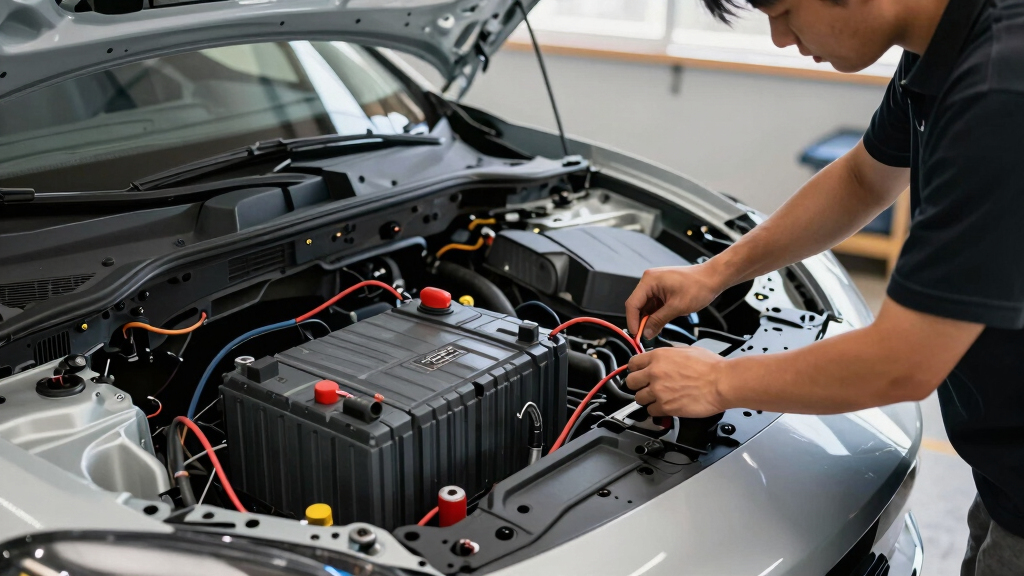
I started by splitting the field the way buyers actually shop: e-bike conversions and golf cart conversions are different purchases, so no kit was ranked against a vehicle it cannot serve. Within the e-bike group, I weighted four things in order: how complete the bundle is out of the box, usable power and torque, ride feel (torque sensor versus cadence-based assist), and installation demands. That logic is why the fully bundled BAFANG 1000W sits first, the battery-optional Bafang sits second as the value pick, and the torque-sensing TSDZ16 takes third as the ride-quality pick despite a strong spec sheet. For the two Navitas cart kits, ranking came down to fitment specificity and programming support, since a cart kit either matches your exact model and controller or it is worthless to you. Every product also needed a clear weakness I could name, because a roundup where everything sounds equally good helps no one decide.
Factors to Consider When Choosing Best EV Conversion Kits
Five kits, two vehicle types, and a handful of decisions that matter more than any single spec. This is the framework I used to rank them, condensed into the choices you will face as a buyer.Start With the Vehicle, Not the Motor
The biggest fork in this category has nothing to do with watts. E-bike kits and golf cart kits are separate purchases with zero overlap: the three Bafang and TSDZ mid drives mount to a bicycle bottom bracket, while both Navitas kits replace the drivetrain of a specific 48V cart. If you are converting a bike, the cart kits are irrelevant no matter how good they are, and vice versa. Decide the vehicle first, then compare within that group. It is the fastest way to cut this list from five options to the two or three that actually apply to you.
Why Every E-Bike Kit Here Is a Mid Drive
All three bicycle kits in this roundup mount at the crank rather than in a wheel hub. That is a deliberate filter. Mid drives send power through the bike’s gears, so the motor can spin in its efficient range whether you are crawling up a grade or cruising flat ground, which is why they climb better than hub motors of the same wattage. The tradeoff is drivetrain wear: chains and cassettes work harder and need replacing sooner, and installation means pulling the bottom bracket rather than swapping a wheel. For the hilly, mixed-terrain riding these kits advertise, mid drive is the right call, but low-maintenance flat-city commuters could reasonably shop hub kits elsewhere.
Torque Sensor Versus Cadence: The Ride Feel Decision
Among the e-bike picks, only the TSDZ16 uses a torque sensor, which reads pedal force and proportions motor output to it. Both Bafang kits use cadence-based assist, which responds to the fact that the cranks are turning. In practice, torque sensing feels like stronger legs, while cadence sensing feels like a switch has been flipped. Neither is wrong. Cadence systems are simpler, cheaper, and fine for throttle-heavy riding; torque sensing rewards riders who still want exercise and a natural feel. This single question — do you want the motor to amplify your effort or replace it — should decide between the TSDZ16 and the two Bafangs before price even enters the discussion.
Battery Choices Shape Your Real Budget
Sticker prices on conversion kits mislead, because the battery is often half the real cost. The Best Overall BAFANG includes one in the listed configuration; the value Bafang and the TSDZ16 do not. A 48V pack ranges from 13Ah to 20Ah in this lineup’s options, and amp-hours translate directly into miles: bigger packs cost more, weigh more, and go farther. If you already own a compatible pack, the battery-optional kits are genuine savings. If you do not, price the battery before celebrating a lower kit price, because the gap between first and second place here nearly disappears once the cart is loaded.
Power Ratings and Local Law
Three of these kits offer 1000W, and that number carries legal weight. Many regions cap street-legal e-bikes at 250W to 750W with speed limits near 25 to 32 km/h, so a 1000W, 45 km/h build is often an off-road or private-property machine unless you register it differently. Golf carts face their own rules about where modified carts may be driven. None of this argues against the powerful kits — it argues for matching power to purpose. Buy 500W if you ride legally on public paths, and save the 1000W tier for land where it belongs. The best kit is the one you can actually use where you ride.
Frequently Asked Questions
Is converting cheaper than buying a purpose-built e-bike or electric cart?
Usually yes, provided you already own a sound donor vehicle. A quality new mid-drive e-bike often costs two to three times what a complete Bafang conversion with battery runs, and a Navitas AC swap is far less than a new performance cart. The savings shrink if your bike or cart needs repairs first, if you pay a shop for installation, or if you buy a premium battery, so total the full project cost — kit, battery, cables, tools, labor — before comparing it against buying new. Conversions also lack a factory warranty on the finished vehicle, which is part of what the lower price reflects.
How difficult are these kits to install?
Honest answer: none of the five are true beginner projects, but they vary. The Star EV Navitas kit is the friendliest, since it mounts without modifications and includes all hardware. The Bafang mid drives sit in the middle — mechanically straightforward with the included tools and online videos, but they require pulling the bottom bracket and cranks, which intimidates first-timers. The EZGO Navitas conversion is the most demanding, with controller wiring, a recommended solenoid and cable upgrade, and likely a call to technical support. If you have never wrenched on a bike or cart, budget for a few hours of video study or a professional install.
What is the difference between a torque sensor and a cadence sensor?
A cadence sensor, used by both Bafang kits, detects that the pedals are moving and applies a preset level of assist — simple, predictable, and a bit on-off in feel. A torque sensor, as in the TSDZ16, measures how hard you are pushing and scales motor power to match, so gentle pedaling gets gentle help and hard efforts get strong assist. Torque sensing feels more natural and preserves some exercise value; cadence sensing is cheaper and pairs better with heavy throttle use. If you want the bike to still feel like a bicycle, torque sensing is worth the tradeoffs.
Are 1000W e-bike conversions street legal?
In many places, no. Numerous jurisdictions cap legal e-bikes between 250W and 750W and limit assisted speed well below the 45 km/h these kits can reach. A 1000W conversion may be perfectly legal on private property, trails that allow it, or when registered as a moped-class vehicle, but riding one as a bicycle on public roads can mean fines or liability problems after an accident. The 500W tiers in this lineup exist partly for this reason. Check your local vehicle code before choosing a power level, and let the law — not the spec sheet — set your ceiling.
Will a Navitas AC kit work on any golf cart?
No, and this is where cart buyers most often go wrong. Each Navitas kit is engineered for a specific make and electrical system: the EZGO version targets the TXT 48V with a Curtis 1206HB controller and excludes factory lithium models, while the other is built for Star EV 48V carts. Bolt patterns, wiring looms, and controller logic all differ between brands, so cross-fitting is a recipe for wasted money. Identify your cart’s exact model, year, voltage, and existing controller before ordering, and if anything is unclear, confirm fitment with the seller first. The right kit on the right cart is excellent; the wrong one is an expensive paperweight.
Conclusion
The right kit depends entirely on what is parked in your garage. For most e-bike builders, the BAFANG 1000W is the pick — the included battery, display, and tools make it the closest thing to a one-box answer. If you already own a battery or want a milder, cheaper tier, the flexible-power Bafang is the smarter spend. Choose the TSDZ16 if ride feel is your priority; its torque sensor is the only option here that delivers natural, proportional assist. Golf cart owners have it simpler: EZGO TXT drivers should take the app-tunable Navitas kit and budget for the cable and solenoid upgrade, while Star EV owners get the easier no-modification install. Match the kit to the vehicle and the power to your local laws, and any of these five will do the job it was built for.
Fall Picks
fall essentials
As an affiliate, we earn on qualifying purchases.