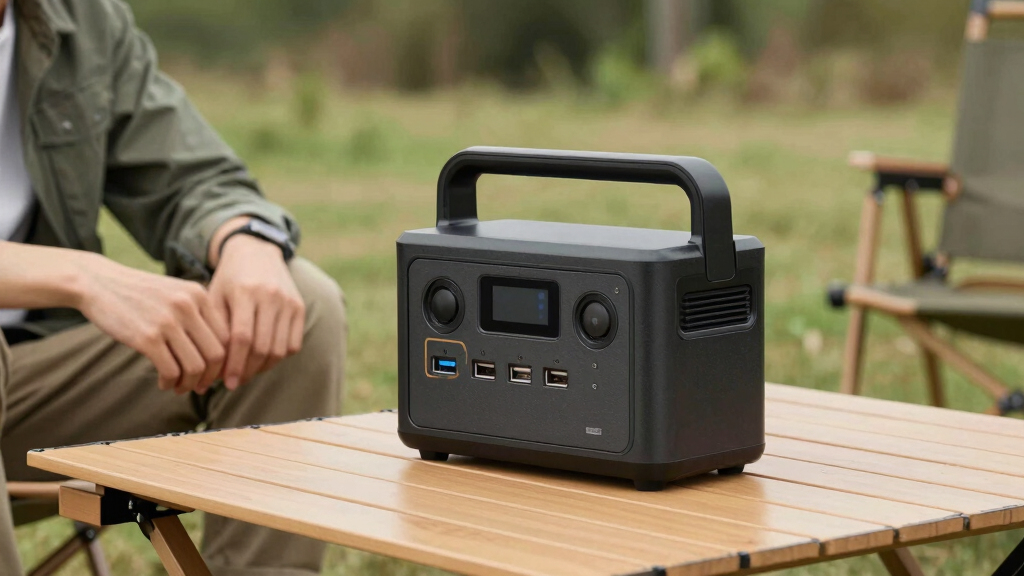
Finding the best expandable portable power station for camping involves balancing capacity, portability, and expandability. The Anker SOLIX S2000 stands out as the overall top pick thanks to its large capacity and reliable performance. For those prioritizing lightweight design, the Jackery Explorer 2000 Plus offers a compact yet powerful option. The main tradeoffs in this category include balancing size and weight against total power capacity and expandability. Keep reading to see how these options compare and which one fits your camping setup best.

Get business pricing on garage and car supplies
- Business-only prices and quantity discounts
- Tax-exempt purchasing
- Multiple users, one account, clear invoices
Complete the kit


Key Takeaways
- The largest capacities, like the Anker SOLIX S2000 and ABOK Ark3600, are best for extended camping trips but come with increased weight and size.
- Expandable systems, such as the AFERIY and ABOK, offer flexible power options but may require more setup and maintenance.
- LiFePO4 battery models like PECRON and ABOK provide longer lifespan and safety, making them better for frequent use.
- Portability varies significantly; lighter units like Jackery are easier to carry but may have limited capacity compared to bulkier options.
- Power output and surge capacity are critical for running heavier appliances; models with higher surge watts are better suited for larger devices.
| Anker SOLIX S2000 Portable Power Station, 2010Wh, 3000W Peak, Home Backup |  | Best Overall for Versatile Camping and Emergency Use | Watt-hours: 2010Wh | Peak Power: 3000W | Output Wattage: 1500W | VIEW LATEST PRICE | See Our Full Breakdown |
| PECRON Portable Power Station E1000LFP, 1024Wh/1800W LiFePO4 Battery Backup |  | Best for Fast Charging and Expandable Capacity | Capacity: 1024Wh | Output Power: 1800W | Recharge Time: 78 minutes | VIEW LATEST PRICE | See Our Full Breakdown |
| AFERIY 3840Wh Portable Power Station, Expandable Solar Generator to 11520Wh |  | Best for Large-Scale Power and Home Backup | Battery Capacity: 3840Wh | Expandable Capacity: 11.5kWh | Continuous Output: 3600W | VIEW LATEST PRICE | See Our Full Breakdown |
| OUPES Mega 1 Portable Power Station 1024Wh 2000W (4500W Surge) |  | Best for High-Power and Professional-Grade Use | Capacity: 1024Wh | Continuous Power: 2000W | Surge Power: 4500W | VIEW LATEST PRICE | See Our Full Breakdown |
| ABOK Ark3600 Portable Power Station 3600W, 3840Wh LiFePO4 Battery |  | Best for Heavy-Duty and Long-Lasting Power | Capacity: 3840Wh | Expandable Capacity: up to 11520Wh | Rated Output: 3600W | VIEW LATEST PRICE | See Our Full Breakdown |
| Jackery Explorer 2000 Plus Portable Power Station, 2042Wh, 3000W AC Output |  | Best for Heavy-Duty Camping and Home Backup | Capacity: 2042.8 Wh | AC Output: 3000 W | Expandable Capacity: up to 24 kWh | VIEW LATEST PRICE | See Our Full Breakdown |
| expandable portable power station for camping | Capacity | Expandable Capacity | Recharge Time |
|---|---|---|---|
| Anker SOLIX S2000 Portable Pow | — | — | — |
| PECRON Portable Power Station | 1024Wh | up to 4096Wh | 78 minutes |
| AFERIY 3840Wh Portable Power S | — | 11.5kWh | 1.5 hours |
| OUPES Mega 1 Portable Power St | 1024Wh | — | 36 minutes |
| ABOK Ark3600 Portable Power St | 3840Wh | up to 11520Wh | — |
| Jackery Explorer 2000 Plus Por | 2042.8 Wh | up to 24 kWh | — |
More Details on Our Top Picks
Anker SOLIX S2000 Portable Power Station, 2010Wh, 3000W Peak, Home Backup
The Anker SOLIX S2000 stands out for its impressive 2010Wh capacity combined with a lightweight, compact design that’s easy to carry—making it a top choice for both camping and home backup. Compared to the ABOK Ark3600, it offers a similar capacity but at a more manageable weight, ideal for those who need portability without sacrificing power. Its support for solar input and multiple outlets makes it flexible, though the absence of a 12V DC port limits some vehicle or RV applications. This model balances capacity and portability well, but with only 8 outlets, it might fall short for larger groups with many devices. Best suited for campers seeking reliable power that won’t weigh them down.
Pros:- High-capacity 2010Wh battery with long lifespan
- Lightweight and compact for portability
- Supports multiple charging options including solar and AC
Cons:- No 12V DC port available
- Limited to 8 outlets which may be insufficient for some users
Best for: Campers and small households needing dependable backup with portable convenience
Not ideal for: Heavy-duty off-grid users or large groups requiring numerous outlets simultaneously
- Watt-hours:2010Wh
- Peak Power:3000W
- Output Wattage:1500W
- Charge Cycles:10,000
- Size:8.19″L x 11.1″W x 12.7″H
- Weight:35.7 pounds
Our verdict“This is a balanced choice for campers who prioritize portability without sacrificing substantial power capacity.”
PECRON Portable Power Station E1000LFP, 1024Wh/1800W LiFePO4 Battery Backup
The PECRON E1000LFP offers a compelling mix of quick recharge times and expandable capacity, making it attractive for those who want to extend their power availability on longer trips or emergencies. Its 78-minute charging time surpasses many competitors like the OUPES Mega 1, which takes longer to recharge. The ability to expand capacity up to 4096Wh provides flexibility, though its weight and bulkiness make it less ideal for lightweight backpacking or frequent transport. While it excels at delivering 1800W of continuous power, its higher price tag might deter budget-conscious users. This pick is suited for users who prioritize rapid recharging and scalable power for extended outdoor stays.
Pros:- Fast charging in just over an hour
- Expandable capacity up to 4096Wh
- Durable and safe LiFePO4 battery
Cons:- Relatively heavy and bulky for portability
- Higher price point due to advanced features
Best for: Emergency preparedness and campers needing fast, expandable power solutions
Not ideal for: Lightweight hikers or those seeking ultra-portable units due to its weight and size
- Capacity:1024Wh
- Output Power:1800W
- Recharge Time:78 minutes
- Expandable Capacity:up to 4096Wh
- Battery Type:LiFePO4
Our verdict“Ideal for users seeking rapid recharge and scalable power in an emergency or extended camping scenario.”
AFERIY 3840Wh Portable Power Station, Expandable Solar Generator to 11520Wh
The AFERIY 3840Wh offers exceptional capacity and expandability, targeting users who need a versatile power source for home backup, mobile workstations, or large camping setups. Its ability to expand to 11.5kWh surpasses most competitors like the ABOK Ark3600, making it well-suited for extended off-grid use. Its fast recharge time of 1.5 hours, combined with multiple recharging options including solar, supports continuous power flow. The heavy weight and size, however, limit its portability, making it more suitable for stationary use or vehicle-based setups. This power station excels for those who prioritize capacity over portability. Best for those who want a reliable, high-capacity backup system for extended outdoor or emergency use.
Pros:- High-capacity expandable battery
- Fast recharge time of 1.5 hours
- Multiple recharging methods including solar and car
Cons:- Heavy weight over 80 lbs, difficult to transport
- Price not specified, potentially costly
Best for: Homeowners or campers with large power needs and space for station setup
Not ideal for: Hikers and backpackers who need lightweight, portable units
- Battery Capacity:3840Wh
- Expandable Capacity:11.5kWh
- Continuous Output:3600W
- Recharge Time:1.5 hours
- Ports:15
Our verdict“Designed for users needing substantial, expandable power with a focus on stationary or vehicle-mounted use.”
OUPES Mega 1 Portable Power Station 1024Wh 2000W (4500W Surge)
The OUPES Mega 1 offers a robust 1024Wh capacity combined with a remarkable 2000W continuous power and a surge capacity of 4500W, making it ideal for demanding electronics and high-power appliances. Compared with the Anker SOLIX S2000, it provides a smaller capacity but excels with faster recharge times, thanks to industry-leading 36-minute recharges. Its modular design allows capacity expansion up to 5120Wh, appealing to users who may need more power over time. The unit’s sophisticated features, like Bluetooth connectivity and pure sine wave output, cater to professionals or tech-savvy campers. The tradeoff lies in its bulkier size and higher cost, which may be excessive for casual users. This model suits those who need reliable, high-power output with scalability and advanced controls.
Pros:- Fast recharge times of 36 minutes
- Modular expansion up to 5120Wh
- Professional-grade pure sine wave power
Cons:- Bulkier size due to modular design
- Higher price point for advanced features
Best for: Campers and professionals needing high wattage, quick recharge, and scalability
Not ideal for: Light campers or those on a tight budget due to higher cost and size
- Capacity:1024Wh
- Continuous Power:2000W
- Surge Power:4500W
- Recharge Time:36 minutes
- Expansion Capacity:up to 5120Wh
Our verdict“Perfect for power users who require high wattage, scalability, and rapid recharging in demanding outdoor or professional scenarios.”
ABOK Ark3600 Portable Power Station 3600W, 3840Wh LiFePO4 Battery
The ABOK Ark3600 provides a substantial 3840Wh capacity and supports expansion to over 11,500Wh, making it a strong candidate for long-duration camping trips or emergency backup. Its over 4000 cycles promise durability, especially compared with smaller units like the Anker SOLIX S2000. The inclusion of wheels and an extendable handle enhances portability despite its size, and 15 output ports allow for a wide range of devices simultaneously. However, the absence of detailed weight and dimension info makes assessing portability difficult, and the high price may be a barrier for some. This station excels for users needing long-term reliability and capacity. Best suited for those who prioritize durability and high-capacity power over ultra-lightweight design.
Pros:- High capacity expandable to 11520Wh
- Over 4000 lifecycle cycles
- Portable with wheels and extendable handle
Cons:- Weight and dimensions not specified, potentially heavy
- Price not provided, possibly expensive
Best for: Long-term campers or emergency prepers needing reliable, high-capacity power
Not ideal for: Hikers or backpackers needing lightweight, compact solutions
- Capacity:3840Wh
- Expandable Capacity:up to 11520Wh
- Rated Output:3600W
- Peak Power:4500W
- Lifespan:Over 4000 cycles
Our verdict“Designed for dependable, high-capacity power with durability and portability features for extended use.”
Jackery Explorer 2000 Plus Portable Power Station, 2042Wh, 3000W AC Output
The Jackery Explorer 2000 Plus stands out for its impressive 2,042 Wh capacity and ability to support devices up to 3,000 W, making it ideal for campers who need to run larger appliances or multiple devices simultaneously. Compared with the Anker SOLIX S2000, it offers slightly more capacity and faster charging times—just 2 hours with solar or wall power—adding to its appeal for quick setup in remote locations. Its expandable capacity up to 24 kWh via multiple units makes it suitable for extended trips or backup power at home, although this setup requires multiple solar panels, which can complicate logistics. The built-in cooling system ensures quieter, more reliable operation, especially during prolonged use. The LiFePO4 battery promises up to 10 years of lifespan, reducing replacement worries. The main tradeoff is the higher price point and limited shipping options, which might be a concern for budget-conscious or remote users. This pick makes the most sense for serious campers or backup power users who prioritize capacity, speed, and durability over portability.
Pros:- High capacity of 2042 Wh with expandable options up to 24 kWh
- Fast 2-hour recharge via solar or wall outlet
- Quiet operation at 30 dB suitable for indoor and outdoor use
- Long-lasting LiFePO4 battery with up to 10 years lifespan
Cons:- Requires multiple solar panels for full fast charging setup
- Limited shipping options, cannot ship to PO boxes
Best for: Campers needing high power for heavy appliances or extended trips, plus those interested in long-term reliability and expandability.
Not ideal for: Casual campers or those with limited space and budget, as the high capacity and cost may be overkill and difficult to transport.
- Capacity:2042.8 Wh
- AC Output:3000 W
- Expandable Capacity:up to 24 kWh
- Battery Type:LiFePO4
- Battery Lifespan:up to 10 years
- Charging Time:2 hours with solar/wall
- Number of Battery Packs Supported:Up to 5
- Parallel Connection:Yes, up to 2 units
- Noise Level:30 dB
Our verdict“This power station is best for campers who need serious capacity, quick recharging, and long-term durability, accepting higher cost and setup complexity.”

How We Picked
Products were selected based on their power capacity, expandability features, portability, build quality, and user safety. We prioritized models that offer a clear advantage in one or more of these areas, ensuring they are versatile for different camping scenarios. Our ranking reflects a balance between capacity and portability, with additional consideration for battery technology and expandability options. Each product was evaluated for ease of use, durability, and overall value to provide a well-rounded selection for varied camping needs.Factors to Consider When Choosing Best Expandable Portable Power Station For Camping
Choosing the best expandable portable power station for camping requires understanding several key factors that influence performance, usability, and value. Expanding capacity can be vital for longer trips, but it often adds weight and complexity. Consider how much power you need, how portable the unit must be, and how easy it is to expand or recharge. Being aware of these tradeoffs helps ensure you select a device that complements your specific outdoor lifestyle.Capacity and Expandability
The core feature of these stations is their capacity, measured in watt-hours (Wh). Larger capacities support longer use and more appliances but tend to be heavier and less portable. Expandability is a key benefit, allowing you to increase power by connecting additional batteries or solar panels. When choosing, balance your typical energy needs with the size you’re comfortable carrying and setting up.
Portability and Size
Portability varies widely among these models, from compact units ideal for light travel to larger, stationary systems. Consider how you’ll carry or store your power station—weight, handle design, and form factor matter. Remember, a heavier, more capable unit might be less convenient for frequent hikes or backpacking, so match size with your camping style.
Battery Technology and Safety
LiFePO4 batteries are increasingly popular because of their longer lifespan and safer chemistry compared to traditional lithium-ion. They resist thermal runaway and degrade more slowly over time, making them ideal for repeated camping use. However, these batteries often come at a higher initial cost and may add to the weight.
Recharging Options and Speed
Consider how you will recharge your power station—AC wall outlets, solar panels, or car chargers. Solar compatibility is essential for off-grid camping, but not all units are equally efficient or compatible with various panels. Fast recharging can minimize downtime, especially on longer trips or when used as a backup power source.
Power Output and Surge Capacity
Look at the continuous wattage and surge wattage ratings. Higher surge capacity is necessary for starting heavy appliances like refrigerators or power tools. Match your device requirements with the power station’s specs to prevent overloads and ensure reliable operation of your essential gear.
Frequently Asked Questions
Can I expand the capacity of my power station in the field?
Most expandable power stations are designed for in-field expansion, allowing you to connect additional batteries or solar panels when needed. However, compatibility is key—ensure your system supports expansion modules and that you have the necessary connectors and space. Planning your setup beforehand can prevent surprises and make on-site expansion smoother.
How long does it take to recharge these power stations with solar panels?
Recharging times vary depending on the capacity of the station and the wattage of your solar panels. Smaller units might take 4-8 hours under ideal conditions, while larger systems could require a full day or more. Using high-wattage panels and ensuring optimal sunlight can significantly reduce recharging time, which is vital for extended trips.
Are these power stations safe for outdoor use?
Yes, most modern portable power stations are built with safety features like over-voltage, over-current, and thermal protections. LiFePO4 models add an extra layer of safety due to their stable chemistry. However, always follow manufacturer guidelines for outdoor use, keep units dry, and avoid exposing them to extreme temperatures to maintain safety and performance.
What should I prioritize: capacity, weight, or expandability?
This depends on your specific camping needs. If you plan long trips with many devices, prioritize capacity and expandability. For shorter trips or backpacking, weight and size are more important. Sometimes, a smaller, high-quality unit with decent capacity can serve well without the bulk of larger models. Assess your typical power needs and mobility preferences to make the best choice.
Can these power stations run appliances like refrigerators or power tools?
Many of these units can handle appliances like small refrigerators or power tools, provided their surge wattage and continuous power ratings match the device requirements. Always check the surge capacity for tools or refrigerators with motors, as these often draw higher initial power. For heavy-duty appliances, select models with higher surge and continuous wattage ratings to ensure reliable operation.
Conclusion
For the most versatile setup, the Anker SOLIX S2000 offers the largest capacity and expandability, making it ideal for extended camping trips or backup power at basecamps. Budget-conscious campers or those new to portable power should consider the Jackery Explorer 2000 Plus, which balances power and portability at a more accessible price point. The ABOK Ark3600 stands out for frequent users needing long-term durability with LiFePO4 batteries. Beginners looking for simplicity may prefer units with straightforward operation, while advanced users should focus on models with higher surge capabilities and expandability options. Tailor your choice to your camping style and power needs to stay charged wherever your adventures take you.
Columbus Day / Indigenous Peoples' Day Picks
long weekend sales
As an affiliate, we earn on qualifying purchases.