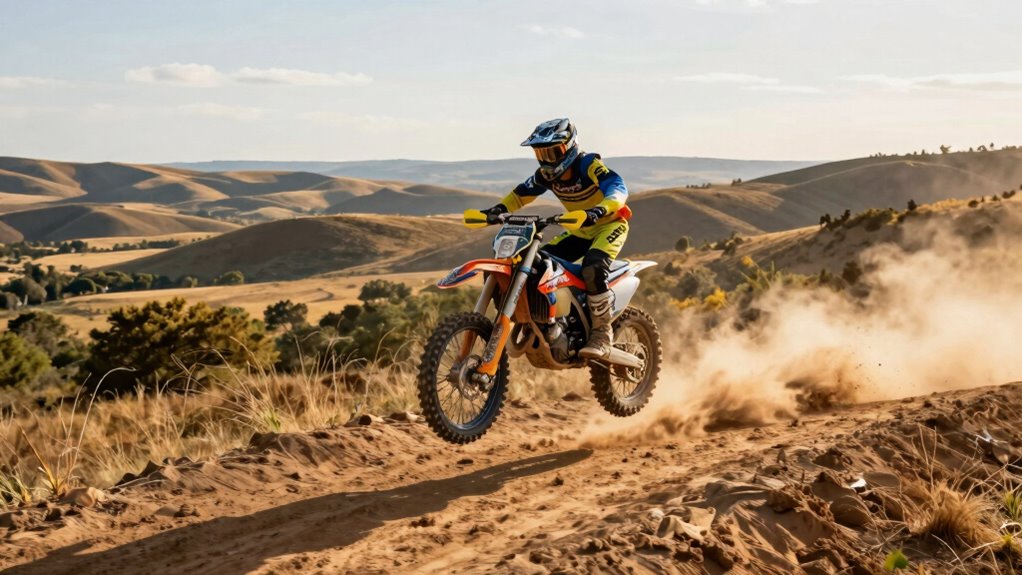
For a drone for filming dirt bike rides, my best overall pick is the DJI Mini 5 Pro, which balances a capable camera with a portable design for following rides across varied terrain. The DJI Neo 2 is a standout for riders who want simpler, close-range follow shots, while the DJI Mavic 4 Pro suits creators who put image quality and camera flexibility first. The main tradeoffs are tracking reliability, safe operating distance, wind handling, flight time, and how much gear you want to carry. A drone’s advertised flight time does not equal time spent filming a moving bike, so battery swaps and return margins matter. Read on for the full breakdown and guidance on matching a drone to your riding and filming style.

Get business pricing on garage and car supplies
- Business-only prices and quantity discounts
- Tax-exempt purchasing
- Multiple users, one account, clear invoices
Complete the kit


Key Takeaways
- DJI Mini 5 Pro is the strongest all-round fit: it offers a more balanced mix of portability and filming capability than the larger Mavic 4 Pro, without limiting the choice to close-range, simple follow shots.
- DJI Mavic 4 Pro leads for demanding image work: its tri-camera system and 100MP Hasselblad camera give creators more framing options, but the added size and complexity make it less appealing for quick trail sessions.
- DJI Neo 2 favors convenience over standoff distance: its compact follow-oriented approach can suit solo riders, while open, fast trails call for careful attention to tracking range and safe separation.
- Extra batteries matter more than headline endurance: the DJI Mini 4K Combo, Bwine F7GIM, and N11 Pro advertise extended flight through multi-battery packages or long-flight claims, but filming time still depends on conditions and reserve power.
- Specialized features do not automatically make better ride footage: the Avata 360’s 8K 360° capture offers reframing options, while a conventional gimbal drone may be easier for riders who want a ready-to-share forward-facing shot.


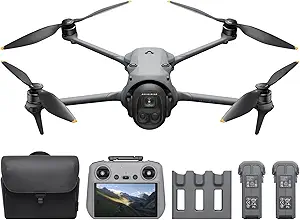
| drone for filming dirt bike ride | Video resolution | Gimbal | Weight | Included batteries |
|---|---|---|---|---|
| Skyrover S1 Mini Drone Combo w | 4K/60fps | 3-axis | — | — |
| 4K UHD GPS Drone with Camera f | 1080p | — | 181 g | — |
| DJI Neo 2 Fly More Combo with | 4K | — | 151 g | 3 |
| Bwine F7GIM 6K Photo Drone wit | 4K/30fps | 3-axis brushless | — | — |
| DJI Avata 360 Fly More Combo | — | — | — | 3 |
| DJI Mini 4K Camera Drone Combo | — | 3-axis | Under 249 g | — |
| DJI Mini 5 Pro Fly More Combo | — | — | 249.9 g | 3 |
| DJI Mavic 4 Pro Fly More Combo | — | 360° Infinity Gimbal | — | 3 |
More Details on Our Top Picks
Skyrover S1 Mini Drone Combo with 4K/60fps Video and 48MP Photos
The Skyrover S1 is a strong fit for riders who want smooth 4K/60fps footage they can slow down to show a jump or rough section. Its 3-axis gimbal helps steady the view as the drone tracks a moving bike, while three batteries offer up to 120 minutes of combined flight time for repeated attempts. Against the Bwine F7GIM, the Skyrover records at a higher stated frame rate, which gives it an advantage for action clips; the Bwine instead lists a 70-minute total flight time and a 10,000-foot transmission range. The Skyrover’s stated control-range figure of 36 feet conflicts with its listed 7.45-mile transmission range, so buyers should verify practical control distance before relying on it for a moving rider. Its near-250-gram weight also merits checking against local rules.
Pros:- 4K/60fps video supports smoother action footage and slow-motion edits.
- Three-axis gimbal stabilization helps reduce shake in aerial shots.
- Three included batteries provide up to 120 minutes of combined flight time.
- AI auto tracking and forward obstacle avoidance offer useful automated assistance.
Cons:- The listed 36-foot maximum control range conflicts sharply with the 7.45-mile transmission figure.
- At 249 g, it sits near the common recreational registration threshold; check current rules and exact takeoff weight.
- Automated tracking and obstacle avoidance do not replace careful piloting around trees, riders, or uneven terrain.
Best for: Riders filming planned passes, jumps, and trail sections who value stabilized 4K/60fps video and can confirm the drone’s practical control range before flying.
Not ideal for: Riders who need dependable long-distance pursuit footage or want clear, consistent range specifications; the listed 36-foot maximum control range is a serious ambiguity.
- Video resolution:4K/60fps
- Photo resolution:48 MP
- Gimbal:3-axis
- Combined flight time:Up to 120 minutes with 3 batteries
- Item weight:249 g
- Video transmission range:Up to 7.45 miles / 12 km
- Listed maximum control range:36 feet
- Special features:Forward obstacle avoidance, AI auto track, vertical shooting, timelapse
Our verdict“Choose the Skyrover S1 for stabilized, high-frame-rate trail footage, but clarify its control range before planning chase shots.”
4K UHD GPS Drone with Camera for Adults N11 Pro, 90 Min 3 Battery Long Flight Time, Auto Return, Follow Me, Long Control Range, Brushless Motor, 5G FPV RC Quadcopter for Beginners
The N11 Pro’s clearest advantage for dirt-bike filming is its GPS Follow Me mode, paired with a 3,328-foot control range and 90-degree camera tilt. Those features make it more suited to straightforward follow shots than the palm-operated DJI Neo 2, whose strongest appeal is portability and simple launch controls. The tradeoff is video detail: the N11 Pro lists 1080p video, despite its 4K photo specification, so it is a less compelling choice for riders who want crisp footage to crop or display on a large screen. Three batteries extend the session, but each flight requires a battery swap. Brushless motors and GPS positioning add practical support, though automated following still needs a clear route and a pilot ready to take control.
Pros:- GPS Follow Me and One-Key Return simplify basic follow and recovery tasks.
- 3,328-foot stated control range gives more reach than the Skyrover S1’s listed 36-foot control range.
- Adjustable 90-degree camera tilt helps frame the rider and trail.
- Three batteries provide up to 90 minutes of combined flight time.
Cons:- Listed video recording is 1080p; the 4K specification applies to photos.
- The 90-minute figure is combined across three batteries, requiring swaps between flights.
- GPS-based tracking can be less suitable for tight, wooded routes or fast direction changes.
Best for: Newer pilots filming steady, open-trail follow shots who prioritize GPS assistance, adjustable camera angle, and a stated long control range over 4K video.
Not ideal for: Riders who need detailed 4K motion footage, want uninterrupted long takes, or regularly ride beneath dense tree cover where GPS tracking may be less dependable.
- Video resolution:1080p
- Photo resolution:4K (4096 × 3072), 8.3 MP
- Lens angle:100° wide-angle
- Camera tilt:Adjustable up to 90°
- Combined flight time:Up to 90 minutes with 3 batteries
- Control range:3,328 feet
- Positioning:GPS and optical flow
- Weight:181 g
Our verdict“Pick the N11 Pro for beginner-friendly GPS follow shots on open trails, not for riders who require 4K video.”
DJI Neo 2 Fly More Combo with RC-N3 Remote Controller
At 151 g, the DJI Neo 2 is the easiest option here to carry to a trailhead and deploy for a quick overhead pass. Palm takeoff, gesture control, and ActiveTrack lower the setup burden compared with the Bwine F7GIM, which is a larger, more conventional GPS drone with a three-axis gimbal and a stated 70-minute flight time. The Neo 2’s omnidirectional obstacle sensing and propeller guards add practical protection when handling it around a group, but they do not make close tracking around branches or other riders risk-free. Its product details list 4K video without a frame rate or gimbal specification, so buyers seeking the more clearly specified 4K/60fps capture of the Skyrover S1 have a stronger match elsewhere. Android users should also account for the manual app download noted in the product information.
Pros:- Light 151 g body is easy to carry with riding gear.
- Palm takeoff and gesture controls make quick setup straightforward.
- ActiveTrack can follow a subject without constant manual framing.
- Three batteries and a charging hub are included in the combo.
Cons:- The supplied details do not specify video frame rate or gimbal stabilization.
- The product information says Android users may need to install DJI Fly manually rather than through Google Play.
- Obstacle sensing and propeller guards cannot guarantee safe tracking near trees, riders, or trail obstacles.
Best for: Riders who want a very portable drone for quick, short tracking clips and value simple launch controls over detailed camera specifications.
Not ideal for: Filmmakers planning long, cinematic trail sessions or demanding a listed 3-axis gimbal, known video frame rate, or simple Google Play installation on Android.
- Video resolution:4K
- Weight:151 g
- Obstacle sensing:Omnidirectional
- Included batteries:3
- Included controller:RC-N3
- Included accessories:Charging hub and propeller guards
Our verdict“Choose the Neo 2 for portable, quick-launch tracking clips, but favor the Skyrover S1 when specified 4K/60fps and gimbal stabilization matter more.”
Bwine F7GIM 6K Photo Drone with Camera, 3-Axis Gimbal, 4K Video, GPS, 70-Minute Flight, Digital Transmission
The Bwine F7GIM is a sensible choice for riders who want a three-axis gimbal and GPS-assisted controls for composed views of a trail, group, or scenic ride. It records 4K/30fps video and lists 6K photos, while its 70-minute flight time supports longer outings than a single-battery session. Against the Skyrover S1, the Bwine gives up the listed 60fps video option but avoids the Skyrover’s confusing 36-foot control-range figure; its own transmission range is listed at 10,000 feet. That reach is not a promise of safe pursuit distance, and riders should keep the drone within applicable rules and conditions. The wired digital transmission setup and microSD recommendation below 128GB add setup limits, making this less convenient for buyers who want a simple, high-frame-rate action camera in the air.
Pros:- Three-axis brushless gimbal helps steady trail and rider footage.
- 4K/30fps video and 6K photo capture provide options for video and stills.
- GPS smart modes, one-key takeoff, and auto return support beginner operation.
- Listed 70-minute flight time and 10,000-foot digital transmission range suit extended outings.
Cons:- 4K recording is listed at 30fps, below the Skyrover S1’s 4K/60fps specification for action footage.
- Wired digital transmission may limit setup flexibility and compatibility.
- The recommended microSD capacity below 128GB may constrain storage for longer filming days.
Best for: Riders filming planned trail panoramas, group rides, and steady scenic footage who prefer gimbal stabilization and GPS features over high-frame-rate action capture.
Not ideal for: Riders focused on slow-motion jumps, fast chase sequences, or a wireless setup with fewer transmission and storage constraints.
- Photo capture:18 MP; 6K photos
- Video resolution:4K/30fps
- Gimbal:3-axis brushless
- Flight time:Up to 70 minutes
- Maximum transmission range:10,000 feet
- Sensors:GPS and TOF
- Storage recommendation:MicroSD card below 128GB
Our verdict“Choose the Bwine F7GIM for stabilized 4K/30fps trail views and GPS assistance, rather than high-frame-rate chase footage.”
DJI Avata 360 Fly More Combo (RC 2) 8K 360° Camera Drone
The DJI Avata 360 is the most specialized pick in this group: its 8K/60fps HDR 360-degree capture is aimed at editors who want to choose the viewing angle after the ride, rather than frame every pass during flight. That gives it a different creative role from the DJI Neo 2, which is lighter and simpler for quick tracking clips, and from the Skyrover S1, which lists conventional 4K/60fps video with a three-axis gimbal. The Avata’s three batteries, omnidirectional obstacle sensing, and 20 km transmission range support ambitious sessions, but its advanced modes and 360 workflow add complexity. The product details do not give a flight-time figure or weight, so buyers cannot compare those practical limits from the supplied specifications. Android app availability is also flagged as a potential hassle.
Pros:- 8K/60fps HDR 360-degree capture offers extensive reframing options in editing.
- Three included batteries support multiple flights in a session.
- Omnidirectional obstacle sensing adds awareness during flight.
- 20 km listed transmission range supports a broad live-view link under suitable conditions.
Cons:- Advanced 360-degree capture and editing may be more involved than the Neo 2’s simple tracking approach.
- The supplied product details do not state flight time or aircraft weight.
- The product information flags DJI Fly availability on Google Play as a possible issue.
Best for: Experienced riders or editors who want to reframe 360-degree trail footage after filming and are comfortable managing an advanced capture workflow.
Not ideal for: First-time pilots, riders who want straightforward conventional follow footage, or anyone who needs a confirmed flight-time and weight specification before choosing.
- Video capture:8K/60fps HDR, 360°
- Sensor size:1-inch equivalent
- Transmission range:Up to 20 km
- Obstacle sensing:Omnidirectional
- Included batteries:3
- Included controller:DJI RC 2
- Included accessories:Charging hub and sling bag
Our verdict“Pick the Avata 360 for post-flight 360-degree reframing, but choose a simpler model if you want conventional footage with clearly stated flight limits.”
DJI Mini 4K Camera Drone Combo – 2 Batteries, 10km Transmission, 62‑min Flight Time
For riders who want a practical aerial camera without hauling a large rig, the DJI Mini 4K is the most balanced choice here. Its three-axis gimbal helps keep 4K footage steady as the drone tracks a bike over rough terrain, while two included batteries provide up to 62 minutes of combined flight time for extra attempts between charging breaks. That endurance is a useful advantage over the Mini 5 Pro’s stated 36-minute flight time. The Mini 5 Pro adds stronger obstacle sensing and HDR capture, but the Mini 4K is the simpler fit for open trails and riders who value flight time. Its tradeoffs are the lack of listed obstacle sensing and the DJI Fly app’s manual download requirement on Android; it is also not a substitute for a purpose-built FPV setup when close, fast action is the goal.
Pros:- Three-axis gimbal stabilizes 4K footage for smoother-looking trail clips.
- Two included batteries provide up to 62 minutes of combined flight time.
- Under-249 g weight is convenient for carrying to trailheads and may avoid FAA registration for recreational flyers.
- QuickShots can simplify repeatable cinematic clips for newer pilots.
Cons:- No obstacle-sensing system is listed, so close flying around trees and obstacles calls for extra caution.
- Android users must download DJI Fly from DJI’s website rather than Google Play.
- A conventional camera drone is less suited than an FPV model to aggressive, close-range chase footage.
Best for: Dirt bike riders and hobby filmmakers who want stabilized 4K follow footage, a lightweight aircraft, and two batteries for longer trail sessions.
Not ideal for: Riders filming tight wooded trails or fast, close passes who need obstacle sensing or an FPV-style perspective; the supplied details do not list obstacle sensing.
- Weight:Under 249 g
- Camera:4K Ultra HD
- Gimbal:3-axis
- Maximum flight time:62 minutes with 2 batteries
- Video transmission:Up to 10 km (32,800 ft) HD
- Wind resistance:Level 5, up to 38 kph
- Remote controller:DJI RC-N1C
- Maximum altitude:4,000 m
Our verdict“Choose the Mini 4K for lightweight, stabilized trail footage and longer sessions, but skip it if your routes demand obstacle sensing or close FPV chasing.”
DJI Mini 5 Pro Fly More Combo with DJI RC 2, 1-Inch CMOS, 4K Drone for Beginners
The DJI Mini 5 Pro is the stronger pick when your dirt bike routes pass near trees, fences, or other obstacles. Its omnidirectional sensing with LiDAR and vision sensors offers more protection than the Mini 4K, which has no obstacle sensing listed, while the 1-inch sensor and 4K/60fps HDR give you more capture flexibility for changing light and fast movement. Vertical filming is useful for riders making social clips without reframing a horizontal master. The supplied three batteries and charging hub also support a full outing, though the stated flight time is up to 36 minutes per battery rather than the Mini 4K’s 62-minute combined figure. This package is more feature-rich, but its weight is listed at 249.9 g, and sensing is not a guarantee against collisions during fast pursuit.
Pros:- Omnidirectional obstacle sensing with LiDAR and vision sensors adds awareness around varied terrain.
- 1-inch CMOS camera records 4K/60fps HDR for detailed footage with room for slow-motion edits.
- Vertical filming supports portrait-oriented clips without relying on a separate camera.
- Combo includes three batteries, a charging hub, ND filters, and spare propellers.
Cons:- Listed weight of 249.9 g is slightly above 249 g and may affect local requirements.
- Up to 36 minutes of flight time is shorter than the Mini 4K combo’s stated 62-minute combined time.
- Obstacle sensing does not remove the need for pilot attention, especially during fast bike-following shots.
- Android users must download DJI Fly from DJI’s website rather than Google Play.
Best for: Riders filming on wooded or obstacle-dense routes who want more automated collision awareness, HDR footage, and vertical clips.
Not ideal for: Buyers prioritizing the lightest listed weight, the longest stated session from the included batteries, or aggressive high-speed chasing where obstacle sensors cannot prevent every collision.
- Weight:249.9 g
- Camera sensor:1-inch CMOS
- Video:4K/60fps HDR
- Gimbal rotation:225°
- Obstacle sensing:Omnidirectional with LiDAR and vision sensors
- Flight time:Up to 36 minutes
- Included batteries:3
- Included accessories:Spare propellers, charging hub, and ND filters
Our verdict“Pick the Mini 5 Pro for sensor-assisted filming on obstacle-rich routes and HDR flexibility, but choose the Mini 4K if longer stated flight time matters more.”
DJI Mavic 4 Pro Fly More Combo with DJI RC 2 – Tri-Camera Drone with 100MP Hasselblad Camera, 30km Video Transmission, 51-Min Flight Time, 3 Batteries
For a dirt bike film project where image options matter more than carrying a small drone, the DJI Mavic 4 Pro brings the most capable camera system in this group. Its 100MP Hasselblad camera, 6K/60fps HDR recording, and dual tele cameras give a filmmaker choices for wide trail coverage and tighter shots from a safer distance. The 360° gimbal and three included batteries suit planned sequences that need varied camera movement and repeated takes. Against the Mini 5 Pro, this is the bigger production tool, not the easier everyday trail companion; its advanced features and high-brightness controller are better suited to experienced operators. The supplied data does not state the drone’s weight or obstacle-sensing coverage, so I would not assume it has the Minis’ portability or sensing advantages. Its complexity and combo cost can be hard to justify for casual ride clips.
Pros:- 100MP Hasselblad camera and 6K/60fps HDR video provide substantial detail and editing flexibility.
- Dual tele cameras allow tighter framing from farther away than a wide-only camera setup.
- Three included batteries and up to 51 minutes of flight time support extended shoot planning.
- 30 km video transmission and a high-brightness RC Pro 2 controller suit professional outdoor workflows.
Cons:- The advanced camera and controller features add complexity for pilots new to aerial filming.
- The full combo may be costly for riders who only need occasional trail clips.
- Product data does not provide the drone’s weight, so portability cannot be compared confidently with the Mini models.
- Android users must download DJI Fly from DJI’s website rather than Google Play.
Best for: Experienced riders, videographers, and production teams creating polished dirt bike edits who can make use of multiple focal lengths, 6K HDR, and extra batteries.
Not ideal for: Casual riders seeking an inexpensive, lightweight trail camera or beginners who want a straightforward follow-shot drone; this model’s advanced camera system and controls may be more than they need.
- Main camera:100MP Hasselblad
- Video:6K/60fps HDR
- Tele cameras:Dual tele cameras
- Gimbal:360° Infinity Gimbal
- Night obstacle sensing:0.1-lux Nightscape sensing
- Flight time:Up to 51 minutes
- Video transmission:Up to 30 km, 10-bit HDR
- Included batteries:3
- Remote controller:7-inch rotatable, high-brightness DJI RC Pro 2
Our verdict“Choose the Mavic 4 Pro for experienced, production-focused filming that can use its multi-camera 6K system, but opt for a Mini if portability and simplicity lead.”

How We Picked
I ranked these drones for the specific challenge of filming a moving dirt bike: keeping the subject in frame, producing stable footage, managing battery changes, and carrying the aircraft and controller to a trailhead. Camera quality mattered, but I gave more weight to the practical combination of tracking, usable flight time, portability, and operator workload than to resolution claims alone. I also considered whether a drone’s controls and shooting approach suit solo riders or are better for a dedicated pilot.
The order favors models that balance those needs, then separates specialist picks from all-round choices. The DJI Mini 5 Pro ranks first as the most broadly useful fit; the Mavic 4 Pro ranks higher for image flexibility but carries more bulk and cost of ownership. Compact and beginner-oriented models can be easier to deploy, while 360° capture and long-flight claims address narrower needs. Because specifications and included accessories can vary by package, I treated advertised flight figures as comparative claims rather than guaranteed time following a bike.
Factors to Consider When Choosing Drone For Filming Dirt Bike Rides
Choosing a drone for dirt bike footage is not just a camera decision. The terrain, riding speed, number of people available to operate the drone, and rules where you fly all affect what footage is practical. These factors can help prevent a common mismatch: buying for impressive specifications, then finding that the aircraft is difficult to use safely on the trails you ride.
Match tracking to the trail, not just the bike
Follow modes work best when the drone has a clear view of the rider and predictable space to move. Dense trees, sharp turns, dust, steep terrain, and sudden changes in speed can interrupt tracking or put obstacles between the drone and its subject. Before relying on automated following, check how the model handles subject tracking and obstacle sensing, and practice in an open area at conservative speed. A wide-open desert loop and a wooded singletrack demand very different levels of pilot input. If your route is tight or crowded, a second person operating the drone from a safe vantage point may produce better footage than asking automation to handle every turn.
Plan for filming time, not the advertised maximum
Maximum flight-time figures are measured under favorable conditions and do not promise an equal amount of useful filming. Wind, cold, repeated acceleration, tracking movement, and the power needed to return or land all reduce the time available for a ride. Keep a reserve for a safe return rather than using the battery until the warning is urgent. A multi-battery bundle can help, but it also means carrying, charging, and organizing more gear. For longer sessions, plan where you can land and swap batteries without blocking the trail or disturbing other riders.
Choose image quality around your finished video
Higher resolution can help when cropping or reframing a shot, but it also creates larger files and demands more storage and editing time. Stabilization and consistent exposure often matter more to usable ride footage than the biggest camera number on a spec sheet. A gimbal drone typically produces a conventional framed shot, while a 360° model gives more freedom to choose the framing later at the cost of a different editing workflow. Think about whether you publish quick clips, make longer edits, or need footage for a large display. Match the camera to that output instead of paying for capture modes your editing routine will not use.
Be realistic about wind, dust, and crashes
Open riding areas can be windy, and even light dust can affect visibility around a low-flying aircraft. A small, light drone is easier to pack and may be less cumbersome to launch, but it can be more exposed to gusts than a larger craft. Larger drones bring their own tradeoffs: they take more room to transport and require more care around riders and obstacles. No consumer drone should be treated as crash-proof, so inspect the route and choose a safe launch and recovery area before filming. Check local flight rules and avoid flying over people or placing the aircraft where a fall could put riders at risk.
Decide whether you can pilot and ride at once
Automated tracking can reduce control demands, but it does not remove the need to monitor the drone, its battery, and its surroundings. If you ride alone, prioritize a simple launch process, dependable subject tracking, and a route with open visibility; do not assume you can safely watch both the trail and the aircraft at all times. A separate pilot can choose angles and react to obstacles while you focus on riding. That arrangement also makes it easier to film group rides without asking every rider to adapt to a drone overhead. Consider your actual crew and skill level before paying for advanced camera features.
Budget for the whole filming setup
The aircraft is only part of the kit: spare batteries, charging gear, memory cards, a carrying case, and replacement propellers can all affect how practical a drone is on a riding day. A premium camera may be worthwhile if you edit carefully and need varied framing, but it brings more data to manage and may require a stronger computer workflow. Beginners can get more value from a straightforward control setup and included batteries than from features they will not use yet. Check exactly what comes in the bundle, since controller and battery inclusions differ. Comparing the complete kit can reveal a better fit than comparing the aircraft alone.
Frequently Asked Questions
Can I use a follow-me drone while I ride alone?
Some drones can track a rider, but solo operation still asks you to supervise the aircraft while riding. That can be difficult on technical trails where attention belongs on the bike, not the drone. Tracking may also lose the subject behind trees, around tight turns, or in dust. For safer and more consistent footage, consider riding with a separate pilot or using a controlled open area where you can pause and check the aircraft. Follow modes should support your judgment, not replace active oversight.
Is a 360° drone better than a regular gimbal drone for dirt bike footage?
A 360° drone can let you choose the viewing direction during editing, which is useful when the action moves unpredictably or you want several crops from one flight. That flexibility comes with a different editing process and may create large files that take longer to store and process. A gimbal drone records a more conventional shot that can be easier to review and share quickly. Choose 360° capture if reframing is a real part of your workflow; choose a standard camera drone if you mainly want polished footage with less post-production work.
How much flight time do I need to film a full ride?
There is no single flight-time target because a drone rarely follows a rider continuously from start to finish. Wind, route length, tracking behavior, and return reserves all affect how much filming one battery can support. It is often more practical to plan a few short capture segments at clear sections of the route than to keep the aircraft airborne for the whole ride. Spare batteries help only if you have a safe place to land and change them. Plan each flight around a known launch point and a conservative return margin.
Should I buy a larger drone for windy riding areas?
A larger aircraft may offer more stability in some conditions, but size alone does not guarantee safe handling in wind. Check the manufacturer’s wind guidance and remember that gusts can change quickly around hills, ridges, and open fields. A heavier model also takes more space to carry and may be less convenient to bring on a long ride. If your usual trails are exposed, prioritize documented wind performance, a safe landing plan, and conservative flight choices over camera resolution. Avoid flying when conditions exceed the aircraft or pilot’s limits.
Is a premium drone worth it if I only post short clips?
Usually, a premium camera system earns its keep when you need multiple focal lengths, substantial cropping, or footage for careful editing. For short social clips, stable video, reliable framing, and quick file handling may matter more than the highest image specifications. A more compact or simpler bundle can leave room for spare batteries and storage, which may improve a day of filming more than a camera upgrade. Consider how often you will use advanced capture modes and whether your editing setup can handle the files. Buy for the finished clips you actually make, not only for the maximum capability.
Conclusion
For most riders seeking one drone for filming dirt bike rides, I recommend the DJI Mini 5 Pro as the best overall balance of portability and camera capability. The DJI Mini 4K Combo is my best value-oriented pick for buyers who want a simpler camera drone and extra batteries in the package, while the DJI Mavic 4 Pro is the best premium choice for creators who will use its multi-camera flexibility. New pilots should look at the DJI Neo 2 for a compact, follow-focused approach, while keeping its close-range use case in mind. Choose the DJI Avata 360 if flexible 360° reframing is central to your edits, or the Bwine F7GIM and N11 Pro if their stated flight-time and GPS features better match your priorities. The Skyrover S1 suits buyers drawn to a compact 4K option; compare its controls, tracking, and included kit against the DJI alternatives before deciding.
Halloween Picks
halloween
As an affiliate, we earn on qualifying purchases.