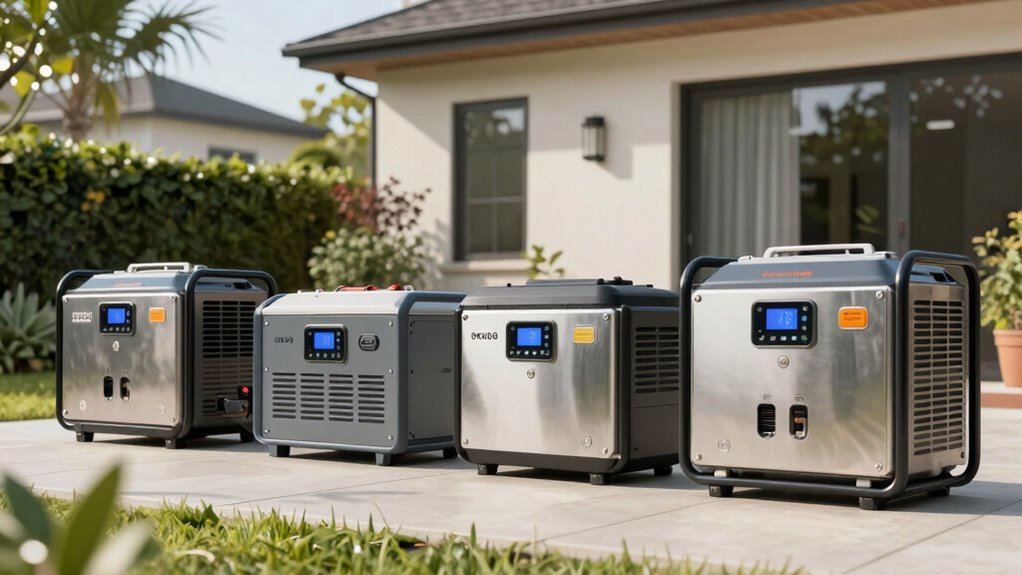
When selecting a generator for home backup, the goal is to find a reliable, powerful, and easy-to-use solution that can handle your essential appliances during outages. The Generac 12,500 Starting Watt Tri-Fuel Portable Generator stands out as the best overall choice for its versatility and power. The Westinghouse WGen11500DFc offers impressive peak wattage with remote start, making it ideal for larger homes. Meanwhile, the Jackery Explorer 1000 v2 provides a quiet, portable option perfect for smaller needs or supplemental power. These options highlight the key tradeoffs: power versus portability and upfront cost versus long-term reliability. Continue reading for a detailed breakdown of these and other top picks to find the right fit for your home backup needs.

Get business pricing on garage and car supplies
- Business-only prices and quantity discounts
- Tax-exempt purchasing
- Multiple users, one account, clear invoices
Complete the kit


| Jackery Explorer 1000 v2 Portable Power Station, 1070Wh, 1500W |  | Best Overall for Versatile Home Backup and Emergency Power | Wattage: 1500 watts | Capacity: 1070Wh | Fuel Type: Battery / Solar | VIEW ON AMAZON | See Our Full Breakdown |
| Anker SOLIX C1000 Gen 2 Portable Power Station |  | Best for Compact Power with Smart Management and Fast Recharge | Capacity: 1024Wh | Output Power: 2000W (3000W peak) | Recharge Time: 1.8 hours via AC | VIEW ON AMAZON | See Our Full Breakdown |
| Generac 12,500 Starting Watt Tri-Fuel Portable Generator, Electric Start |  | Best for Heavy-Duty Home Backup with Fuel Flexibility | Starting Watts: 12,500 | Running Watts: 9,500 | Fuel Types: Gasoline, Propane, Natural Gas | VIEW ON AMAZON | See Our Full Breakdown |
| Westinghouse WGen11500DFc 14500 Peak Watt Dual Fuel Portable Generator with Remote Electric Start | 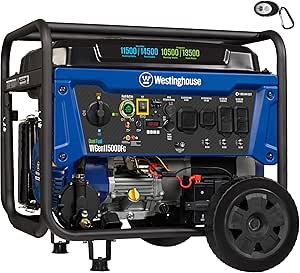 | Best for Whole-Home Backup with Long Runtime and Dual Fuel Flexibility | Peak Watts: 14,500 | Running Watts: 11,500 | Fuel Tank Capacity: 9.5 gallons | VIEW ON AMAZON | See Our Full Breakdown |
| Westinghouse 13500 Peak Watt Tri-Fuel Portable Generator with Remote Electric Start |  | Best for Versatile, Emergency-Ready Power with Remote Convenience | Peak Watts: 13,500 | Running Watts: 10,500 | Fuel Tank Capacity: 9.5 gallons | VIEW ON AMAZON | See Our Full Breakdown |
| Oxseryn 4400-Watt Open Frame Inverter Generator, Gas Powered, RV Ready 30A Outlet, EPA Compliant |  | Best for Portable Power with Versatility | Peak Wattage: 4400 watts | Running Wattage: 3400 watts | Fuel Type: Gasoline | VIEW ON AMAZON | See Our Full Breakdown |
| Anker SOLIX S2000 Portable Power Station, 2010Wh, 1500W |  | Best for Compact, Long-Lasting Power Backup | Capacity: 2010Wh | Continuous Power: 1500W | Peak Power: 3000W | VIEW ON AMAZON | See Our Full Breakdown |
| WEN DF475T 4,750-Watt 120V/240V Dual Fuel Portable Generator with Wheel Kit and Electric Start |  | Best for Dual Fuel Flexibility and Versatile Power | Surge Watts (Gasoline): 4750 | Running Watts (Gasoline): 3800 | Surge Watts (Propane): 4350 | VIEW ON AMAZON | See Our Full Breakdown |
| Oxseryn 5000-Watt Portable Inverter Generator for Home Backup and RV Use |  | Best for High Power and Sensitive Electronics | Starting Wattage: 5000 watts | Running Wattage: 4000 watts | Tank Volume: 2 gallons | VIEW ON AMAZON | See Our Full Breakdown |
| Westinghouse 6600 Peak Watt Portable Home Backup Generator with CO Sensor |  | Best for Power and Safety in Home Backup | Peak Watts: 6600 | Running Watts: 5300 | Fuel Tank Capacity: 4.7 gallons | VIEW ON AMAZON | See Our Full Breakdown |
| Westinghouse 4650 Peak Watt Portable Generator, RV Ready 30A Outlet, Gas Powered, CO Sensor |  | Best for Versatile Power Needs with Safety Features | Peak Wattage: 4650 Watts | Running Wattage: 3600 Watts | Engine: 212cc 4-Stroke OHV | VIEW ON AMAZON | See Our Full Breakdown |
| ERAYAK 4500W Portable Inverter Generator |  | Best for Quiet, Sensitive Electronics and Portability | Starting Wattage: 4500W | Running Wattage: 3500W | Fuel Tank Volume: 2.25 gallons | VIEW ON AMAZON | See Our Full Breakdown |
| Westinghouse 12500 Watt Dual Fuel Home Backup Portable Generator |  | Best for Dual Fuel Flexibility and Remote Start | Running Watts (Gasoline): 9500 | Peak Watts (Gasoline): 12500 | Running Watts (Propane): 8500 | VIEW ON AMAZON | See Our Full Breakdown |
| DuroStar DS13000MXT 13,000-Watt Tri Fuel Portable Generator with Electric Start and CO Alert |  | Best for Maximum Power and Multi-Fuel Options | Wattage: 13000 watts | Peak Wattage: 13000 watts | Fuel Types: Gasoline, Propane, Natural Gas | VIEW ON AMAZON | See Our Full Breakdown |
| Oxseryn 4400W Portable Open Frame Inverter Generator, Gas Powered with ECO Mode |  | Best for Compact, Quiet Home Backup and RV Use | Peak Wattage: 4400W | Running Wattage: 3400W | Fuel Tank Capacity: 2 gallons | VIEW ON AMAZON | See Our Full Breakdown |
| generator for home backup | Weight | Runtime | Fuel Tank Capacity |
|---|---|---|---|
| Jackery Explorer 1000 v2 Porta | 23.8 pounds | 42 minutes at full load | — |
| Anker SOLIX C1000 Gen 2 Portab | Smaller and lighter than similar models | — | — |
| Generac 12,500 Starting Watt T | 219 lbs | — | — |
| Westinghouse WGen11500DFc 1450 | Not specified | Up to 19 hours | 9.5 gallons |
| Westinghouse 13500 Peak Watt T | — | — | 9.5 gallons |
| Oxseryn 4400-Watt Open Frame I | 56 lbs | 14 hours at 25% load | 2 gallons |
| Anker SOLIX S2000 Portable Pow | 35.7 lbs | — | — |
| WEN DF475T 4,750-Watt 120V/240 | — | Up to 11 hours at half load | 4 gallons |
| Oxseryn 5000-Watt Portable Inv | 60 lbs | 6 hours at 50% load | — |
| Westinghouse 6600 Peak Watt Po | 60 lbs | Up to 14.5 hours | 4.7 gallons |
| Westinghouse 4650 Peak Watt Po | — | — | 4 gallons |
| ERAYAK 4500W Portable Inverter | 55.12 lbs | Up to 16 hours | — |
| Westinghouse 12500 Watt Dual F | — | — | 6.6 gallons |
| DuroStar DS13000MXT 13,000-Wat | — | Up to 13 hours | — |
| Oxseryn 4400W Portable Open Fr | 56 lbs | Up to 14 hours | 2 gallons |
More Details on Our Top Picks
Jackery Explorer 1000 v2 Portable Power Station, 1070Wh, 1500W
The Jackery Explorer 1000 v2 stands out for combining high capacity with portability, making it suitable for both emergency home backup and outdoor adventures. Compared with larger generators like the Westinghouse WGen11500DFc, this model offers a more manageable size and weight, though its runtime is more limited—42 minutes at full load versus the WGen’s hours-long performance. Its fast charging and durable LFP battery promise quick readiness and long lifespan, but it requires compatible solar panels for solar recharging, adding extra cost and setup complexity. This pick is ideal for those who need reliable backup power without heavy equipment, especially if they value environmentally friendly options.
Pros:- High-capacity 1070Wh battery suitable for multiple devices
- Fast charging from 0% to 100% in just one hour
- Durable LFP battery with over 10 years lifespan
- Multiple output ports for versatile device charging
Cons:- Requires compatible Jackery solar panels for solar charging
- Relatively heavy at 23.8 pounds for portable use
- Limited runtime of 42 minutes at full load
Best for: Homeowners seeking portable, reliable backup power with quick recharge times and long battery life
Not ideal for: Users needing continuous, high-duration power without recharging pauses or those with very high power demands
- Wattage:1500 watts
- Capacity:1070Wh
- Fuel Type:Battery / Solar
- Runtime:42 minutes at full load
- Weight:23.8 pounds
- Dimensions:12.87″L x 8.82″W x 9.72″H
Our verdict“This model is perfect for those needing a portable, fast-charging backup solution with long-term reliability, especially for outdoor or emergency use.”
Anker SOLIX C1000 Gen 2 Portable Power Station
The Anker SOLIX C1000 Gen 2 is a standout for users who prioritize portability combined with substantial capacity and quick recharging. Its 1024Wh capacity and 2000W output make it suitable for emergency backup and off-grid living, but compared with the Jackery Explorer 1000 v2, it offers a slightly larger power output and faster recharge times—just 49 minutes on AC, with solar recharging in 1.8 hours. Its compact design and support for app-based management appeal to tech-savvy users, but it comes at a higher price point, and the specifics of port types are less detailed. This makes it an attractive choice for those who value smart features and portability over budget constraints.
Pros:- Fast recharge via AC and solar
- High capacity with 1024Wh and 2000W output
- Compact, lightweight design for portability
- Supports smart power management via app
Cons:- Relatively high price point
- Limited details on specific port types
- Requires app for full access to features
Best for: Tech-savvy homeowners needing quick-recharge, portable backup power with multiple outlets
Not ideal for: Budget-conscious users or those requiring detailed port specifications without app dependency
- Capacity:1024Wh
- Output Power:2000W (3000W peak)
- Recharge Time:1.8 hours via AC
- Weight:Smaller and lighter than similar models
- Battery Cycles:4000 cycles
Our verdict“This pick makes the most sense for users wanting a portable, smart, and fast-recharging power station, even at a premium price.”
Generac 12,500 Starting Watt Tri-Fuel Portable Generator, Electric Start
The Generac GP9500E offers robust power, making it ideal for whole-house backup or demanding job sites. Its ability to run on gasoline, propane, or natural gas gives it a distinct advantage over battery-based options like the Jackery, especially for extended outages. While its 12,500 starting watts outperform portable inverter options, it comes with a hefty weight of 219 lbs, which limits mobility without help. The automatic CO detection and low-oil shutdown enhance safety, but the runtime on gasoline is shorter compared to stationary natural gas setups, and its size is less suited to casual or frequent outdoor use. It’s best for those needing serious, continuous power with fuel flexibility.
Pros:- Fuel flexibility with gasoline, propane, and natural gas
- High starting wattage for multiple appliances
- Automatic CO detection enhances safety
- Easy electric start with wheels and handle
Cons:- Very heavy at 219 lbs, limiting portability
- Limited runtime on gasoline alone
- Higher price for full features
Best for: Homeowners wanting reliable, high-power backup with fuel versatility and safety features
Not ideal for: Casual users or those with limited space who need portability and lightweight operation
- Starting Watts:12,500
- Running Watts:9,500
- Fuel Types:Gasoline, Propane, Natural Gas
- Tank Capacity:7.5 gallons
- Runtime at 50% load:9.5 hours
- Weight:219 lbs
Our verdict“This generator suits those who need high, reliable power with fuel options and safety features, accepting its bulk and weight.”
Westinghouse WGen11500DFc 14500 Peak Watt Dual Fuel Portable Generator with Remote Electric Start
The Westinghouse WGen11500DFc is designed for serious backup power, offering up to 14,500 peak watts on gasoline and supporting propane. Its 550cc engine and 9.5-gallon tank allow for runtime up to 19 hours, making it suitable for prolonged outages. The low THD (<5%) ensures safe operation for sensitive electronics, and the remote electric start adds convenience. Compared to tri-fuel models like the Westinghouse WGen10500TFc, this generator's higher wattage and longer runtime make it better suited for whole-home backup, but its size and fuel consumption are significant considerations. It’s ideal for users prioritizing power and runtime over portability.
Pros:- High peak wattage suitable for whole-house backup
- Long runtime of up to 19 hours
- Supports dual fuel (gasoline and propane)
- Low Total Harmonic Distortion (THD) safe for electronics
Cons:- Heavy and large, reducing portability
- High fuel consumption under heavy loads
- Price may be a concern for budget-conscious buyers
Best for: Homeowners seeking long-lasting backup power with high wattage and remote start convenience
Not ideal for: Individuals needing lightweight, portable solutions or minimal fuel consumption
- Peak Watts:14,500
- Running Watts:11,500
- Fuel Tank Capacity:9.5 gallons
- Runtime:Up to 19 hours
- Start Type:Remote electric start
- Weight:Not specified
Our verdict“This generator is well-suited for those who need substantial, long-lasting power with remote start and dual fuel options, accepting its size and weight.”
Westinghouse 13500 Peak Watt Tri-Fuel Portable Generator with Remote Electric Start
The Westinghouse WGen10500TFc delivers reliable tri-fuel operation with up to 13,500 peak watts, making it a flexible option for backup and job sites. Its 500cc engine and 9.5-gallon tank support runtime up to 19 hours, and its remote electric start and safety features like CO sensors add to user convenience. Compared to the Generac GP9500E, this model offers similar power but with the added benefit of natural gas compatibility, though it’s somewhat heavier and less portable. It’s best suited for those who want versatility in fuel sources and long runtime, accepting a larger footprint.
Pros:- Tri-fuel operation (gasoline, propane, natural gas)
- Remote electric start for convenience
- Long runtime of up to 19 hours
- Multiple safety features including CO sensors
Cons:- Weight not specified, likely heavy for portability
- Setup could be complex with multiple fuel options
- Price not provided, potentially high for some
Best for: Home or job site users needing versatile fuel options and remote operation
Not ideal for: Users prioritizing ultra-lightweight equipment or minimal setup complexity
- Peak Watts:13,500
- Running Watts:10,500
- Fuel Tank Capacity:9.5 gallons
- Run Time:Up to 19 hours
- Features:Remote start, CO sensor
Our verdict“This generator excels for those who need flexible fuel sources and remote start for reliable backup, accepting its size and complexity.”
Oxseryn 4400-Watt Open Frame Inverter Generator, Gas Powered, RV Ready 30A Outlet, EPA Compliant
This open-frame inverter generator stands out for its impressive 14-hour runtime at 25% load, making it ideal for extended camping trips or home backup needs where portability matters. Compared with the WEN DF475T, it’s lighter at 56 lbs, which makes transportation easier, but it delivers slightly less power—3400 running watts versus the WEN’s 3800. Its inverter technology ensures clean power, safe for sensitive electronics, unlike traditional open-frame models that may produce more harmonic distortion. The open frame design, however, tends to be louder and less suited for quiet environments. Its multiple outlets, including a 30A RV port, boost its flexibility for different scenarios, but the open structure means it’s less weather-resistant than enclosed models. Overall, this generator is a strong choice for those prioritizing portability and long runtime but willing to accept some noise and limited power for sensitive devices.
Pros:- Long 14-hour runtime at 25% load
- Lightweight (56 lbs) for its power class
- Multiple outlets including RV-ready 30A port
- Safety features like low oil shutdown and overload protection
Cons:- Open frame design may be louder than enclosed models
- Limited 3400 running watts restricts use with high-draw appliances
Best for: Campers or homeowners needing lightweight, portable backup with extended runtime for essential electronics
Not ideal for: Users seeking ultra-quiet operation or high power for running large appliances simultaneously
- Peak Wattage:4400 watts
- Running Wattage:3400 watts
- Fuel Type:Gasoline
- Fuel Tank Capacity:2 gallons
- Runtime:14 hours at 25% load
- Weight:56 lbs
Our verdict“This generator makes the most sense for those who prioritize portability and runtime over noise level and maximum power capacity.”
Anker SOLIX S2000 Portable Power Station, 2010Wh, 1500W
This power station is a compelling pick for those who need a highly portable, high-capacity solution for essential appliances. Unlike the Oxseryn inverter, it offers a massive 2010Wh capacity, enabling up to 35 hours of power for small devices or critical electronics, making it ideal for home, outdoor, or emergency use. Its 1500W continuous output covers most small to medium loads, but it can’t handle high-wattage appliances like refrigerators or power tools that need over 1500W. The unit’s lightweight design at just 35.7 lbs makes it easier to carry compared to larger portable generators like the WEN DF475T. However, it lacks a dedicated 12V DC port, limiting some applications. The multiple recharging options, including solar, make it versatile but also a less robust solution for heavy-duty power demands. Overall, this station suits users who need reliable, quiet, and long-lasting backup for essential electronics in a compact form.
Pros:- High 2010Wh capacity for extended backup
- Lightweight and portable at just 35.7 lbs
- Multiple recharging options including solar input
- Long battery lifespan with 10,000 cycles
Cons:- Limited to 1500W continuous output, restricting larger loads
- No dedicated 12V DC port for certain devices
- Runtime varies significantly with appliance size
Best for: Homeowners or outdoor enthusiasts needing a portable, quiet power source for essential electronics
Not ideal for: Those requiring high-wattage or heavy-duty power for large appliances or power tools
- Capacity:2010Wh
- Continuous Power:1500W
- Peak Power:3000W
- Weight:35.7 lbs
- Input Power:Up to 400W solar input
- Battery Life:10,000 cycles
Our verdict“This power station is a smart choice for those who prioritize portability, quiet operation, and long-term reliability for small to medium electronics.”
WEN DF475T 4,750-Watt 120V/240V Dual Fuel Portable Generator with Wheel Kit and Electric Start
The WEN DF475T excels in offering flexible fuel options and versatile power outlets, making it suitable for users who want to switch between gasoline and propane. Compared with the Oxseryn 4400-watt inverter, it provides higher surge wattage (4750 vs. 4400), but on propane, power output drops slightly—something to consider if you rely on propane. Its electric start simplifies operation, especially in cold weather. The inclusion of a wheel kit and handle makes it easier to transport despite its bulk and weight. However, with a 4-gallon tank, runtime on gasoline is about 11 hours at half load, which is less than the Oxseryn’s 14 hours but still respectable. The dual fuel feature is ideal for users seeking fuel flexibility in emergencies, but the generator’s size and weight might be a drawback for those needing lightweight portability.
Pros:- Dual fuel capability for gasoline or propane
- Electric start for easy operation
- Versatile outlets including 120V/240V twist lock
- Wheel and handle kit for easier transportation
Cons:- Lower power when running on propane
- Relatively heavy and bulky despite wheels
- Limited runtime of around 11 hours at half load
Best for: Home backup users who want fuel flexibility and increased power capacity for critical systems
Not ideal for: Users needing lightweight, portable units for frequent movement or outdoor use without a generator cart
- Surge Watts (Gasoline):4750
- Running Watts (Gasoline):3800
- Surge Watts (Propane):4350
- Running Watts (Propane):3500
- Fuel Tank Capacity:4 gallons
- Runtime:Up to 11 hours at half load
Our verdict“This generator is best suited for users who value fuel flexibility and higher power output over portability.”
Oxseryn 5000-Watt Portable Inverter Generator for Home Backup and RV Use
Compared to the Oxseryn 4400-watt model, this 5000-watt inverter generator pushes into higher power territory, making it more suitable for running larger appliances or multiple devices simultaneously during outages. Its 4000W continuous power output provides greater flexibility for critical electronics and small appliances, yet it retains inverter technology ensuring clean power, unlike traditional open-frame models. The generator’s 2-gallon tank offers a runtime of about 6 hours at 50% load—shorter than the 14 hours of the 4400-watt version—highlighting the tradeoff between power and endurance. Its compact, open-frame design favors portability but may produce more noise, around 70dB, which could be disruptive in quiet environments. It’s ideal for users who need more power for sensitive electronics but don’t mind shorter runtime or slightly higher noise levels.
Pros:- Higher continuous power (4000W) for more appliances
- Clean inverter power safe for sensitive electronics
- Compact open-frame design for portability
- ECO mode improves fuel efficiency
Cons:- Shorter runtime of about 6 hours at half load
- Higher noise level at 70dB
- Limited to 1 power outlet
Best for: Homeowners needing higher wattage for sensitive electronics or multiple small appliances during outages
Not ideal for: Users seeking ultra-quiet operation or extended runtime for long-term backup
- Starting Wattage:5000 watts
- Running Wattage:4000 watts
- Tank Volume:2 gallons
- Runtime:6 hours at 50% load
- Noise Level:70dB at 23 feet
- Weight:60 lbs
Our verdict“This generator suits users who need more power for sensitive electronics but are okay with shorter runtime and some noise.”
Westinghouse 6600 Peak Watt Portable Home Backup Generator with CO Sensor
Compared with the Oxseryn 4400-watt inverter, the Westinghouse WGen5300cv offers significantly higher peak wattage—up to 6600 watts—making it a better fit for whole-home backup in emergencies. Its 274cc engine and 4.7-gallon tank deliver up to 14.5 hours of runtime, surpassing the Oxseryn’s runtime and providing longer availability during outages. The inclusion of a CO sensor and automatic low oil shutdown elevates safety, especially important for home use. It features multiple outlets, including transfer switch-ready options, making it versatile for different setups. While it’s heavier and bulkier at 60 lbs, it’s designed for stationary backup rather than portability. This model is ideal for users who need high power and safety features but are willing to sacrifice some mobility for extended runtime and reliability.
Pros:- High peak wattage of 6600 for whole-home support
- Long runtime of up to 14.5 hours
- Built-in CO sensor and safety features
- Multiple outlets including transfer switch-ready options
Cons:- Heavy and less portable
- Initial setup may involve some assembly
- Fuel consumption can be high for extended use
Best for: Homeowners seeking high wattage, long runtime, and safety features for emergency backup
Not ideal for: People who require a lightweight or portable generator for outdoor activities
- Peak Watts:6600
- Running Watts:5300
- Fuel Tank Capacity:4.7 gallons
- Runtime:Up to 14.5 hours
- Features:CO sensor, automatic low oil shutdown
- Weight:60 lbs
Our verdict“This generator is best suited for users who prioritize high power, safety, and long runtime over portability.”
Westinghouse 4650 Peak Watt Portable Generator, RV Ready 30A Outlet, Gas Powered, CO Sensor
The Westinghouse WGen3600cv stands out for its high peak wattage of 4,650 watts, making it a strong contender for powering larger home essentials or RV appliances. Its multiple outlets, including an RV-ready TT-30R, provide flexible connections, and the long runtime of up to 14 hours on a 4-gallon tank supports extended outages. Compared with smaller models like the Oxseryn 4400W, this generator offers more power but at the expense of increased weight and bulk, which could be a challenge for portable use. Safety features, including a CO sensor and low oil shutdown, make it suitable for home use without constant oversight. Its main tradeoff is its heaviness and potential difficulty in transport without added wheels. This generator makes the most sense for users needing reliable, high-capacity backup with safety considerations, such as families or small businesses.
Pros:- High peak wattage suits larger appliances and tools
- Multiple outlets, including RV-ready, for versatile connections
- Long run time of up to 14 hours supports extended outages
- Built-in safety features like CO sensor
Cons:- Heavy and bulky, difficult to move without a wheel kit
- Noisy operation potentially disruptive in quiet neighborhoods
Best for: Homeowners or RV owners needing reliable, high-capacity backup with safety features
Not ideal for: Urban dwellers with limited storage space or those prioritizing portability over power
- Peak Wattage:4650 Watts
- Running Wattage:3600 Watts
- Engine:212cc 4-Stroke OHV
- Fuel Tank Capacity:4 gallons
- Run Time:Up to 14 hours
- Outlets:Two 5–20R 120V, one TT-30R 30A RV, one L5-30R 30A
- Safety Features:CO Sensor, automatic low oil shutdown
- Warranty:3 years
Our verdict“This model is best suited for users who need substantial power capacity and safety features but can handle its weight and noise levels.”
ERAYAK 4500W Portable Inverter Generator
The ERAYAK 4500W inverter generator makes a compelling choice for users who prioritize quiet operation and clean power, delivering just 60.5 dB(A). Its inverter technology ensures low THD, making it safe for sensitive electronics like laptops, medical devices, and CPAP machines—an advantage over traditional generators like the Westinghouse 4650, which may produce more power but less clean output. Its lightweight design at 55 lbs and compact dimensions make it highly portable, ideal for camping or residential backup where mobility matters. Fuel efficiency with ECO mode extends runtime to 16 hours, but it requires adding engine oil before first use, and it only offers manual recoil start—less convenient than electric options. Its parallel capability allows for scaling power, suitable for those who need flexibility without the bulk of larger models.
Pros:- Quiet operation at 60.5 dB(A), suitable for residential areas
- Clean inverter power safe for sensitive electronics
- Lightweight at 55 lbs with compact size for portability
- Parallel-ready for increased power capacity
Cons:- Requires manual oil addition before first use
- No electric start option available
Best for: Campers, small households, or individuals needing quiet, portable backup for electronics
Not ideal for: Users requiring high wattage for large appliances or whole-home backup
- Starting Wattage:4500W
- Running Wattage:3500W
- Fuel Tank Volume:2.25 gallons
- Runtime:Up to 16 hours
- Noise Level:60.5 dB(A)
- Weight:55.12 lbs
- Engine Displacement:208 cc
- Outlets:1x 30A RV, 2x 120V AC, USB-A, USB-C
Our verdict“Ideal for those seeking portable, quiet power with clean output for sensitive devices, but less suited for heavy-duty or whole-house backup needs.”
Westinghouse 12500 Watt Dual Fuel Home Backup Portable Generator
The Westinghouse 12500W dual fuel generator offers a significant power advantage, with 9500 watts on gasoline and 8500 on propane, making it suitable for whole-house backup. Its remote electric start with a key fob simplifies operation during outages, surpassing manual recoil starters seen in many models like the Oxseryn 4400W. The multiple outlet options, including transfer switch and RV-ready connections, support diverse backup needs. Its 457cc engine and 6.6-gallon tank deliver up to 12 hours of runtime, though its weight and size mean it requires substantial storage space and effort to move. The higher price point reflects its capacity and features, but it’s less portable for frequent transport. This makes it best for users who prioritize dual fuel flexibility and remote operation for emergency power.
Pros:- Dual fuel capability for extended flexibility
- Remote electric start for quick, hassle-free operation
- Multiple outlet types, including transfer switch-ready
- Long runtime of up to 12 hours
Cons:- Heavy and large, challenging for frequent mobility
- Higher cost compared to smaller or less feature-rich models
Best for: Homeowners seeking large, flexible backup power with remote start capability
Not ideal for: Urban residents with limited storage or those needing a lightweight, portable unit
- Running Watts (Gasoline):9500
- Peak Watts (Gasoline):12500
- Running Watts (Propane):8500
- Peak Watts (Propane):11200
- Engine:457cc Westinghouse 4-Stroke OHV
- Fuel Tank Capacity:6.6 gallons
- Run Time:Up to 12 hours
- Outlets:Two GFCI 120V, 1 transfer switch, RV ready
Our verdict“Perfect for users who need reliable, high-capacity dual fuel backup with remote start, accepting its size and cost tradeoffs.”
DuroStar DS13000MXT 13,000-Watt Tri Fuel Portable Generator with Electric Start and CO Alert
The DuroStar DS13000MXT provides an impressive 13,000 peak watts, making it suitable for whole-home backup or heavy-duty construction use. Its tri-fuel capability—gasoline, propane, or natural gas—adds unmatched flexibility, especially during prolonged outages when fuel variety is beneficial. The electric start simplifies operation compared to recoil-only models like the Oxseryn 4400W, and the safety CO alert adds peace of mind. Its large 8.3-gallon tank supports runtime up to 13 hours, but its size and weight mean it demands a dedicated setup space. Its multiple outlets, including transfer switch-ready and 240V options, make it ideal for complex backup configurations. The main tradeoff is its bulk and price, which could limit portability for casual users.
Pros:- High wattage capacity suitable for entire-home backup
- Tri-fuel flexibility for extended operation and fuel choice
- Electric start and safety CO alert for ease and safety
- Multiple outlets including transfer switch-ready
Cons:- Heavy and large, difficult to move without assistance
- Higher price point for its capacity and features
Best for: Large households or contractors needing maximum power with multi-fuel flexibility
Not ideal for: Individuals with limited storage space or needing a lightweight, portable solution
- Wattage:13000 watts
- Peak Wattage:13000 watts
- Fuel Types:Gasoline, Propane, Natural Gas
- Engine Displacement:500 cc
- Tank Volume:8.3 gallons
- Runtime:Up to 13 hours
- Additional Features:Electric start, CO alert, multiple outlets
Our verdict“This generator is best for users requiring maximum power, multi-fuel options, and ease of starting, with acceptance of its size and cost.”
Oxseryn 4400W Portable Open Frame Inverter Generator, Gas Powered with ECO Mode
The Oxseryn 4400W inverter generator offers a balanced mix of portability, quiet operation, and reliable power, making it well-suited for RV camping and small home backup. Its 3400 running watts and ECO mode enable up to 14 hours of runtime at 25% load, ideal for quiet environments. Its open frame design, weighing only 56 lbs, makes it easy to carry and position, especially compared to larger, heavier models like the Westinghouse 12500W. The inclusion of multiple outlets, including RV ports and USB, enhances versatility. However, its open frame means less weather protection, and factory testing might leave a slight fuel smell. It lacks electric start, which could be inconvenient for some users, but its affordability and compact size make it appealing for portable power needs.
Pros:- Quiet operation under 72 dBA, suitable for noise-sensitive areas
- Lightweight and portable at 56 lbs
- Long runtime of up to 14 hours at 25% load with ECO mode
- Multiple outlet options including RV port
Cons:- Open frame design offers less weather protection
- No electric start, manual recoil only
Best for: RV owners, tailgaters, or homeowners needing a portable, quiet backup option
Not ideal for: Users requiring high wattage or whole-house backup solutions
- Peak Wattage:4400W
- Running Wattage:3400W
- Fuel Tank Capacity:2 gallons
- Runtime:Up to 14 hours
- Noise Level:Under 72 dBA
- Weight:56 lbs
- Engine Displacement:208 cc
- Outlets:2x 120V AC, RV port, USB
Our verdict“This generator excels for portable, quiet backup and RV use, but may not meet high power or weatherproofing needs.”
How We Picked
Our selection process focused on evaluating each generator’s performance, reliability, ease of use, and value. We considered factors such as wattage capacity, fuel type, startup features, and portability to ensure the options serve a variety of home backup scenarios. Longevity, maintenance requirements, safety features like CO sensors, and user reviews also played a role in our ranking. Products are ordered based on their overall balance of power, convenience, and price, with clear distinctions for those excelling in specific areas like ease of use or capacity.
Factors to Consider When Choosing Generator For Home Backup
Choosing the right generator for home backup involves balancing several key factors. Beyond raw power, you need to consider fuel type, ease of operation, safety features, and how much space it requires. Making an informed decision helps avoid common pitfalls like underestimating your power needs or selecting a model that’s too noisy or difficult to operate during emergencies.Power Capacity and Load Management
Understanding your home’s essential power needs is crucial. Calculate the total wattage of appliances you want to run simultaneously, such as refrigerators, lights, and medical devices. Larger homes or those with high-energy appliances will require generators with higher wattage, while smaller setups can opt for compact models. Overestimating capacity can lead to unnecessary costs, but underestimating risks leaving you unpowered during outages.
Fuel Type and Run Time
Generators run on gasoline, propane, diesel, or dual-fuel options. Gasoline models are common but may require frequent refueling, especially during prolonged outages. Propane offers cleaner burning and longer storage, but availability may vary. Consider your typical outage duration and fuel storage space. A model with longer run times reduces the need for frequent refueling and ensures continuous power during extended outages.
Ease of Use and Safety Features
Features like electric start, remote operation, and user-friendly controls make backup generators easier to manage during stressful situations. Safety features, such as carbon monoxide sensors and automatic shutdowns, are essential for safe operation indoors or near your home. Avoid models that lack these features, as they can pose safety risks or complicate operation when time is critical.
Portability and Space Requirements
If you anticipate needing to move your generator around, consider weight and design. Compact, wheeled models are easier to store and transport, especially if you plan to use them for outdoor events or RV camping as well. Larger, stationary models may offer more power but require dedicated space and installation. Evaluate your storage options and mobility needs beforehand.
Budget and Long-Term Value
Generators vary significantly in price, from budget-friendly portable units to high-end, feature-rich models. Investing more upfront can mean better reliability, quieter operation, and additional safety features. However, ensure that the higher cost aligns with your actual needs; overspending on capacity you won’t use can be a waste. Balance initial investment with expected longevity and maintenance costs for best value.
Frequently Asked Questions
How do I determine the right wattage for my home backup generator?
Start by listing all the essential appliances and systems you want to keep running during an outage, then find their wattage ratings. Add these numbers together to get a total load. It’s wise to include a buffer—about 20-25%—to account for startup surges and future additions. This approach ensures your generator can handle your needs without being oversized or underpowered, reducing both costs and inconvenience.
Can I run a generator indoors for backup power?
Running a generator indoors is strongly discouraged due to the risk of carbon monoxide poisoning. Modern models with CO sensors can be used outdoors with proper ventilation, but they should never be operated inside a garage, basement, or enclosed space. Always follow the manufacturer’s safety instructions and consider installing a transfer switch to connect your generator safely to your home’s electrical system.
What is the typical lifespan of a home backup generator?
The average lifespan of a generator depends on usage and maintenance but generally ranges from 10 to 20 years. Regular servicing, proper fuel storage, and timely repairs extend its operational life. Investing in a reputable brand with good customer support can also make a significant difference, ensuring your backup system remains reliable when needed most.
Is a dual-fuel generator worth the extra cost?
Dual-fuel generators offer flexibility by running on two fuel types, usually gasoline and propane. This can be advantageous during prolonged outages when gasoline may run out or degrade. The increased versatility often justifies the additional expense, especially if you want peace of mind for extended power needs. However, for short-term or occasional use, a single-fuel model may suffice and save money.
How loud are most home backup generators, and is noise a concern?
Generator noise levels typically range from 50 to 75 decibels, roughly comparable to a loud conversation or lawn mower. Larger, more powerful models tend to be louder. If noise is a concern, look for inverter generators or models specifically designed for quieter operation. Remember that noise can be a significant factor if you live in close quarters or want to avoid disturbing neighbors during outages.
Conclusion
For those seeking the best overall balance of power, ease of use, and reliability, the Generac 12,500 Starting Watt Tri-Fuel Portable Generator is the top pick. Budget-conscious buyers will find the Oxseryn 4400W Portable Open Frame Inverter offers solid performance without breaking the bank. If you prefer a premium, feature-rich system with remote start and extended run times, the Westinghouse WGen11500DFc stands out. Beginners or those with smaller backup needs should consider portable, easy-to-operate models like the Jackery Explorer 1000. Ultimately, your choice depends on your home’s size, power needs, and budget, but these options cover a wide spectrum of requirements.
As an affiliate, we earn on qualifying purchases.Fall Picks
fall essentials