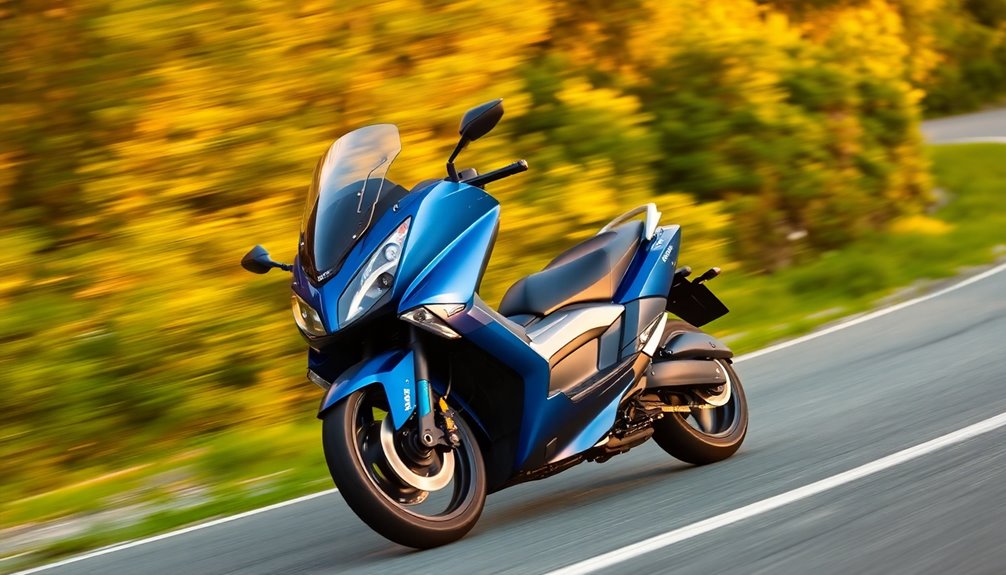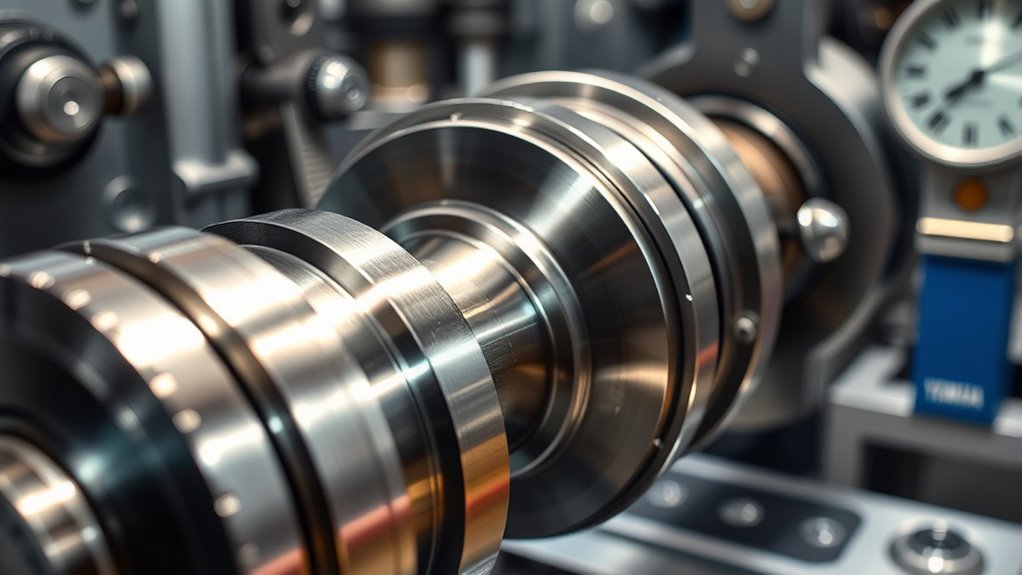

Yamaha’s crankshaft balancing is essential for smooth engine operation, reducing vibrations, and ensuring the longevity of your motorcycle or ATV. When your crankshaft is properly balanced, you’ll experience less noise, improved performance, and less wear on engine parts. Yamaha uses advanced techniques to detect and correct any imbalances before assembly, guaranteeing consistent quality. If you want to understand how this process impacts your engine’s durability and performance, keep exploring for more detailed insights.
Key Takeaways
- Yamaha ensures precise balancing of crankshafts using advanced techniques and strict quality control standards.
- Proper balancing reduces engine vibrations, improving smoothness and rider comfort.
- Balanced crankshafts prevent uneven forces that can cause wear and potential engine damage.
- Yamaha’s manufacturing process detects and corrects imbalances before assembly for optimal performance.
- Well-balanced crankshafts contribute to engine efficiency, durability, and reliable operation over time.
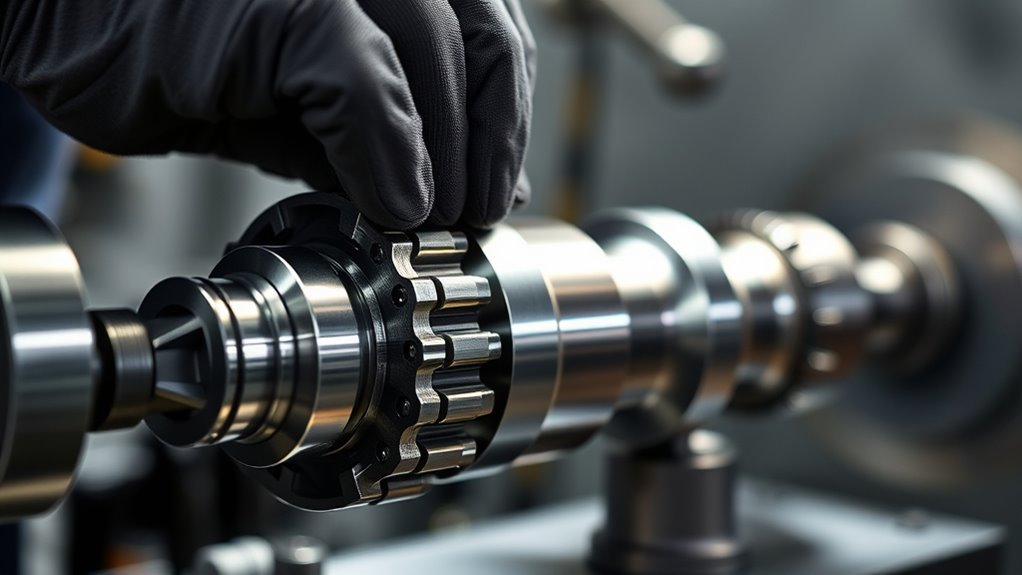
Yamaha’s crankshaft balancing is a crucial process that guarantees smooth engine operation and peak performance. When you’re riding or operating your Yamaha motorcycle or engine, you want everything to run seamlessly. Any imbalance in the crankshaft can lead to excessive engine vibration, which not only diminishes comfort but also increases wear on engine components. Yamaha addresses this by meticulously balancing their crankshafts during manufacturing, ensuring that each component adheres to strict manufacturing precision standards. This attention to detail helps minimize vibrations that could otherwise cause fatigue, noise, or even damage over time.
Yamaha’s meticulous crankshaft balancing ensures smooth operation, reducing vibrations and enhancing engine durability.
You might not realize it, but engine vibration is often linked directly to the balance of the crankshaft. If the crankshaft isn’t properly balanced, it will cause uneven forces as it spins at high speeds, leading to noticeable shaking or buzzing. Yamaha’s commitment to manufacturing precision means that their crankshafts are crafted with exacting tolerances, so they spin smoothly without causing unnecessary vibrations. This precision isn’t accidental; it’s a deliberate part of Yamaha’s quality control process. They utilize advanced balancing techniques and equipment to detect and correct any inconsistencies, ensuring each crankshaft is perfectly balanced before it reaches your hands.
When you experience a Yamaha engine that runs quietly and smoothly, you’re benefiting from this rigorous balancing process. It’s not just about comfort; balanced crankshafts improve engine efficiency and longevity. When vibrations are minimized, your engine’s moving parts don’t endure undue stress, which reduces the risk of premature failure. This focus on manufacturing precision also means that Yamaha can maintain tight tolerances, resulting in consistent performance across all models. Because each crankshaft is carefully balanced, you get reliable power delivery and less maintenance in the long run.
In essence, Yamaha’s dedication to manufacturing precision in crankshaft balancing directly translates into a better riding experience. You get smoother acceleration, less engine noise, and a more responsive ride. This meticulous process might happen behind the scenes, but it’s the reason why Yamaha engines stand out for their durability and performance. By controlling engine vibration at the source, Yamaha ensures that every ride is as smooth and enjoyable as possible. Proper crankshaft balancing is a fundamental aspect of engine manufacturing that underpins the overall reliability of Yamaha’s motors. So, next time you start your Yamaha engine, remember that behind the scenes, precision balancing keeps everything running flawlessly.
Frequently Asked Questions
How Often Should Yamaha Crankshafts Be Balanced?
You should balance your Yamaha crankshaft during routine maintenance or if you notice unusual vibrations, as manufacturing precision can sometimes be affected over time. Typically, crankshafts don’t require balancing every season, but inspecting for imbalance every 1,000 to 2,000 miles helps guarantee smooth operation. Regular checks help prevent engine wear and maintain peak performance, keeping your Yamaha running smoothly and efficiently.
Can Crankshaft Balancing Improve Yamaha Engine Performance?
Imagine your engine is a troupe of dancers, each trying to move perfectly in sync. Balancing your crankshaft is like giving them a steady beat, reducing engine vibrations and making their performance smoother. Yes, it can improve Yamaha engine performance by decreasing vibrations and boosting fuel efficiency. You’ll notice the difference in how your bike feels and runs, making every ride more enjoyable and less taxing on your engine.
What Are Signs of Unbalanced Yamaha Crankshafts?
If your Yamaha crankshaft is unbalanced, you’ll notice vibration issues that feel harsh or uneven during operation. These vibrations can cause discomfort and make handling difficult. Additionally, you’ll see accelerated wear on engine components, like bearings and pistons, because the imbalance puts extra stress on parts. Keep an eye out for unusual noises or rough performance, as these are common signs your crankshaft may need balancing to restore smooth engine operation.
Is Professional Balancing Necessary for Yamaha Motorcycle Crankshafts?
Yes, professional balancing is necessary for Yamaha motorcycle crankshafts to guarantee peak performance and longevity. Proper crankshaft maintenance involves using advanced balancing techniques that can detect and correct imbalances accurately. If you skip this step, you risk increased vibration, engine wear, and potential damage. Trust trained technicians who understand the intricacies of balancing techniques to keep your engine running smoothly and efficiently.
What Tools Are Used for Yamaha Crankshaft Balancing?
A stitch in time saves nine, so you need the right tools for Yamaha crankshaft balancing. Use balancing equipment like dynamic balancing machines and precision calibration methods to guarantee accuracy. These tools detect imbalances, allowing you to make precise adjustments. Proper calibration guarantees smooth operation, reduces wear, and extends your crankshaft’s lifespan. Invest in quality equipment and follow proper procedures to keep your Yamaha running flawlessly.
Conclusion
You can see how Yamaha’s meticulous crankshaft balancing keeps your engine humming like a finely tuned orchestra. It’s the silent conductor, ensuring every part moves in harmony, preventing vibrations from shaking up your ride. When you trust Yamaha’s precision, you’re riding on a smooth, steady beat that transforms every journey into a seamless symphony. So, next time you hit the road, remember—balance is the secret rhythm behind every powerful, effortless mile.