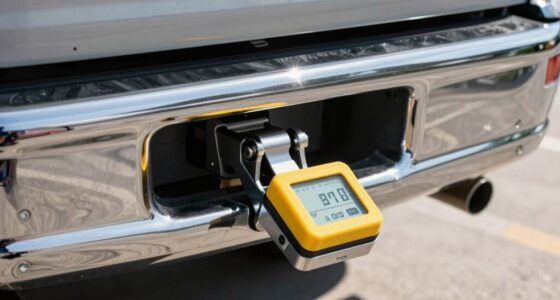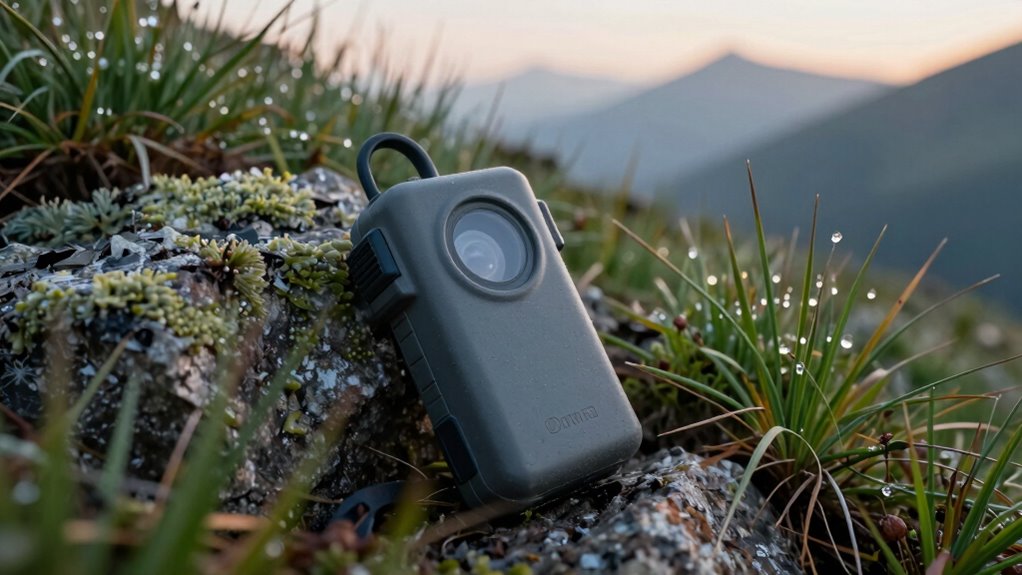
Personal Locator Beacons are designed for simplicity, making them easy to activate in emergencies, which can be a lifesaver. However, their effectiveness depends on regular maintenance, proper operation, and staying updated with safety procedures. Overlooking these aspects or ignoring device limitations can lead to failure when you need it most. While they seem straightforward, understanding how to keep your beacon ready and knowing its boundaries ensures you’re truly prepared. Keep going to discover more about making your device work when it counts.

Get garage and car supplies delivered free — and shop member deals
- Fast, free delivery on millions of items
- Access to Prime Big Deal Days deals on October 6–7
- Prime Video, Amazon Music and more included
Key Takeaways
- PLBs are designed for easy, one-button activation, making them straightforward in emergencies.
- Regular maintenance and familiarity are essential to ensure quick, reliable operation when needed.
- Simplicity in design reduces user errors but requires proper training and practice.
- Updates and safety reviews enhance device reliability, highlighting the importance of ongoing preparedness.
- Over-reliance without understanding limitations can compromise safety, emphasizing responsible, informed use.

Have you ever wondered how you can guarantee safety when venturing into remote or wilderness areas? Personal Locator Beacons, or PLBs, are designed to provide peace of mind in such situations. They’re simple devices that, with the push of a button, can send emergency signaling to rescue authorities, even when you’re miles from civilization. The appeal lies in their straightforwardness—no complicated interfaces or confusing settings. But while they seem foolproof, there’s a catch: their effectiveness depends heavily on proper device maintenance and understanding how to use them correctly.
Emergency signaling is the core function of a PLB. When activated, it transmits a distress signal along with your GPS coordinates to a rescue coordination center. This efficient system can drastically cut down rescue times, potentially saving your life. However, the device’s reliability hinges on a couple of vital factors. First, assuring your PLB is fully operational before each trip is essential. This means regular device maintenance, such as checking the battery status and ensuring the antenna is intact. A dead battery or a damaged antenna can render the device useless in an emergency, defeating the purpose of having it in the first place. Many PLBs have a battery life of five to seven years, but batteries can degrade even when the device isn’t in use, so timely replacement or servicing is necessary. Device maintenance is critical to ensure the device’s functionality when it’s needed most. Additionally, understanding how to activate your PLB correctly is essential. It’s a simple process, but if you’re unfamiliar with it, you might waste precious time during an emergency. Practice activating the device in safe conditions so that, in a real crisis, you can deploy it swiftly and confidently. Remember, the device’s simplicity is its strength, but only if you’re familiar with its operation and have kept it in good condition. Proper emergency preparedness can make all the difference in ensuring your safety. Regularly reviewing your safety protocols and keeping your device updated can help avoid any last-minute surprises. Staying informed about the latest technology updates and safety recommendations can further enhance your readiness. In addition, understanding the limitations of your device can help avoid over-reliance on it. Neglecting device maintenance or failing to update your emergency signaling procedures can turn a lifesaving tool into a useless piece of equipment.
Regularly check and maintain your PLB to ensure it functions properly in emergencies.
In the end, a Personal Locator Beacon can be your best safety companion in the wilderness, but only if you respect its limitations. Regular device maintenance, understanding how to use it properly, and practicing emergency signaling procedures guarantee that it will serve you well when it matters most. It’s not just about having the device; it’s about knowing it inside out, keeping it ready, and trusting that it will perform when you need it most.
Personal Locator Beacon with GPS
As an affiliate, we earn on qualifying purchases.
As an affiliate, we earn on qualifying purchases.
Frequently Asked Questions
How Long Do Personal Locator Beacons Typically Last on a Single Battery Charge?
A personal locator beacon usually lasts around 24 to 48 hours on a single battery charge, depending on its power management features. If you activate the beacon frequently or keep it in standby mode, the battery drains faster. To maximize battery life, use power management options wisely, and always carry spare batteries when venturing into remote areas. Proper care guarantees your beacon remains dependable when you need it most.
Are PLBS Waterproof and Suitable for All Weather Conditions?
Your PLB is like a fortress against the elements, boasting a waterproof design and weather resistance that handles storms and splashes. It’s built to perform in all weather conditions, whether you’re caught in rain, snow, or rough seas. You can trust it to work when you need it most, ensuring your safety without worry. Its durability makes it a reliable companion, no matter what Mother Nature throws your way.
What Are the Typical Costs Associated With Purchasing and Maintaining a PLB?
You’ll typically spend between $200 and $600 on a PLB, depending on features and brand. The main costs involve purchasing the device and replacing the battery, which can last 5 to 7 years. Battery life impacts maintenance costs, so you’ll want to compare the cost of replacements with other safety gear. Overall, a good cost comparison helps you find a reliable PLB that fits your budget and safety needs.
How Quickly Can Rescue Teams Respond After a Distress Signal Is Sent?
Think of rescue teams as swift currents, ready to carry you to safety once an emergency signal reaches them. Response times vary, but typically, teams can begin searching within minutes after a distress signal is sent. Emergency protocols emphasize signal accuracy, ensuring rescue efforts are precise and efficient. Your PLB’s reliable transmission helps rescue teams navigate their course swiftly, turning a moment of peril into a story of rescue and recovery.
Can PLBS Be Used Internationally Without Additional Licensing?
You can often use PLBs internationally without additional licensing, but it depends on the country’s regulations. International regulations and licensing requirements vary, so you should check the rules of the specific country you’re visiting. Some nations might require registration or special permissions, while others accept PLBs as they are. To avoid issues, always verify the local rules before relying on your PLB for safety abroad.
Conclusion
In the end, personal locator beacons prove that sometimes, the simplest tools save lives. You don’t need a spaceship or a fancy gadget—just this tiny device can be your lifeline, guiding rescuers to your location. Think of it as your modern-day Morse code, echoing through the wilderness like a trusty lantern in a blackout. When trouble strikes, trust in this reliable, straightforward device—because even in today’s tech age, simplicity still wins the race.
Halloween Picks
halloween
As an affiliate, we earn on qualifying purchases.