
TL;DR

Get business pricing on garage and car supplies
- Business-only prices and quantity discounts
- Tax-exempt purchasing
- Multiple users, one account, clear invoices
Recent investigations suggest that data collected by modern vehicles is being sold to third-party companies. While specific practices remain unconfirmed, the trend raises privacy concerns. The story is gaining attention amid growing public and regulatory scrutiny.
Reports and investigations are increasingly highlighting that data collected by modern vehicles, including location, driving behavior, and personal information, is being sold to third-party companies without clear consumer consent. This development has raised privacy concerns among consumers, regulators, and privacy advocates, as the extent and specifics of these data transactions remain largely unconfirmed.
Multiple sources and recent coverage suggest that automakers and technology providers are collecting extensive data from vehicles, including GPS location, speed, vehicle diagnostics, and sometimes even audio or video feeds. This data is reportedly being sold to third-party entities such as advertising firms, insurance companies, and data brokers. The practice is believed to be widespread among certain manufacturers, although definitive confirmation from major automakers or regulators is still pending.
Legal and regulatory frameworks regarding vehicle data privacy are currently evolving. Some jurisdictions, like the European Union, have strict rules under GDPR, while others lack comprehensive legislation. Consumer awareness remains low, with many drivers unaware that their vehicle data may be shared or sold. Critics argue that this lack of transparency undermines consumer privacy and could pose security risks if sensitive data falls into malicious hands.
Automakers and tech firms involved have either declined to comment or issued vague statements about data collection practices, citing user agreements and privacy policies. There are no definitive public disclosures confirming the scope or scale of data sales, and investigations are ongoing to determine how widespread these practices are and what legal protections exist for consumers.
Why Vehicle Data Sales Impact Consumer Privacy
The potential sale of vehicle data to third parties raises significant privacy concerns, as drivers may be unaware of the extent of data collection and sharing. Such practices could lead to targeted advertising, insurance risk assessments, or even profiling, raising ethical questions about consent and data ownership. Moreover, if sensitive location or personal data is mishandled or falls into malicious hands, it could pose security risks, including stalking or identity theft. The trend underscores the need for clearer regulations and consumer protections in the rapidly evolving automotive and data industries.
Products Worth Considering

VIOFO A229 Plus Dual-Channel 2K Dash Cam with Front and Rear HDR
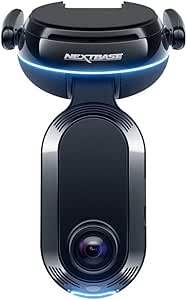
Nextbase iQ 4K Smart HD Dash Cam Pro with 64GB microSD Card – Front and Rear View, 1440p, Smart Sense Parking, Emergency SOS, Roadwatch AI

Vantrue N2X 2.7K Dual Dash Cam (Front and Inside)
As an affiliate, we earn on qualifying purchases.
Background on Vehicle Data Collection and Privacy Regulations
Data collection from vehicles has increased with the rise of connected and autonomous cars, which rely on sensors, GPS, and onboard diagnostics to operate effectively. Historically, vehicle manufacturers have collected data primarily for maintenance and safety purposes. However, recent reports suggest that data is increasingly being monetized through sales to third parties. Privacy laws such as GDPR in Europe and CCPA in California regulate data handling but are not specifically tailored to automotive data. Industry practices vary widely, and consumer awareness remains limited, leading to ongoing debates about transparency and regulation.
Unconfirmed Details on Data Sale Practices and Scope
It is not yet clear how widespread the practice of selling vehicle data is across different automakers or regions. Specific companies involved, the types of data sold, and the entities purchasing this data remain largely unconfirmed. Investigations are ongoing, and official disclosures are limited, leaving many questions about the scale, transparency, and legal compliance of these practices unanswered.
Next Steps in Regulation and Consumer Awareness
Regulators are expected to scrutinize automotive data practices more closely, potentially leading to new rules or enforcement actions. Consumer advocacy groups are calling for greater transparency and opt-in mechanisms for data sharing. Automakers and tech firms may face increased pressure to disclose data practices clearly and obtain explicit consent from drivers. Further investigations and legal reviews are anticipated to clarify the scope and legality of current data sales.
Key Questions
Are all cars selling driver data to third parties?
It is not confirmed that all vehicles or manufacturers engage in this practice. Reports suggest it is more common among certain brands or models, but comprehensive data is lacking.
What types of data are being sold?
Reportedly, location data, driving behavior, vehicle diagnostics, and sometimes audio or video feeds are among the data being sold, though specifics vary by company.
Can consumers prevent their data from being sold?
Current privacy policies vary, and many drivers are unaware of data sharing. Some jurisdictions require explicit consent, but enforcement and transparency are inconsistent.
What regulations govern vehicle data privacy?
Regulations like GDPR and CCPA set rules for data collection and sharing but do not specifically address automotive data practices. Industry standards are still evolving.
Source: hn