Off-road ABS calibration needs to be tailored because traditional systems are designed for paved surfaces, which don’t account for loose gravel, mud, and uneven terrain. Aprilia’s approach adjusts sensor sensitivity, employs advanced algorithms for real-time traction control, and adapts brake modulation for irregular surfaces. This specialized setup improves stability and safety during technical off-road maneuvers. To understand how these calibrations optimize your riding experience across diverse terrains, explore the detailed features and benefits behind Aprilia-style ABS calibration.

Get business pricing on garage and car supplies
- Business-only prices and quantity discounts
- Tax-exempt purchasing
- Multiple users, one account, clear invoices
Key Takeaways
- Aprilia customizes ABS calibration to adapt to diverse off-road terrains like gravel, mud, and rocky surfaces.
- It uses advanced algorithms and sensor fusion for real-time, terrain-specific brake modulation.
- The system adjusts sensitivity and response times to prevent wheel lock-ups during unpredictable slips.
- Multi-mode setups allow riders to tailor ABS settings for different off-road conditions and riding styles.
- Tailored calibration enhances braking stability, control, and rider confidence across varied off-road environments.
Why Does Off-Road ABS Need a Different Calibration?
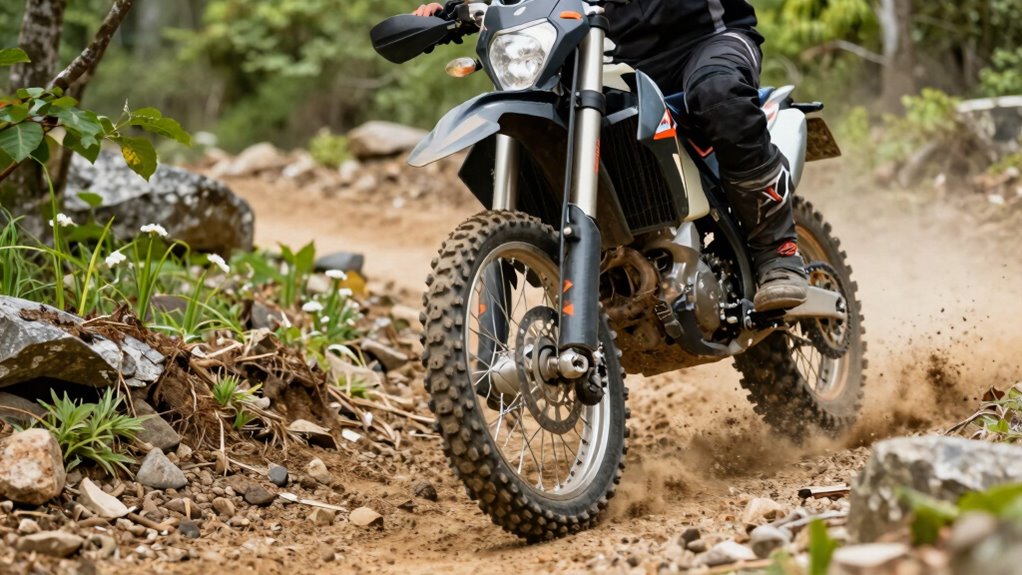
Off-road conditions considerably alter the dynamics of vehicle traction and braking, making standard ABS calibration insufficient. On rugged terrain, tire-road interactions differ markedly from pavement, with loose gravel, mud, and uneven surfaces reducing grip and increasing slip potential. Standard ABS systems are calibrated for predictable, high-traction conditions typical of paved roads, relying on consistent wheel speed signals. Off-road surfaces introduce irregularities that cause unpredictable wheel spin and rapid changes in traction levels. These variations demand a specialized calibration that can interpret fluctuating signals accurately and modulate brake pressure accordingly. Without adjustments, ABS may either engage prematurely, causing loss of momentum, or delay intervention, risking wheel lockup. Consequently, off-road ABS must be tuned to accommodate these distinct traction behaviors, ensuring ideal control in challenging environments. Recognizing terrain-specific challenges is essential for optimizing ABS performance in off-road riding, especially considering how traction management varies with different surfaces. Additionally, calibration techniques tailored for off-road conditions enhance the system’s responsiveness and safety.
What Are the Limitations of Standard ABS on Rough Trails?
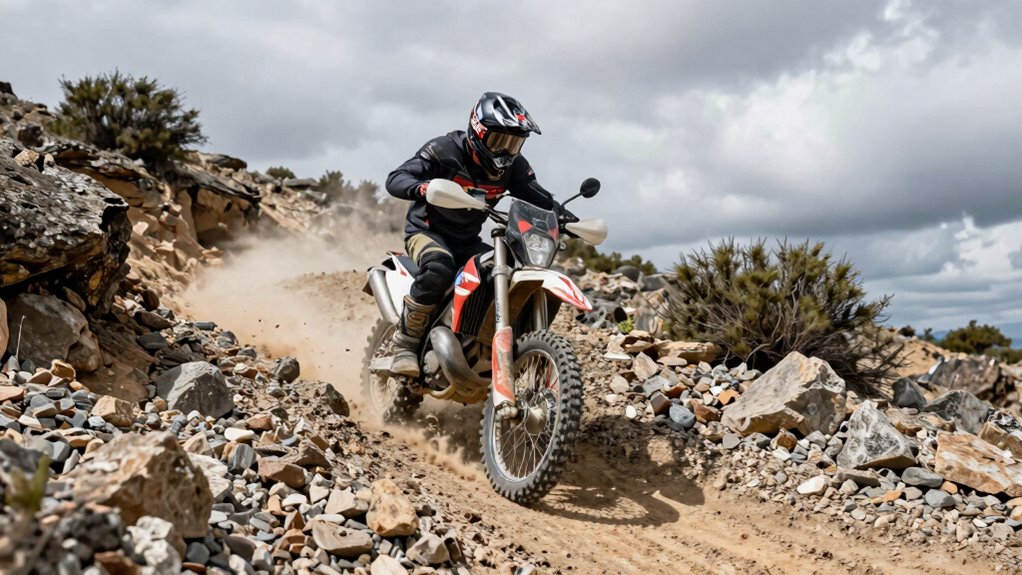
Standard ABS systems are optimized for paved roads with consistent traction and predictable wheel speed signals. On rough trails, irregular terrain causes frequent wheel slip and rapid changes in wheel velocity, which standard systems struggle to interpret correctly. These systems often react too conservatively, reducing braking effectiveness and stability when quick stops are necessary. Additionally, uneven surfaces produce inconsistent signals that can trigger unnecessary ABS interventions, compromising rider control. The fixed calibration parameters are not designed for the unpredictable nature of off-road conditions, leading to limitations in modulation precision. As a result, standard ABS can inadvertently hinder trail navigation, reduce braking confidence, and increase the risk of skidding or loss of control on loose gravel, mud, or uneven surfaces.
How Does Aprilia Customize ABS for Off-Road Conditions?
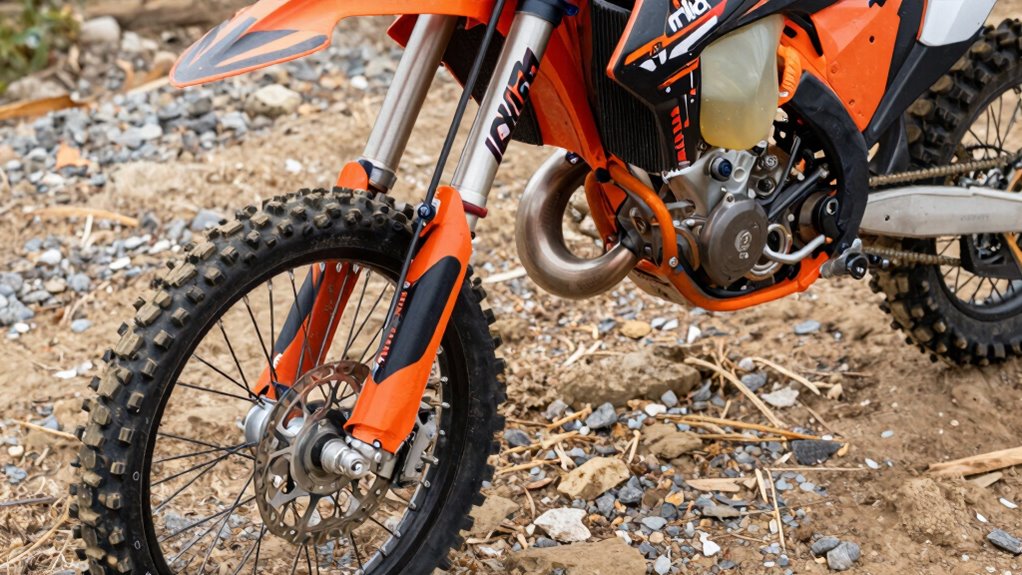
Aprilia enhances ABS performance for off-road conditions by implementing specialized calibration strategies that adapt to uneven terrain and variable wheel slip. This involves adjusting sensor sensitivity to detect subtle wheel speed differences without overreacting to transient slip. The system employs advanced algorithms that analyze real-time data, modulating brake pressure precisely to prevent wheel lock while maintaining ideal traction. Calibration parameters are fine-tuned to account for loose surfaces, ruts, and irregularities, ensuring that braking force is distributed effectively across all wheels. Aprilia’s approach also integrates adaptive response times, allowing the ABS to react swiftly during sudden slips or obstacles. This meticulous customization ensures the ABS remains responsive yet controlled, optimizing rider safety and stability on unpredictable off-road terrains.
What Features Make Aprilia’s Off-Road ABS Calibration Stand Out?

What sets Aprilia’s off-road ABS calibration apart are its advanced features designed for superior performance on unpredictable terrains. It utilizes dynamic modulation algorithms that adapt in real-time to varying traction conditions, ensuring ideal brake force distribution. The system employs sensor fusion technology, integrating wheel speed, lean angle, and throttle input data to precisely control ABS activation. Additionally, Aprilia’s calibration features a tailored rear-wheel bias that prevents unnecessary rear lock-ups during aggressive cornering. Its multi-mode setup allows riders to switch between settings optimized for loose dirt, gravel, or rocky surfaces, enhancing control and stability. These features work cohesively to deliver a precise, responsive braking experience, minimizing the risk of skidding and loss of control while maintaining maximum braking efficiency in off-road conditions.
How Does Specialized ABS Calibration Benefit Adventure Riders?
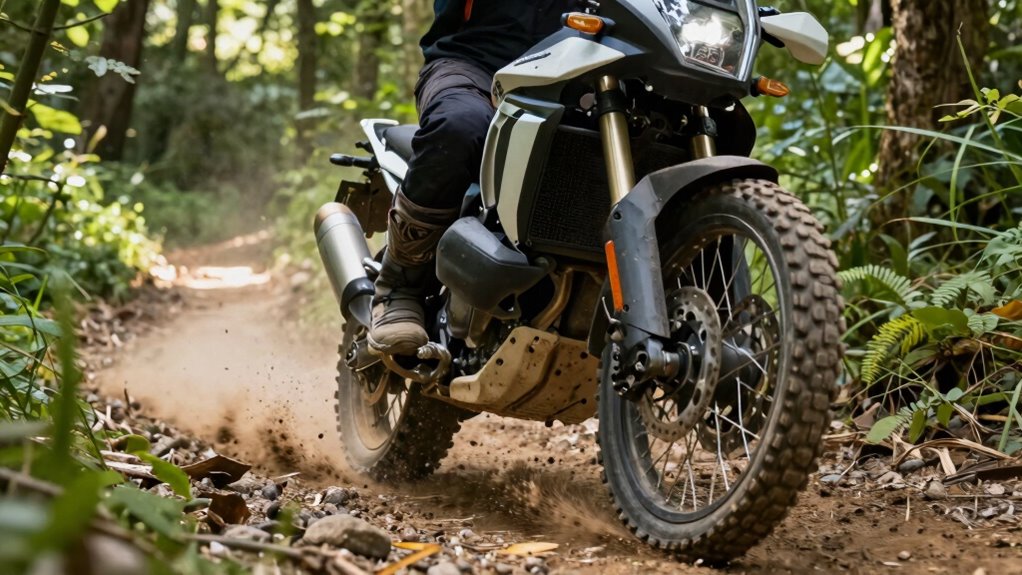
Specialized ABS calibration offers adventure riders enhanced control and safety across diverse off-road environments by precisely adjusting braking response to varying terrain conditions. It optimizes brake modulation, enabling smoother deceleration on loose gravel, sand, or mud, minimizing wheel lockup and maintaining traction. This calibration reduces the need for rider input variability, allowing for consistent braking performance regardless of terrain complexity. By tailoring brake pressure thresholds and response times, it improves stability during aggressive deceleration or technical maneuvers. Additionally, specialized calibration enhances rider confidence, reducing fatigue caused by unpredictable brake behavior. This precise setup assures that braking forces are applied efficiently and predictably, facilitating safer navigation through unpredictable terrains. Proper calibration also supports terrain-specific braking techniques, which are essential for adapting to different off-road conditions. Ultimately, it elevates off-road riding confidence, control, and safety by delivering tailored, reliable braking performance in demanding environments.
How Does Aprilia’s Approach Compare to Other Off-Road ABS Systems?
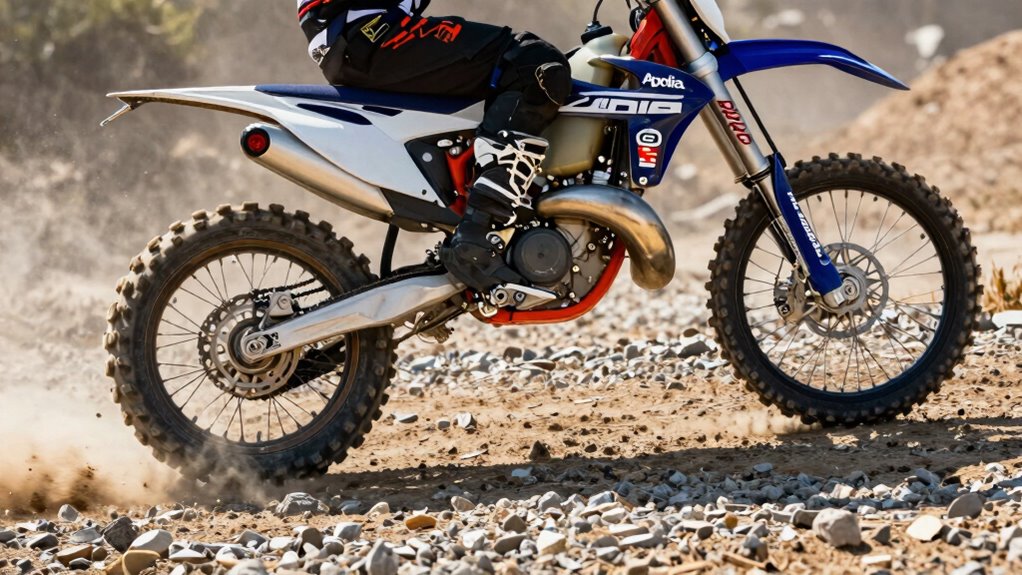
Aprilia’s approach to off-road ABS calibration emphasizes adaptive control strategies that are finely tuned to diverse terrain conditions, setting it apart from many competitors. Unlike systems with fixed thresholds, Aprilia’s calibration dynamically adjusts braking pressure based on real-time feedback, optimizing stability and control. This contrasts with traditional setups that may offer limited customization or static responses. The table below compares key features:
| Feature | Aprilia’s Calibration | Competitor A | Competitor B |
|---|---|---|---|
| Terrain Adaptability | High, real-time adjustments | Moderate, preset modes | Low, fixed parameters |
| Sensor Feedback Utilization | Advanced, continuous data analysis | Basic, periodic updates | Minimal, limited sensors |
| Customizability | Rider-specific tuning options | Limited, manufacturer defaults | No user adjustments |
| Response to Slippage | Precise, minimal intervention | Aggressive, abrupt braking | Delayed response |
This precision-driven approach enhances rider confidence across varied off-road conditions.
What Should Riders Know Before Choosing an Off-Road ABS Bike?
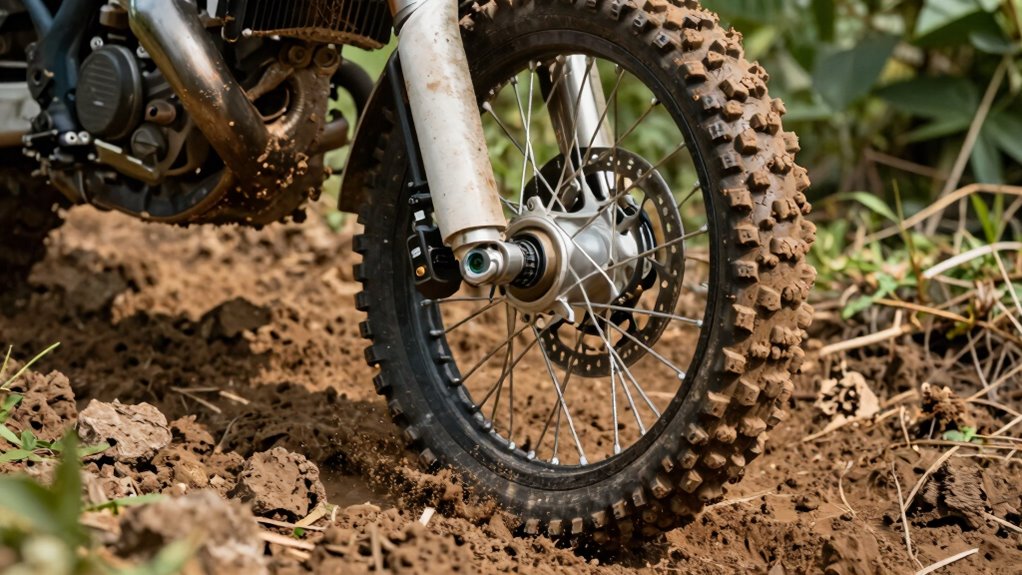
Choosing an off-road ABS bike requires careful consideration of its calibration capabilities, terrain adaptability, and rider-specific features. You need to evaluate how the system responds to varied conditions like loose gravel, wet roots, or steep inclines. Look for bikes offering adjustable calibration modes or customizable settings, such as Aprilia’s approach, which allows tailoring brake intervention to terrain and riding style. Understand the system’s responsiveness—whether it offers immediate, aggressive braking or smoother modulation. Assess compatibility with your riding expertise and terrain demands to prevent unwanted interventions or delayed responses. Additionally, consider the bike’s overall build quality, sensor accuracy, and whether the ABS system integrates seamlessly with your riding ergonomics. Precise calibration and terrain-specific adaptability are essential for safety and ideal performance.
Frequently Asked Questions
Can I Switch Between Off-Road and Standard ABS Modes Easily?
Yes, you can switch between off-road and standard ABS modes easily. Your motorcycle’s system allows quick toggling via a dedicated switch or dashboard menu, depending on the model. This feature guarantees maximum safety and performance tailored to terrain conditions. Simply select the desired mode before riding, and the ABS system recalibrates automatically to suit either off-road traction needs or on-road stability, providing seamless shifts for confident riding.
Does Off-Road ABS Calibration Affect On-Road Safety Performance?
Yes, off-road ABS calibration can impact on-road safety performance. It adjusts brake intervention thresholds, which may reduce braking efficiency or stability on paved surfaces. Proper calibration ensures ideal braking response tailored to terrain; however, if misconfigured, it might compromise safety during on-road conditions. Always verify calibration settings when switching between modes to maintain the intended safety performance across different riding environments.
How Often Should Off-Road ABS Systems Be Recalibrated?
You should recalibrate your off-road ABS system at least once every 6 to 12 months, especially if you frequently switch terrains or riding conditions. Studies show that improper calibration can reduce braking efficiency by up to 15%, increasing risk. Regular recalibration ensures peak performance, maintains safety margins, and adapts to wear and environmental changes. Always follow manufacturer guidelines for specific intervals, and consider recalibrating after significant riding environment shifts.
Are There Specific Riding Techniques for Bikes With Specialized ABS?
Yes, for bikes with specialized ABS, you should adopt specific riding techniques. Focus on smooth, progressive braking to prevent skidding, especially on loose or uneven terrain. Avoid abrupt throttle inputs during deceleration to maintain control. Use body positioning to shift weight and optimize traction. Practice controlled braking and maneuvering to become familiar with how the ABS responds, ensuring you leverage its benefits without compromising your riding style or safety.
Is Off-Road ABS Calibration Compatible With All Motorcycle Brands?
You might think it’s a one-size-fits-all solution, but off-road ABS calibration isn’t compatible with all motorcycle brands. Each manufacturer uses different electronic systems and sensor configurations, making universal calibration challenging. Aprilla-style calibration is tailored for specific models, ensuring peak performance. To avoid throwing a wrench in the works, verify your bike’s compatibility before attempting specialized ABS adjustments. It’s better to be safe than sorry when it comes to your motorcycle’s braking system.
Conclusion
Ultimately, choosing off-road ABS is like selecting a bespoke suit—one size definitely doesn’t fit all. Aprilia’s tailored calibration guarantees your bike adapts to the unpredictable, turning treacherous trails into manageable terrain. Ignoring specialized systems forces you into a slide dance with loose gravel and muddy ruts. So, if you’re serious about conquering the rough stuff, embrace the precision engineering—your ride’s safety and performance depend on it, not on generic, off-the-rack solutions.
Fall Picks
fall essentials
As an affiliate, we earn on qualifying purchases.