TL;DR

Get business pricing on garage and car supplies
- Business-only prices and quantity discounts
- Tax-exempt purchasing
- Multiple users, one account, clear invoices
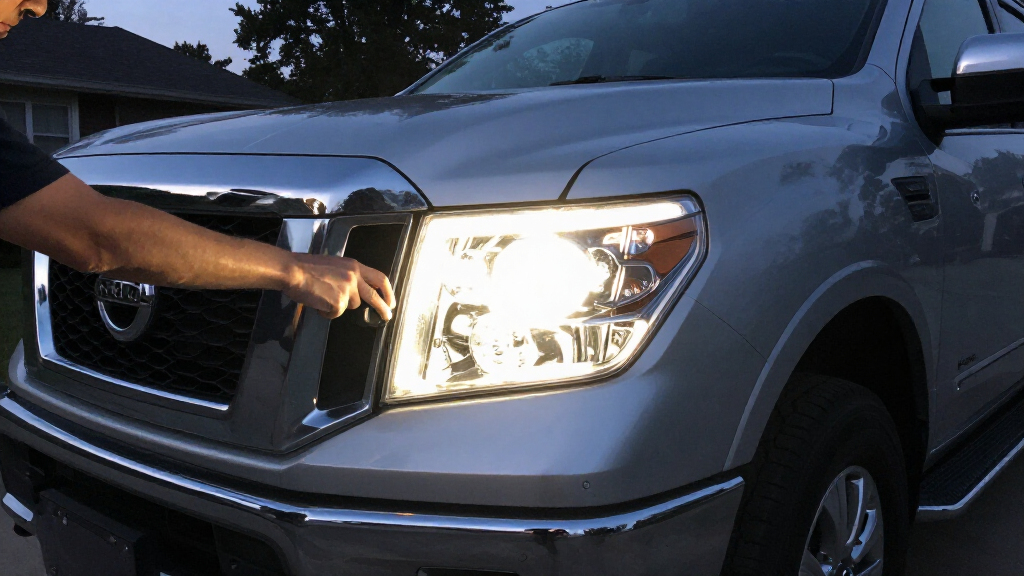
A new study reveals Nissan Titan headlights generate glare 615% above IIHS safety limits. Despite this, the vehicle remains legally compliant. The implications for driver safety are still uncertain.
A recent study has found that the headlights of the Nissan Titan produce glare levels that are 615% above the limits set by the Insurance Institute for Highway Safety (IIHS). Despite this, the vehicle remains compliant with current laws. The findings raise questions about the adequacy of existing headlight regulations and their effectiveness in ensuring driver and pedestrian safety.
The study, conducted by an independent vehicle safety research organization, measured the headlight glare of multiple Nissan Titan trucks. The results indicated that the glare levels significantly exceeded the IIHS’s established safety threshold, which is designed to minimize oncoming driver distraction and improve night-time visibility.
Specifically, the measured glare was 615% over the IIHS limit, a figure that experts say could impair the vision of oncoming drivers and increase the risk of accidents. However, the Nissan Titan remains legally compliant because current regulations do not explicitly restrict glare levels to the extent suggested by the IIHS standards. The National Highway Traffic Safety Administration (NHTSA) has not issued any recalls or safety notices related to this issue.
Auto safety advocates and industry analysts are now examining whether existing regulations adequately address headlight glare and whether manufacturers should be held to stricter standards. Nissan has not issued a formal response to the study but continues to sell the Titan model with no reported changes or recalls.
Implications for Vehicle Safety Standards
The findings highlight a potential gap between safety testing standards and real-world vehicle performance. While the Nissan Titan remains legal for sale, the excessive glare could pose safety risks, especially during night driving or in poorly lit conditions. This raises concerns about whether current regulations sufficiently protect drivers, pedestrians, and oncoming vehicles. If glare levels are as high as the study suggests, it could prompt regulatory reviews and lead to stricter headlight standards in the future.
headlight glare reduction for trucks
As an affiliate, we earn on qualifying purchases.
As an affiliate, we earn on qualifying purchases.
Background on Headlight Regulations and Safety Testing
Headlight glare has long been a concern for road safety, with regulations in place to limit excessive brightness and prevent glare-related accidents. The IIHS has established safety thresholds to evaluate headlight performance, but these are voluntary guidelines rather than mandatory standards. Automakers often design headlights to meet legal requirements, which vary by jurisdiction and may not always align with safety best practices.
The Nissan Titan, a full-size pickup truck, has been a popular model in the United States, with millions sold over recent years. The recent study’s findings come amid growing scrutiny of vehicle lighting systems, especially as automakers incorporate advanced LED and adaptive lighting technologies that can produce higher glare levels if not properly calibrated.
Uncertainties About Safety and Regulatory Response
It is not yet clear whether the high glare levels measured in the study will lead to regulatory changes or recalls. The impact on driver safety remains under investigation, and no official safety warnings have been issued. The study’s methodology and whether similar results would be found across other vehicle models are also still being examined.
Next Steps in Safety Evaluation and Regulation
Regulatory agencies such as NHTSA and IIHS are expected to review the study’s findings and may initiate further testing or impose new standards if necessary. Automakers, including Nissan, could face increased pressure to modify headlight designs or improve calibration to reduce glare. Consumers are advised to stay informed about vehicle safety recalls and updates related to lighting systems.
Key Questions
What does a 615% glare increase mean for drivers?
It suggests that the headlights produce significantly more glare than what safety standards recommend, potentially impairing oncoming drivers’ vision and increasing crash risk during night driving.
Is the Nissan Titan illegal to drive because of this glare?
No. The vehicle remains within current legal standards, which do not prohibit glare levels at this magnitude. However, safety experts are concerned about the potential risk.
Could this lead to a recall or new regulations?
It is uncertain. Regulatory agencies are reviewing the findings, and future standards could be revised to address excessive glare, but no official actions have been announced yet.
Are other vehicles affected by similar glare issues?
The study focused on the Nissan Titan, but it raises broader questions about headlight standards across the automotive industry. Further testing is needed to determine if other models exceed safety thresholds.
What should consumers do if they are concerned about headlight glare?
Consumers should monitor recalls and safety notices from NHTSA and their vehicle manufacturers, and consider professional headlight calibration if glare issues are observed.
Source: rss
Halloween Picks
halloween
As an affiliate, we earn on qualifying purchases.