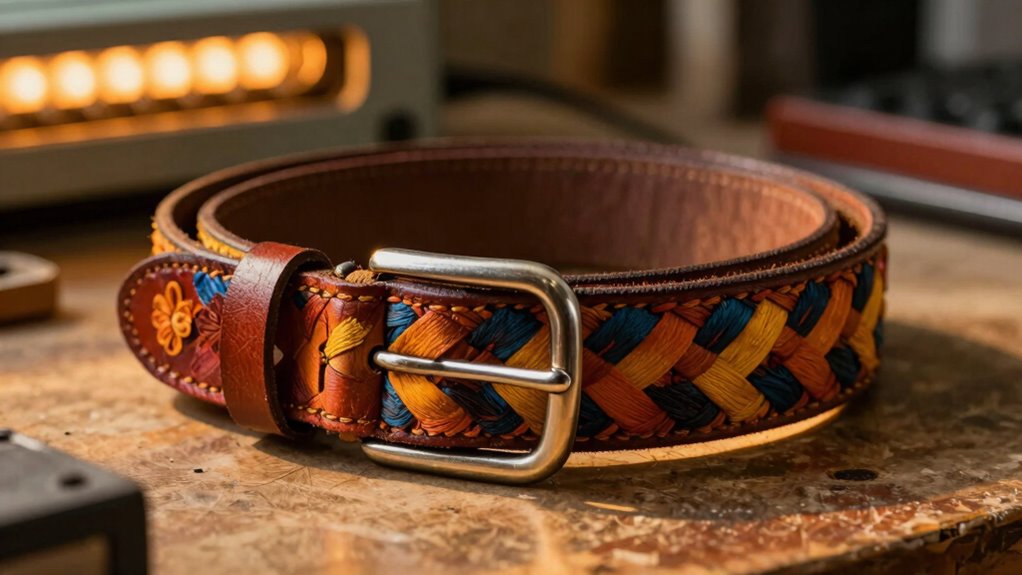

Understanding heat cycling can clear up many myths about belt lifespan. It’s not just the material quality that matters; temperature extremes and repeated heating and cooling cycles greatly affect durability. High-quality belts can still wear down if not monitored. Regular maintenance, correct installation, and selecting the right type of belt are essential for longevity. By grasping the impact of heat cycling, you can make informed decisions. Stick around, and you’ll discover more tips for optimizing belt performance.

Get business pricing on garage and car supplies
- Business-only prices and quantity discounts
- Tax-exempt purchasing
- Multiple users, one account, clear invoices
Key Takeaways
- Understanding heat cycling clarifies that temperature fluctuations significantly impact belt lifespan, regardless of material quality.
- Repeated heating and cooling cycles lead to loss of flexibility and strength in belts over time.
- Regular inspections and monitoring operating conditions help identify when belts reach the end of their life.
- Proper installation techniques, including alignment, are crucial to prevent premature wear caused by heat cycling.
- Selecting the right belt for specific applications enhances durability and performance, mitigating the effects of heat cycling.
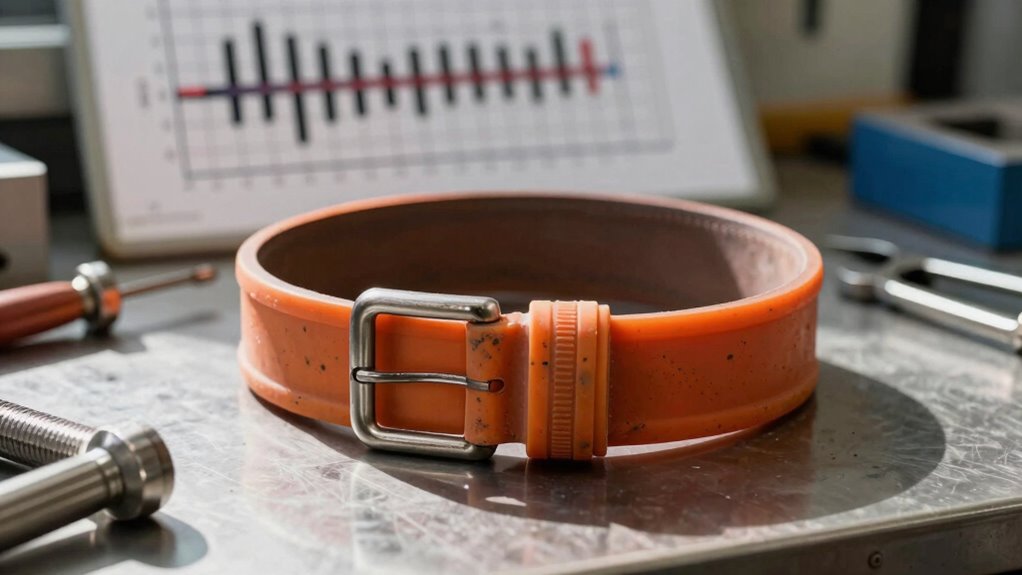
When it comes to belt life, many misconceptions can lead you to make poor choices about maintenance and replacement. One of the biggest myths is that belts have a set lifespan based solely on their material quality. While the quality of the belt plays an important role in its durability, it’s not the only factor you should consider. Temperature effects can drastically impact how long your belt lasts. If you expose your belt to extreme heat or cold, you might find that it wears out much faster than expected.
Understanding heat cycling is essential. Every time your machine operates, it undergoes a cycle of heating and cooling. This cycle can wear down the belt over time, causing it to lose flexibility and strength. You may think that a belt can handle high temperatures without issue, but that’s a common misconception. Belts made from high-quality materials can still suffer from fatigue if they’re repeatedly exposed to temperature extremes without proper maintenance practices. Proper maintenance can help mitigate some of these effects and prolong belt life. Additionally, monitoring operating conditions can help identify when a belt is approaching the end of its useful life.
Understanding heat cycling is crucial; repeated temperature extremes can lead to belt fatigue, even in high-quality materials.
Regular maintenance is key to extending the life of your belt. This includes checking for signs of wear, ensuring proper tension, and replacing belts when necessary. You might believe that a belt only needs replacement when it shows visible damage, but waiting too long can result in costly breakdowns. Instead, adopt a proactive approach. Schedule inspections, and consider the operating environment. If your equipment runs in high-temperature settings, you’ll need to be particularly vigilant. Recognizing how heat cycling affects belt longevity can help you better plan maintenance. Being aware of thermal fatigue is also crucial, as it directly impacts the integrity of the belt over time.
Another important aspect is installation techniques. Improper installation can lead to premature wear and tear, regardless of the belt’s material quality. Make sure you follow the manufacturer’s recommendations closely. If the belt isn’t aligned correctly, it can cause uneven pressure that shortens its lifespan. Proper installation techniques are crucial to prevent uneven wear caused by misalignment.
Lastly, it’s essential to dispel the myth that all belts are created equal. Different applications require different types of belts, and selecting the right one for your specific needs is important. Investing in a belt that suits your operational environment and practices can make all the difference in durability and performance.
industrial belt heat cycling monitoring
As an affiliate, we earn on qualifying purchases.
As an affiliate, we earn on qualifying purchases.
Frequently Asked Questions
How Does Temperature Affect Belt Performance Over Time?
Temperature greatly impacts belt performance over time. As you experience temperature fluctuations, the material undergoes thermal expansion and contraction, which can lead to wear and potential failure. High temperatures may soften the belt, while low temperatures can make it brittle. Understanding these effects helps you maintain ideal performance, ensuring your belts last longer and function effectively. Regularly monitoring temperature changes can prevent issues and extend the lifespan of your belts.
What Materials Are Commonly Used in Belt Manufacturing?
Belt manufacturing commonly uses materials like rubber, polyurethane, and polyester due to their durability and flexibility. These materials impact belt composition and performance considerably. During manufacturing processes, additives may be included to enhance strength or resistance to heat and wear. By understanding the materials involved, you can make better choices for your specific applications, ensuring your belts perform efficiently over time and meet your needs effectively.
How Can I Visually Inspect My Belt for Wear?
Inspecting your belt for wear is like searching for hidden treasure! Look for belt cracking, as those tiny fissures can lead to big problems. Check for surface fraying, which can be a sign it’s ready to retire. Don’t forget to perform tension adjustments and alignment checks; a loose or misaligned belt can spell disaster. Keep your eyes peeled, and you’ll guarantee your belt stays in top shape for the long haul!
What Is the Average Lifespan of a Typical Belt?
The average lifespan of a typical belt ranges from 50,000 to 100,000 miles, but this can vary based on factors like belt degradation and maintenance practices. If you regularly inspect and maintain your belt, you can extend its life considerably. Look for signs of wear, such as cracks or fraying, and replace it before it fails. Staying proactive with maintenance helps guarantee your belt performs at its best throughout its lifespan.
Are There Specific Brands Known for Better Belt Longevity?
You might be surprised to find that some brands really stand out when it comes to belt longevity. Brand comparisons show that companies like Gates and Continental often lead the pack, thanks to their advanced materials and manufacturing techniques. Longevity factors, such as heat resistance and wear durability, play a huge role in their performance. So, if you’re looking for reliability, consider sticking with these trusted names for your next belt purchase.
Conclusion
Understanding heat cycling truly dispels common myths about belt life. You might think that all belts wear out at the same rate, but that’s not the case. Different applications and conditions impact their longevity. By recognizing how heat affects belts, you can make informed decisions, extending their life and improving performance. So, don’t just rely on old assumptions—embrace the science. With the right knowledge, you can optimize your equipment and save on replacement costs.
Fall Picks
fall essentials
As an affiliate, we earn on qualifying purchases.