
Synthetic ropes are safer than steel cables because they’re lighter, more flexible, and easier to handle. However, their durability depends on protecting them from abrasion, which weakens fibers and risks failure. Friction from rough surfaces or sharp edges can cause significant wear, reducing the rope’s lifespan. To keep your synthetic rope safe and effective, you need proper protective measures. If you keep exploring, you’ll discover more about how to maximize its longevity and safety.

Get business pricing on garage and car supplies
- Business-only prices and quantity discounts
- Tax-exempt purchasing
- Multiple users, one account, clear invoices
Key Takeaways
- Synthetic ropes are safer than steel due to flexibility and lighter weight, reducing injury risk during handling.
- Abrasion weakens synthetic fibers, increasing the likelihood of rope failure under stress.
- Protecting synthetic ropes from rough surfaces and sharp edges prevents accelerated wear and extends lifespan.
- Proper knots and regular inspections help maintain rope strength and safety over time.
- Using protective sleeves and covers shields against abrasion, ensuring the rope’s durability and safety.
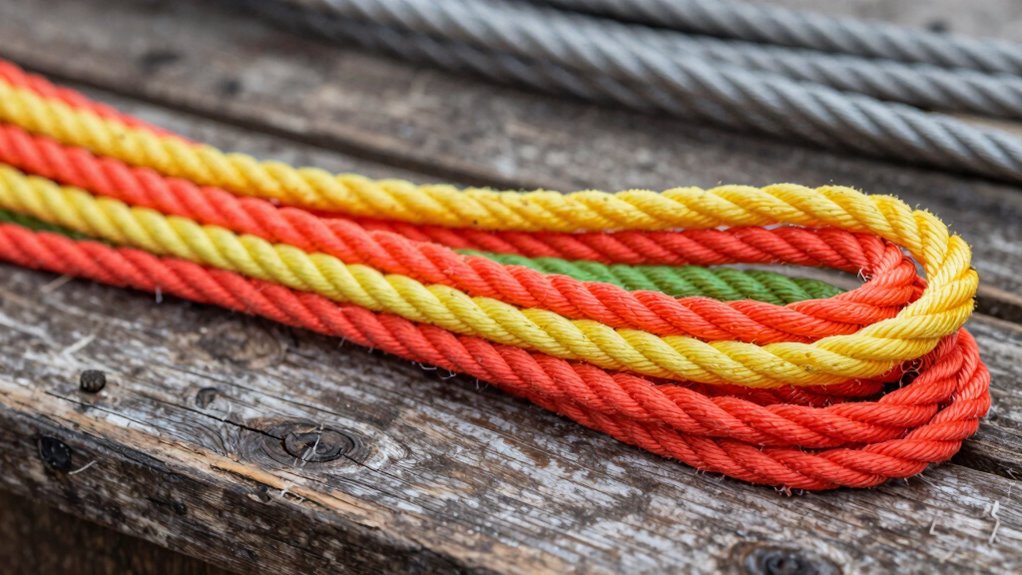
While synthetic ropes are generally safer than steel cables due to their flexibility and lighter weight, their safety depends heavily on proper protection from abrasion. You need to be mindful of how the rope interacts with rough surfaces, sharp edges, and friction points. Abrasion can quickly weaken synthetic fibers, leading to unexpected failures. To maximize safety, guarantee your rope is shielded from contact with abrasive surfaces, especially during heavy loads or frequent use. Additionally, UV resistance is crucial for maintaining your synthetic rope’s longevity and performance, as prolonged exposure to sunlight can degrade the fibers over time. When selecting a synthetic rope, opt for one with high UV resistance, especially if it’ll be used outdoors continuously. This resistance helps preserve the rope’s integrity and prevents premature deterioration, which could compromise safety.
Protect synthetic ropes from rough surfaces and sharp edges to prevent wear and ensure safety during use.
Another essential factor is knot strength. Synthetic ropes tend to maintain good knot strength if tied properly, but certain knots can cause localized stress points that weaken the fiber. You should learn and use appropriate knots that distribute tension evenly, preserving the rope’s overall strength. Avoid knots that tighten excessively or cause sharp bends, as these can reduce knot strength and, consequently, the overall safety of your setup. Properly tied, synthetic ropes can hold significant loads, but neglecting knot selection and tying techniques increases the risk of failure. Regularly inspection and maintenance can also help identify potential issues before they become critical, ensuring safety during use. Incorporating protective sleeves or covers can further extend the lifespan of your rope by providing an additional barrier against wear and environmental damage. Being aware of the fiber properties of synthetic ropes can also guide you in choosing the right type for your specific needs.
synthetic rope abrasion protection sleeve
As an affiliate, we earn on qualifying purchases.
As an affiliate, we earn on qualifying purchases.
Frequently Asked Questions
How Long Does Synthetic Rope Typically Last Compared to Steel?
Synthetic rope generally lasts 3 to 10 years, depending on its material composition and exposure to elements. Its rope flexibility often exceeds that of steel, making it easier to handle and less prone to kinks. However, UV rays, abrasion, and chemicals can degrade it faster. Proper care and protective measures extend its lifespan, ensuring you get the most durability from your synthetic rope compared to steel, which can last longer with minimal maintenance.
Can Synthetic Rope Be Used Underwater for Extended Periods?
You can definitely use synthetic rope underwater for extended periods, but you should be aware of the marine environment’s challenges. While it’s designed to withstand underwater wear, prolonged exposure can weaken it if you’re not careful. Protect your synthetic rope from sharp objects and abrasive surfaces to prevent damage. With proper care, it remains a reliable choice in underwater applications, offering strength and flexibility even in demanding conditions.
What Are the Best Storage Practices for Synthetic Rope?
You should store synthetic rope in a cool, dry, and well-ventilated environment to prevent mold and degradation. Always clean the rope after use, especially if it’s been exposed to dirt, salt, or chemicals, to extend its lifespan. Keep it away from direct sunlight and abrasive surfaces. Coil it properly, avoid kinks, and store it off the ground on a shelf or rack to prevent unnecessary wear and tear.
How Does Temperature Affect Synthetic Rope’s Durability?
Temperature impacts synthetic rope like a sunburned plant—extreme heat can weaken it. High temperatures speed up UV degradation and increase chemical exposure risks, reducing durability. Cold temperatures, on the other hand, make the fibers brittle and prone to cracking. To keep your synthetic rope strong, store it in a cool, shaded place, away from direct sunlight and chemicals, ensuring it stays flexible and safe for use.
Are There Specific Signs That Synthetic Rope Needs Replacement?
You’ll know your synthetic rope needs replacing if you notice color fading or fraying edges. These signs indicate the rope’s fibers are weakening, reducing its strength and safety. Don’t ignore these visual cues, as continued use could lead to failure. Regularly inspect your rope, especially after heavy use or exposure to harsh conditions, to guarantee it remains reliable and safe for your tasks.
Conclusion
So, next time you’re choosing a rope, remember that synthetic options can be safer than steel—if you keep an eye on abrasion. Coincidentally, the very act of protecting your rope from wear not only extends its life but also keeps you safer. It’s almost like the rope and your safety are intertwined, each relying on the other’s care. Stay vigilant, and you might just find that your choice of rope makes all the difference in unexpected ways.
Halloween Picks
halloween
As an affiliate, we earn on qualifying purchases.