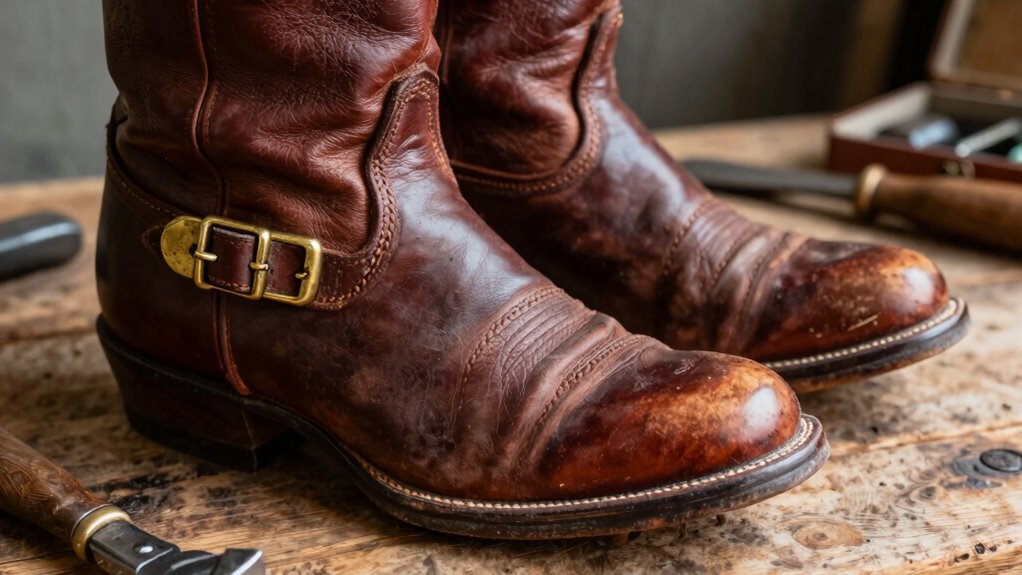

If your boot buckles keep failing, start with regular inspection for cracks, rust, or loose parts. Clean them gently with a soft brush or damp cloth, and apply a silicone spray to keep moving parts smooth and prevent rust. Tighten screws promptly and replace worn or damaged buckles before they break completely. Regular maintenance can extend their life, and if problems persist, there are simple fixes and signs it’s time to upgrade—so stay tuned for more tips.

Get business pricing on garage and car supplies
- Business-only prices and quantity discounts
- Tax-exempt purchasing
- Multiple users, one account, clear invoices
Key Takeaways
- Regularly inspect buckles for cracks, rust, or misalignment to catch issues early before failure occurs.
- Clean buckles with a soft brush and mild soap, removing debris to prevent material wear and sticking.
- Apply silicone lubricant to moving parts to reduce friction and prevent rust, ensuring smooth operation.
- Tighten loose screws and replace damaged components promptly to maintain buckle durability and safety.
- Use high-quality, corrosion-resistant materials like stainless steel or brass for replacements to extend lifespan.
stainless steel boot buckle replacement
As an affiliate, we earn on qualifying purchases.
As an affiliate, we earn on qualifying purchases.
Why Do Boot Buckles Fail and Are They Common?
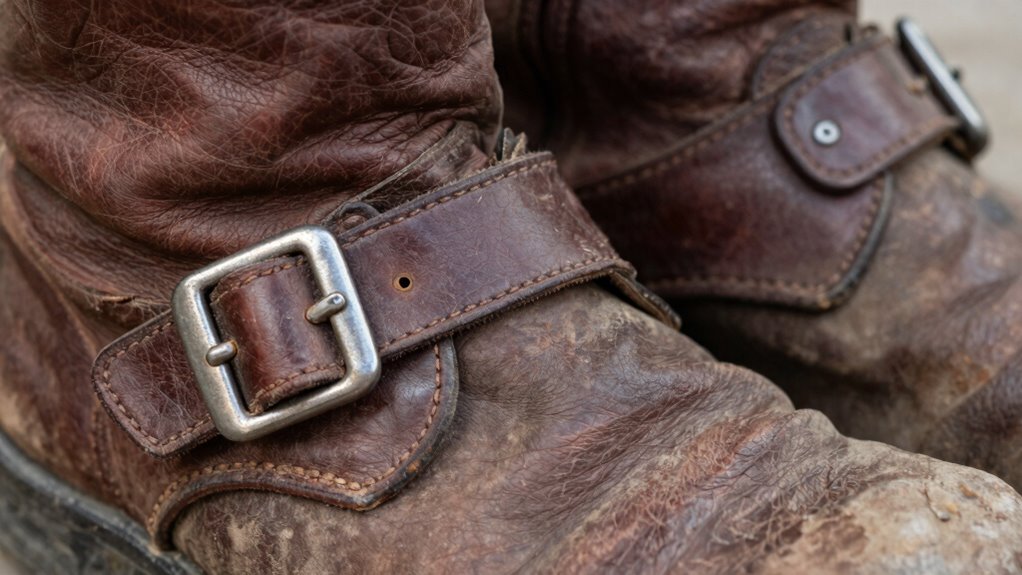
Boot buckle failures happen more often than you might think, and understanding why can help you prevent them. One common reason is the materials used in the buckle. Some buckle materials, like cheap plastics or thin metals, are prone to cracking or breaking under stress. The buckle design also plays a role—simple or poorly engineered designs may lack durability or fail to distribute tension evenly. If the design doesn’t account for frequent pulling or harsh conditions, the buckle is more likely to fail over time. Additionally, exposure to moisture, salt, or extreme temperatures can weaken certain materials, making failure more likely. Recognizing that buckle materials and design choices directly impact longevity helps you select better options and avoid frequent failures. Material durability is a critical factor in ensuring the longevity of boot buckles.
How to Inspect Your Boot Buckles for Damage
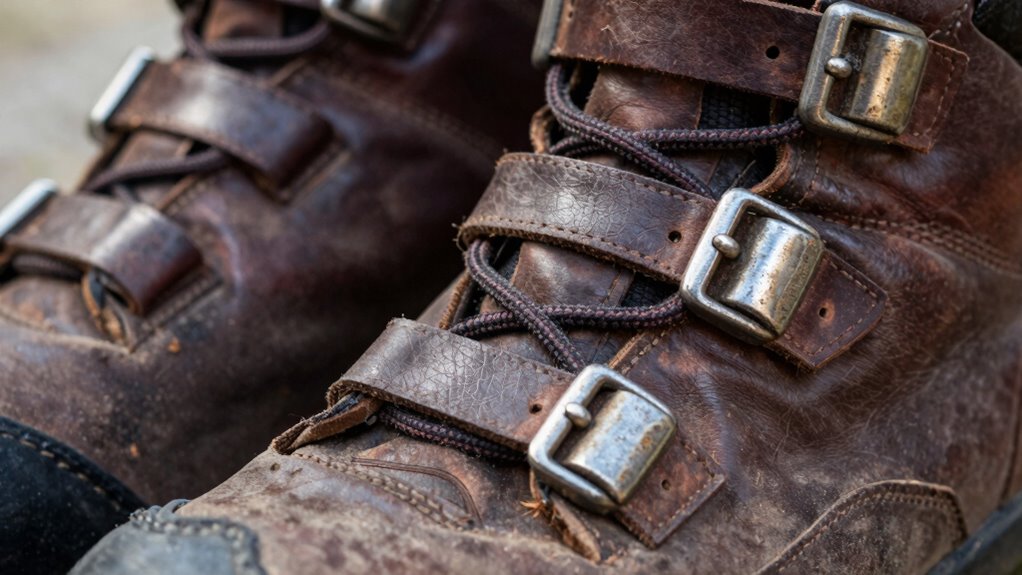
Regularly inspecting your boot buckles can catch damage early before it leads to complete failure. Check for signs of wear, corrosion, or cracks that compromise material compatibility. Look closely at the buckle aesthetics—dents, discoloration, or deformation can indicate underlying issues. Focus on these areas:
Inspect your boot buckles regularly for cracks, corrosion, and misalignment to prevent failure.
- Cracks or fractures in the buckle material, which weaken its integrity
- Corrosion or rust, especially around metal parts, affecting durability
- Loose or misaligned buckles, which can be a sign of stress or damage
Being aware of material fatigue can help you identify early signs of buckle deterioration and prevent unexpected failures. Additionally, understanding home charging processes can be beneficial if you’re considering maintenance routines to ensure safety and longevity of your gear. Regular maintenance checks are essential in preventing complete failure, especially when dealing with critical components like buckles. Conducting routine inspections can further prolong the lifespan of your gear and ensure reliable performance.
How to Clean and Lubricate Your Boot Buckles to Prevent Breakage
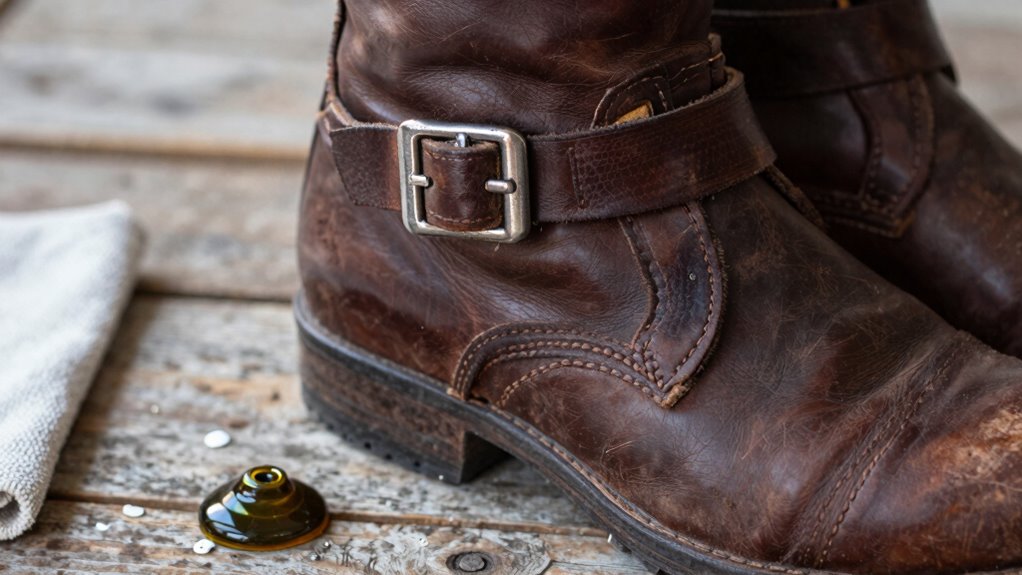
To keep your boot buckles working smoothly, start by removing dirt and debris that can cause wear. Next, apply a proper lubricant to guarantee they move freely and don’t break under pressure. Additionally, using appropriate cleaning methods can help extend the lifespan of your buckles. Regular visual inspection can help identify early signs of damage, allowing you to address issues before they lead to failure. Incorporating maintenance routines such as tightening any loose screws or fasteners can further prevent breakage. Finally, check for any signs of damage so you can address issues before they lead to failure. Incorporating energetic alignment into your routine can also help maintain a balanced and stress-free approach to equipment care.
Remove Dirt and Debris
Dirt and debris can quickly accumulate around your buckle mechanisms, causing them to stick or break over time. This is especially common with luggage straps and fashion accessories, where dirt can build up in tight spots. To keep your boot buckles functioning smoothly, start by gently brushing away loose dirt with a soft cloth or brush. Use a damp cloth to wipe away stubborn grime, ensuring you don’t soak the mechanism. Pay close attention to crevices where debris can hide. For extra stubborn dirt, use a soft toothbrush dipped in soapy water. Regular cleaning prevents build-up that could lead to malfunction, helping your buckles stay secure and reliable longer. Keeping them debris-free is a simple step to avoid costly repairs later. Additionally, proper maintenance routines can help extend the lifespan of your buckles and prevent unexpected failures. In some cases, lubricating the buckle with a suitable dry lubricant can further reduce friction and wear, especially for frequently used closures. Incorporating routine inspections into your maintenance can also catch potential issues before they cause a failure. Moreover, understanding the types of buckles and their specific needs can ensure you choose the right care methods for each style. This knowledge of body materials can guide you in selecting appropriate cleaning and lubrication products to avoid damage.
Apply Proper Lubricant
Ever wondered how to keep your buckle mechanisms moving smoothly? Proper lubrication is key. After cleaning, apply a small amount of lubricant designed for metal or plastic parts to the buckle’s moving joints. Use a lightweight, dry lubricant like silicone spray or a silicone-based lubricant, which won’t attract dirt or debris. This helps reduce friction and wear prevention, keeping the components functioning properly over time. Be careful not to over-lubricate, as excess can attract dirt and cause buildup. Regularly lubricating your buckles ensures they stay flexible and responsive, reducing the risk of breakage. Additionally, understanding water-resistant materials can help you select the best lubricants for outdoor use. Choosing lubricants compatible with outdoor conditions can improve durability and performance. Applying the right maintenance routine can significantly extend the lifespan of your gear and prevent unexpected failures. Using lubricants that are suitable for corrosion resistance can further protect your buckles from rust and deterioration. Incorporating knowledge of material compatibility ensures you choose the most effective products for your specific buckle material. Remember, consistent maintenance with proper lubrication extends the life of your buckles and keeps your boots secure and comfortable.
Check for Damage
Regularly inspecting your buckles for damage helps catch issues before they become serious. Look for cracks, rust, or bent parts that could lead to failure. Check the buckle material—whether metal or plastic—and verify it’s intact. If you notice any corrosion, clean it with a soft cloth and apply a light coat of leather conditioning or appropriate lubricant. For leather components, keep them supple with leather conditioner to prevent cracking. Examine the clasp mechanism for smooth operation, and test the release button or latch. Make sure screws or rivets are secure. By staying vigilant, you prevent breakage and extend your buckles’ lifespan. Proper maintenance keeps your boots reliable and safe during every wear.
How to Repair Broken or Weak Boot Buckles at Home
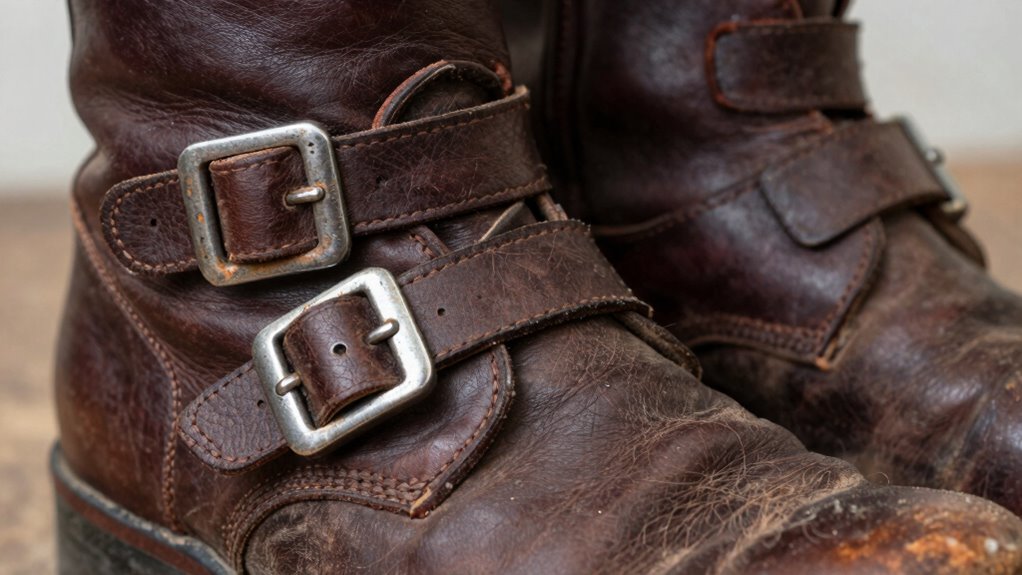
If your boot buckles are broken or weak, you can often fix them at home with some simple tools and a bit of patience. Start by inspecting the buckle for loose screws or bent parts. Tighten any loose screws with a small screwdriver, ensuring they don’t strip the material warranties that came with your boots. If the buckle is cracked or bent, gently reshape it with pliers or replace it entirely. For worn-out straps or damaged hardware, consider using a strong adhesive designed for leather or your boot’s material. Remember, staying aligned with current fashion trends means choosing buckles that match your style, but durability should always come first. Repairing at home saves money and keeps your boots looking stylish without sacrificing quality. Additionally, understanding basic repair techniques can help prolong the life of your footwear and prevent future issues. Being aware of material compatibility can ensure that your repairs hold up over time and don’t cause further damage. Moreover, familiarizing yourself with proper maintenance routines can help you identify early signs of wear and address them before they become major problems.
When Should You Replace Your Boot Buckles Instead of Repairing?

If your boot buckles show visible damage or excessive wear, it’s a clear sign you should substitute them rather than repair. Frequent failures or recurring issues also indicate it’s time for a full replacement to ensure reliability. Additionally, if safety concerns arise, such as compromised strength or functionality, swapping out the buckles is the safest choice. Recognizing the importance of durability can help prevent further problems.
Visible Damage or Wear
When your boot buckles show obvious signs of damage or wear, it’s usually a clear indication that replacement is necessary. Look for rust buildup or corrosion spots that weaken the metal, making repairs ineffective. Visible damage can also include:
- Cracks or bends in the buckle that compromise its shape and function
- Fading or peeling finish, indicating material degradation
- Significant rust buildup or corrosion spots that compromise strength
If any of these issues are present, repairing might only be temporary. Damaged or corroded buckles can break unexpectedly, risking your footwear’s security. Replacing them ensures durability and safety, preventing further damage to your boots and avoiding repeated failures. Don’t ignore visible damage—it’s time to upgrade for long-term reliability.
Frequent Buckle Failures
Frequent failures of your boot buckles often signify that repair isn’t enough to guarantee safety and reliability. If your buckles keep breaking or malfunctioning despite repairs, it’s time to think about buckle replacement. Relying on repairs when failures are ongoing can compromise your safety and may lead to more costly damage over time. A proper maintenance schedule helps identify when buckles are nearing the end of their lifespan, making replacements more predictable and efficient. If your buckles show persistent issues after multiple repairs, replacing them ensures better durability and peace of mind. Don’t wait until they completely fail—timely buckle replacement can save you trouble and ensure your boots perform as intended. Regular maintenance and timely replacements keep your gear reliable and safe.
Safety Concerns Arise
Knowing when to replace your boot buckles rather than repair them is crucial for your safety. If the buckles show signs of severe wear, cracks, or corrosion, they may fail unexpectedly, risking injury or damage. Safety concerns also arise if the buckles no longer securely hold your boots, especially during active lifestyle trends or rugged adventures. Consider replacing your buckles if you notice:
- Cracks or weakened metal that might snap under pressure
- Corrosion or rust compromising structural integrity
- Excessive looseness, making them unreliable as fashion accessories or functional components
Ignoring these signs can lead to sudden buckle failure, jeopardizing your safety. Always prioritize replacing compromised buckles over repairs when safety is at stake, ensuring your footwear remains secure and dependable.
Choosing Durable Replacement Buckles for Long-Term Use
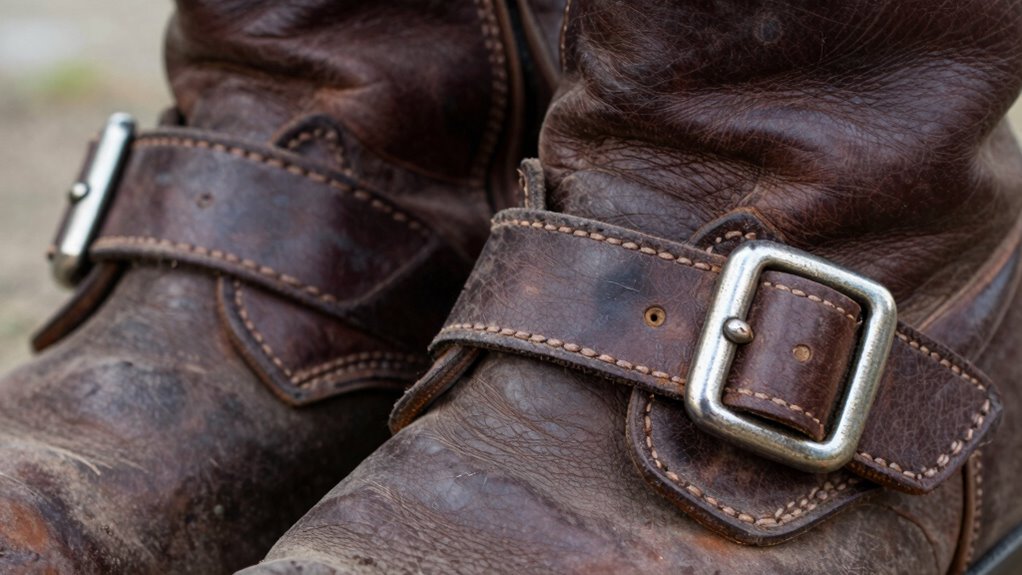
Choosing the right replacement buckle is essential if you want a long-lasting fix for your boots. Focus on durable materials like stainless steel, brass, or high-quality plastic to guarantee longevity. These materials resist corrosion and wear over time, reducing the need for frequent replacements. Pay close attention to buckle design as well; a sturdy, well-constructed design distributes stress evenly and prevents weak points that can cause failure. Look for simple, secure mechanisms like ratchets or solid clasps that stay locked during use. Avoid cheap, flimsy options that may break or slip easily. Investing in a durable, well-designed buckle will save you time and money in the long run, keeping your boots secure and functional through many wears.
Preventative Maintenance Tips to Extend Your Buckle’s Life

To keep your boot buckles functioning smoothly, regular preventative maintenance is key. Proper buckle material selection and staying informed about buckle design innovations can substantially extend their lifespan.
Here are simple tips:
- Clean buckles regularly with mild soap and water to prevent dirt buildup.
- Lubricate moving parts with a light application of silicone spray to reduce friction.
- Inspect for signs of wear or corrosion, especially if your buckle material is metal prone to rust.
Choosing buckles made from durable materials like stainless steel or reinforced plastics can prevent early failure. Staying updated on buckle design innovations helps you select models that resist breaking under stress. Consistent maintenance ensures your buckles stay secure and functional longer.
Troubleshooting Common Buckle Problems and Quick Fixes
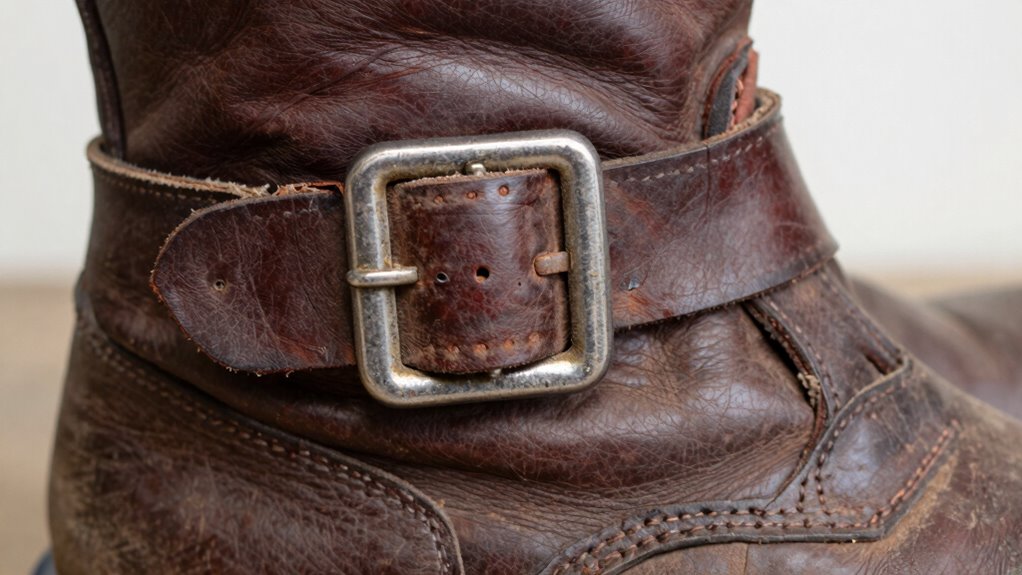
When your buckle starts acting up, it’s important to recognize the common issues that cause failures. You can often fix problems quickly with simple repair techniques, saving you time and money. Regular preventative maintenance helps keep your buckles in top shape and prevents future breakdowns.
Identifying Common Buckle Issues
Buckle issues are often caused by simple, recognizable problems that you can troubleshoot quickly. Common problems include worn-out parts, misalignment, or material fatigue. When inspecting your buckle, look for visible signs of damage or corrosion that may affect durability. You might notice:
- Loose or broken prongs that no longer hold securely
- Bent or misaligned clasp mechanisms
- Cracks or thinning material due to wear and tear
These issues can stem from frequent use, exposure to elements, or outdated fashion trends that prioritize style over longevity. Material durability plays a key role; weaker materials are more prone to failure. Identifying these problems early helps you decide whether a quick fix or replacement is needed to keep your boots secure and stylish.
Simple Repair Techniques
Many common buckle problems can be fixed quickly with simple troubleshooting techniques. First, check the buckle materials for signs of wear or corrosion, especially if they’re made of metal. Clean leather care components gently with a soft cloth to remove dirt or grime that may cause sticking or slipping. If the buckle is loose, tighten screws or rivets with a small screwdriver. For broken clasps or bent parts, carefully bend them back into shape or replace damaged parts. Use this guide to identify issues:
| Problem | Fix |
|---|---|
| Loose buckle | Tighten screws or rivets |
| Corrosion or rust | Clean with mild solution |
| Broken clasp or pin | Replace or repair |
| Stuck or slipping | Lubricate with appropriate oil |
Quick fixes can extend your buckle’s life and improve performance.
Preventative Maintenance Tips
Regular maintenance is key to preventing common buckle issues before they happen. Staying proactive helps you avoid costly repairs and keeps your boots looking on-trend. Consider these tips:
- Regularly check the buckle’s material, choosing durable options that match current fashion trends.
- Clean and lubricate moving parts to prevent rust and ensure smooth operation.
- Inspect for signs of wear, especially if your boots feature trendy embellishments or delicate materials, and replace worn components promptly.
When to Seek Professional Repairs or Upgrades
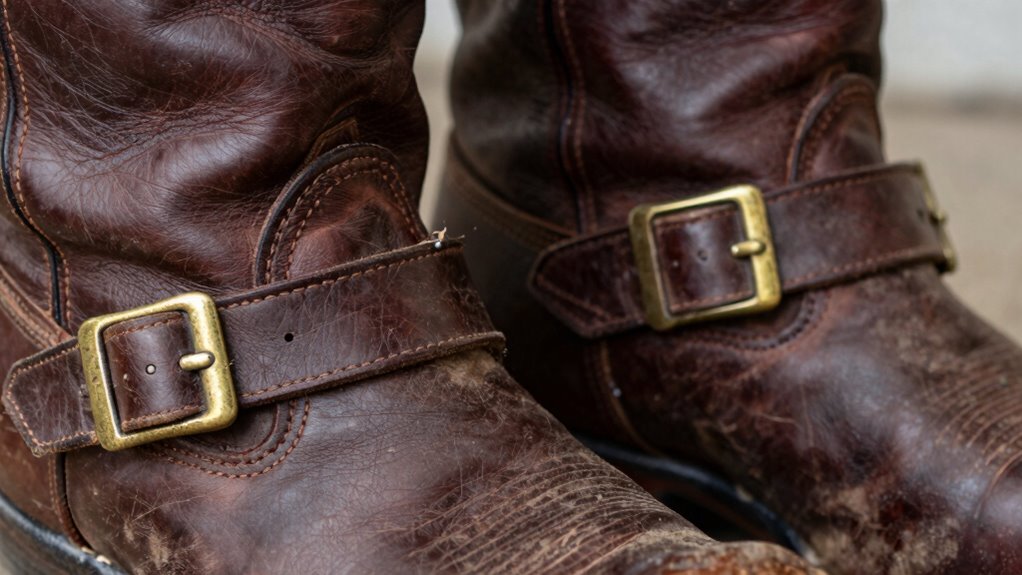
Knowing when to seek professional repairs or upgrades is crucial to guarantee your boots stay secure and safe. If your buckles are repeatedly failing despite regular maintenance, it’s time to consult a specialist. Look out for signs like persistent looseness, broken clasps, or uneven wear that can’t be fixed at home. When considering repairs, keep shopping tips in mind—choose reputable cobblers or repair shops with good reviews. If your style trends evolve or your boots no longer match your wardrobe, upgrading components might be a smart move. Professional repairs ensure the integrity of your buckles and prolong their lifespan. Don’t delay addressing issues—professional intervention can prevent further damage and keep your boots both functional and fashionable.
Final Tips for Keeping Your Boot Buckles in Top Shape
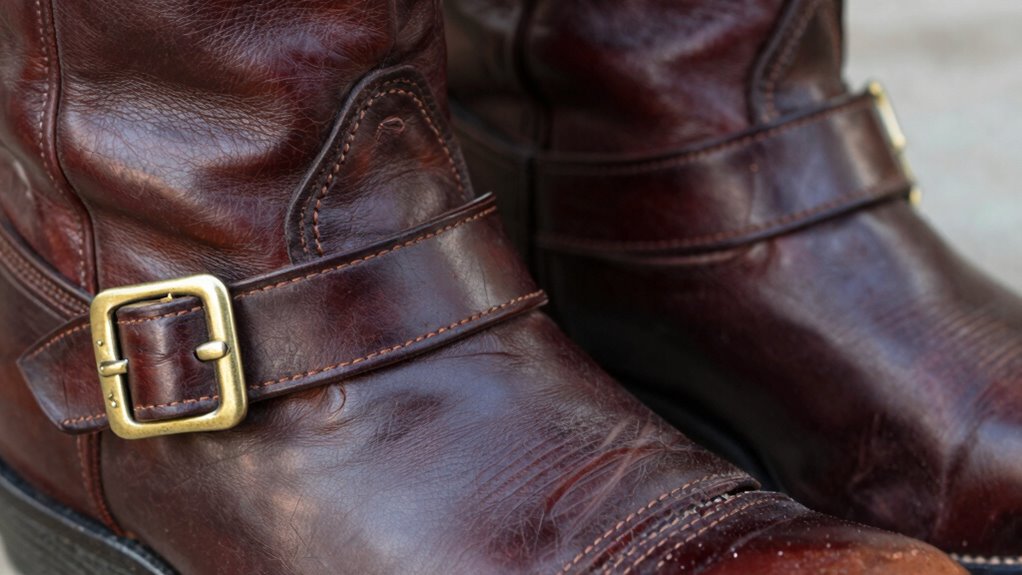
To keep your boot buckles functioning well over time, incorporating simple maintenance habits can make a big difference. Regularly clean the buckles to remove dirt and sweat, preventing corrosion. Applying leather conditioning to the straps maintains flexibility and prevents cracking, especially if your buckle design involves leather components. Additionally, check the hardware for signs of wear or looseness and tighten or replace parts as needed.
Imagine your boots with shiny, well-maintained buckles that smoothly clip and unclip. Think about leather straps that stay supple and resilient. Visualize the buckle design remaining sturdy, without rust or damage, ensuring they last longer. Consistent care keeps your boots looking sharp and functioning flawlessly.
Frequently Asked Questions
What Materials Are Best for Long-Lasting Boot Buckles?
For long-lasting boot buckles, opt for stainless steel or brass, as they resist metal corrosion and stay durable over time. These materials offer the right balance of strength and flexibility, preventing breakage from daily wear. Avoid cheap plastics, which lack flexibility and can crack easily. By choosing high-quality metals, you guarantee your buckles remain functional and stylish, even after extended use.
How Often Should I Perform Maintenance on My Boot Buckles?
You should perform maintenance on your boot buckles at least once a month—more if you wear your boots daily or in harsh conditions. Stick to a regular maintenance schedule and keep a close eye on the buckle inspection frequency to catch any signs of wear early. This proactive approach prevents unexpected failures, saving you from costly repairs and ensuring your boots stay secure and durable for years to come.
Can Weather Conditions Affect the Durability of Boot Buckles?
Weather conditions definitely impact your boot buckles’ durability. Exposure to moisture can cause metal corrosion and rust, weakening the buckles over time. To prevent this, always dry your boots after use in wet conditions and consider applying a rust prevention spray. If you notice rust forming, clean it off promptly and reapply protective coating. Proper care helps extend your buckles’ lifespan despite harsh weather.
Are There Specific Brands Known for Durable Boot Buckles?
Some brands are known for durable boot buckles, thanks to strong brand reputation and positive customer reviews. Look for brands like Sorel, Timberland, or Merrell, which are praised for quality craftsmanship and long-lasting hardware. When choosing, read reviews to see how other customers rate their durability. These brands tend to use high-quality materials that withstand daily wear and weather, reducing the chances of buckles failing over time.
What Are Signs That My Boot Buckle Needs Immediate Replacement?
You’ll want to replace your boot buckle immediately if you notice corrosion or deformation. Corrosion weakens the metal, making it prone to breaking, while buckle deformation indicates structural damage that can compromise support. If your buckle feels loose, sticks, or no longer secures properly, it’s time for a replacement. Ignoring these signs can lead to further damage or loss of your boots’ functionality, so act promptly to maintain safety and durability.
Conclusion
Keep your boot buckles in shape like a trusty compass—guiding you safely through every adventure. Regular inspections and simple maintenance can prevent unexpected failures, much like catching a small leak before it floods. When I neglected mine, I ended up stranded on a trail—lesson learned! Your boots are your loyal companions, so treat their buckles with care, and they’ll keep working just like they should, no matter where your journey takes you.
Fall Picks
fall essentials
As an affiliate, we earn on qualifying purchases.