Your pannier rack won’t suddenly fail if you keep fasteners tight and secure. Loose fasteners often cause failures, resulting from improper mounting, worn components, or low-quality hardware. Regularly check and tighten everything after rough rides or long distances to prevent issues. Using high-quality fasteners and proper techniques adds extra security. If you want to learn more about how to keep your rack stable and safe during rides, keep exploring these tips.

Get business pricing on garage and car supplies
- Business-only prices and quantity discounts
- Tax-exempt purchasing
- Multiple users, one account, clear invoices
Key Takeaways
- Loose fasteners gradually loosen over time due to vibrations, leading to eventual rack failure.
- Regularly inspecting and tightening fasteners prevents initial loosening and maintains secure mounting.
- Using high-quality, properly rated fasteners reduces the risk of loosening or stripping under stress.
- Proper mounting techniques and correct torque application ensure fasteners stay tight during rides.
- Routine maintenance and replacement of worn components help prevent fasteners from becoming loose.
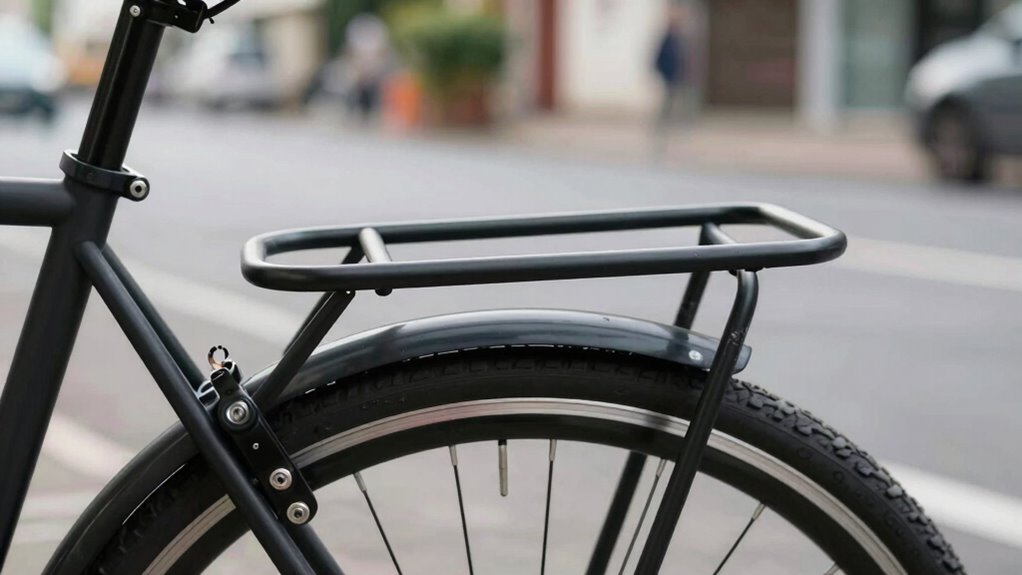
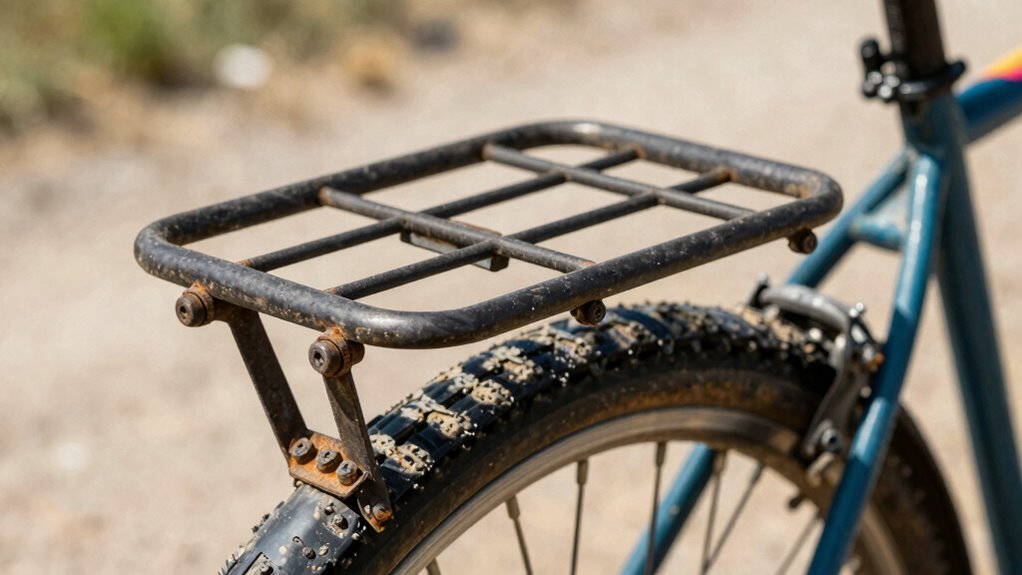
Pannier racks are indispensable for carrying gear on your bike, but loose fasteners can quickly turn a smooth ride into a frustrating experience. When mounting your rack, you might assume that tightening the bolts once is enough, but over time, vibrations from riding can loosen even the most secure fittings. Proper mounting techniques are essential to prevent this. You should regularly check and tighten fasteners, ensuring they’re snug without overtightening, which can strip threads or damage the material. Using thread-locking compounds can add extra security, especially on rough terrains or long-distance rides. These small adjustments can make a significant difference in how well your rack stays attached, preventing surprises when you’re miles from home. Material durability plays a critical role in preventing fastener issues. Many racks are made from aluminum, steel, or composite materials, each with its pros and cons. Aluminum racks are lightweight and resistant to rust but can be more susceptible to fatigue if not properly maintained. Steel racks are robust and durable but heavier and prone to rust if not treated. Composite racks offer lightweight strength but may require more careful handling to avoid cracks or breakage. When choosing a rack, consider not only the weight capacity but also how well the materials will withstand your riding conditions. High-quality materials tend to hold fasteners better over time because they resist deformation and fatigue, reducing the likelihood of loose fittings. Additionally, paying attention to the quality of fasteners is crucial, as using cheap or low-grade bolts and nuts increases the risk of loosening or stripping after repeated use. Investing in high-quality fasteners designed for outdoor use can extend the lifespan of your rack and minimize loosening. Regular inspection of mounting points, especially after long rides or rough terrain, helps you catch any signs of wear early. If you notice any movement or looseness, tighten the fasteners immediately, and if necessary, replace worn components. Ultimately, preventing loose fasteners isn’t just about initial installation; it’s an ongoing process. Applying proper mounting techniques, selecting racks with durable materials, and maintaining your fasteners will keep your gear secure and your rides smooth. Using proper fastening techniques and choosing high-quality fasteners can significantly reduce the chances of loosening over time. Incorporating proper maintenance routines can further enhance the longevity and safety of your setup. Paying attention to fastener quality can also help prevent issues caused by material fatigue or poor manufacturing. When you’re diligent about these details, your bike’s rack will perform reliably, whether you’re commuting, touring, or exploring off-road trails.
As an affiliate, we earn on qualifying purchases.
Frequently Asked Questions
How Often Should I Check My Pannier Rack Fasteners?
You should check your pannier rack fasteners before each mountain biking trip and periodically during long rides, especially if you’re carrying hydration systems or heavy gear. Regularly inspecting guarantees the fasteners stay tight and secure, preventing potential failures. This habit keeps your gear safe and your focus on the trail, rather than worrying about loose racks. Staying vigilant about fastener checks helps you enjoy your ride with confidence and safety.
Are Certain Pannier Rack Brands More Prone to Loose Fasteners?
Think of your pannier rack as a trusted partner—some brands, like those with a reputation for quality, are less prone to loose fasteners. Brands known for solid material durability tend to hold up better over time, reducing the risk of issues. While no brand is perfect, choosing reputable names can give you peace of mind, especially if you regularly check and tighten fasteners. Your bike’s stability depends on it.
What Tools Are Best for Tightening Pannier Rack Fasteners?
You should use a hex wrench or Allen key for tightening pannier rack fasteners, as they’re common for most fastener types on racks. Make certain your tools are well-maintained to avoid slipping or stripping fasteners. Regular tool maintenance ensures a proper fit, making tightening easier. Always check the fastener type before tightening, and use the appropriate tool to prevent damage and ensure secure, lasting attachment of your pannier rack.
Can Loose Fasteners Cause Damage to My Bike?
Loose fasteners can definitely cause damage to your bike. They can put stress on your bike frame, leading to cracks or deformities, and accelerate component wear, making parts break down faster. When fasteners aren’t tight, vibrations and movement increase, risking damage to sensitive components. Regularly checking and tightening fasteners helps protect your bike, ensuring your frame stays intact and components last longer, keeping you safe and riding smoothly.
Are There Preventive Measures to Avoid Fastener Loosening?
Yes, you can prevent fastener loosening through regular preventive maintenance. Make it a habit to perform fastener inspection before every ride, tightening any loose screws or bolts. Use the appropriate tools and thread-locking compounds when necessary. By staying proactive and checking fasteners regularly, you reduce the risk of pannier rack failure and potential damage to your bike, ensuring safer and smoother rides.
Conclusion
Next time you notice your pannier rack wobbling or making noise, check those fasteners first—they’re often the culprit. Imagine a cyclist on a weekend ride, suddenly losing their bag because a loose bolt gave way. Regularly tightening those fasteners can save you from unexpected mishaps and costly repairs. Keep a small tool kit handy, and make quick inspections part of your routine. Trust me, a little attention now can prevent a big headache later.
Fall Picks
fall essentials
As an affiliate, we earn on qualifying purchases.