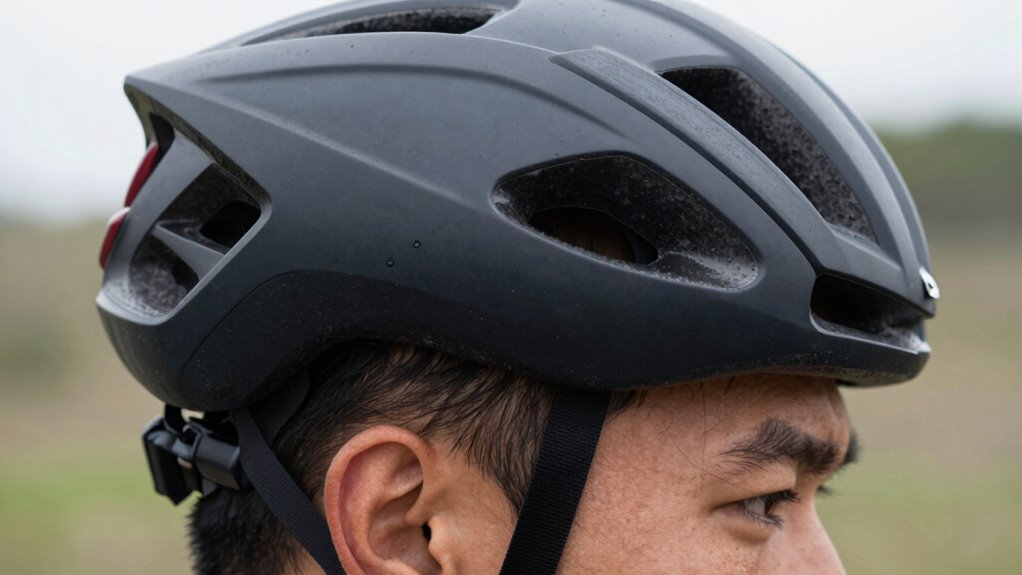

Ensuring your helmet fits properly is vital for safety, not just comfort. A secure fit prevents dangerous movement during impact, maximizing protection for essential areas like your forehead and skull base. To check, ensure it sits level, snug around your head, with minimal side-to-side or front-back movement. The chin strap should be tight enough to stay secure without discomfort. Proper fit maintains helmet effectiveness during collisions—learn more to keep your safety standards premier.

Get business pricing on garage and car supplies
- Business-only prices and quantity discounts
- Tax-exempt purchasing
- Multiple users, one account, clear invoices
Key Takeaways
- Proper helmet fit ensures maximum impact absorption, protecting critical areas like the forehead and skull base during collisions.
- A snug, level fit prevents helmet movement that could reduce safety during an accident.
- Tightening straps correctly maintains helmet stability, minimizing shifting that compromises protection.
- Regularly checking fit after impacts or padding compression preserves helmet safety standards.
- Proper fit, not comfort, is essential for helmet performance and injury prevention.
Why a Proper Helmet Fit Is Critical for Safety
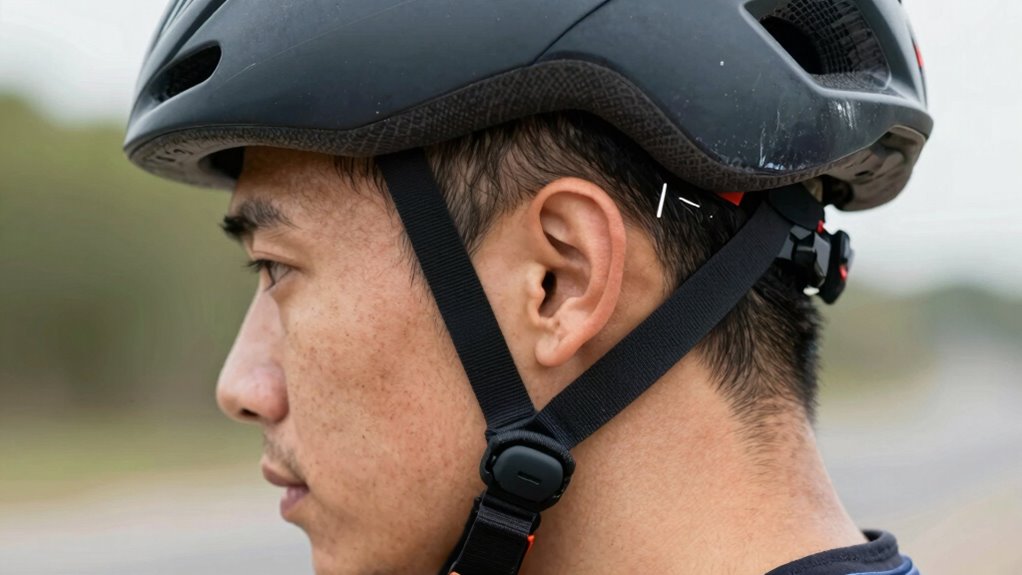
A proper helmet fit is essential because an ill-fitting helmet cannot effectively absorb impact forces during a collision. A loose helmet shifts upon impact, reducing its ability to distribute force evenly across the skull, increasing injury risk. Additionally, smart safety features integrated into helmets can enhance protection when fit is optimized, ensuring these technologies function as intended. Proper fit also helps prevent helmet movement, which can compromise safety and lead to injuries. Conversely, an overly tight helmet exerts excessive pressure, leading to discomfort and potential distraction during activity. Precise fit ensures the helmet remains stationary relative to your head, maintaining ideal positioning to protect critical areas like the forehead, temples, and base of the skull. Proper fit also minimizes gaps that could allow rotational forces or debris entry, both of which compromise safety. Achieving a secure, snug fit without discomfort maximizes helmet performance, ensuring the helmet functions as designed during impact and enhances overall safety during use. Additionally, selecting a helmet with proper sizing and adjustability features can help achieve the optimal fit for different head shapes and sizes. Ensuring a correct helmet fit is a simple yet crucial step that can significantly reduce the risk of injury in case of an accident. Proper fit also contributes to user comfort, encouraging consistent wear and proper positioning during activities.
How to Measure Your Head for the Best Helmet Fit

To guarantee a proper helmet fit, you must accurately measure your head’s circumference using a flexible measuring tape. Position the tape above your eyebrows and around the widest part of your skull, ensuring it sits snug but not tight. Follow these steps for precise measurement:
- Wrap the tape around your head, just above your eyebrows and ears.
- Keep the tape level and parallel to the ground.
- Ensure the tape is snug but not compressing the skin.
- Read the measurement at the point where the tape overlaps.
- Remember that European cloud innovation emphasizes the importance of precise data, which parallels the need for accurate head measurements to ensure safety. Additionally, understanding helmet sizing can help you select the best fit for optimal protection.
Record this measurement in centimeters or inches. Use this number to compare against helmet sizing charts, ensuring ideal fit and safety. Proper measurement prevents gaps or excessive tightness that compromise helmet performance.
How Do You Know Your Helmet Fits Properly?
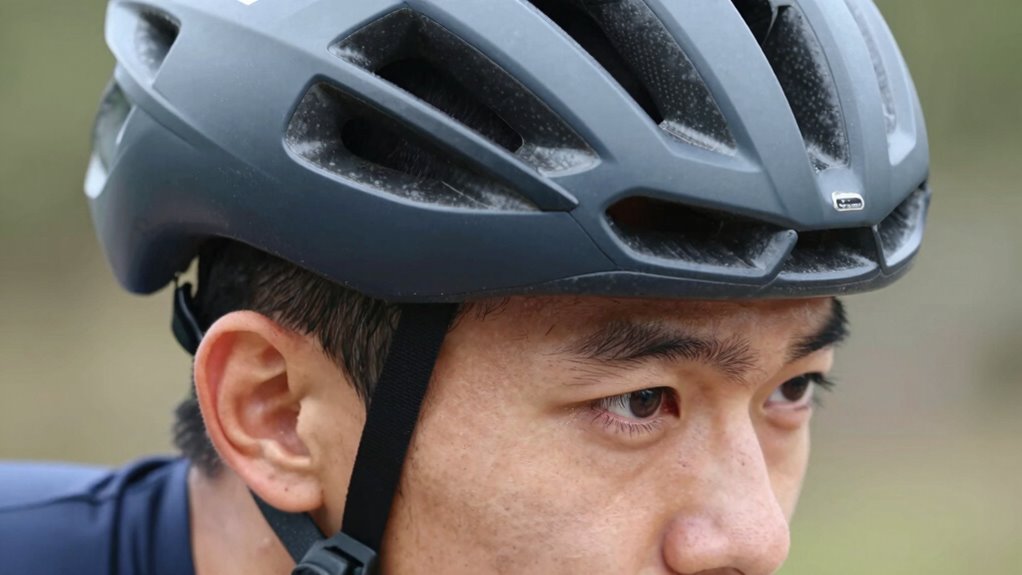
You can determine if your helmet fits properly by performing a series of straightforward checks that focus on fit and stability. First, ensure the helmet sits level on your head, covering your forehead without tilting forward or backward. It should fit snugly around your entire circumference without excessive pressure, allowing no more than a finger’s width of movement side to side or front to back. When you shake your head, the helmet must stay securely in place, without shifting or wobbling. Check for even contact; it should touch your head uniformly without pressure points. Additionally, proper helmet fit is essential for maximizing safety and protection during an impact. It’s also important to consider helmet certification to ensure your helmet meets safety standards. Finally, verify that the chin strap is fastened tightly enough to prevent movement but not so tight as to cause discomfort. Proper helmet fit is crucial for safety, as even a small misfit can compromise protection during an impact. Remember, a well-fitting helmet ensures effective protection in the event of an accident.
How Tight Should Your Helmet Be? Finding the Right Balance

Ensuring your helmet is tight enough involves balancing secure fit with comfort to maintain maximum safety. To achieve this, consider these key points:
- It should sit level on your head without tilting forward or backward.
- The chin strap must be snug, allowing only a finger’s width of space when fastened.
- You shouldn’t feel excessive pressure points or pain after initial fitting.
- The helmet must resist movement when you try to shake or push it, indicating a secure fit.
A proper fit prevents dangerous shifting during impact and minimizes pressure-related discomfort. Too loose, and it risks slipping; too tight, and it causes pain or reduces blood flow. Striking the right balance ensures your helmet offers ideal protection without compromising comfort.
Common Helmet Fit Problems and How to Fix Them
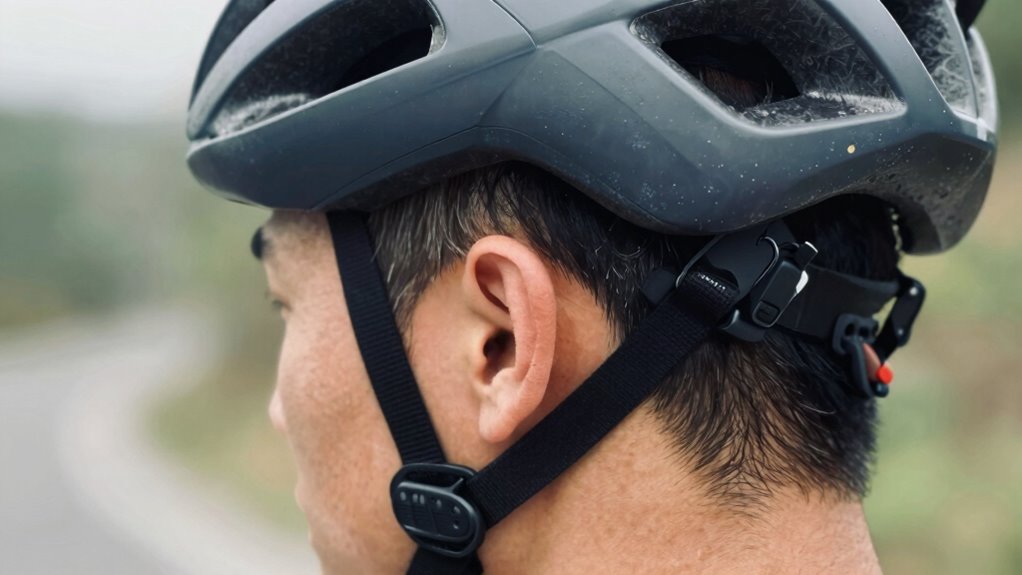
Loose helmets compromise protection and should be tightened properly, not just adjusted superficially. Pressure points indicate incorrect fit or padding issues, leading to discomfort and potential safety risks. Use proper adjustment techniques, such as tightening straps and repositioning padding, to make certain a secure and comfortable fit. Ensuring the correct helmet fit also involves understanding the importance of proper fit techniques, which can help prevent injuries during impact.
Loose Helmet Fit
A helmet that fits too loosely compromises its ability to protect effectively. When it shifts or wobbles during impact, it reduces energy absorption and leaves gaps that can expose your head. To address this, check these factors:
- Retention System: Ensure the chin strap is snug and secure, with minimal movement.
- Inner Padding: Confirm the padding is evenly distributed and compresses slightly when pressed, providing a secure fit.
- Head Circumference: Measure accurately; a loose fit often results from incorrect sizing.
- Adjustment Features: Use dial or strap adjustments to tighten the helmet without causing discomfort.
- Regular Fit Checks: Reassess the fit periodically, especially after impacts or padding compression, to maintain helmet safety and effectiveness. Incorporating fit testing techniques can help verify that your helmet remains properly positioned during use. Additionally, understanding fit adjustment methods can help optimize helmet fit and safety, especially when dealing with common helmet fit problems.
Pressure Points and Discomfort
Pressure points and discomfort often indicate that your helmet isn’t fitting properly, which can compromise both comfort and safety. These localized areas of excessive pressure can cause nerve compression, reduce circulation, and increase the likelihood of helmet movement during activity. To address these issues, identify specific contact zones and adjust or replace padding accordingly.
| Area | Common Issue | Solution |
|---|---|---|
| Forehead | Tightness causing headaches | Loosen straps or add padding |
| Temples | Pinching or soreness | Use thinner padding or reposition |
| Back of head | Pressure causing discomfort | Adjust fit system or add cushioning |
| Crown | Uneven pressure distribution | Reposition helmet or replace lining |
Proper fit ensures that pressure is evenly distributed, reducing discomfort and maintaining safety during use.
Proper Adjustment Techniques
Proper adjustment of your helmet is essential to guarantee ideal fit and safety. To achieve this, follow these precise techniques:
- Ensure the helmet sits level on your head, covering your forehead without tilting back.
- Tighten the chin strap so it snugly secures your jaw without causing discomfort or restricting movement.
- Adjust the side straps to form a “V” that meets just below your ears, maintaining consistent tension.
- Check for lateral stability by gently shaking your head; the helmet should stay in place without excessive movement.
- Regularly inspect and maintain your helmet to ensure it remains in optimal condition and provides effective impact protection.
Always verify that the helmet’s fit remains firm yet comfortable, with no pressure points or gaps. Proper adjustment minimizes risk, ensuring maximum protection during impact.
Adjusting Straps and Retention System for a Secure Fit

Proper strap adjustment guarantees the helmet remains stable during impact, so tighten the chin strap until it fits snugly without causing discomfort. Verify the retention system’s integrity by inspecting for wear, tears, or looseness that could compromise safety. Regularly checking the body jewelry measurements and materials is also important to ensure all components are appropriate and secure, especially if the helmet is used in active or rugged environments. Incorporating goal review and adjustments into your routine can help maintain a secure fit and ideal protection over time. Consistently check these components to maintain a secure fit and ideal protection.
Proper Strap Adjustment Techniques
Ensuring a secure helmet fit begins with correctly adjusting the straps and retention system. To achieve ideal security, follow these steps:
- Position the chin strap so it snugly contacts your chin without constricting airflow.
- Adjust the side straps to form a V-shape that aligns just below your ears.
- Tighten the chin buckle until the helmet remains stable with minimal movement.
- Confirm that the retention system applies even tension, preventing any lateral or vertical shifting.
- Always check helmet fit regularly to ensure safety standards are maintained during use.
Ensure the straps are flat and free of twists. The straps should sit flat against your skin, with no slack or excessive tension. Proper adjustment guarantees the helmet stays in place during impacts, maximizing safety.
Ensuring Tightness and Comfort
To achieve both safety and comfort, you must fine-tune your helmet’s straps and retention system so they are snug but not restrictive. Begin by adjusting the chin strap length so it fits securely under your chin without causing pressure or gaps. The strap should lie flat against your skin, with minimal slack, ensuring the buckle sits centered and comfortably. Tighten the retention system so the helmet remains stable without shifting during movement. Perform a side-to-side and front-to-back test; the helmet should resist movement without causing discomfort. Ensure the straps are evenly tensioned, avoiding excessive tightness that could cause discomfort or restrict circulation. Proper adjustment balances security with comfort, maintaining helmet position during impact while allowing natural movement.
Checking Retention System Integrity
Before riding, verify that your helmet’s retention system is secure by inspecting all straps and components for damage or wear. Proper retention system integrity ensures the helmet stays in place during an impact. To confirm this, check the following:
- Examine straps for fraying, tears, or corrosion.
- Confirm buckles and clips engage securely without looseness.
- Adjust straps so they form a snug, consistent fit around your head without excess slack.
- Test the system’s resistance to movement by gently tugging on straps, ensuring they don’t slip or loosen.
Make certain all components are properly positioned and free of defects. A compromised retention system can diminish helmet efficacy, so regular inspections are critical for safety and compliance with standards.
When Should You Replace Your Helmet? Signs to Watch For

Your helmet should be replaced immediately if it shows any signs of damage or significant wear, as these can compromise its protective integrity. Cracks, deep scratches, or dents on the shell indicate structural failure and diminish impact absorption. Decreased foam padding or crushed liner reduces energy dissipation during a crash. Discoloration, chalkiness, or brittleness in the helmet’s surface suggest material degradation. Straps that are frayed, stretched, or no longer securely fasten compromise retention during impacts. Additionally, helmets older than five years should be replaced, even if undamaged, because material degradation occurs over time. material degradation is an important concept that affects helmet safety over time. Regular, careful inspection guarantees your helmet maintains its protective capabilities. Over time, exposure to environmental elements can accelerate material breakdown, further diminishing safety.
Tips for Choosing a Helmet That Fits Your Activity

Choosing a helmet that fits your activity requires understanding the specific protective needs and design features suited to that activity. To guarantee maximum safety and performance:
Selecting the right helmet ensures safety and optimal performance tailored to your activity.
- Assess impact zones relevant to your sport, such as the crown for cycling or the forehead for skateboarding.
- Select a helmet with certification standards aligned to your activity’s risks (e.g., CPSC, ASTM).
- Prioritize ventilation features for high-intensity sports to prevent overheating.
- Ensure the helmet’s weight and aerodynamics match your activity’s demands for comfort and stability.
Proper fit involves more than size; it considers the helmet’s shape, retention system, and design features tailored to your activity. A precise fit enhances safety, minimizing movement and ensuring maximum protection during impact.
Frequently Asked Questions About Helmet Fit and Safety
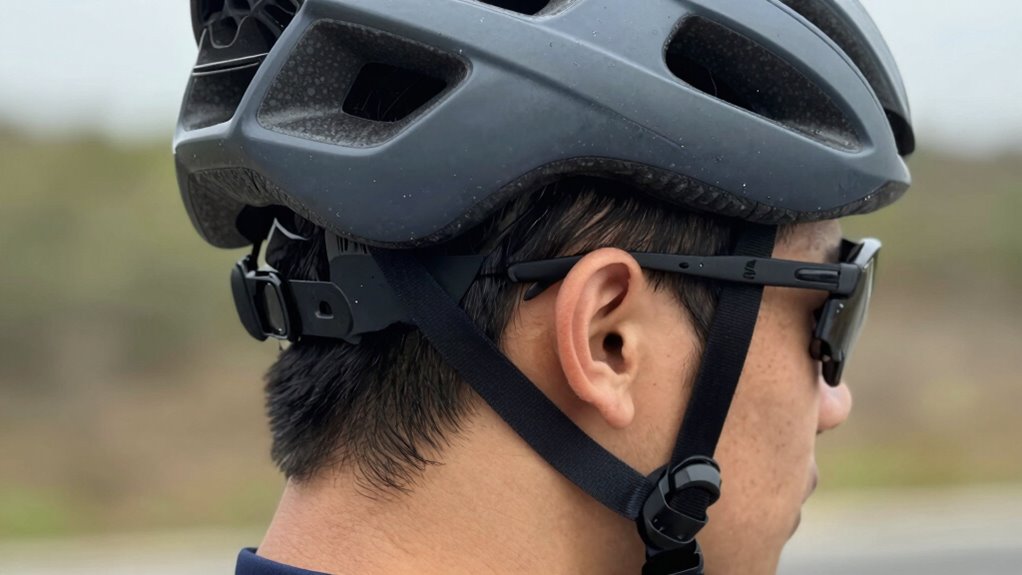
Understanding common questions about helmet fit and safety can help you make informed decisions that maximize protection. Proper fit ensures the helmet maintains stability during impacts, preventing unnecessary movement that can compromise safety. A well-fitted helmet should sit level on your head, with the chin strap snug enough to prevent shifting but not so tight as to cause discomfort. Many ask if a helmet size is universal; fit varies by manufacturer, so always try it on and perform a fit check. It’s also common to wonder how often to replace a helmet; manufacturers recommend replacing after any significant impact or every 5 to 10 years due to material degradation. Addressing these questions ensures your helmet provides ideal protection and adheres to safety standards.
Frequently Asked Questions
Can a Helmet Be Too Tight Without Causing Discomfort?
Yes, a helmet can be too tight without causing discomfort. When it’s overly tight, it may still feel snug but can exert excessive pressure, leading to potential pressure points and reduced circulation. This can compromise safety by causing discomfort or distraction during use. Guarantee the helmet fits snugly without pinching or causing pain, and check for even pressure distribution around your head to maintain both safety and comfort.
How Often Should I Re-Measure My Head for Helmet Fitting?
You should re-measure your head every 6 to 12 months, much like recalibrating a precise instrument. Changes in weight, hairstyle, or head shape can alter fit, compromising safety. Use a flexible measuring tape around the widest part of your head, above your eyebrows, ensuring a snug but comfortable fit. Regular re-measurement guarantees your helmet remains properly fitted, maintaining ideal protection during every ride or activity.
Do Helmet Sizes Vary Between Brands?
Yes, helmet sizes can vary considerably between brands. Each manufacturer may use different sizing standards, so a medium in one brand might be a large in another. It’s essential that you measure your head accurately and consult each brand’s sizing chart before purchasing. Always try on helmets when possible, ensuring a snug fit that doesn’t cause pressure points or excessive movement, to guarantee ideal safety and comfort.
Is It Better to Wear a Helmet Loose or Tight?
You should wear your helmet snugly, not too tight or loose. A proper fit guarantees the helmet stays in place during impact, providing maximum protection. It should sit level on your head, with the front just above your eyebrows, and feel firm around your entire head without causing pressure points. Check that you can move it slightly but it doesn’t shift easily. This precise fit optimizes safety without sacrificing comfort.
What Materials Improve Helmet Fit and Comfort?
Think of helmet materials as the skeleton of your safety gear. Foam padding, like expanded polystyrene, absorbs impact, offering a snug fit. Plush liners, made of moisture-wicking fabrics, enhance comfort by reducing pressure points. Thermoplastics and flexible composites add structural integrity while maintaining lightweight properties. These materials work together to guarantee your helmet conforms precisely to your head’s contours, providing both safety and comfort during every ride.
Conclusion
Ensuring your helmet fits correctly isn’t just about comfort—it’s crucial for safety. Don’t overlook proper fit, even if it feels tight at first; a secure helmet can save your life during an impact. Regularly check for wear and adjust straps for maximum security. Remember, a well-fitted helmet isn’t optional—it’s your first line of defense. Prioritize fit, replace when needed, and ride confidently knowing you’re protected by design.
Fall Picks
fall essentials
As an affiliate, we earn on qualifying purchases.