
When carrying gas on trails, always store cans upright in cool, ventilated areas, and use impact-resistant containers. Make certain lids are tight and seals intact to prevent leaks or spills. Secure cans properly to your vehicle to avoid movement or tipping. Always handle fueling outdoors in well-ventilated spots, and avoid overfilling to prevent pressure buildup. Managing spills quickly and following environmental rules keeps everyone safe. Stick with these safety tips to ensure a smooth, hazard-free trip—you’ll find more details below.

Get business pricing on garage and car supplies
- Business-only prices and quantity discounts
- Tax-exempt purchasing
- Multiple users, one account, clear invoices
Key Takeaways
- Store fuel cans upright in cool, ventilated, shaded areas to prevent leaks and vapor buildup.
- Secure cans with straps or bungee cords during transport to prevent tipping and movement.
- Use impact-resistant, weatherproof containers with tight seals and proper venting for safe handling.
- Avoid overfilling cans and always tighten caps securely to prevent spills during storage and transit.
- Regularly inspect cans for damage, leaks, and corrosion, and handle spills with proper cleanup procedures.
Why Safe Fuel Storage Is a Must on Trails
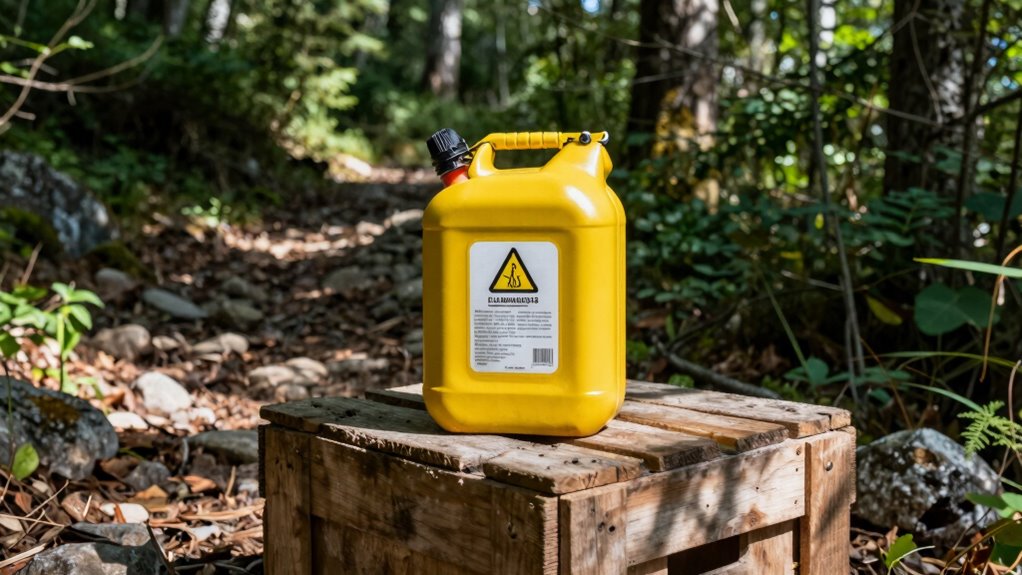
Have you ever considered what could happen if fuel isn’t stored properly on trails? Unsafe fuel storage can lead to dangerous spills, fires, or explosions, putting you and others at risk. Prioritizing fuel safety isn’t just about following common sense; it’s often required by trail regulations designed to protect the environment and public safety. Proper storage helps prevent leaks that could contaminate soil and water sources. Safety and proper fuel storage are essential for minimizing environmental impact and ensuring compliance with regulations. Ignoring trail regulations regarding fuel storage can result in hefty fines or trail closures. Always use approved containers, keep fuel away from heat sources, and secure cans tightly. Additionally, understanding the importance of proper storage techniques in trail safety can help you avoid accidents and environmental harm. Using the right container types designed for fuel storage can further reduce risks. Being aware of fuel compatibility can also prevent chemical reactions that might compromise container integrity. By taking these precautions, you ensure your safety and help preserve the natural beauty of the trail for everyone. Proper fuel storage is a critical part of responsible outdoor recreation.
How to Choose the Right Gas Can for Outdoor Use
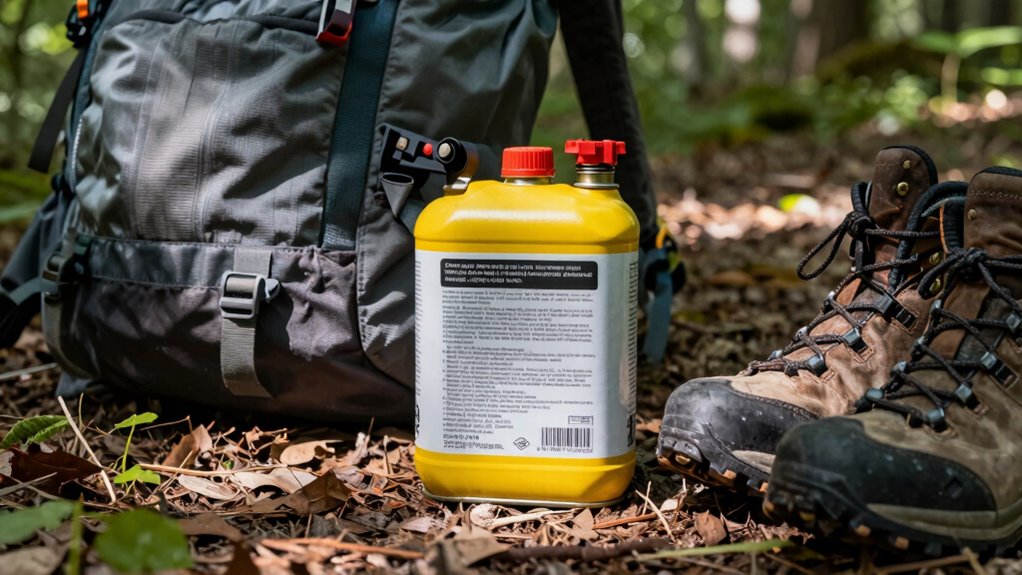
Choosing the right gas can for outdoor use is essential to guarantee safe and efficient fueling on trails. You want a container that’s durable enough to withstand rough conditions and material that resists corrosion and degradation. When selecting a fuel can, consider its durability and material quality—these determine long-term safety and performance. Additionally, selecting a can with impact-resistant shell ensures it can handle accidental drops without damage. Ensuring proper ventilation features can also help prevent pressure buildup during storage or use, further enhancing safety. Moreover, opting for safety certifications can provide additional assurance of the can’s reliability and compliance with safety standards. Proper sealing features guarantee your fuel stays safe, uncontaminated, and ready whenever you need it on outdoor adventures. Incorporating features like spill-proof caps can also minimize the risk of leaks during transportation and use.
Filling and Sealing Gas Cans Safely to Prevent Spills
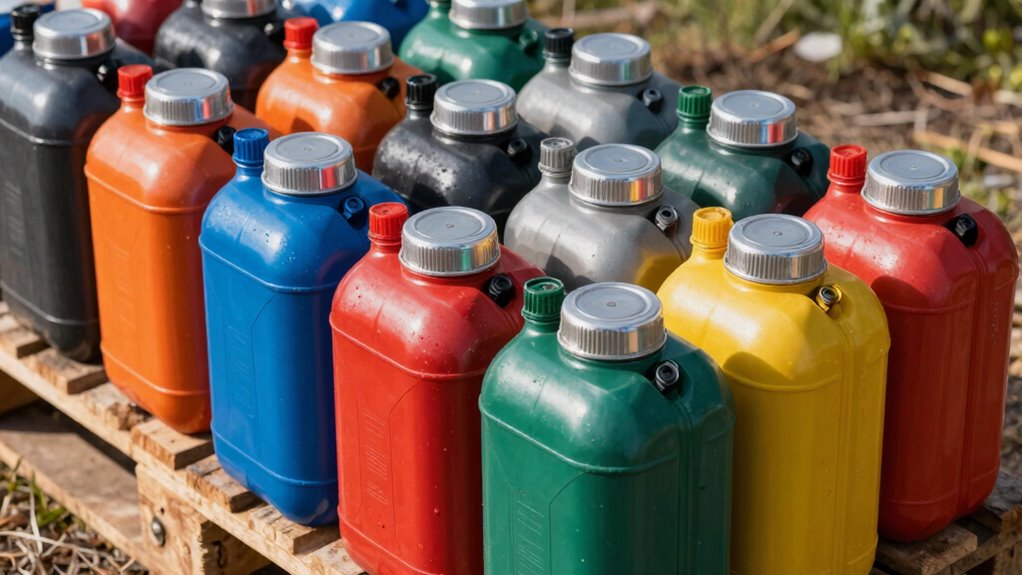
To prevent spills and make certain safety, it’s crucial to fill and seal your gas cans properly. Good fuel can maintenance involves using correct sealing techniques to prevent leaks. Always fill the can outdoors or in a well-ventilated area, avoiding overfilling—leave some space for expansion. Use a funnel to minimize spills, and pour slowly to control flow. After filling, securely tighten the cap, ensuring it’s sealed tightly to prevent leaks during transport. Check the sealing area for cracks or damage regularly and replace damaged cans immediately. Proper sealing not only avoids spills but also reduces vapor release. Regular inspection of sealing areas helps prevent leaks and ensures safety over time. Additionally, using cans made from durable materials can enhance safety and longevity. Remember, a well-maintained, sealed gas can keeps you and the environment safe, especially on rugged trails. Proper filling and sealing are essential steps in safe fuel can maintenance. Maintaining the integrity of the seal also minimizes the risk of vapor buildup, which can be hazardous.
Tips for Transporting Gas Cans Safely on Your Trail Trip
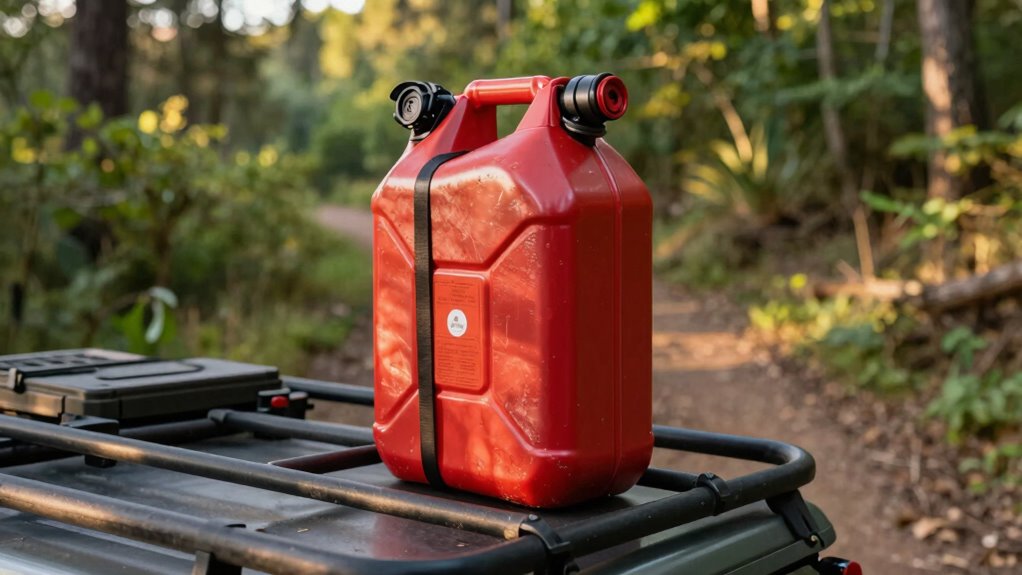
Transporting gas cans safely on your trail trip requires careful planning and proper handling to prevent accidents. Always follow fuel container safety guidelines and adhere to gas can regulations to minimize risks. Choose a well-ventilated, stable area in your vehicle to place the cans, ensuring they won’t tip over or leak. Use approved fuel containers designed for outdoor use, and secure them with straps or bungee cords to keep them steady during transit. Keep gas cans upright, and avoid stacking them or placing them near direct sunlight or heat sources. Never transport open or damaged cans, and double-check that caps are tightly sealed. Regularly inspect your fuel containers for signs of wear or leaks, and clean them according to manufacturer instructions for safe storage. Being aware of proper ventilation practices can help prevent dangerous fumes from building up during transport. Additionally, understanding fuel container safety guidelines can help you identify potential hazards before they become serious. Proper container handling techniques are essential to prevent spills and accidents during transit. To further reduce risks, always store gas cans away from flame sources and other ignition points during your trip. By following these tips, you reduce the chance of spills, leaks, or fire hazards on your trail adventure.
How to Secure Gas Cans During Your Outdoor Adventure
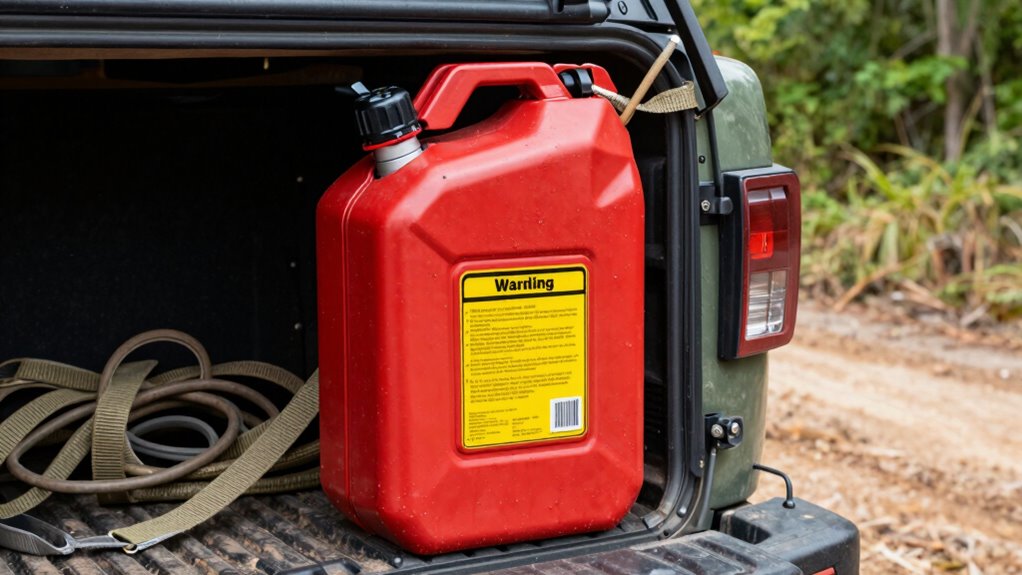
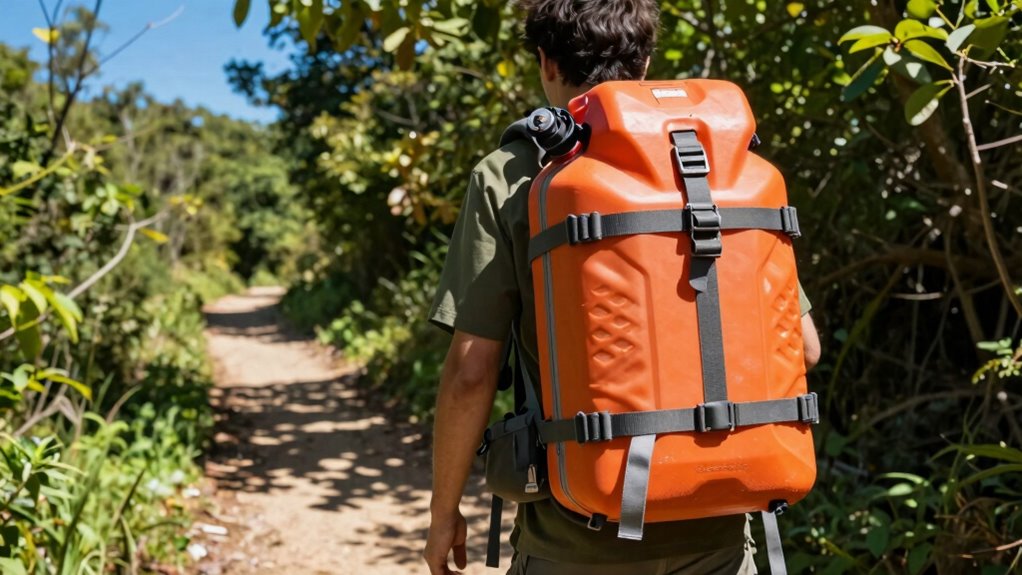
Securing gas cans properly during your outdoor adventure is crucial to prevent accidents and guarantee safety. Use sturdy straps or bungee cords to secure cans tightly to your vehicle or pack. Ensure cans are upright to minimize spillage and check that ventilation tips are clear to prevent pressure buildup. Label importance can’t be overstated—always mark your cans clearly to avoid mix-ups. Keep cans away from heat sources and direct sunlight. The table below highlights key securing tips:
| Tip | Why It Matters | Best Practice |
|---|---|---|
| Secure with straps | Prevents cans from shifting or falling | Use durable straps or bungee cords |
| Keep upright | Reduces spillage and leaks | Position cans vertically |
| Clear ventilation | Avoid pressure hazards | Maintain ventilation tips visible |
| Label clearly | Ensures correct identification | Use waterproof labels |
| Avoid heat sources | Prevents expansion and leaks | Store in cool, shaded areas |
Additionally, proper ventilation is essential to prevent dangerous pressure buildup inside the cans during transit or storage. Ensuring proper ventilation helps to release any built-up gases and maintains safe pressure levels within the containers. Regularly inspecting the ventilation tips can further prevent potential hazards related to pressure buildup.
Managing Gas Cans in Hot or Humid Weather
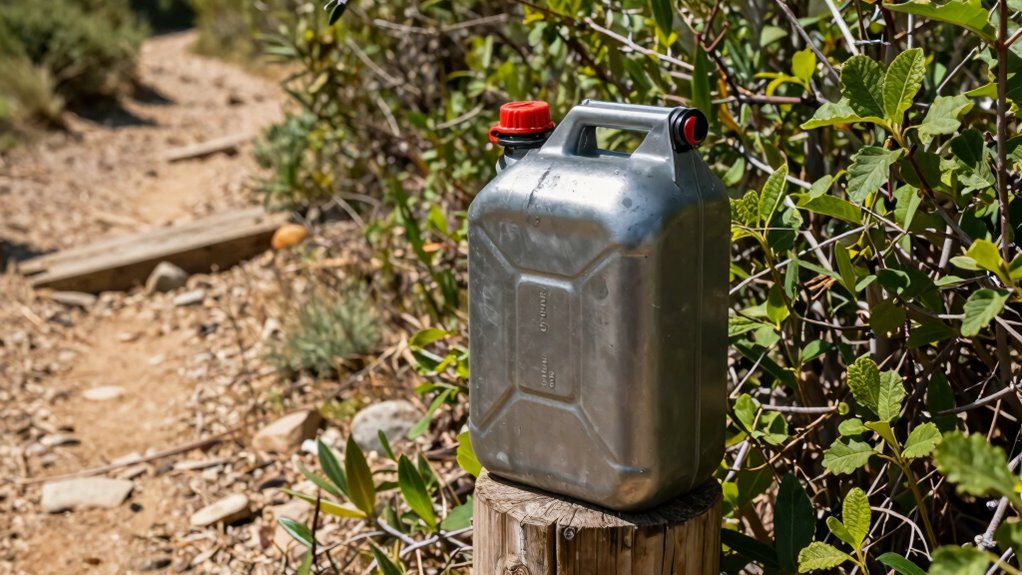
Hot or humid weather can substantially impact your gas cans, increasing the risk of leaks, pressure buildup, and fuel degradation. When temperatures soar or humidity effects intensify, your cans can become dangerous if not managed properly. To stay safe, consider these tips:
Hot and humid weather can cause gas cans to leak, build pressure, and degrade fuel if not properly managed.
- Store cans in a shaded, cool spot to reduce heat exposure.
- Check for pressure buildup regularly; vent cans if needed.
- Avoid overfilling to allow for expansion during heat waves.
- Stay hydrated and watch for signs of heat exhaustion, especially if working outdoors.
- Be aware that venting cans properly helps prevent dangerous pressure accumulation caused by heat. Additionally, understanding how humidity accelerates corrosion can guide you in choosing better storage locations. High temperatures can cause fumes to expand, raising pressure inside the cans. Humidity effects can accelerate corrosion and fuel breakdown. Proper management helps prevent accidents and keeps your fuel in good condition, especially when using corrosion-resistant containers designed for harsh weather conditions.
What You Need to Know About Laws and Environment When Carrying Gas
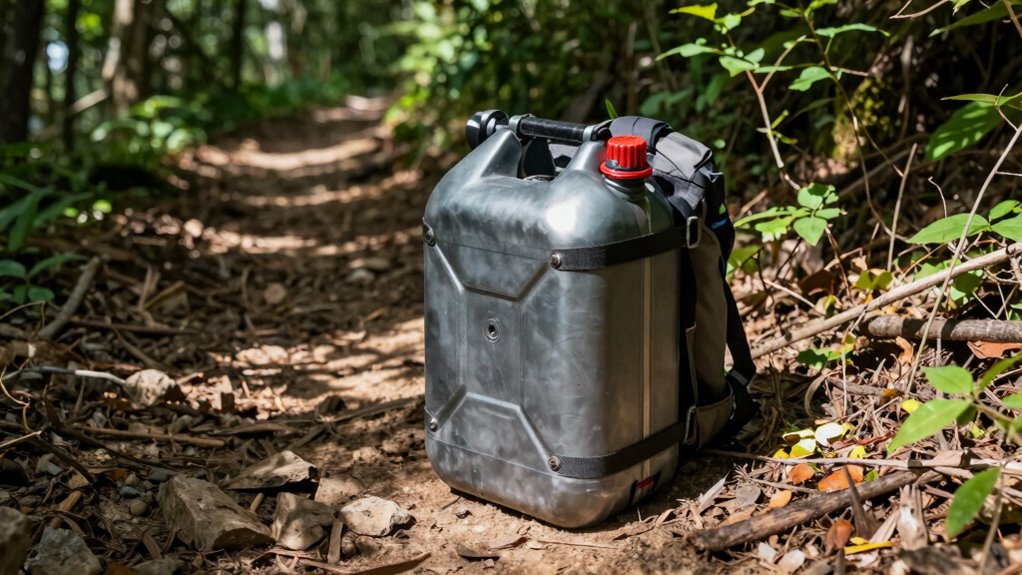
When carrying gas, it’s essential to understand the legal requirements and environmental implications involved. Legal compliance guarantees you follow local, state, and federal regulations regarding fuel transportation. This includes proper labeling, container standards, and restrictions on quantities. Ignoring these laws can lead to fines or safety hazards. Additionally, consider the environmental impact of carrying gas outdoors. Spills or leaks can contaminate soil and waterways, harming wildlife and ecosystems. Always use approved containers designed for fuel transport, and secure them properly to prevent accidents. Being aware of regulations and practicing responsible handling helps protect the environment and keeps you compliant with the law, ensuring a safer and more sustainable outdoor experience.
How to Handle Gas Spills and Leaks in the Outdoors
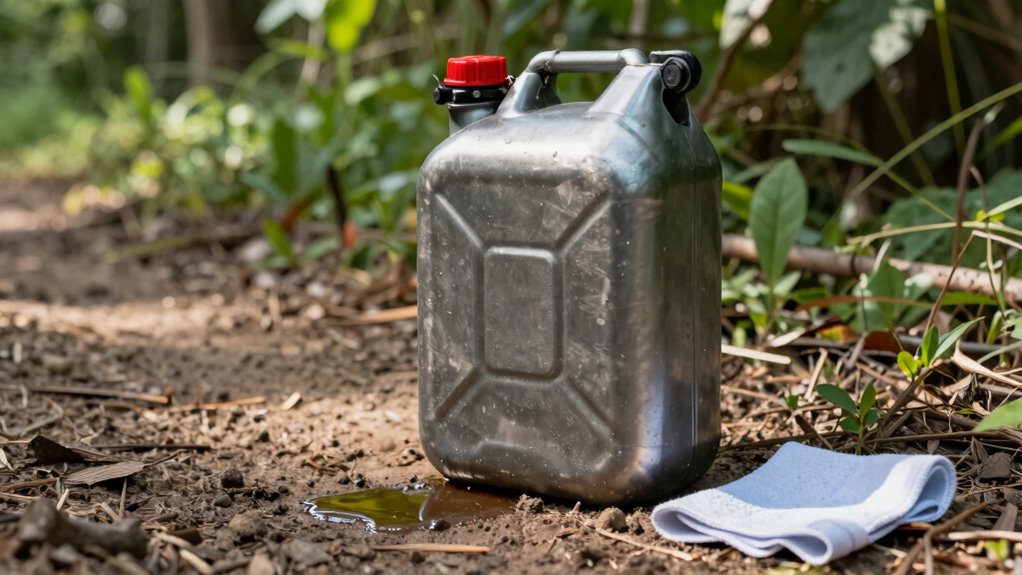
If a gas spill or leak occurs outdoors, quick and careful action can prevent environmental damage and safety hazards. First, ensure your safety by moving away from the spill. Use a spill kit if available to contain and clean up the fuel, avoiding fire hazards. Keep a fire extinguisher nearby in case the fumes ignite. Ventilate the area by opening vents or moving to fresh air. Never attempt to wash the spill with water, as it can spread the fuel. Remember to:
- Use spill kits to absorb and contain the leak
- Keep fire extinguishers ready for potential fires
- Avoid igniting any sparks or flames nearby
- Report the spill to local authorities if necessary
Always prioritize safety, environmental protection, and proper cleanup procedures.
Maintaining and Inspecting Your Fuel Cans Over Time
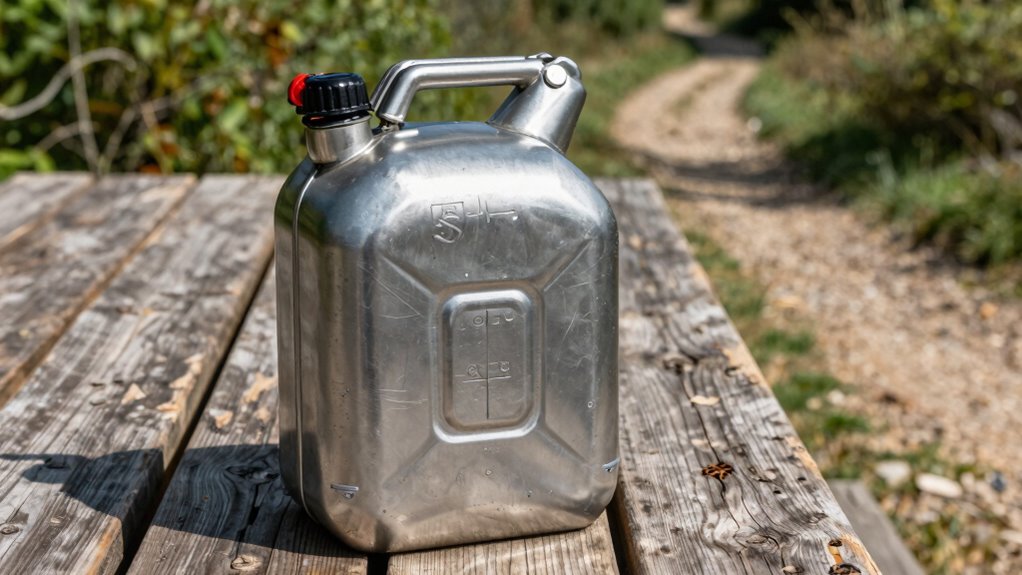
Regularly inspecting and maintaining your fuel cans guarantees they remain safe and effective over time. Implementing consistent inspection routines helps identify corrosion, cracks, or leaks early. Check for any damage or wear that could compromise safety. Keep lids tight and ensure seals are intact to prevent spills. Store cans upright in a cool, ventilated area. Use the following table as a quick reference for fuel can maintenance:
| Inspection Step | What to Look For | Action Needed |
|---|---|---|
| Visual damage check | Cracks, rust, corrosion | Replace or repair if needed |
| Seal inspection | Tightness and integrity | Reseal or replace if loose |
| Vent cap condition | Blockages or damage | Clean or replace |
| Leak test | Signs of leaking | Tighten fittings or replace |
| Overall condition | General wear and tear | Schedule replacement if necessary |
Frequently Asked Questions
Can I Carry Fuel Cans on Passenger Aircraft for Trail Trips?
You can’t carry fuel cans on passenger aircraft due to strict aircraft fuel regulations and passenger aircraft restrictions. Airlines and the TSA prohibit transporting flammable liquids like gasoline in checked or carry-on luggage. If you need fuel for trail trips, consider shipping it separately through specialized carriers or purchasing fuel at your destination. Always check with your airline beforehand to confirm their policies and guarantee safety regulations are adhered to.
What Are the Best Practices for Disposing of Empty Gas Cans?
When disposing of empty gas cans, you should always follow proper disposal procedures. First, make certain the cans are completely empty and free of fumes. Then, take them to a recycling program that accepts metal or plastic containers. Never throw them in regular trash, as they can be hazardous. Proper disposal and recycling programs help keep the environment safe and prevent potential fire hazards.
Are There Specific Labels or Markings Required on Fuel Cans?
You need to follow specific marking requirements on fuel cans, guaranteeing they have clear fuel can labels indicating their contents and hazards. These marking requirements help prevent accidents and ensure proper handling. Look for labels that include the type of fuel, safety warnings, and compatibility symbols. Properly labeled cans improve safety on trails, making it easier to identify contents quickly and handle them responsibly in case of emergencies or disposal.
How Do I Prevent Vapor Buildup Inside My Gas Can?
To prevent vapor buildup inside your gas can, you should use proper ventilation techniques by ensuring the container has a venting system that allows gases to escape safely. Additionally, line your can with vapor barrier materials that reduce vapor pressure and prevent leaks. Always store the can in a well-ventilated area, and avoid sealing it tightly after filling. Regularly check for signs of pressure buildup to stay safe.
What Safety Gear Should I Use When Handling Fuel Cans Outdoors?
Did you know that handling fuel outdoors accounts for over 30% of fire-related accidents? When you handle gas cans, always wear fire-resistant gloves to protect your hands and eye protection to guard against splashes. These safety gear essentials help prevent burns and injuries. Stay vigilant, use the right gear, and follow safety protocols to make sure your outdoor fuel handling remains safe and accident-free.
Conclusion
Think of your fuel can as a trusted companion on the trail—ready to keep your adventure fueled but needing care to stay safe. By following these rules, you protect yourself and the environment, ensuring your journey remains smooth and worry-free. Treat your gas can with respect, like tending a delicate flame, so it doesn’t become a dangerous blaze. Stay vigilant, stay safe, and enjoy every mile with confidence.
Halloween Picks
halloween
As an affiliate, we earn on qualifying purchases.