To avoid damage during mud riding, follow a meticulous cleaning routine that includes using appropriate tools like soft brushes and plastic scrapers to gently remove debris. Rinse thoroughly with a high-pressure washer at an angle, avoiding direct contact with bearings. Dry completely with compressed air or microfiber cloths, then apply water-resistant grease to protect seals and rollers. Regular inspections and proper lubrication prolong bearing life—continue on to learn how to perfect this essential maintenance process.
Key Takeaways
- Use gentle cleaning tools like soft brushes and plastic scrapers to remove mud without damaging seals or bearings.
- Rinse thoroughly with controlled water pressure, avoiding direct high-pressure water on bearings to prevent water ingress.
- Dry components completely with compressed air or microfiber cloths, and allow air drying in a warm, ventilated area.
- Apply high-quality, water-resistant grease evenly to raceways and rollers after cleaning to protect against moisture.
- Inspect seals regularly for damage, re-lubricate as needed, and store the ATV in a dry, covered environment to prolong bearing life.
Why Cleaning Protects Your Polaris Bearings

Cleaning your Polaris bearings regularly is essential because accumulated dirt, mud, and debris can lead to corrosion and abrasive wear, considerably reducing their lifespan. Dirt particles contain abrasive grit that, when trapped between the bearing surfaces, accelerate material loss through micro-cutting. Moisture from mud fosters rust formation, weakening the bearing’s structural integrity. Additionally, residues such as clay or silt can embed within the bearing’s races and rollers, hindering smooth rotation and increasing resistance. If neglected, these contaminants cause uneven load distribution, leading to premature bearing failure. Proper cleaning removes these harmful substances, preventing corrosion and abrasive damage. This maintenance ensures consistent performance, minimizes friction, and extends service life, safeguarding your Polaris’s drivetrain components from costly repairs and downtime. Regular maintenance also supports the use of essential oils that can help prevent microbial growth and corrosion inside the bearings. Incorporating preventive maintenance practices can further enhance the durability and reliability of your bearings over time. For optimal protection, consider applying lubrication techniques that are suitable for mud-riding conditions to further reduce wear and tear.
Choose the Right Tools for Muddy Trails
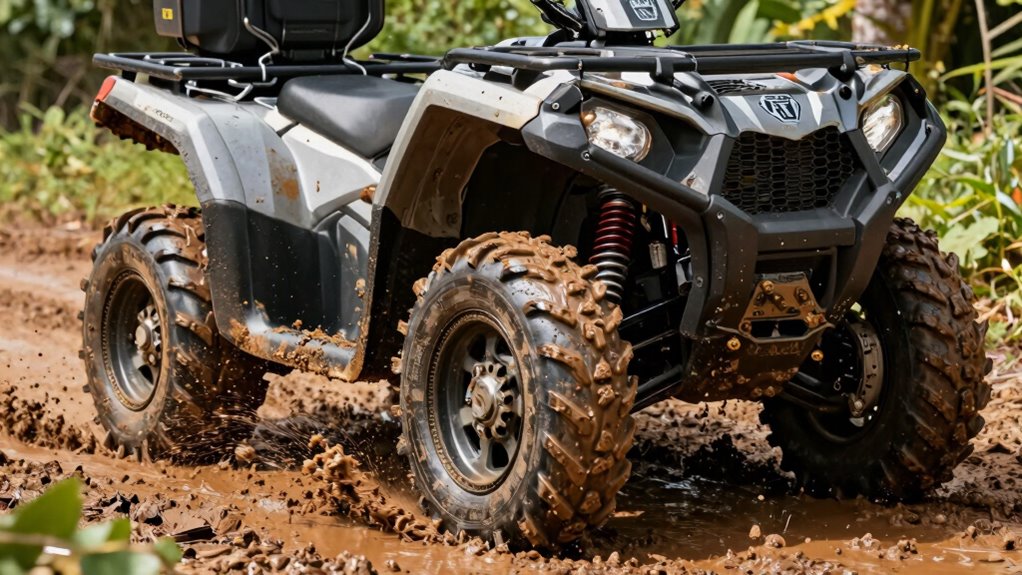
Selecting the appropriate tools is essential for effectively removing mud and debris without damaging your Polaris components. Use stiff-bristled brushes designed for heavy-duty cleaning to dislodge stubborn mud without scratching surfaces. Soft microfiber cloths are ideal for delicate areas and finishing touches, preventing abrasions. A high-pressure washer with adjustable nozzles ensures thorough removal of mud from hard-to-reach spots, but avoid direct spray on sensitive bearings and seals. Plastic scrapers can gently lift caked-on mud without scratching. Keep metal tools away from painted or plastic surfaces to prevent scratching or gouging. Specialized cleaning brushes with angled heads improve access to tight spaces. Always select tools that match the component’s material and sensitivity, ensuring efficient cleaning that preserves your Polaris’s integrity. Additionally, understanding proper navigation and mapping techniques can help target trouble spots more effectively during maintenance. Proper tool selection based on material compatibility can further reduce the risk of damage during cleaning. Being mindful of component sensitivity is crucial to avoid unnecessary wear or harm during the cleaning process. Incorporating vetted cleaning products can also enhance the effectiveness while protecting delicate parts. Being aware of common pitfalls during cleaning can help prevent accidental damage and prolong the life of your ATV parts.
The Step-by-Step Polaris Mud Riding Cleaning Routine
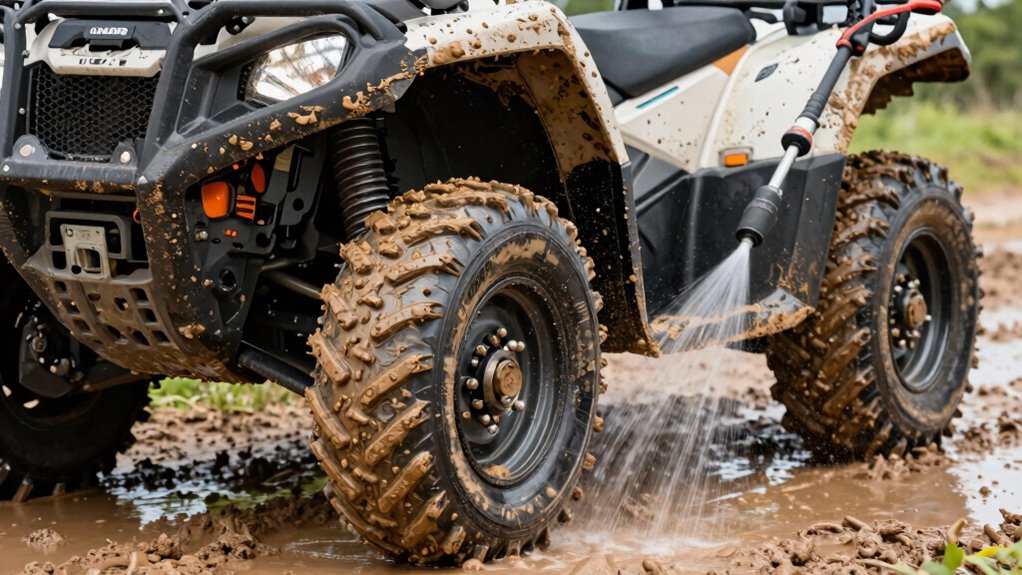
After rinsing, dry the ATV with compressed air or clean microfiber cloths to prevent moisture retention, especially around joints and fittings. Using proper drying techniques helps ensure no moisture remains that could lead to corrosion or damage over time. Additionally, applying lubricants to moving parts after cleaning helps protect bearings from pressure and contaminants. You can also consider free floating methods to prevent water from settling in hard-to-reach areas, further safeguarding your ATV’s components. Incorporating moisture management practices can be especially beneficial in varying climate conditions to extend the lifespan of your ATV’s bearings and other critical parts. Finally, inspect for residual mud or damage, and apply appropriate lubricants to moving parts, ensuring bearings remain protected from pressure and contaminants.
How to Remove Mud Safely Without Damaging Bearings?
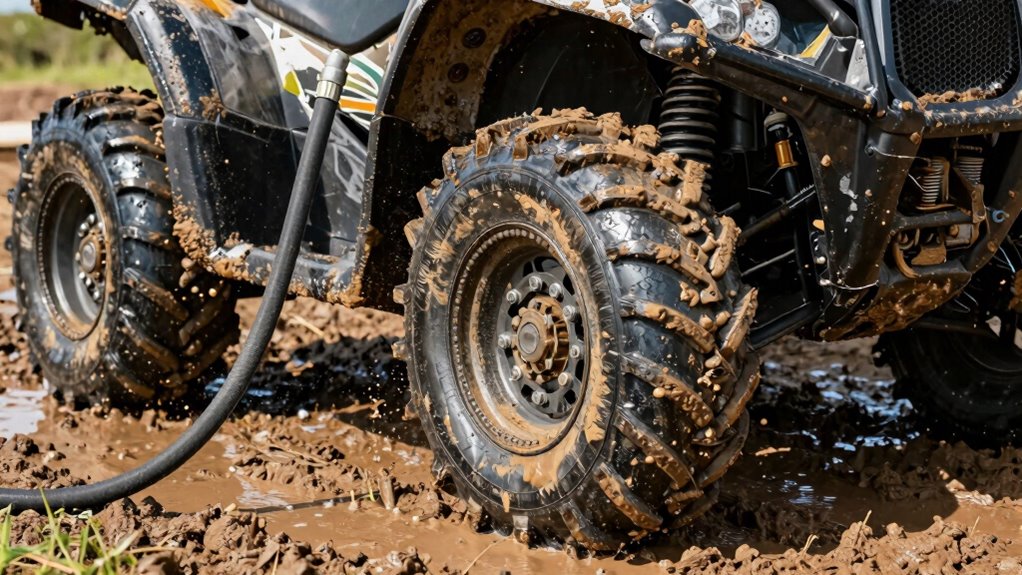
To remove mud without harming your bearings, use gentle techniques like soft brushes or plastic scrapers to avoid abrasion. Select appropriate cleaning tools that won’t scratch or damage the bearing surfaces, making sure effective removal of debris. After cleaning, thoroughly dry the components and apply proper lubrication to prevent corrosion and ensure smooth operation. Additionally, proper cleaning techniques help maintain the integrity of your bearings and prolong their lifespan. Employing advanced cleaning methods can further enhance the effectiveness of debris removal without risking damage. Incorporating specialized cleaning tools designed for delicate parts can also help prevent accidental damage during maintenance. Being aware of bearing material properties can guide you in choosing the safest cleaning approaches for your specific components.
Gentle Mud Removal Techniques
When removing mud from bearings, employing gentle techniques is essential to prevent damage and guarantee longevity. Use controlled pressure to avoid forcing debris into seals or damaging the bearing surface. Follow these steps:
- Pre-soak the mud with a high-pressure water stream, focusing on loosening debris without directly striking bearings.
- Use soft brushes or microfiber cloths to delicately lift dried mud, avoiding abrasive materials that could scratch seals.
- Apply minimal force when wiping or rinsing, ensuring you don’t dislodge seals or displace lubrication.
- Limit direct water contact with bearings, preferring indirect rinsing to prevent water ingress that could cause corrosion or wash out lubrication.
- Incorporate proper maintenance routines to regularly inspect and service bearings, helping to prevent mud buildup and potential damage.
Precision and restraint in your cleaning approach protect bearing integrity and extend component life.
Appropriate Cleaning Tools Selection
Selecting the appropriate cleaning tools is essential for removing mud without risking damage to bearings. Opt for soft-bristled brushes or plastic scrapers to dislodge dried mud, avoiding metal tools that can scratch or gouge components. A spray nozzle with adjustable pressure allows precise application of water to loosen debris without forcing dirt into seals or bearings. Use a gentle stream to target crevices and hard-to-reach areas, preventing undue stress on seals. Microfiber cloths are ideal for wiping surfaces clean after initial removal, minimizing abrasion. For stubborn mud, employ a soft-bristled brush dipped in mild cleaning solution, ensuring that abrasive materials don’t contact delicate parts. Careful selection of these tools preserves bearing integrity while effectively clearing mud, maintaining ideal performance and longevity of your Polaris. Additionally, understanding the correct cleaning techniques can further enhance the safety and effectiveness of your maintenance routine. Proper technique ensures that debris is removed without compromising the seals or internal components, which is crucial for preventing damage and extending your vehicle’s lifespan. Being mindful of appropriate cleaning tools helps avoid unnecessary wear and tear on sensitive parts, ultimately saving time and money. Regular inspection of seal integrity further supports long-term durability.
Proper Drying and Lubrication
After removing excess mud, thorough drying is critical to prevent moisture from causing corrosion or compromising bearing seals. Proper drying involves these steps:
- Use compressed air to blow out moisture from tight spaces and bearing housings, avoiding direct contact with seals. Proper drying techniques can significantly extend the life of your bearings.
- Wipe surfaces with lint-free towels to absorb lingering water, ensuring no residue remains.
- Allow components to air dry in a warm, well-ventilated area for at least 15 minutes. Incorporating ventilation considerations can further aid in effective drying and moisture control.
- Apply a high-quality, water-resistant lubricant or bearing grease, focusing on sealed areas, to displace residual moisture and provide corrosion protection. This lubrication reduces friction and prevents dirt ingress during future rides. Ensuring these steps are meticulously followed preserves bearing integrity and prolongs component lifespan. Understanding maintenance schedules helps in planning timely lubrication and inspections.
How to Lubricate Bearings and Protect Them After Cleaning

Proper lubrication is essential to guarantee your bearings operate smoothly and resist corrosion after cleaning. Begin by applying a high-quality, water-resistant grease specifically designed for bearing protection. Use a precision applicator or your gloved finger to ensure an even coat, focusing on the raceways and rolling elements. Avoid over-lubricating, as excess grease can attract dirt and debris, compromising the bearing’s function. Rotate the bearing gently during application to distribute the lubricant thoroughly. Once coated, wipe away any excess to prevent buildup. Seal the bearing with a suitable cover or shield if applicable. Proper lubrication creates a protective barrier against moisture, mud, and grit, ensuring longevity and ideal performance in muddy conditions. Regularly inspect and reapply lubricant as part of your maintenance routine.
Common Mistakes That Can Harm Bearings During Cleaning

Careless cleaning techniques can quickly damage bearings and reduce their lifespan. Common mistakes include:
- Using high-pressure water directly on bearings, forcing contaminants into seals and causing corrosion or debris ingress.
- Applying aggressive brushes or abrasives that remove protective coatings or scratch bearing surfaces, leading to premature wear.
- Submerging bearings in cleaning solvents without proper drying, which can cause rust and corrosion.
- Ignoring manufacturer guidelines, such as unsuitable cleaning agents or improper drying methods, resulting in residual moisture or chemical damage.
These errors compromise bearing integrity by damaging seals, introducing contaminants, or causing corrosion. Ensuring you follow precise cleaning procedures—using gentle cleaning methods, appropriate solvents, and thorough drying—preserves bearing performance and longevity during mud riding conditions.
Tips to Keep Bearings Healthy Between Rides
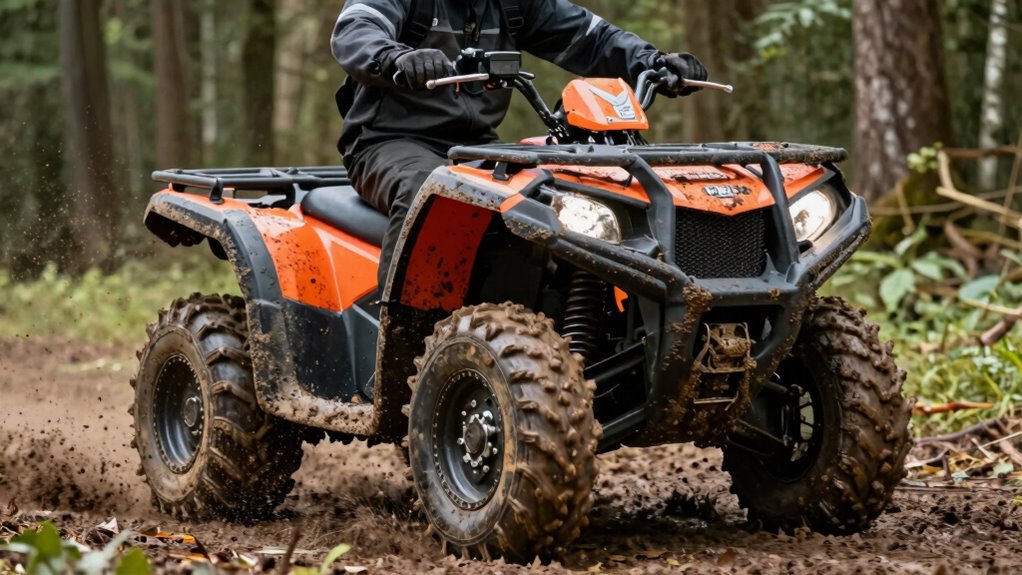
To keep your bearings in ideal condition between rides, it’s vital to implement regular inspection and maintenance routines that prevent dirt buildup and corrosion. Check bearings for signs of wear, rust, or contamination, and address issues immediately. Apply a thin layer of high-quality grease to exposed bearings to repel moisture and debris. Store your vehicle in a dry, covered area to minimize environmental exposure. Use compressed air to remove surface dirt without pushing contaminants deeper. Periodically rotate or manually spin bearings to ensure smooth movement.
| Inspection Step | Maintenance Action |
|---|---|
| Visual inspection for rust | Apply protective grease |
| Check for unusual noise | Clean with compressed air |
| Examine for corrosion | Store in dry environment |
| Spin bearings to test smoothness | Re-lubricate as needed |
| Look for dirt accumulation | Wipe clean with a lint-free cloth |
When to Seek Professional Help for Bearing Issues

While routine maintenance can resolve minor bearing issues, certain symptoms indicate it’s time to seek professional assistance. If you notice any of the following, consult a specialist:
- Unusual noise: Grinding or squealing during operation suggests bearing fatigue or contamination.
- Excessive play: Looseness or wobbling indicates bearing wear or damage.
- Overheating: Bearings that become hot to the touch may be suffering from lubrication failure or seizure.
- Vibration: Unexplained vibrations at specific RPMs point to imbalance or bearing deterioration.
Addressing these signs promptly prevents further damage to the axle or drive components. Skilled technicians can accurately diagnose internal damage, replace bearings correctly, and prevent costly secondary failures. Don’t ignore persistent symptoms—professional evaluation safeguards your machine’s longevity.
Enjoy Muddy Trails Without Compromising Your Polaris’s Longevity

Traversing muddy trails with your Polaris can be exhilarating, but it also exposes your vehicle’s critical components to excessive dirt, water, and debris that can accelerate wear or cause damage. To enjoy these trails without compromising longevity, implement a thorough cleaning routine immediately after riding. Use a high-pressure washer with a focused jet to dislodge mud from suspension, drive components, and wheel hubs, avoiding direct contact with sensitive electronics. Follow with a detailed inspection for any signs of wear, corrosion, or lodged debris. Lubricate pivot points, bearings, and moving parts with manufacturer-recommended products to prevent moisture ingress. Regularly check and tighten fasteners and suspension bushings. A disciplined maintenance approach ensures that mud and water don’t compromise your Polaris’s integrity, allowing you to ride confidently and prolong the machine’s service life.
Frequently Asked Questions
Can I Use Household Cleaning Products on My Polaris Bearings?
You shouldn’t use household cleaning products on your Polaris bearings. These products often contain harsh chemicals that can degrade bearing seals and lubricants, leading to premature wear or failure. Instead, opt for a specialized bearing cleaner or solvent designed for off-road vehicles. After cleaning, ensure you thoroughly dry and re-lubricate the bearings with high-quality grease to maintain peak performance and extend their lifespan during mud riding.
How Often Should I Clean My Polaris After Muddy Rides?
For pristine performance, clean your Polaris after every muddy ride—ideally, within hours. Regular, rapid rinses remove stubborn mud and prevent buildup that can damage bearings. Use gentle, Polaris-approved cleaners and soft brushes to avoid abrasion. Consistent cleaning not only maintains ideal operation but also prolongs component lifespan. Remember, neglecting timely cleaning invites corrosion, corrosion causes costly damage, and costly damage compromises your riding experience. Prioritize prompt, proper cleaning for peak Polaris performance.
What Signs Indicate My Bearings Need Professional Repair?
You’ll need professional repair if you notice excessive play or looseness in your bearings, unusual grinding or squeaking noises during operation, or if your vehicle vibrates abnormally at certain speeds. Visual inspections revealing rust, corrosion, or pitting also signal damage. Additionally, if your Polaris exhibits reduced performance or increased resistance when turning, it indicates bearing wear. Promptly seek expert assessment to prevent further mechanical issues.
Are There Specific Lubricants Recommended for Polaris Bearings?
Studies show that using high-quality, waterproof lubricants extends bearing lifespan by up to 30%. For Polaris bearings, it’s best to choose a synthetic, lithium-based grease or marine-grade waterproof lubricant. These options resist water ingress and reduce friction effectively. Apply sparingly with a precision tool to guarantee even coverage without over-lubricating, which can trap dirt. Regular maintenance with the right lubricant keeps your bearings smooth and prevents premature failure during muddy rides.
Does Cleaning With Water Harm Sealed Bearings in My Polaris?
Cleaning with water doesn’t inherently harm sealed bearings in your Polaris, but improper methods can cause damage. Use a gentle stream of water to avoid forcing debris into seals, and dry the bearings thoroughly afterward. Avoid high-pressure washers directly on seals, as they can compromise the integrity. Regularly inspect seals for wear, and consider applying a light lubricant afterward to maintain ideal performance and prolong bearing life.
Conclusion
Think of your Polaris’s bearings as the nervous system of your machine—delicate yet essential. Regular, proper cleaning is like a medical check-up that keeps everything functioning smoothly. By following this routine, you prevent mud-induced corrosion and wear, extending your ride’s lifespan. Skipping these steps is like ignoring warning signs; eventually, small issues escalate. Invest time now, and your Polaris will perform reliably through every muddy trail, proving that meticulous maintenance is the key to long-term durability.