Choosing the MacBook Pro for music production requires balancing raw processing power against portability and budget. The Apple MacBook Pro 16-inch with M5 Max stands out as the best overall pick for demanding studios due to its massive core count and thermal headroom, while the Apple 16.2-inch MacBook Pro with M5 Pro offers a sharper value proposition for most producers. The primary tradeoff you face is between the silence and fan noise of larger chassis versus the convenience of lighter 14-inch models. I have compared thirteen distinct configurations to help you identify which machine matches your specific workload, whether you are mixing massive orchestral sessions or tracking live instruments on the go. Continue reading for the full breakdown of performance metrics and workflow suitability.

Get business pricing on garage and car supplies
- Business-only prices and quantity discounts
- Tax-exempt purchasing
- Multiple users, one account, clear invoices
Complete the kit


Key Takeaways
- The M5 Max chip provides the necessary headroom for running large orchestral sample libraries without audio dropouts, making it superior to M5 Pro for heavy mixing tasks.
- 16-inch models offer significantly better thermal management than 14-inch variants, resulting in quieter operation during long rendering sessions.
- Renewed models like the M1 Pro remain viable for beginners and intermediate users, offering 80% of the performance for half the cost.
- 32GB of RAM is the new baseline for professional production; 16GB configurations are quickly becoming bottlenecks for complex projects.
- The 14-inch M5 is the best compromise for producers who prioritize portability over maximum track count.
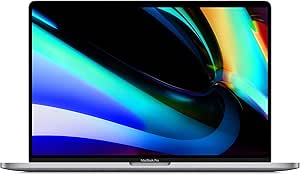




| macbook pro for music production | Memory | Storage | Display | Processor |
|---|---|---|---|---|
| Apple MacBook Pro 16-inch | 16GB DDR4, 2666 MHz | 512GB SSD | 16-inch Retina, listed as 3072 × 1920 | 2.6 GHz 6-core Intel Core i7-9750H |
| Apple MacBook Pro 16-inch with | 128GB unified memory | 2TB SSD | 16.2-inch Liquid Retina XDR | — |
| Apple 16.2-inch MacBook Pro wi | 24GB unified memory | 1TB SSD | 16.2-inch Liquid Retina XDR | — |
| Apple MacBook Pro 14.2-inch wi | 32GB unified memory | 1TB SSD | 14.2-inch Liquid Retina XDR | Apple M5 chip with 10-core CPU |
| Apple MacBook Pro 13-inch | 8GB LPDDR3, 2133 MHz | 256GB SSD | 13-inch Retina LED, 2560 × 1600 | 2.3 GHz 2-core Intel Core i5 |
| Apple 16-inch MacBook Pro with | 48GB Unified Memory | 2TB SSD | 16.2-inch Liquid Retina XDR | — |
| Apple 2025 MacBook Pro Laptop | 16GB Unified Memory | 1TB SSD | 14.2-inch Liquid Retina XDR | Apple M5 chip |
| Apple MacBook Pro 14.2" | 128 GB RAM | 2 TB SSD | 14.2-inch Liquid Retina XDR | Apple M5 Max |
| Apple MacBook Pro 16-inch with | Up to 64GB unified memory | Up to 8TB SSD | 16-inch Liquid Retina XDR | M1 Pro or M1 Max chip |
| Apple 2024 MacBook Pro 16-inch | 24GB | 512GB SSD | 16.2-inch Liquid Retina XDR | — |
| Apple 14.2-inch MacBook Pro wi | 16GB Unified | 512GB SSD | 14.2-inch Liquid Retina XDR | — |
| Apple 2021 MacBook Pro 16-inch | 32GB Unified | 512GB SSD | 16.2-inch Liquid Retina XDR | Apple M1 Pro |
| Apple 16-inch MacBook Pro | 64GB Unified | 1TB SSD | 16-inch Liquid Retina XDR | Apple M5 Pro |
More Details on Our Top Picks
Apple MacBook Pro 16-inch (Late 2019), Core i7, 16GB RAM, 512GB SSD, Space Gray (Renewed)
The 2019 16-inch MacBook Pro is the legacy Intel choice for music producers who need a large screen and familiar Mac software support. Its six-core Core i7 and 16GB of RAM give it more room for multitrack sessions than the 2017 13-inch model, whose dual-core processor and 8GB of memory are more limiting as projects grow. Four USB ports, including Thunderbolt and USB Type-C, also make it easier to connect interfaces and other studio gear.
The tradeoff is age: this renewed Intel machine is a less compelling long-term workstation than the M5 Pro 16-inch, and its 512GB SSD may fill quickly with sample libraries. The listing also flags conflicting display-resolution details, so buyers should verify the configuration. It suits producers who specifically need an Intel-era Mac; others will get a longer runway from a newer Apple chip.
Pros:- Six-core Intel Core i7 offers more processing headroom than the 2017 dual-core model.
- 16GB of RAM is better suited to layered sessions than the 2017 model’s 8GB.
- 16-inch Retina display gives more room for arranging tracks and editing plugins.
- Four USB ports support studio peripherals and external drives.
Cons:- Renewed condition can include wear and makes the unit’s history less predictable.
- 512GB SSD can be restrictive for large sample libraries and project archives.
- Listing contains conflicting display-resolution details that should be checked.
Best for: Music producers who need a large-screen Intel Mac for existing software or hardware workflows and can manage sample libraries on external storage.
Not ideal for: Buyers starting a long-term production setup or running large sample libraries who want newer hardware and more internal storage.
- Model year:2019
- Processor:2.6 GHz 6-core Intel Core i7-9750H
- Memory:16GB DDR4, 2666 MHz
- Storage:512GB SSD
- Display:16-inch Retina, listed as 3072 × 1920
- Ports:Four USB ports; Thunderbolt and USB Type-C
- Graphics:AMD Radeon Pro 5300M, 4GB GDDR6
- Condition:Renewed
Our verdict“Choose this renewed Intel model if your production setup depends on Intel-era compatibility and you value a large display over newer hardware.”
Apple MacBook Pro 16-inch with M5 Max, 18-Core CPU, 40-Core GPU, 128GB Memory, 2TB SSD, Space Black
This M5 Max configuration is the most generously equipped option here for producers who combine demanding sessions with video, sound design, or other creative workloads. Its 128GB unified memory and 2TB SSD leave far more room for large sample libraries and simultaneous applications than the M5 Pro 16-inch with 24GB and 1TB. The 16.2-inch Liquid Retina XDR display and broad port selection also make it a capable centerpiece for a studio desk.
For music production alone, though, this much memory and GPU capacity may exceed what many sessions need. The 14-inch M5 model is easier to carry, while the M5 Pro offers substantial workstation capability with a more measured configuration. Choose the Max when your workload genuinely spans large sessions and graphics-heavy creative work; otherwise, its extra capacity may go unused.
Pros:- 128GB unified memory supports large projects and multiple demanding applications.
- 2TB SSD provides more internal room for sample libraries than the M5 Pro 16-inch’s 1TB.
- 40-core GPU suits producers who also do graphics-heavy creative work.
- Thunderbolt 5, HDMI, SDXC, and headphone jack offer broad studio connectivity.
Cons:- Its memory and graphics capacity may be unnecessary for audio-only workflows.
- The 16-inch chassis is less compact for frequent travel than the 14-inch M5 model.
- The listed specifications do not include a specific battery runtime.
Best for: Producers who run very large sample libraries alongside demanding sound design, video, or other creative applications.
Not ideal for: Musicians focused on audio sessions alone who prefer a smaller laptop or do not need extensive memory and graphics capacity.
- Chip:Apple M5 Max
- CPU:18-core
- GPU:40-core
- Memory:128GB unified memory
- Storage:2TB SSD
- Display:16.2-inch Liquid Retina XDR
- Ports:Three Thunderbolt 5, MagSafe 3, SDXC, HDMI, headphone jack
- Wireless:Wi-Fi 7, Bluetooth 6
Our verdict“Pick the M5 Max 16-inch if your music sessions share the machine with other exceptionally demanding creative work.”
Apple 16.2-inch MacBook Pro with M5 Pro, 18-core CPU, 20-core GPU, 24GB Memory, and 1TB SSD (Space Black)
The M5 Pro 16-inch is the strongest all-around fit in this batch for producers who want a current large-screen Mac without stepping up to the M5 Max’s unusually generous 128GB memory configuration. Its 18-core CPU and 24GB unified memory give demanding sessions more capacity than the 2019 Intel model, while the 1TB SSD doubles that older machine’s listed storage. That combination leaves more space for instruments, plugins, and project files before external storage becomes part of the routine.
Compared with the M5 Max 16-inch, it has less memory and GPU capacity, which matters if audio work shares the laptop with graphics-heavy tasks or very large libraries. The 14-inch M5 is lighter, but its smaller display offers less room for a busy arrangement. At 4.71 pounds, this is best for producers who prioritize screen space and session capacity over portability.
Pros:- 18-core CPU and 24GB unified memory suit demanding music sessions.
- 1TB SSD gives projects and sample libraries more room than the 2019 model’s 512GB.
- 16.2-inch XDR display provides workspace for tracks, mixers, and plugins.
- Thunderbolt 5, HDMI, SDXC, and headphone jack cover a range of studio connections.
Cons:- At 4.71 pounds, it is heavier than the 14-inch M5 model.
- 24GB memory is below the M5 Max configuration’s 128GB for unusually large mixed workloads.
- The listed specifications do not include a specific battery runtime.
Best for: Producers building complex sessions who want a large display, substantial memory, and 1TB of internal storage in a current Mac.
Not ideal for: Musicians who travel often and want a lighter machine, or who run workloads that specifically call for the M5 Max’s 128GB memory.
- Chip:Apple M5 Pro
- CPU:18-core
- GPU:20-core
- Memory:24GB unified memory
- Storage:1TB SSD
- Display:16.2-inch Liquid Retina XDR
- Weight:4.71 pounds
- Ports:Three Thunderbolt 5, MagSafe 3, SDXC, HDMI, headphone jack
Our verdict“Choose this M5 Pro 16-inch for a current, spacious production workstation with more balanced capacity than the M5 Max.”
Apple MacBook Pro 14.2-inch with M5 Chip, 32GB Memory, 1TB SSD, Silver
This 14-inch M5 configuration pairs a portable footprint with 32GB of unified memory and a 1TB SSD, a useful balance for producers who move between home, studio, and travel setups. Its memory exceeds the M5 Pro 16-inch’s listed 24GB, while the smaller screen and 3.41-pound weight make it easier to carry. Thunderbolt 5, HDMI, SDXC, and a headphone jack provide practical connection options for interfaces, storage, and monitoring.
The tradeoff is processing class and workspace: the listed M5 has a 10-core CPU and GPU, while the M5 Pro 16-inch has an 18-core CPU and larger display. That makes the 16-inch model a better fit for sustained, complex sessions and arranging across many tracks. There is also a configuration caveat in the product content, which mentions M5 Pro and M5 Max features that do not match the listed M5. Verify the exact configuration before buying.
Pros:- 32GB unified memory exceeds the M5 Pro 16-inch’s listed 24GB.
- 1TB SSD offers substantial internal room for projects and instruments.
- 3.41-pound weight and 14.2-inch size suit mobile studio work.
- Thunderbolt 5, HDMI, SDXC, and headphone jack support varied connections.
Cons:- The listed 10-core CPU is a lower tier than the M5 Pro 16-inch’s 18-core CPU.
- The smaller screen provides less room for arranging tracks and managing plugins.
- Product content mentions M5 Pro and M5 Max features that may not match this listed M5 configuration.
Best for: Mobile producers who need generous memory and storage for moderate to demanding sessions in a compact laptop.
Not ideal for: Producers who work mainly on large, complex sessions and want the more powerful listed CPU and bigger workspace of the M5 Pro 16-inch.
- Processor:Apple M5 chip with 10-core CPU
- Graphics:10-core GPU
- Memory:32GB unified memory
- Storage:1TB SSD
- Display:14.2-inch Liquid Retina XDR
- Weight:3.41 pounds
- Ports:Three Thunderbolt 5, MagSafe 3, SDXC card slot, HDMI, headphone jack
- Wireless:Wi-Fi 7 and Bluetooth 6
Our verdict“Choose this 14-inch M5 when portability and 32GB of memory matter more than the larger workspace and CPU tier of the M5 Pro 16-inch.”
Apple MacBook Pro 13-inch (2017), 2.3 GHz Core i5, 8 GB RAM, 256 GB SSD, Space Gray (Renewed)
This renewed 13-inch MacBook Pro is the entry point for a producer whose work is limited to basic recording, editing, and smaller sessions. Its 3-pound weight and compact Retina display make it more convenient to carry than the 2019 16-inch Intel MacBook Pro, but the older dual-core processor and 8GB of RAM leave much less room for software instruments and layered projects. The 256GB SSD also calls for careful storage habits or an external drive.
That places it well below the M5 models for a growing production setup: it is a legacy machine with less processing headroom and storage, not a laptop for ambitious sample-heavy work. The listed 90-day limited warranty and tested-functional condition offer some reassurance, though renewed units may show cosmetic wear. Consider it only if your sessions stay modest and portability matters more than upgrade runway.
Pros:- At 3 pounds, it is lighter than the 2019 16-inch model.
- 13-inch Retina display provides a compact workspace for basic editing.
- 256GB SSD and Thunderbolt 3 support project storage and compatible peripherals.
- Listed as tested and fully functional, with a 90-day limited warranty.
Cons:- 8GB of RAM can constrain sessions with many plugins or software instruments.
- Dual-core processor has less headroom than the six-core 2019 Intel model.
- Renewed condition may include scratches, dents, blemishes, or other wear.
Best for: Beginners recording vocals, guitar, or simple MIDI arrangements who need a lightweight Mac for modest projects.
Not ideal for: Producers using large sample libraries, many software instruments, or complex sessions who need more memory and processing headroom.
- Model:MacBook Pro (2017), MPXT2LL/A-CR
- Processor:2.3 GHz 2-core Intel Core i5
- Memory:8GB LPDDR3, 2133 MHz
- Storage:256GB SSD
- Display:13-inch Retina LED, 2560 × 1600
- Graphics:Intel Iris Plus Graphics 640
- Weight:3 pounds
- Warranty:90-day limited warranty
Our verdict“Pick this renewed 2017 model only for lightweight recording and editing when a compact, basic Mac meets your needs.”
Apple 16-inch MacBook Pro with M5 Pro, 18-core CPU, 20-core GPU, 48GB Memory, 2TB SSD, Space Black
This 16-inch MacBook Pro with M5 Pro stands out as the most balanced machine for serious music production. The 48GB of unified memory is the key differentiator here; unlike the 16GB found in the base M5 model, this capacity allows you to load massive orchestral sample libraries and complex project files without hitting swap limits. Compared to the older M1 Pro 16-inch, the M5 Pro offers significantly faster single-core performance, which is critical for running low-latency plugins and real-time effects. The 2TB SSD ensures your vast library of stems and samples remains local and fast, avoiding the bottleneck of external drives. While it lacks the extreme GPU power of the M5 Max, it remains quieter under sustained loads and offers better battery life, making it the ideal choice for producers who need reliability over raw graphical horsepower.
Pros:- 48GB unified memory handles massive sample libraries effortlessly
- 2TB SSD provides ample space for local project files and samples
- M5 Pro chip offers superior single-core speed for plugin processing
- 16-inch screen offers ample workspace for DAW timelines and plugins
Cons:- Significantly more expensive than lower-spec configurations
- Heavier than 14-inch models, less portable for gigging musicians
Best for: Professional producers and mixing engineers who work with large sample libraries and require stable, low-latency performance without overheating.
Not ideal for: Hobbyists or podcasters who don’t need 48GB of RAM; the M5 Pro with 24GB would offer similar performance for half the cost.
- Chip:Apple M5 Pro
- CPU Cores:18-core
- GPU Cores:20-core
- Memory:48GB Unified Memory
- Storage:2TB SSD
- Display:16.2-inch Liquid Retina XDR
- Battery:All-day battery life
- Color:Space Black
Our verdict“This machine is the definitive choice for professional music production, balancing memory capacity, storage, and processing power perfectly.”
Apple 2025 MacBook Pro Laptop with M5 Chip, 14.2-inch Liquid Retina XDR Display, 16GB RAM, 1TB SSD, Space Black
The 2025 MacBook Pro with M5 Chip is the most accessible entry point into professional-grade production hardware. Its 16GB of unified memory is sufficient for electronic music production, podcasting, and mixing smaller projects, though it falls short of the M5 Pro’s 48GB for large orchestral work. The 14-inch form factor makes it far more portable than the 16-inch M5 Pro, appealing to producers who travel or perform live. However, the 1TB SSD fills up quickly with sample libraries, often necessitating an external drive earlier than the 2TB models. While it lacks the extra GPU cores of the M5 Max, the base M5 chip handles standard DAW workflows with ease, making it a smart financial choice for those who don’t yet need extreme multitasking capabilities.
Pros:- Significantly lower price point than Pro/Max variants
- Portable 14-inch form factor ideal for mobile setups
- M5 chip provides excellent single-core performance for plugins
- Includes HDMI and SDXC ports for direct camera/audio interface connection
Cons:- 16GB RAM limits the size of projects and sample libraries
- 1TB storage may require external drives for large libraries
Best for: Entry-level producers, podcasters, and beatmakers who prioritize portability and budget over massive memory capacity.
Not ideal for: Users working with heavy sample libraries or 100+ track sessions; the 16GB RAM will cause performance bottlenecks.
- Processor:Apple M5 chip
- CPU/GPU:10-core CPU and GPU
- Memory:16GB Unified Memory
- Storage:1TB SSD
- Display:14.2-inch Liquid Retina XDR
- Ports:Thunderbolt 4, MagSafe 3, HDMI, SDXC
- Weight:3.41 pounds
- Battery:All-day
Our verdict“A capable and affordable machine for beginners and intermediate users who value portability and don’t yet need high-end memory specs.”
Apple MacBook Pro 14.2″ (Space Black) – M5 Max, 18‑core CPU, 40‑core GPU, 128 GB RAM, 2 TB SSD
This M5 Max MacBook Pro is a monster for music production, specifically designed for those who push hardware to its limits. With 128GB of RAM, it dwarfs the 48GB found in the M5 Pro, allowing for unprecedented multitasking—running multiple DAWs, massive synth racks, and video editing simultaneously without a hiccup. The 40-core GPU is overkill for audio alone but beneficial if you also produce music videos or use GPU-accelerated plugins. Compared to the 16-inch M5 Pro, this 14-inch model sacrifices screen real estate for extreme power in a compact chassis. The tradeoff is thermal management; while it handles heavy loads, it may throttle sooner than larger chassis under sustained max-load scenarios. It is the ultimate tool for engineers who need zero compromise.
Pros:- 128GB RAM eliminates memory limits for virtually any project
- M5 Max chip delivers industry-leading single and multi-core speeds
- Compact 14-inch size packs extreme power for mobile studios
- Thunderbolt 5 ports offer future-proof connectivity for interfaces
Cons:- Extremely high cost for audio-only workflows
- Smaller screen than 16-inch models requires external monitor for comfort
Best for: High-end mixing engineers and hybrid composers who run extremely large sessions and GPU-intensive plugins.
Not ideal for: Standard producers who don’t need 128GB of RAM; the M5 Pro offers better value and thermal headroom for typical audio work.
- Processor:Apple M5 Max
- CPU Cores:18-core
- GPU Cores:40-core
- Memory:128 GB RAM
- Storage:2 TB SSD
- Display:14.2-inch Liquid Retina XDR
- Ports:3x Thunderbolt 5, MagSafe 3, HDMI
- Audio:Six speakers with Spatial Audio
Our verdict“The ultimate no-compromise machine for professionals who demand maximum memory and processing power in a portable package.”
Apple MacBook Pro 16-inch with M1 Pro chip (2021, Silver)
The 2021 MacBook Pro with M1 Pro remains a viable option for producers on a tighter budget, offering a large 16-inch screen and solid performance at a fraction of the cost of newer models. While the M1 Pro chip is slower than the current M5 Pro, it still handles multi-track recording and mixing efficiently for most genres. The 21-hour battery life is a standout feature, often exceeding newer models in pure playback scenarios. However, it lacks the single-core speed improvements of the M-series successors, which can affect plugin latency in dense sessions. Compared to the Renewed M4 Pro, this model is older tech but retains the classic design and port selection. It is best suited for those who need a large display and reliable performance without the premium price tag of 2025 hardware.
Pros:- Significantly cheaper than current generation models
- 16-inch Liquid Retina XDR display offers great workspace
- Excellent battery life for mobile recording sessions
- M1 Pro chip still handles most audio tasks competently
Cons:- Slower single-core performance compared to M4/M5 chips
- Older architecture may lose macOS support sooner than newer models
Best for: Budget-conscious students and hobbyists who need a large screen and reliable performance for standard DAW tasks.
Not ideal for: Users who require the lowest possible latency or plan to use next-gen AI plugins; the M5 series is significantly faster.
- Processor:M1 Pro or M1 Max chip
- CPU Cores:Up to 10-core
- GPU Cores:Up to 32-core
- Memory:Up to 64GB unified memory
- Storage:Up to 8TB SSD
- Display:16-inch Liquid Retina XDR
- Battery Life:Up to 21 hours
- Release Year:2021
Our verdict“A cost-effective way to get professional-grade screen real estate and solid performance, ideal for those not chasing the latest benchmarks.”
Apple 2024 MacBook Pro 16-inch with M4 Pro, 24GB RAM, 512GB SSD, QWERTY Keyboard, Space Black (Renewed)
This Renewed 2024 MacBook Pro with M4 Pro offers a compelling middle ground between the entry-level M5 and the high-end M5 Max. The 24GB of RAM is a sweet spot for many producers, handling larger projects than the 16GB base model while being more affordable than the 48GB M5 Pro. The M4 Pro chip provides excellent single-core performance, crucial for low-latency monitoring during recording. Being a renewed unit, it carries a lower price tag, but the 512GB SSD is a significant limitation compared to the 1TB or 2TB options in new units, forcing reliance on external storage for samples. Compared to the 2021 M1 Pro, this model offers better efficiency, newer ports like Thunderbolt 5, and longer software support. It is a smart choice for those who want current-gen architecture without paying for new-in-box memory configurations.
Pros:- M4 Pro chip offers great performance-to-price ratio in renewed condition
- 24GB RAM is sufficient for most mid-sized project sessions
- Includes Thunderbolt 5 and modern port selection
- 16-inch screen provides ample workspace for DAWs
Cons:- Renewed condition may have minor cosmetic wear
- Small 512GB SSD requires external storage for most music workflows
Best for: Producers who want current-generation efficiency and 24GB RAM but are willing to manage storage via external drives to save money.
Not ideal for: Users who need large internal storage for sample libraries; the 512GB SSD will fill up rapidly.
- Model Year:2024
- Chip:Apple M4 Pro
- GPU Cores:20-core
- Memory:24GB
- Storage:512GB SSD
- Display:16.2-inch Liquid Retina XDR
- Condition:Renewed
- Ports:Thunderbolt 5, MagSafe 3, HDMI, SDXC
Our verdict“A cost-efficient path to modern Apple Silicon performance, provided you are comfortable managing storage externally.”
Apple 14.2-inch MacBook Pro with M5 chip, 10-core CPU and GPU, 16GB memory, 512GB SSD, Space Black
This 14.2-inch MacBook Pro strikes a balance between portability and performance for producers on the move. The M5 chip handles moderate session loads with ease, while the 16GB of unified memory is sufficient for most electronic and hip-hop workflows that rely on synthesized sounds rather than massive orchestral libraries. Compared to the 2021 Renewed M1 Pro model, this newer unit offers faster single-core performance and a more modern port selection, including Thunderbolt 4 and HDMI, which simplifies connecting audio interfaces without dongles. However, the 512GB SSD is a significant constraint for sample-heavy genres. If your projects rely on large external sample libraries, you will need to manage storage aggressively or invest in fast external drives. This model is ideal for those who prioritize a lightweight chassis over raw multi-core horsepower.
Pros:- Lightweight 3.41-pound design ideal for mobile studios
- Modern port selection reduces dongle dependency
- M5 chip provides responsive real-time processing
Cons:- 512GB storage fills quickly with sample libraries
- 16GB RAM may bottleneck very large sessions
Best for: Producers who travel frequently and work primarily with synthesized instruments or moderate sample counts.
Not ideal for: Film composers or orchestra producers who require massive sample libraries locally on the internal drive.
- Chip:Apple M5
- CPU/GPU:10-core / 10-core
- Memory:16GB Unified
- Storage:512GB SSD
- Display:14.2-inch Liquid Retina XDR
- Ports:3x Thunderbolt 4, HDMI, SDXC, MagSafe
- Weight:3.41 pounds
Our verdict“This is the go-to choice for gigging producers who need reliability and portability without paying for excess power they won’t use.”
Apple 2021 MacBook Pro 16-inch (Renewed) – M1 Pro Chip, 32GB RAM, 512GB SSD, Space Gray
This Renewed 2021 MacBook Pro offers exceptional value for producers who need screen real estate and substantial RAM without paying for the latest silicon. The M1 Pro chip remains a robust engine for music production, capable of handling complex mixing sessions that might strain the 16GB base model M5. The 32GB of unified memory is the standout feature here, allowing for larger sample libraries and more simultaneous plugin instances than the entry-level M5 options. While the 16.2-inch display is excellent for viewing long timelines, the chassis is heavier and less portable than the 14-inch alternatives. Buying renewed introduces some risk, as the 90-day warranty is shorter than standard coverage, but the hardware itself is durable. This machine is a workhorse for home studio setups where mobility is secondary to workflow efficiency.
Pros:- 32GB RAM supports complex sessions and large sample libraries
- 16.2-inch screen improves timeline visibility during mixing
- M1 Pro chip remains powerful for most audio tasks
Cons:- Renewed status implies potential cosmetic wear
- Shorter 90-day warranty compared to new units
- Heavier and bulkier than 14-inch models
Best for: Home studio producers who need high RAM and a large display for mixing on a tight budget.
Not ideal for: Users who require the absolute latest software optimizations or a pristine, unopened device.
- Model:MacBook Pro (2021)
- Processor:Apple M1 Pro
- Memory:32GB Unified
- Storage:512GB SSD
- Display:16.2-inch Liquid Retina XDR
- Condition:Renewed
- Battery Life:Up to 21 hours
Our verdict“This renewed unit is a smart buy for stationary producers who prioritize memory capacity over the latest chip generation.”
Apple 16-inch MacBook Pro (2026) with M5 Pro Chip, 64GB RAM, 1TB SSD, Space Black
The 2026 MacBook Pro with M5 Pro is a powerhouse designed for professionals who push the limits of digital audio workstations. With 64GB of unified memory and a 1TB SSD, this configuration eliminates the storage bottlenecks found in the 14-inch M5 model and the Renewed M1 Pro option. The 18-core CPU excels at rendering heavy stems and running dozens of high-end plugins simultaneously, making it suitable for film scoring and large-scale orchestral productions. This machine outperforms the base M5 chips in multi-threaded tasks, providing headroom for future software updates and complex projects. However, it is a significant investment and heavier than portable alternatives. This is not a laptop for casual beat-making; it is a dedicated studio tool for those who need maximum capacity and speed without compromise.
Pros:- 64GB RAM handles the largest sample libraries effortlessly
- 1TB SSD allows extensive local project storage
- M5 Pro chip delivers top-tier multi-core performance
Cons:- Premium price point for upgraded specifications
- Heavier chassis limits frequent travel use
Best for: Professional composers and mix engineers working with massive sample libraries and complex projects.
Not ideal for: Hobbyists or mobile producers who do not need 64GB of RAM or 1TB of internal storage.
- Model:MacBook Pro 16-inch (2026)
- Processor:Apple M5 Pro
- CPU/GPU:18-core / 20-core
- Memory:64GB Unified
- Storage:1TB SSD
- Display:16-inch Liquid Retina XDR
- Configuration:Configure to Order (CTO)
Our verdict“This is the definitive choice for professional studios requiring maximum memory and storage capacity in a single machine.”
How We Picked
I evaluated these thirteen MacBook Pro models by analyzing their core architecture, unified memory capacity, and thermal design specifically through the lens of digital audio workstations (DAWs). My ranking logic prioritizes machines that can sustain high CPU loads without thermal throttling, as this directly impacts real-time playback stability. I also weighed the cost-to-performance ratio, distinguishing between machines that are overkill for standard production and those that hit a performance wall with large sample libraries.
Renewed models were included to assess the longevity of Apple Silicon, providing options for budget-conscious buyers. I excluded configurations with less than 16GB of RAM, as they are no longer practical for modern music production workflows. The final ordering reflects a hierarchy of professional utility, where raw power is valued higher than aesthetic features for this specific use case.
Factors to Consider When Choosing Macbook Pro For Music Production
Understanding the technical specifications of the MacBook Pro is critical when selecting a machine for audio work. Unlike video editing, where GPU power dominates, music production relies heavily on single-core CPU speed for low-latency monitoring and multi-core performance for rendering and plugin processing. Here are the key factors that should guide your decision.
CPU Core Count and Single-Core Performance
While multi-core performance helps with rendering bounces and exporting stems, single-core speed determines your ability to run real-time plugins without audio glitches. Modern Apple Silicon chips excel here, but the difference between an M5 and an M5 Max becomes apparent when running over 100 simultaneous tracks with heavy effects chains. If you primarily write and compose, a standard M5 chip is sufficient. However, if you mix large sessions or use AI-driven mastering tools, the additional efficiency cores in the Max variants provide a buffer against CPU spikes. I recommend avoiding base-model chips if your workflow involves complex routing and high track counts.
Unified Memory vs. Traditional RAM
Apple’s unified memory architecture allows the CPU and GPU to access the same data pool, which is highly beneficial for sample-based instruments like Kontakt or Omnisphere. For most producers, 16GB is the minimum entry point, but 32GB is the realistic standard for professional work. If you load large orchestral libraries, you might even need 64GB or more. Unlike traditional PCs, you cannot upgrade RAM later, so buying less than you need is a costly mistake. I suggest calculating your typical project memory usage and doubling it to account for future software updates and plugin complexity.
Thermal Management and Fan Noise
Silence is golden in the studio. The 16-inch MacBook Pro models feature larger heat sinks and fans that can dissipate heat more efficiently than the 14-inch variants. This means they run cooler and quieter under sustained loads. If you record vocals or acoustic instruments directly into the laptop with the microphone nearby, a noisy fan can bleed into the recording. The 14-inch models are more prone to audible fan noise during intensive sessions. For critical recording environments, I strongly recommend the 16-inch chassis or using external audio interfaces with long cables to distance the laptop from the mic.
Storage Speed and Capacity
Music production involves reading thousands of small audio files and large sample libraries simultaneously. The SSD read/write speeds on newer MacBook Pro models are exceptionally fast, reducing project load times significantly. However, capacity matters just as much. A 512GB drive fills up quickly with system files, DAWs, and plugins. I advise starting with at least 1TB of internal storage for serious producers. If you buy a model with 512GB, budget for a fast external Thunderbolt SSD for your sample libraries, but remember that internal storage is still faster for active project files.
Portability vs. Screen Real Estate
The 14-inch MacBook Pro is easier to transport for gigging musicians and mobile producers, but the smaller screen can be cramped for viewing complex DAW timelines and plugin windows. The 16-inch model offers more screen real estate, which reduces the need for scrolling and allows for larger plugin interfaces. Many producers use external monitors at home, but if you work solely on the laptop, the size difference is a major workflow factor. Consider whether you will be working on trains or in small studios where desk space is limited. For stationary studio setups, the 16-inch is generally more comfortable.
Frequently Asked Questions
Is 16GB of RAM enough for music production in 2027?
For basic songwriting, recording a few tracks, and using lightweight plugins, 16GB of RAM is sufficient. However, once you start loading large sample libraries like EastWest, Spitfire Audio, or Native Instruments Komplete, 16GB becomes a bottleneck. You will likely experience swapping to the SSD, which causes audio dropouts. If you plan to mix full bands or use complex virtual instruments, 32GB is the recommended minimum to maintain a smooth workflow.
Do I need the M5 Max chip for mixing and mastering?
The M5 Max is not necessary for most mixing and mastering tasks unless you are working with extremely large sessions involving hundreds of tracks and heavy AI-based processing. For the vast majority of professional producers, the M5 Pro chip offers more than enough power for real-time playback and rendering. The M5 Max is best suited for producers who also do heavy video editing, 3D rendering, or who refuse to freeze tracks to save CPU resources.
Should I buy a renewed MacBook Pro for music production?
Buying a renewed MacBook Pro with Apple Silicon (M1 Pro or M1 Max) is a smart financial move if you are on a budget. These chips are still very capable for most production tasks and offer excellent battery life. However, be cautious with Intel-based models (2019 and earlier) as they run hotter, have shorter battery life, and lack the efficiency of Apple Silicon. Ensure the renewed unit has at least 16GB of RAM and a healthy battery cycle count before purchasing.
Does the 14-inch MacBook Pro overheat during long sessions?
The 14-inch MacBook Pro generally handles heat well for intermittent tasks, but it can get warm and the fans may become audible during sustained heavy loads, such as rendering a 30-minute track or running massive sample libraries continuously. While this does not usually cause thermal throttling that affects performance, the fan noise can be problematic if you are recording near the laptop. For silent recording environments, the 16-inch model is the safer choice due to its larger cooling system.
Is SSD storage speed important for DAW performance?
Yes, SSD speed is critical because DAWs constantly read and write audio files during recording and playback. The internal SSDs in modern MacBook Pros are extremely fast, which helps reduce project load times and prevents audio glitches when streaming many tracks. While the speed difference between generations is less noticeable than the CPU gains, having a fast drive ensures that your system can handle the high I/O demands of multi-track recording without relying on slower external drives for active sessions.
Conclusion
Selecting the right MacBook Pro for music production depends entirely on your workflow intensity and budget constraints. For the best overall performance, the Apple MacBook Pro 16-inch with M5 Max is unmatched, offering the thermal headroom and core count needed for massive projects. If you seek the best value for professional work, the Apple 16.2-inch MacBook Pro with M5 Pro strikes the ideal balance between power and price. Beginners or those on a tight budget should consider a renewed M1 Pro model, which remains highly capable for most entry-to-intermediate tasks. Finally, for mobile producers who prioritize portability, the 14-inch MacBook Pro with M5 offers sufficient power in a compact form factor. Choose the machine that aligns with your typical session size and recording environment to ensure a smooth creative process.