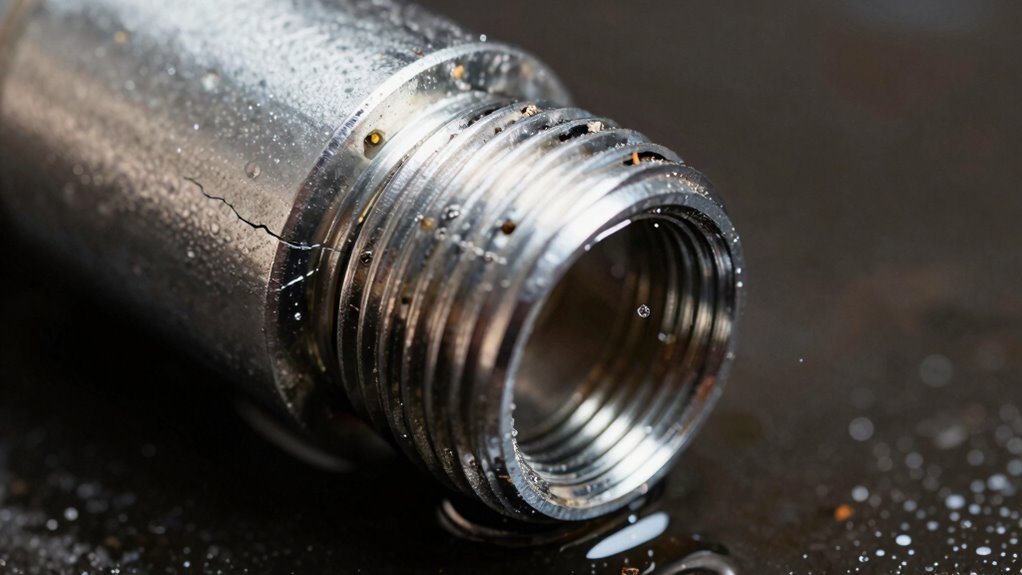

Vacuum brake bleeders can leak air when the bleeder threads are contaminated, worn, or damaged, preventing a tight seal. Air bubbles may enter the system, causing poor vacuum and difficulty bleeding brakes. Contaminants like dirt or moisture can degrade the threads and seals over time, increasing the chances of leaks. Proper maintenance and inspection can help prevent these issues. If you want to learn more about avoiding and fixing thread leaks, keep exploring the causes and solutions.

Get business pricing on garage and car supplies
- Business-only prices and quantity discounts
- Tax-exempt purchasing
- Multiple users, one account, clear invoices
Key Takeaways
- Air leaks occur when bleeder threads are damaged, corroded, or improperly sealed, compromising vacuum integrity.
- Contaminated brake fluid can degrade seals and cause leaks around bleeder threads.
- Using low-quality or worn bleeder valves increases the risk of thread leaks and vacuum failure.
- Improper installation or cross-threading damages bleeder threads, leading to air leaks.
- Regular inspection and maintenance prevent thread corrosion and identify leaks early.
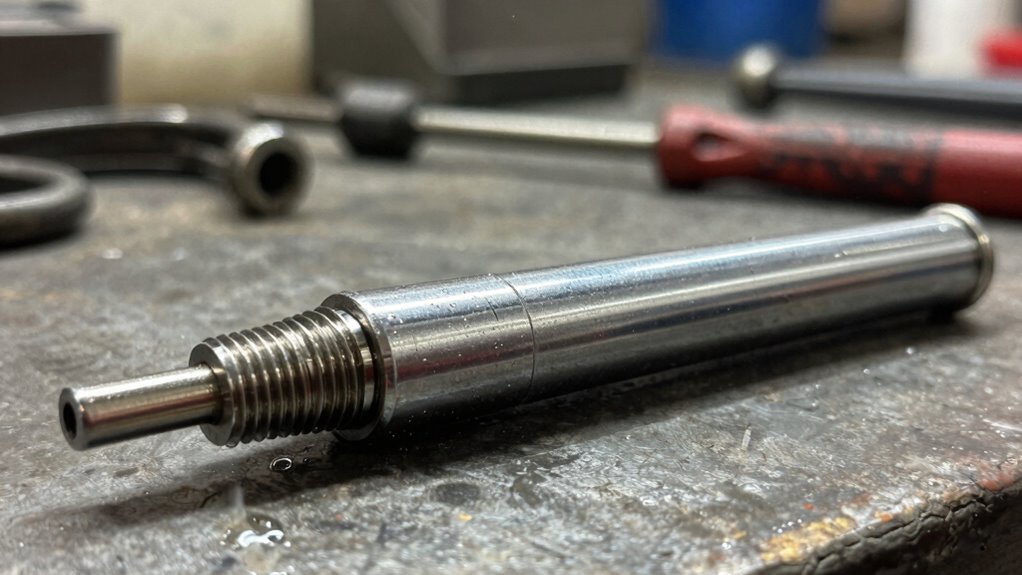
Have you ever struggled with brake fluid bleeding because of air bubbles or messy manual methods? If so, you probably appreciate the convenience of vacuum brake bleeders. They’re designed to simplify the process by creating a vacuum that pulls brake fluid through the system, reducing the chances of introducing air and making the job faster. However, these tools aren’t foolproof, and one common issue is when the bleeder threads leak air, causing the system to fail its purpose. This problem can be frustrating, especially if you’re trying to maintain your vehicle’s braking performance efficiently.
One key reason vacuum brake bleeders can fail is due to brake fluid contamination. Over time, brake fluid can absorb moisture or become contaminated with dirt and debris, which impacts the integrity of the seals and threads in the bleeder valve. Contaminated fluid can cause corrosion or degradation of the threads, making it harder to achieve a tight, leak-free seal. If you notice frequent air leaks or difficulty maintaining a vacuum, it might be due to brake fluid contamination that’s compromised the bleeder valve’s ability to hold pressure. To avoid this, always use fresh, high-quality brake fluid and ensure your system is clean before starting the bleeding process. Proper maintenance and fluid changes can extend the life of your equipment and reduce the likelihood of leaks. Additionally, choosing bleeder valves with durable threads can help prevent leaks caused by wear and corrosion. Regular inspections and proper storage of your brake components can also help minimize thread wear and extend the lifespan of your bleeder valves. Recognizing signs of fluid contamination early can save you time and money by preventing more serious issues down the line. Paying attention to brake system maintenance can further help prevent leaks and ensure optimal performance. Preventative care, including inspecting for corrosion and using the right tools, can make all the difference in maintaining a reliable brake bleeding system.
As an affiliate, we earn on qualifying purchases.
Frequently Asked Questions
Can You Repair a Leaking Bleeder Thread?
Yes, you can repair a leaking bleeder thread. Start by inspecting the bleeder thread thoroughly for damage or corrosion. Use brake fluid compatible with your vehicle’s system to lubricate the area before attempting repairs. If the leak persists, consider replacing the bleeder screw or applying a high-temperature thread sealant specifically designed for brake systems. Always guarantee proper bleed procedures afterward to maintain brake performance.
Are Certain Brake Bleeders More Prone to Thread Leaks?
Yes, some brake bleeders are more prone to thread leaks, especially those made from softer metals or with poorly machined threads. To prevent leaks, you should focus on proper thread repair techniques and use thread sealant where appropriate. Ensuring a tight fit during installation helps with leak prevention. Regular inspections can catch issues early, avoiding the need for more extensive repairs later on.
How Do I Prevent Air Leaks in Vacuum Brake Bleeders?
To prevent air leaks in vacuum brake bleeders, you should regularly inspect for bleeder thread corrosion and clean the threads thoroughly. Apply a high-quality thread sealant or grease to sealing thread gaps before installing the bleeder screw. Guarantee the threads are dry and free of debris, and tighten the bleeder securely without over-tightening, which can damage threads. Proper maintenance and careful installation help maintain a tight seal and prevent air leaks.
What Tools Are Best for Sealing Bleeder Threads?
For effective thread sealing, you should use high-quality repair kits designed specifically for brake bleeders. These kits often include thread sealant tape or liquid thread sealant, which provide a reliable barrier against air leaks. When sealing bleeder threads, make certain you apply the tape evenly and tighten the fittings properly. Using the right tools, like a torque wrench, helps prevent over-tightening that could damage the threads and cause leaks.
Do Manufacturer Warranties Cover Thread Leak Issues?
You often get what you pay for, and warranty coverage varies. Typically, manufacturer warranties cover manufacturing defects, including thread leaks if they’re caused by faulty workmanship. However, they usually don’t cover damage from improper installation or user error. Check your warranty details closely—if the leak results from a manufacturing defect, you’re likely covered, but if it’s wear and tear or misuse, you might be out of luck.
Conclusion
When your vacuum brake bleeders start leaking air through the threads, it’s like trying to plug a sinking ship with a leaky bucket. Don’t let small issues turn into bigger headaches—inspect your bleeder threads regularly, apply the right sealant, and replace faulty parts promptly. Remember, a stitch in time saves nine. Keep your brake system sealed and functioning smoothly, and you’ll avoid costly repairs down the road. Stay vigilant, and your brake work will stay on the right track.
Halloween Picks
halloween
As an affiliate, we earn on qualifying purchases.