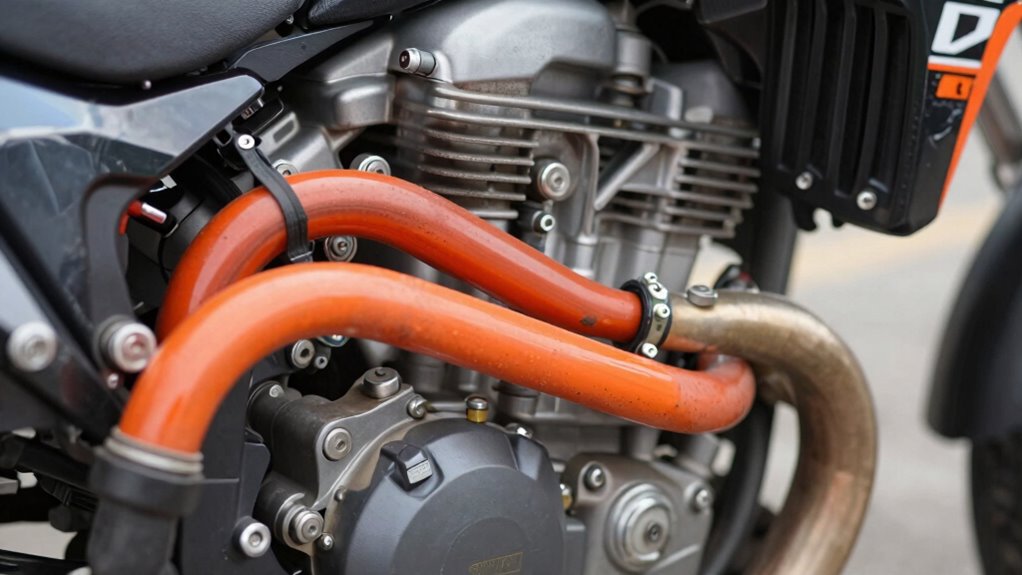
Heater kits keep winter rides comfortable, but if coolant isn’t routed correctly, your heater can lose efficiency or even cause engine issues. Proper installation guarantees coolant flows smoothly through the engine and heater core, maintaining ideal temperatures. Misrouted lines can lead to cold cabins, engine stress, or damage. To avoid these problems, you should understand how proper coolant flow impacts performance and long-term reliability. Keep going to discover more tips for real winter confidence.
Key Takeaways
- Proper coolant routing ensures effective heater performance and cabin warmth during winter rides.
- Incorrect routing can cause uneven heating, reduced heater efficiency, and engine temperature issues.
- Proper installation prevents coolant flow restrictions that may lead to engine overheating or freezing.
- Misrouted coolant lines decrease fuel efficiency and may cause engine damage over time.
- Regular system maintenance and correct design are essential for reliable heater operation in cold weather.
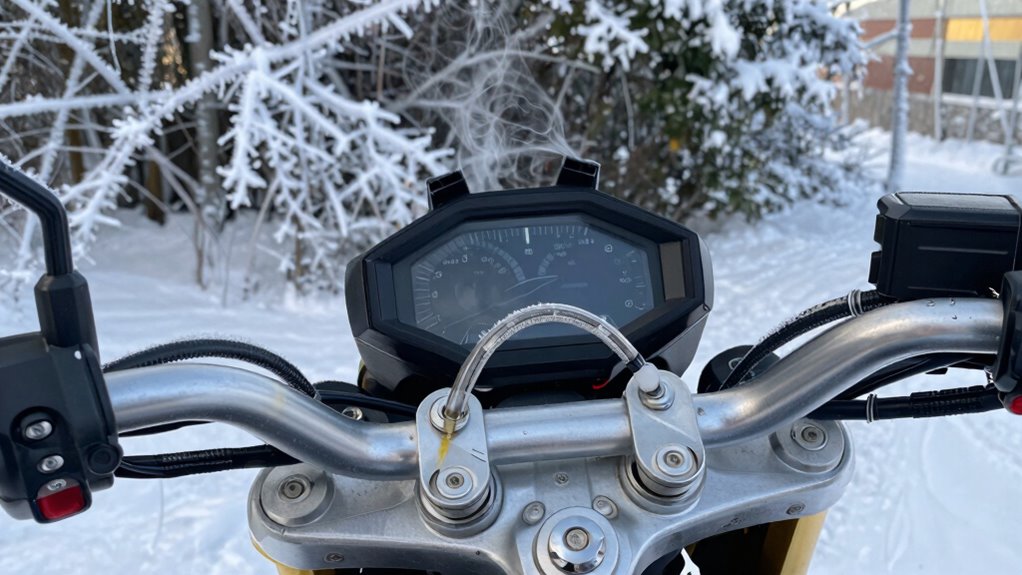
Winter rides can be exhilarating, but cold temperatures often make them uncomfortable or even unsafe. That’s where heater kits come into play, transforming your experience by keeping you warm and comfortable on the road. When installed correctly, these kits can make winter riding more enjoyable, allowing you to focus on the journey rather than shivering in your seat. However, if coolant routing goes wrong, the benefits can quickly turn into problems that impact your vehicle’s performance and efficiency.
A well-designed heater kit relies on proper coolant routing through your vehicle’s engine and heating system. When this process works smoothly, it helps maintain engine performance by preventing freezing or overheating, especially in cold weather. Proper coolant flow ensures your engine runs at the best temperatures, which is essential for fuel efficiency. When your engine operates efficiently, you consume less fuel, saving you money and reducing emissions. On the other hand, if coolant lines are misrouted or clogged, your engine may struggle to reach or maintain the right temperature, leading to decreased fuel efficiency and potential engine issues.
Incorrect coolant routing can cause uneven heating or blockages that restrict flow, making your heater less effective or useless. If the coolant isn’t circulating properly, your engine might run colder than it should, which not only makes the cabin less warm but also puts extra stress on engine components. Over time, this can result in increased fuel consumption as your engine works harder to reach the best temperatures. Additionally, poor coolant flow can lead to engine overheating or freezing, both of which can cause serious damage and leave you stranded during winter rides. Proper coolant routing is essential to prevent these issues and ensure your heater kit functions optimally. Proper system design also plays a crucial role in preventing these problems and maintaining reliable operation. Ensuring your vehicle’s coolant system is correctly set up can significantly improve heater efficiency and protect your engine’s health.
A thorough understanding of coolant flow helps in diagnosing and avoiding these common issues before they become costly repairs. Furthermore, understanding the importance of biodiversity and sustainable practices in vehicle maintenance can contribute to a more environmentally conscious approach, reducing emissions related to inefficient cooling systems. Beyond comfort and fuel economy, improper coolant routing can also impact engine performance. An engine that isn’t running at the right temperature won’t run efficiently, and you might notice sluggish acceleration or rough idling. These issues could be mistaken for other problems but often stem from coolant flow troubles. Ensuring correct installation and routing of your heater kit’s coolant lines keeps the system functioning properly. It helps you enjoy warm rides without sacrificing engine performance or fuel efficiency. When coolant flows correctly, you get the comfort you want and the reliable performance your vehicle needs to handle winter’s challenges confidently.
vehicle heater kit with coolant routing
As an affiliate, we earn on qualifying purchases.
As an affiliate, we earn on qualifying purchases.
Frequently Asked Questions
How Long Does It Take to Install a Heater Kit?
Installation timelines for heater kits vary based on your vehicle compatibility and your experience level. Typically, it takes about 2 to 4 hours for a straightforward install if you’re comfortable working on vehicles. For more complex setups or unfamiliar models, it could extend to 6 hours or more. Always follow manufacturer instructions and consider professional help if you’re unsure, ensuring the coolant routing is correctly set up for reliable heater performance.
Can Heater Kits Be Used on All Vehicle Types?
You can’t use heater kits on all vehicle types because vehicle compatibility varies. Some cars, trucks, and RVs are designed to accommodate these kits, while others aren’t. Before installing, check your vehicle’s specifications. If your vehicle isn’t compatible, consider alternative heating options like portable heaters or electric blankets. Always guarantee proper coolant routing to prevent issues, and consult a professional if you’re unsure about compatibility or installation.
What’s the Average Cost of a Heater Kit?
The average cost of a heater kit ranges from $100 to $300, depending on your vehicle and the kit’s features. When doing a cost comparison, consider installation prerequisites—some kits require more complex setup or modifications. You’ll want to factor in potential labor costs if you’re not installing it yourself. Overall, investing in a quality heater kit can make winter rides more comfortable, just make certain your vehicle’s coolant routing is compatible to avoid issues.
Are There Maintenance Tips for Heater Kits?
To maintain your heater kit’s performance, regularly check for leaks and guarantee all connections are secure. During installation troubleshooting, verify that coolant flows properly to prevent overheating or insufficient heat. Keep the system clean by flushing the coolant periodically, and inspect hoses for cracks or blockages. Proper maintenance helps your heater work efficiently, making winter rides more comfortable and preventing costly repairs down the line.
How Often Should Coolant Be Checked After Installation?
Ever wondered how often you should check coolant after installing a heater kit? You should check coolant levels weekly initially, especially after installation, to ensure proper flow. Verify to perform a system flush if you notice any irregularities, like overheating or low coolant levels. Regular checks help prevent coolant leaks or blockages that could compromise your heater’s performance and your winter rides’ comfort.
Conclusion
So, as you gear up for winter rides, remember that heater kits can make all the difference—just don’t let coolant routing issues catch you off guard. When everything’s properly installed, your ride stays warm and comfortable, turning a chilly day into a pleasant adventure. But if things go awry, you’ll learn that a stitch in time saves nine. Stay vigilant, and enjoy the ride, come snow or sleet.