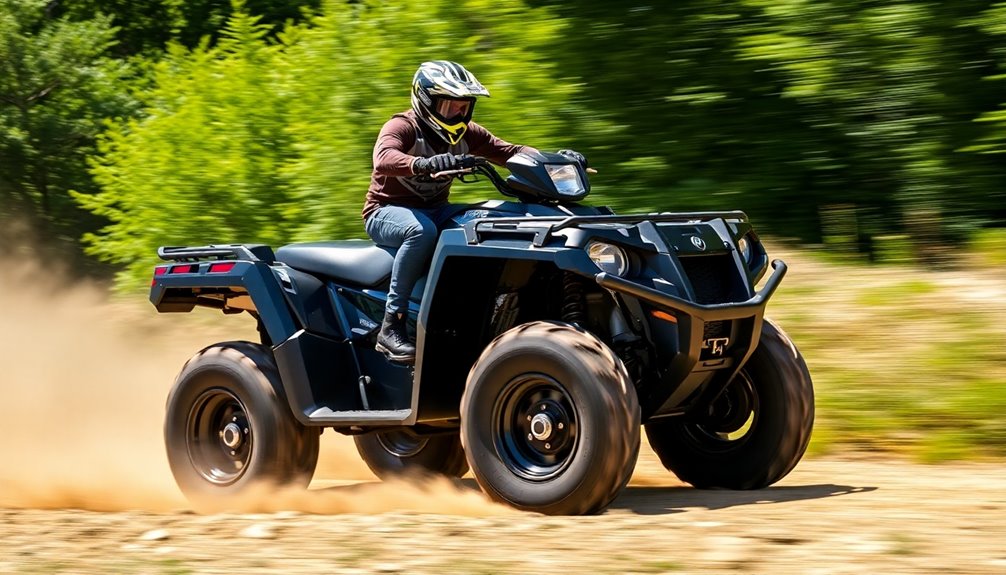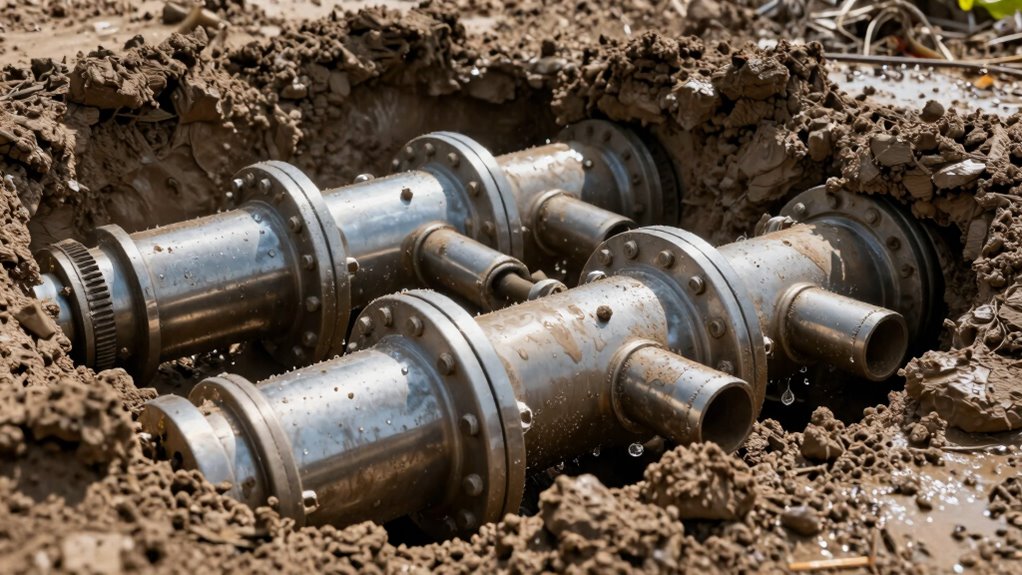
Packed mud can quickly turn your Polaris cooling system into a heat trap, severely impacting performance. If you don’t clean your machine after muddy rides, clogged radiators and fins can lead to overheating. This not only strains your engine but can also result in costly repairs down the line. Regular maintenance and quick cleanups are essential for keeping your machine running smoothly. You’ll find more tips on how to safeguard your cooling system effectively.

Get business pricing on garage and car supplies
- Business-only prices and quantity discounts
- Tax-exempt purchasing
- Multiple users, one account, clear invoices
Key Takeaways
- Packed mud blocks airflow, significantly reducing the cooling efficiency of Polaris machines and leading to overheating.
- Regularly cleaning the radiator and cooling fins prevents mud accumulation and ensures optimal performance.
- Overheating from clogged systems can cause serious engine strain and damage if not addressed promptly.
- Monitoring coolant levels and temperature gauges is crucial for detecting and preventing overheating issues.
- Consider aftermarket cooling upgrades to enhance resistance to mud and improve overall cooling efficiency.
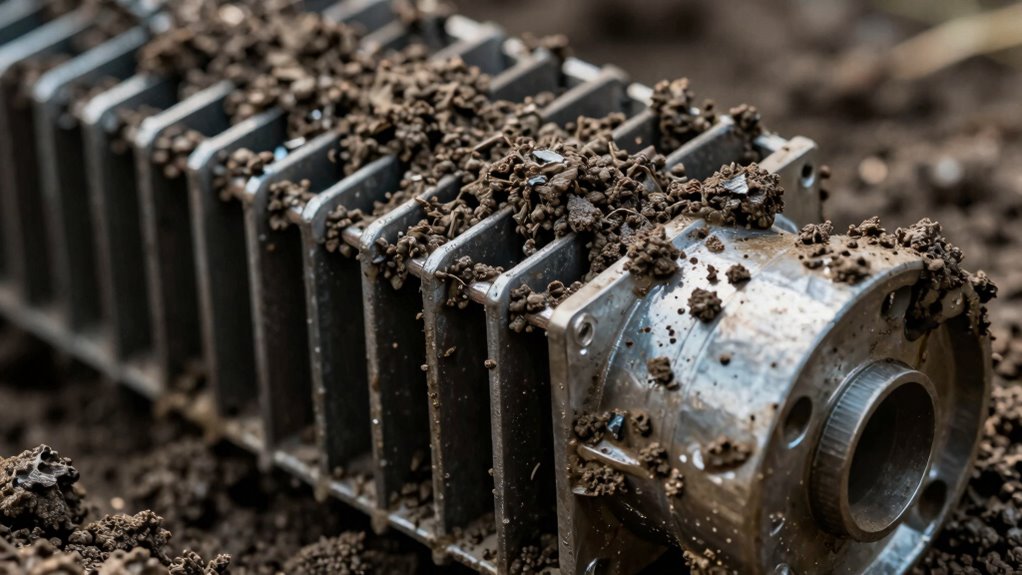
When you’re out on the trails, keeping your Polaris machine cool is vital for performance and longevity. One of the most significant threats to your cooling system comes from packed mud. It can turn your cooling system into a heat trap faster than you might expect, leading to serious performance issues. When mud clogs the radiator and cooling fins, it drastically reduces cooling efficiency, causing your engine to overheat.
To combat this, you need to be proactive. Regular maintenance is key. Start by making a habit of cleaning your machine after every muddy ride. Use a pressure washer or a hose to remove built-up mud from the radiator and surrounding areas. This not only improves cooling efficiency but also prevents common problems like overheating and engine strain. If you notice persistent issues, it might be time to take into account system upgrades. Newer cooling systems often come with improved designs that resist mud accumulation better than older models.
If you’re experiencing performance issues due to overheating, it’s essential to pinpoint the cause. Sometimes, it’s as simple as a dirty radiator. Other times, you might need to dive deeper into your cooling system. An installation guide can be handy here, helping you understand how to access and clean various components. Remember, a well-maintained cooling system can save you from costly repairs down the line. Regularly checking coolant levels and the condition of the system can make a big difference in preventing overheating. Additionally, understanding the home environment solutions available for your garage or workshop can help you create a cleaner and more efficient maintenance space. Proper airflow around your machine can also significantly reduce mud buildup and improve cooling performance. Ensuring proper ventilation is crucial for maintaining an optimal environment for your Polaris and preventing mud from settling in hard-to-reach areas. It’s also important to consider system upgrades that could enhance your cooling efficiency, especially in particularly muddy or challenging riding conditions.
Don’t forget to check coolant levels regularly, as low coolant can exacerbate overheating problems. It’s wise to keep an eye on temperature gauges while you ride. If you notice the temperature creeping up, pull over and check for mud or debris clogging your cooling system. Addressing these issues promptly can prevent more severe damage.
In addition to regular cleaning, think about investing in aftermarket cooling upgrades. These can enhance your machine’s cooling efficiency and provide better airflow. When you upgrade, make sure to follow the installation guide carefully to guarantee everything fits and functions correctly. Proper installation is just as important as the upgrade itself.
Ultimately, keeping your Polaris machine cool requires a bit of effort and awareness. By following these maintenance tips and being vigilant about the condition of your cooling system, you can avoid the pitfalls of packed mud and enjoy your rides without worrying about overheating. Taking these proactive steps will guarantee your Polaris runs smoothly and efficiently for years to come.
As an affiliate, we earn on qualifying purchases.
Frequently Asked Questions
How Often Should I Clean My Polaris Cooling System?
You should clean your Polaris cooling system at least once a year as part of your maintenance schedule. Depending on your riding conditions, you might need to do it more often, especially if you use different coolant types. Regular cleaning prevents coolant from becoming contaminated and guarantees peak performance. Keep an eye on the system after heavy use or muddy rides, and don’t hesitate to check it more frequently if needed.
What Tools Are Needed for Maintenance?
To keep your Polaris running smoothly, think of maintenance like a well-tuned orchestra. You’ll need a few essential tools: a wrench set, screwdrivers, and a coolant tester. Don’t forget gloves and safety goggles for protection. When choosing coolant types, follow manufacturer recommendations for the best performance. Regularly check and flush the system, and remember to keep an eye out for leaks. With these maintenance tips, you’ll guarantee your ride stays cool and reliable!
Can I Use Water Instead of Coolant?
You shouldn’t use water instead of coolant in your system. While water’s efficient in cooling, it lacks the necessary properties that prevent corrosion and freezing. Coolant alternatives are specifically formulated to withstand temperature extremes and protect your engine. Using just water can lead to overheating and damage over time. For best performance, always stick with the recommended coolant to guarantee your system runs smoothly and efficiently.
What Are the Signs of Overheating?
When your engine’s feeling a bit too toasty, it’s time to pay attention. Overheating indicators can be subtle at first, like a gentle warning whisper. You might notice the engine temperature creeping up, the dashboard lights flickering, or even steam escaping from under the hood. If you hear unusual noises or smell something burning, don’t ignore it. These signs are your engine’s way of asking for a break before things get serious.
How Does Packed Mud Affect Performance?
Packed mud can seriously affect your vehicle’s performance. When mud accumulates, it clogs essential components, leading to performance degradation. You might notice overheating, reduced efficiency, or sluggish response. The cooling system struggles to dissipate heat, which can cause further damage if not addressed. Regularly cleaning off mud buildup helps maintain peak performance, ensuring your ride stays smooth and reliable. Don’t let mud slow you down; keep your machine in top shape!
Conclusion
In a world where your Polaris should glide like a dream, packed mud can turn it into a furnace instead. Just like Odysseus faced the trials of the sea, you need to navigate the challenges of maintenance. Stay vigilant and clear those cooling systems to keep your ride cool and breezy. Remember, a little effort now can save you from a fiery fate later. So, don’t let mud be your downfall—give your Polaris the care it deserves!
Fall Picks
fall essentials
As an affiliate, we earn on qualifying purchases.