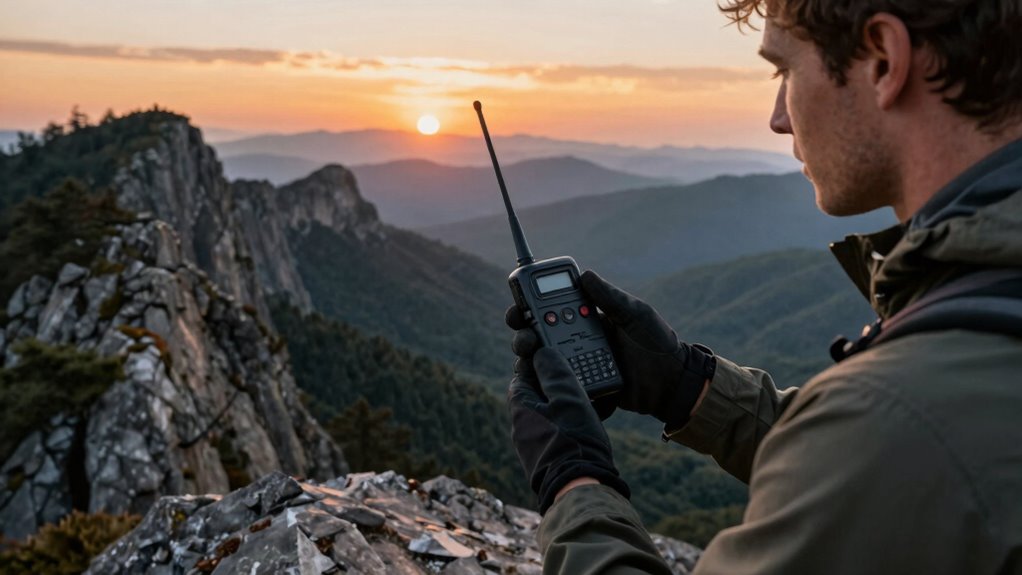

Satellite communicators are valuable for staying connected in isolated areas, but they don’t replace a solid emergency plan. Relying solely on devices can give you false security if they malfunction or lose power. You need traditional skills like signaling with a mirror, carrying paper maps, and knowing evacuation routes. A thorough plan combines technology with practical skills and supplies, ensuring you’re prepared for any scenario. Keep exploring to learn how to build a truly effective emergency strategy.

Get business pricing on garage and car supplies
- Business-only prices and quantity discounts
- Tax-exempt purchasing
- Multiple users, one account, clear invoices
Key Takeaways
- Satellite communicators are valuable tools but do not substitute comprehensive emergency plans with evacuation routes and safety procedures.
- Relying solely on satellite devices can create false security if they malfunction or lose power.
- Traditional survival skills like signaling and using maps remain essential despite technological advances.
- Proper training on satellite device use should be integrated into broader emergency preparedness strategies.
- Combining technology with practical skills and supplies ensures a more reliable and effective emergency response.
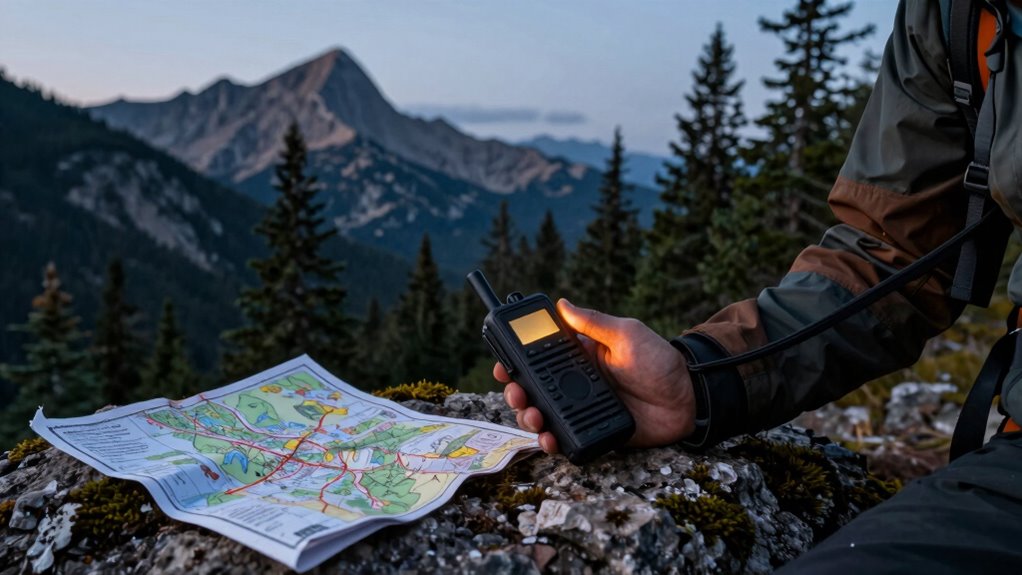
In remote or disaster-prone areas, having a reliable communication method can mean the difference between safety and danger. Satellite communicators are valuable tools that offer satellite features designed to keep you connected when traditional networks fail. They can send texts, share your GPS coordinates, and even make calls from the most isolated locations. These devices are essential for emergency preparedness because they provide a lifeline when local infrastructure is compromised. However, it’s imperative to understand that satellite communicators don’t replace a thorough emergency plan. Relying solely on them can create a false sense of security, leaving you vulnerable if your device malfunctions or runs out of power.
Satellite communicators are vital but should complement a comprehensive emergency plan for true safety.
Satellite features are impressive, but they should complement, not substitute, your emergency preparedness strategies. An emergency plan involves knowing how to respond to different situations, having supplies on hand, and understanding evacuation routes. Satellite devices are tools within this broader framework, designed to enhance your safety but not to solve every problem. For example, if you’re caught in a situation where your satellite communicator isn’t working due to a technical issue or extreme weather, you need to have other backup options. That might include signaling with a whistle, using mirrors to reflect sunlight, or having a paper map to navigate. These traditional methods remain indispensable, especially when technology fails.
Your emergency preparedness should also include training on how to operate your satellite communicator efficiently. Knowing how to send a distress signal quickly or share your exact location can save precious time. But this training must be part of a larger plan that includes securing shelter, managing food and water supplies, and understanding local hazards. Additionally, understanding the importance of biodiversity can help you prepare more effectively for environmental challenges in remote areas. Satellite communication can be a key component of your safety network, but it’s only one piece of the puzzle. Incorporating emergency communication into your preparation ensures you’re ready for various scenarios, especially when technology is unreliable. Recognizing the limitations of technology is crucial to maintaining a comprehensive safety strategy. It’s also worth noting that a well-rounded emergency plan should incorporate traditional survival skills, which remain vital regardless of technological advancements.
Ultimately, satellite communicators are powerful tools that greatly enhance your ability to stay connected in emergencies. Still, they’re no substitute for a well-thought-out emergency plan that prepares you for all contingencies. Combining the advanced satellite features with solid planning, practical skills, and supplies ensures you’re truly ready for the unexpected. Remember, technology can support your safety, but it shouldn’t be your only line of defense. Prioritize all-encompassing preparedness, and use satellite devices as a reliable backup, not the foundation of your safety strategy.
satellite communicator for emergency
As an affiliate, we earn on qualifying purchases.
As an affiliate, we earn on qualifying purchases.
Frequently Asked Questions
How Reliable Are Satellite Communicators During Extreme Weather Conditions?
Satellite communicators generally offer good weather resilience, but their reliability during extreme weather varies. Heavy storms, thick clouds, or heavy precipitation can impact signal stability, causing temporary outages. While they’re designed to work in tough conditions, you shouldn’t solely depend on them in an emergency. Always prepare for potential signal disruptions by having an all-encompassing emergency plan, and use satellite communicators as a backup rather than the main communication method.
Can Satellite Communicators Be Used for Two-Way Emergency Communication?
Think of satellite communicators as your lifeline in emergencies—they do support two-way communication. You can send and receive messages, which is essential for your emergency protocol. Just remember, signal encryption keeps your conversations secure from prying eyes. Whether you’re checking in or coordinating rescue efforts, these devices act as a reliable bridge, ensuring you’re never truly alone in critical moments. Always pair them with a solid emergency plan for best results.
What Is the Battery Life of Most Satellite Communicators?
Most satellite communicators offer a battery life of about 10 to 30 hours, depending on their battery performance and usage. You can optimize power management by turning off the device when not in use and disabling unnecessary features. Keep in mind that heavy usage, like frequent messaging or GPS functions, drains the battery faster. Planning ahead and carrying a portable charger can help guarantee your device stays powered during emergencies.
Are Satellite Communicators Legal to Use in All Countries?
You might think satellite communicators are universally legal, but that’s not true. Legal restrictions vary by country, and international regulations often limit or ban their use in certain regions. Always research the specific laws before you travel, because using a satellite communicator without proper authorization can lead to fines or legal trouble. It’s crucial to understand these rules to stay compliant and ensure your safety abroad.
How Much Do Satellite Communicators Typically Cost?
Satellite communicators typically cost between $300 and $600, depending on features and brand. Your purchase considerations should include pricing options, like one-time purchases or monthly plans, and the coverage area. Think about how often you’ll use it and what features are essential for your needs. Investing in a reliable satellite communicator guarantees you’re prepared for emergencies, but always compare prices and plans to find the best fit for your adventure.
Conclusion
Remember, a satellite communicator is like a lifeboat—valuable in rough waters but not a substitute for a solid emergency plan. It can keep you connected when all else fails, but it’s no magic fix for every disaster. Your safety depends on preparation, know-how, and a well-thought-out plan. Don’t rely solely on technology; instead, anchor yourself with an all-encompassing strategy that keeps you steady, no matter how stormy the situation.
Fall Picks
fall essentials
As an affiliate, we earn on qualifying purchases.